Reviewed by the Help Dementia Editorial Team — our editors review every article for accuracy against guidance from the National Institute on Aging, the Alzheimer’s Association, and peer-reviewed sources.
Now considered sits at the center of this dementia and brain health question.
Yes, struggling with familiar recipes has become recognized as a potential red flag for dementia and Alzheimer’s disease. The Alzheimer’s Association officially lists difficulty with familiar cooking tasks as one of the 10 early signs of cognitive decline, and Johns Hopkins Medicine research confirms that difficulty following favorite recipes—even ones a person has made many times before—can signal cognitive changes worth evaluating with a doctor. The key distinction is that this isn’t simply forgetting an ingredient or needing to check a recipe occasionally. It’s struggling with the sequential nature of cooking—following recipe steps in order, keeping track of multiple cooking instructions simultaneously, or performing kitchen tasks in the proper sequence.
For example, someone who has made the same pasta dish for decades might suddenly forget to boil the water before adding the pasta, or they might use sugar instead of salt in a recipe they’ve made hundreds of times. What makes this symptom important is that it often represents a change. Experts emphasize that it’s not about lifelong cooking challenges or temporary distractions from stress, television, or phone use. It’s about recognizing when cooking ability shifts noticeably for that particular person.
Table of Contents
- How Recipes Reveal Sequential Thinking Problems in Early Dementia
- The Connection Between Cooking Difficulties and Other Cognitive Decline Markers
- The Role of Olfactory Decline in Cooking and Dementia
- When to Be Concerned Versus When to Dismiss Cooking Struggles as Normal
- Kitchen Mishaps as Early Warning Signs of Dementia
- How Doctors Evaluate Cooking Difficulties in Dementia Screening
- Taking Action When Recipe Trouble Suggests Cognitive Decline
- Conclusion
- Frequently Asked Questions
How Recipes Reveal Sequential Thinking Problems in Early Dementia
The challenge with recipes relates to a specific type of cognitive function: the ability to follow multi-step sequential tasks. Cooking requires planning, memory, organization, and the ability to hold several instructions in mind simultaneously while executing them in the correct order. When dementia begins to affect these areas of cognition, cooking becomes visibly difficult—often before other symptoms become obvious. The Alzheimer’s Association identifies this as early cognitive decline because recipes present a clear baseline. Unlike vague memory issues that people might overlook or attribute to aging, cooking mistakes are concrete and often noticeable.
A spouse notices when spaghetti is overcooked because the person forgot to set a timer. A adult child recognizes something has changed when their parent—who has been an accomplished cook—suddenly leaves ingredients out of a familiar dish or puts salt in the wrong measuring cup. Another revealing aspect is that people often compensate in ways that become problematic. Someone struggling to follow recipe steps might start cooking from memory only, abandoning written recipes altogether, which can lead to inconsistent or inedible results. Or they might become frustrated and avoid cooking entirely, which can itself become a sign that something isn’t right.

The Connection Between Cooking Difficulties and Other Cognitive Decline Markers
Difficulty with recipes doesn’t occur in isolation. It often accompanies other early signs of dementia, particularly problems with sequential thinking in other areas. A person might also struggle to follow directions while driving, have difficulty managing finances where order of steps matters, or become confused with the sequence of getting dressed or preparing for the day. A limitation in recognizing this symptom is that not everyone cooks regularly, so some people might not have this particular warning sign present.
Additionally, some cooking challenges can be explained by other factors—decreased sense of smell, which often accompanies cognitive decline, can impact how a person seasons food or judges whether something is cooked through. Someone with decreased olfactory ability might not notice burning food or rely more on visual cues, which can lead to mistakes. Medical professionals recommend ruling out more straightforward explanations before attributing cooking difficulties to dementia. Has the person always been a somewhat careless cook? Are there recent life changes causing stress or distraction? Has there been a sudden health change like a medication adjustment? These factors should be considered first. However, if cooking difficulty is genuinely new and unusual for that person, it warrants a conversation with a doctor.
The Role of Olfactory Decline in Cooking and Dementia
decreased sense of smell often travels alongside cognitive decline in dementia. This creates a compounding effect in the kitchen. Someone whose cognitive function is declining and whose sense of smell is dulling faces a double challenge: they can’t remember recipe steps, and they can’t rely on smell to catch mistakes like overcooked food or forgotten ingredients. This matters because it explains why some cooking mistakes seem inexplicable.
A person might add salt and then forget and add it again, not just because they forgot, but because they literally cannot smell the salt already in the food to know it’s there. Or they might leave food cooking longer than intended because the smell isn’t registering to alert them that it’s done. A practical implication is that decreased sense of smell is sometimes easier to identify objectively than cognitive decline. If an older adult suddenly stops being able to smell coffee brewing or natural gas when a burner is left on, that’s a measurable change that should also prompt medical evaluation—especially if accompanied by difficulty with recipes or other tasks.
When to Be Concerned Versus When to Dismiss Cooking Struggles as Normal
The critical question is: Is this change new and significant for this person? Everyone occasionally forgets steps in a recipe, burns food, or makes a substitution. But when someone who has been a confident, accurate cook for decades suddenly makes repeated cooking mistakes, that’s the time to take notice. One way to distinguish concerning cooking difficulties from normal forgetfulness is to observe patterns. A single burned meal isn’t necessarily alarming. Repeated incidents of unusual cooking mistakes—forgetting basic steps, using entirely wrong ingredients, being unable to follow a recipe they’ve made many times—paints a different picture. Another distinguishing factor is whether the person seems aware something is wrong.
Someone who becomes frustrated, confused, or defensive about cooking changes may be experiencing cognitive decline that’s affecting their judgment alongside their ability to cook. The tradeoff in watching for this sign is that you don’t want to over-pathologize normal aging. Some people become less interested in cooking as they age. Some develop arthritis that makes cooking harder. Some simply reach an age where they prefer simplicity. But cognitive decline shows up differently: it’s confused thinking about the tasks themselves, not just reduced interest or physical limitation.
Kitchen Mishaps as Early Warning Signs of Dementia
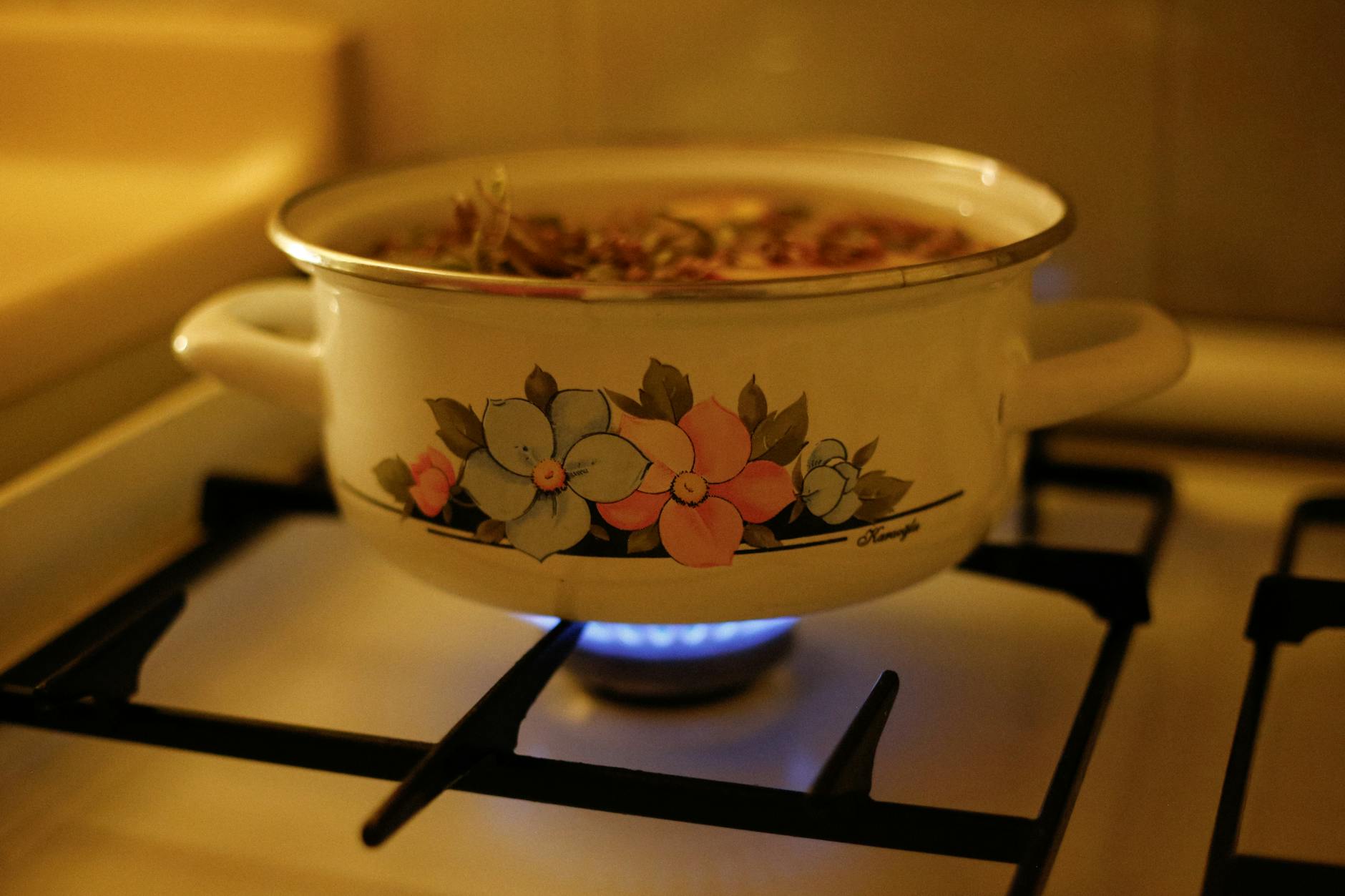
Specific kitchen incidents have become recognized in dementia education as warning signs. The examples sound simple but are revealing: putting a pot on the stove without water before adding pasta. Using sugar instead of salt in a frequently-made recipe. Starting to cook but forgetting to turn the oven on. Leaving the stove on after cooking is finished. These aren’t random mistakes—they’re errors in sequence, memory, or awareness. A warning for family members is that these mistakes can become safety issues.
Someone with undiagnosed or progressing dementia might leave the stove on unattended. They might use the wrong heat setting and start a fire. They might forget they’re cooking entirely and leave home while food is active on the stove. This is why doctors emphasize not ignoring signs like cooking difficulties—the cognitive decline underlying the cooking problems can pose real safety risks in the kitchen. Additionally, some people with early dementia become defensive about cooking mistakes, which can complicate recognition of the problem. They might insist they didn’t forget an ingredient when they did, or blame someone else for the mistake. This frustration and defensive reaction is itself sometimes a sign of cognitive decline affecting self-awareness.

How Doctors Evaluate Cooking Difficulties in Dementia Screening
When someone brings up cooking difficulties to their doctor, it’s typically part of a broader cognitive assessment. The doctor will ask questions about other areas where sequential thinking matters: driving, managing bills, remembering appointments, following conversations. They might do cognitive screening tests.
They may order blood work or imaging to rule out other causes like B12 deficiency or thyroid problems, which can also affect cognition. The value in mentioning cooking difficulties to a doctor is that it provides a concrete, observable example of cognitive change. Rather than vaguely saying someone is “getting more forgetful,” describing specific cooking mistakes gives doctors concrete information to evaluate. It helps distinguish between normal aging and actual cognitive decline that warrants further investigation.
Taking Action When Recipe Trouble Suggests Cognitive Decline
If you recognize that a loved one is having new, unusual difficulty with familiar recipes, the next step isn’t to diagnose them yourself—it’s to encourage medical evaluation. A doctor can rule out treatable causes of cognitive decline and, if dementia is suspected, begin appropriate monitoring or treatment. In the meantime, there are practical steps.
Make the kitchen safer by removing hazards if cooking unattended is becoming unsafe. Simplified recipes or pre-prepared foods can reduce reliance on complex cooking tasks. But more importantly, take the sign seriously as information about someone’s cognitive health, not as a minor quirk to overlook.
Conclusion
Trouble with recipes—specifically difficulty following familiar recipes or completing cooking tasks in the correct sequence—has become formally recognized as a potential early sign of dementia by major medical organizations including the Alzheimer’s Association. This matters because cooking provides a clear baseline for observing cognitive change and because the underlying problem—difficulty with sequential thinking and memory—can have implications beyond the kitchen.
If you notice that a loved one is experiencing new, unusual difficulty with cooking tasks they’ve performed competently for years, it’s worth taking seriously enough to mention to their doctor. Early evaluation, even when dementia isn’t ultimately diagnosed, can identify treatable conditions and establish a baseline for monitoring. The kitchen, it turns out, is one of the earliest places where cognitive decline becomes visible.
Frequently Asked Questions
Is occasional cooking forgetfulness a sign of dementia?
Not necessarily. Everyone occasionally forgets steps or burns food. The concerning sign is a new, significant change in cooking ability for someone who has previously cooked competently, combined with repeated similar mistakes and difficulty with sequential thinking in other areas of life.
Could decreased sense of smell explain cooking mistakes without dementia being present?
Possibly, but decreased sense of smell in an older adult should also prompt medical evaluation. It can be an early sign of cognitive decline itself, even if it’s not causing the cooking difficulties you’re noticing.
What should I do if I’m concerned my loved one has dementia based on cooking changes?
Encourage them to schedule an appointment with their primary care doctor and mention the specific cooking difficulties you’ve observed. The doctor can do cognitive screening and rule out other medical causes of these changes.
At what age should I be concerned about cooking difficulties as a dementia sign?
Dementia is not a normal part of aging and can occur at any age, though it’s more common in people over 65. The key factor isn’t age but whether cooking ability has changed noticeably for that person.
Can dementia be diagnosed based on cooking difficulties alone?
No, cooking difficulty is one potential sign among many that a doctor uses to evaluate cognitive health. Diagnosis requires comprehensive evaluation, including cognitive testing, medical history, and potentially imaging or lab work.
What’s the difference between dementia and normal aging affecting cooking?
Normal aging might reduce interest in cooking or make cooking more physically challenging. Dementia affects the thinking involved in cooking—remembering steps, sequencing tasks, executing them in order—even if physical ability is unchanged.
You Might Also Like
- trouble with money Is Now Considered a Dementia Red Flag
- repeating stories Is Now Considered a Dementia Red Flag
- changes in eating habits Is Now Considered a Dementia Red Flag
For more, see NIH MedlinePlus — dementia.