Research has documented that extreme temperatures—both intense heat and severe cold—significantly increase emergency room visits among people with dementia. During heat waves and cold snaps, hospitals see measurable spikes in dementia patients presenting with acute medical crises, from falls and confusion to dangerous changes in body temperature regulation and medication interactions. An elderly man with moderate dementia living in Florida, for example, might experience disorientation and loss of appetite during a summer heat dome, leading his family to seek emergency care when his mental state rapidly deteriorates.
These temperature-related ER visits represent a preventable surge in healthcare demand that strains resources and often involves hospital stays that worsen cognitive outcomes and increase risk of complications like infections. The vulnerability stems from how dementia affects the brain’s ability to regulate temperature responses, communicate discomfort, and maintain self-care habits. Older adults with cognitive decline frequently cannot recognize when they’re overheating or becoming dangerously cold, fail to adjust clothing or water intake appropriately, and may resist offers of help. When combined with medications common in dementia care—some affecting fluid balance, others reducing sweating or heat dissipation—the risk of temperature-related medical emergencies climbs sharply during seasonal extremes.
Table of Contents
- Why Do Heat and Cold Hit Dementia Patients Harder?
- Temperature Extremes and the Cascade of ER Complications
- Recognizing the Signs of Temperature Distress in Dementia
- Prevention and Adaptation During Extreme Weather
- Medication Interactions and Temperature Vulnerability
- Hospital Discharge and Post-Temperature-Event Recovery
- Seasonal Preparation and Caregiver Planning
Why Do Heat and Cold Hit Dementia Patients Harder?
Dementia impairs the body’s thermoregulation in multiple ways. The disease damages neurons involved in sensing body temperature and coordinating appropriate physiological responses like sweating, shivering, or changing behavior to seek warmth or cool air. Beyond this neurological component, cognitive decline prevents people with dementia from recognizing early warning signs of heat exhaustion or hypothermia. A person with advanced dementia might not feel thirsty during a heat wave, might not understand the need to drink fluids, or might not remember to change out of warm clothing indoors during summer.
Medications commonly prescribed for dementia and related conditions—antipsychotics, antidepressants, and anticholinergics—interfere with sweating and other cooling mechanisms. This pharmacological vulnerability means that a person with dementia who is medicated for behavioral symptoms faces compounded heat risk compared to cognitively intact peers. Cold sensitivity worsens similarly: reduced activity, poor circulation, and certain medications all decrease the body’s ability to generate and retain warmth. Combined with dementia’s cognitive barriers to seeking shelter, changing clothes, or communicating distress, the result is a population at heightened risk during any temperature extreme.
Temperature Extremes and the Cascade of ER Complications
When a dementia patient arrives at the emergency department during a heat wave or cold spell, the presenting complaint often masks the underlying temperature-related trigger. An ER physician might see dehydration, a urinary tract infection, acute confusion, or a fall—each common in older adults—without immediately recognizing that severe heat or cold exposure has destabilized an already fragile system. This diagnostic delay can result in inappropriate treatment if the root cause goes undetected. The complications escalate rapidly once hospitalization occurs.
An ER visit for heat-related illness in a dementia patient often leads to admission, disruption of routine, exposure to hospital-acquired infections, and prolonged delirium. Even after discharge, the cognitive and functional decline triggered by an acute temperature event may be permanent. A person with mild cognitive impairment who required one ER visit during a heat wave might experience a measurable worsening of memory and daily functioning weeks later, accelerating the progression of dementia. One limitation in current care is that many emergency departments do not systematically screen for dementia or cognitive impairment in older patients, missing the opportunity to identify environmental risk factors and adjust discharge planning accordingly.
Recognizing the Signs of Temperature Distress in Dementia
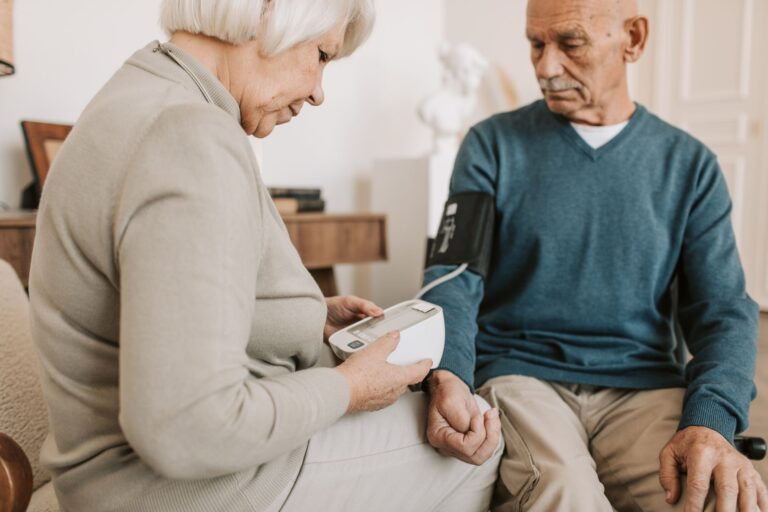
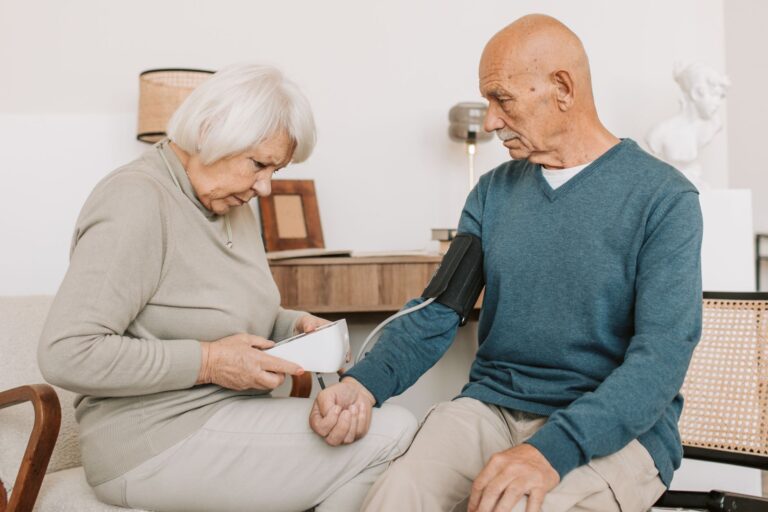
family members and caregivers must learn to spot warning signs that a person with dementia is struggling with temperature extremes, since the affected individual often cannot communicate the problem. During heat exposure, watch for unusual lethargy, refusal to eat, sweating that stops abruptly (a sign of dangerous heat exhaustion), confusion that worsens beyond the person’s baseline, or rapid, weak pulse. A wife caring for her husband with Alzheimer’s might notice he becomes unusually withdrawn and quiet during summer afternoons—a red flag that heat stress is building.
Cold-related warning signs include shivering that stops (a late-stage danger sign), slurred speech, confusion, stiff movements, or complaints of pain in extremities. Older adults with dementia often cannot accurately report feeling cold or report it inaccurately; instead, caregivers may observe behavioral changes like agitation, attempts to remove clothing, or combativeness. Recognition requires vigilance, since dementia can dampen or distort normal responses to discomfort. A man with vascular dementia might not complain about being cold even as his core body temperature drops to dangerous levels.
Prevention and Adaptation During Extreme Weather
The most effective way to reduce temperature-related ER visits is anticipatory intervention before heat or cold becomes severe. During heat advisories, caregivers should proactively increase fluids (water, not sugary drinks), move the person to cool areas during peak heat hours, reduce physical activity, dress the person in lightweight clothing, and check in more frequently than usual. Air conditioning is not a luxury but a medical necessity for people with advanced dementia; using a fan alone during extreme heat is inadequate and may even increase core temperature in some cases.
Cold-weather preparation requires equally deliberate action: maintaining adequate indoor temperature, ensuring appropriate clothing layering, monitoring whether the person is leaving a door or window open inappropriately, and watching for signs of reduced mobility that might indicate early hypothermia. The tradeoff is that caregivers cannot prevent every risk without restricting the person’s autonomy and dignity, particularly in mid-stage dementia when the person still wants to maintain some independence. A practical compromise is to establish routines—scheduled fluid breaks in summer, temperature checks using a thermometer rather than assumption, and weather-aware activity planning—that distribute caregiver burden while maintaining safety.
Medication Interactions and Temperature Vulnerability
The medications used to manage dementia’s behavioral and cognitive symptoms create additional temperature risk that many caregivers do not recognize. Antipsychotic drugs, commonly prescribed for dementia-related agitation, increase sensitivity to heat by suppressing the sweating response. Tricyclic antidepressants similarly reduce heat dissipation. Anticholinergic medications—used for various symptoms—block the body’s cooling mechanisms entirely.
A person with dementia taking multiple medications in these classes faces multiplicative risk, not just additive. Caregivers and prescribers should review the person’s medication list for temperature-affecting drugs, particularly if ER visits spike during seasonal transitions. A limitation of current medical practice is that prescribers often do not warn caregivers about heat vulnerability at the time of prescription or adjust medications seasonally even when evidence supports it. Some medications can be temporarily reduced, switched to alternatives with less temperature impact, or scheduled for times of day when heat stress is unlikely. However, these adjustments require close coordination between neurology, primary care, pharmacy, and the family—a level of coordination that many healthcare systems do not support reliably, leaving caregivers to manage the risks independently.
Hospital Discharge and Post-Temperature-Event Recovery
After an ER visit or hospitalization triggered by heat or cold exposure, the dementia patient’s trajectory often changes. Cognitive function may not fully recover to pre-event baseline, representing a permanent step backward in dementia progression. Discharge planning must account for this fragility and include explicit environmental recommendations to prevent recurrence.
Too often, patients are discharged without specific guidance about temperature management, missed opportunities that contribute to repeat visits. Caregivers should expect that recovery from a heat- or cold-related ER visit takes longer than recovery from acute illness in cognitively intact older adults. Mental fog, reduced appetite, and increased dependence may persist for weeks. This period is high-risk for subsequent crises, as the person’s resilience has been reduced by the acute event.
Seasonal Preparation and Caregiver Planning
Effective dementia care during extreme temperature seasons requires advance planning, not reactive crisis management. Before summer heat arrives, ensure air conditioning is serviced, stock appropriate hydration options, schedule extra monitoring time into the caregiver’s week, and brief all household members about heat risk.
Before winter cold, check heating systems, ensure adequate blankets and warm clothing, and plan modifications to daily routines. A family that invests in proactive planning during mild seasons will experience far fewer ER visits when extremes arrive, but this requires recognizing temperature vulnerability as a medical priority rather than a seasonal inconvenience.