Reviewed by the Help Dementia Editorial Team — our editors review every article for accuracy against guidance from the National Institute on Aging, the Alzheimer’s Association, and peer-reviewed sources.
Vegan diet sits at the center of this dementia and brain health question.
Research from 2025 and 2026 shows that a well-planned plant-based diet protects the brain more effectively than supplements alone can. A meta-analysis found that people following a healthful plant-based diet had a 0.68 odds ratio for cognitive impairment—meaning they were about 32% less likely to develop cognitive decline compared to non-plant-based eaters. In a large-scale study of 93,000 adults tracked over a decade, those eating the highest quality plant-based foods showed an 11% reduction in Alzheimer’s and dementia risk. This protective effect comes not from isolated nutrients in pill form, but from the complex interplay of whole foods—fiber, polyphenols, antioxidants, and phytochemicals that work together in ways supplements cannot replicate.
However, the protection is not automatic. The same research revealed a critical distinction: people who ate unhealthy plant-based foods (refined grains, added sugars, processed meat alternatives) had a 25% higher dementia risk over 10 years. For someone switching to a vegan diet to protect their brain, the quality of food choices determines whether they get the benefit or the burden. Moreover, plant-based diets carry specific nutritional risks that supplements do address—deficiencies in vitamin B12, iron, and omega-3 fatty acids that conventional diets rarely encounter. This distinction—between the protective power of whole plant foods and the vulnerability of poorly planned vegan diets—is what makes this topic urgent for anyone concerned about brain health.
Table of Contents
- Can a Plant-Based Diet Provide Better Brain Protection Than Supplements?
- The Quality Trap: Why Some Plant-Based Eaters Get Brain Protection While Others Do Not
- The Research Behind Plant-Based Brain Protection
- Why Supplements Cannot Fully Replace a Plant-Based Diet
- The Homocysteine Connection and Neurological Risk
- Practical Food Examples That Protect vs. Risk Brain Health
- The Future of Plant-Based Brain Health Research
- Conclusion
Can a Plant-Based Diet Provide Better Brain Protection Than Supplements?
The data suggests yes, but not in the way many people assume. The 2025 meta-analysis examined plant-based diet indices (PDI)—scoring systems that measure both quantity and quality of plant foods consumed. The healthful PDI, which prioritizes whole grains, legumes, nuts, and vegetables while limiting refined carbohydrates, showed a 0.68 odds ratio for cognitive impairment. This means people eating this way had roughly one-third less risk than those eating standard Western diets. By contrast, individual supplements like single B vitamins or isolated antioxidants in clinical trials have shown far more modest effects.
A person taking a B12 supplement alone, for instance, receives only one nutrient; eating a bowl of fortified plant milk alongside leafy greens and legumes provides B12 plus folate, magnesium, and hundreds of plant compounds with demonstrated neuroprotective effects. The advantage of whole foods appears to lie in synergy. When you eat a walnut, you get not just the omega-3 precursor ALA, but vitamin E, polyphenols, and fiber that enhance brain blood flow and reduce inflammation. A supplement bottle cannot replicate this combination. The 10-year study of 93,000 adults, released in 2026, found that the healthiest plant-based eaters experienced an 11% reduction in dementia risk—a figure that exceeds results from most single-nutrient supplement trials. Yet this protection only applied to those prioritizing whole foods; those relying on refined plant-based products saw no benefit and often worsened their risk profile.
The Quality Trap: Why Some Plant-Based Eaters Get Brain Protection While Others Do Not
This is where the warning becomes essential: not all plant-based diets are equal. The same meta-analysis and dementia risk study both found that people eating unhealthy plant-based foods—white bread, sugary cereals, plant-based meat substitutes high in sodium and processing, sweetened plant milks—had a 25% higher dementia risk than people eating standard mixed diets. This is a crucial limitation often overlooked in plant-based advocacy. Someone might switch to veganism believing they are protecting their brain, only to spend their days eating vegan donuts, refined pasta, and processed burgers, unintentionally accelerating cognitive decline. The mechanism appears to involve inflammation and blood sugar control.
Refined plant-based foods spike blood glucose and trigger inflammatory responses similar to those caused by processed animal foods. Over years, this chronic inflammation damages blood vessel integrity in the brain, impairs the blood-brain barrier, and contributes to amyloid accumulation. Meanwhile, whole plant foods like lentils and berries contain compounds that stabilize blood glucose, reduce inflammation, and support neuronal health through multiple pathways. The difference between eating canned beans and eating a vegan cupcake is neurologically significant. This means that choosing a plant-based diet without attention to food quality offers no brain protection advantage over conventional eating—and may harm it. A person with a family history of dementia who switches to veganism without education on whole foods could paradoxically increase their risk.
The Research Behind Plant-Based Brain Protection
The 2025 plant-based diet and cognitive outcomes meta-analysis examined multiple studies conducted across different populations and age groups. The healthful PDI showed a 0.68 odds ratio for cognitive impairment, while the less-healthy plant-based diet index (which includes refined grains and sugary foods) showed no protective effect. The specificity of these findings matters: a diet defined by what it excludes (meat, fish, dairy) is less protective than one defined by what it includes (whole grains, legumes, nuts, vegetables, fruits).
The 2026 study, which followed 93,000 adults with an average age of 59 over approximately 10 years, found that those consuming the highest quality plant-based foods had a 7% lower dementia incidence at baseline and an 11% lower risk of Alzheimer’s disease and dementia over the decade. This study also confirmed the 25% increased risk associated with unhealthy plant-based foods, providing striking evidence that dietary patterns matter more than dietary labels. A person can claim to be vegan or plant-based while eating foods that actively damage brain health.
Why Supplements Cannot Fully Replace a Plant-Based Diet
While whole plant foods offer superior brain protection, the inverse is not true: a conventional diet supplemented with isolated nutrients cannot replicate the benefits of a well-planned plant-based diet. Supplements lack the synergistic compounds found in whole foods, and they do not address the systemic benefits that plant-based diets provide. A person eating a typical Western diet high in saturated fat and processed foods cannot offset these effects by taking an omega-3 supplement or a B-complex vitamin. However—and this is critical—vegans and vegetarians do need certain supplements that omnivores can obtain from food.
Vitamin B12 must come from fortified sources or supplements for plant-based eaters; the 11-90% rate of B12 deficiency among vegans (depending on age and supplementation practices) reflects this requirement. Omega-3 conversion from plant sources is limited; the ALA-to-DHA and EPA conversion rate is below 10%, meaning vegans require either regular consumption of algae products or algae-based supplements to achieve adequate levels for brain health. Iron, though present in many plant foods, is less bioavailable than heme iron from animal sources, affecting up to 30% of Western vegans and 60% in South Asian regions. The practical takeaway is inverse: plant-based eaters need specific supplements (B12, omega-3s, possibly iron), while omnivores benefit more from changing their food choices than from adding supplements. This makes supplementation a support strategy for vegans, not a replacement for food quality.
The Homocysteine Connection and Neurological Risk
Vitamin B12 deficiency in vegans leads to elevated homocysteine levels—an amino acid that, at high concentrations, damages blood vessels and is associated with accelerated cognitive decline and Alzheimer’s disease. The 2024-2025 neurological health review found that elevated homocysteine increases Alzheimer’s risk, and B12 deficiency is a primary cause in plant-based populations. This is not a minor concern: it suggests that vegans who forego B12 supplementation or fortified foods are, paradoxically, losing the brain protective benefits of their diet while actively accumulating a risk factor.
Iron deficiency presents a different but equally important concern. Iron is essential for myelin formation (the insulation around nerve fibers), oxygen transport, and mitochondrial function. Iron-deficient individuals show measurable cognitive impairment; the prevalence of iron deficiency among vegans—particularly in developing regions where alternative iron sources are limited—means that some plant-based eaters are inadvertently compromising their brain health through nutritional oversight. These are not hypothetical risks; they are documented deficiencies that can be prevented through deliberate supplementation or food selection.

Practical Food Examples That Protect vs. Risk Brain Health
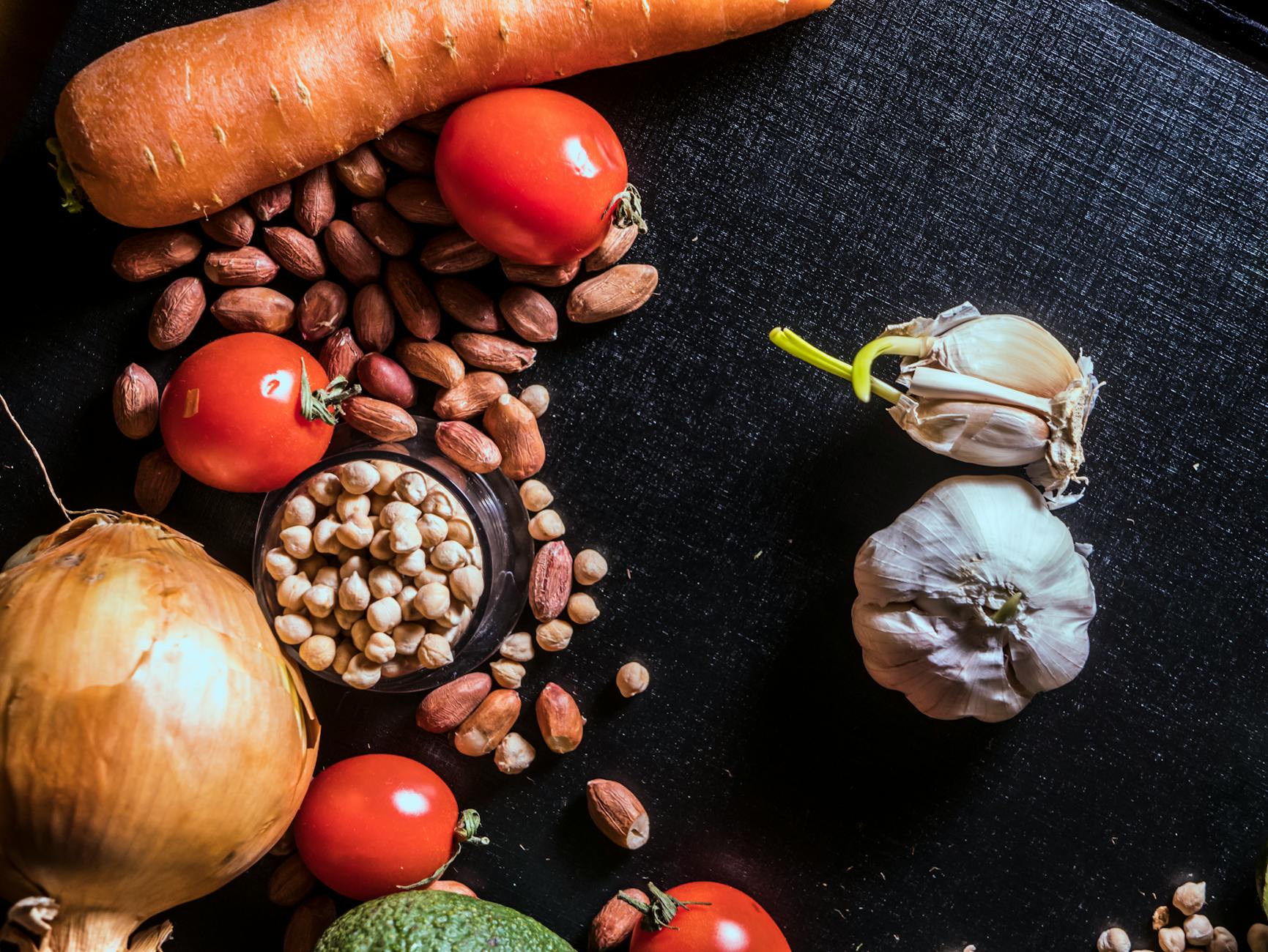
A vegan breakfast of steel-cut oats with berries, ground flaxseed, and fortified plant milk provides B12, ALA for omega-3 conversion, fiber, and polyphenols—all contributing to the brain-protective effect documented in the research. The same vegan might eat a breakfast of refined breakfast cereal with plant milk and a vegan pastry, delivering refined carbohydrates, added sugars, and minimal neuroprotective compounds. Both people might identify as vegan; their brain outcomes would likely diverge significantly over a decade.
Lunch and dinner choices carry similar weight. Lentil-based soups, quinoa bowls with leafy greens, baked tofu with roasted vegetables—these whole-food plant-based meals embody the protective pattern documented in the 2026 research. By contrast, vegan cheese pizza, plant-based meat sandwiches on white bread, and processed vegan frozen dinners are plant-based but lack the nutrient density that protects the brain.
The Future of Plant-Based Brain Health Research
As plant-based eating becomes more common, the research landscape is evolving. The 2025 and 2026 studies represent a shift toward understanding not whether plant-based diets protect the brain (they do), but how quality within plant-based categories determines outcomes. Future research will likely focus on identifying the specific plant compounds most protective against dementia, optimizing supplementation strategies for vegans, and developing clearer dietary guidelines that distinguish health-promoting plant-based patterns from unhealthy ones.
The rise of “plant-based” as a marketing label—applied to products ranging from legumes to ultra-processed meat substitutes—makes evidence-based guidance increasingly important. Consumers will need education distinguishing the brain health offered by traditional plant-based cultures (high in whole grains, legumes, vegetables) from the modern convenience plant-based products that mimic junk food. As dementia prevention becomes a central health priority, the nuance in this research—that quality matters more than category—will be essential.
Conclusion
A well-planned plant-based diet does protect the brain better than supplements alone can, but only when focused on whole foods. The research is clear: healthful plant-based eating reduces dementia risk by 11% over a decade, while unhealthy plant-based choices increase it by 25%. Supplements cannot replicate the complex, synergistic effects of whole plant foods.
However, certain supplements—particularly vitamin B12, omega-3 fatty acids (algae-based), and sometimes iron—are not optional add-ons for vegans; they are necessary components of a truly protective diet. For anyone concerned about dementia prevention, the practical strategy is not to choose between whole foods and supplements, but to prioritize whole plant foods while ensuring adequate supplementation for nutrients that plant-based diets cannot reliably provide. The brain’s protection depends not on the absence of animal foods, but on the presence of quality plant foods, adequate micronutrients, and sustained attention to what you actually eat—not just the label you claim.
You Might Also Like
- plant based diet May Protect Your Brain Better Than Supplements
- ketogenic diet May Protect Your Brain Better Than Supplements
- Mediterranean diet May Protect Your Brain Better Than Supplements
For more, see Alzheimer’s Association — medical tests.