Reviewed by the Help Dementia Editorial Team — our editors review every article for accuracy against guidance from the National Institute on Aging, the Alzheimer’s Association, and peer-reviewed sources.
Scientists reveal sits at the center of this dementia and brain health question.
Scientists have indeed revealed game-changing evidence that’s fundamentally reshaping how we diagnose cognitive decline and dementia. The most significant breakthrough involves blood-based biomarkers and advanced imaging that can now detect Alzheimer’s disease biological changes years before a person experiences any symptoms—sometimes five to ten years before cognitive problems surface. This represents a historic shift in how we approach brain disease, moving from waiting for someone to forget their spouse’s name to identifying the disease process in its earliest, most treatable stages. This evidence comes from major clinical advances validated by leading institutions including the Alzheimer’s Association and Mass General Brigham. For decades, diagnosis has been reactive—patients developed symptoms, families grew concerned, and doctors performed tests.
Now, a cognitively normal person with a family history of dementia can get a simple blood test that reveals whether Alzheimer’s pathology is already silently developing in their brain. This changes everything about prevention and early intervention possibilities. The implications extend beyond Alzheimer’s. In parallel developments, diagnostic criteria for other neurological and systemic conditions—including Ehlers-Danlos syndromes affecting brain and nervous system function—have undergone their first major update since 2017, and researchers have demonstrated that single blood tests can now detect 50 types of cancer before symptoms appear. The era of waiting for disease to announce itself through obvious symptoms is ending.
Table of Contents
- How Blood Biomarkers Are Revolutionizing Early Brain Disease Detection
- The Paradigm Shift From Symptom Recognition to Prevention
- Digital Cognitive Tools and Advanced Imaging Complete the Picture
- What This Means for High-Risk Populations and Family Planning
- Limitations of Current Evidence and Ongoing Questions
- Parallel Advances in Other Diagnostic Areas
- The Future of Diagnosis and Prevention
- Conclusion
How Blood Biomarkers Are Revolutionizing Early Brain Disease Detection
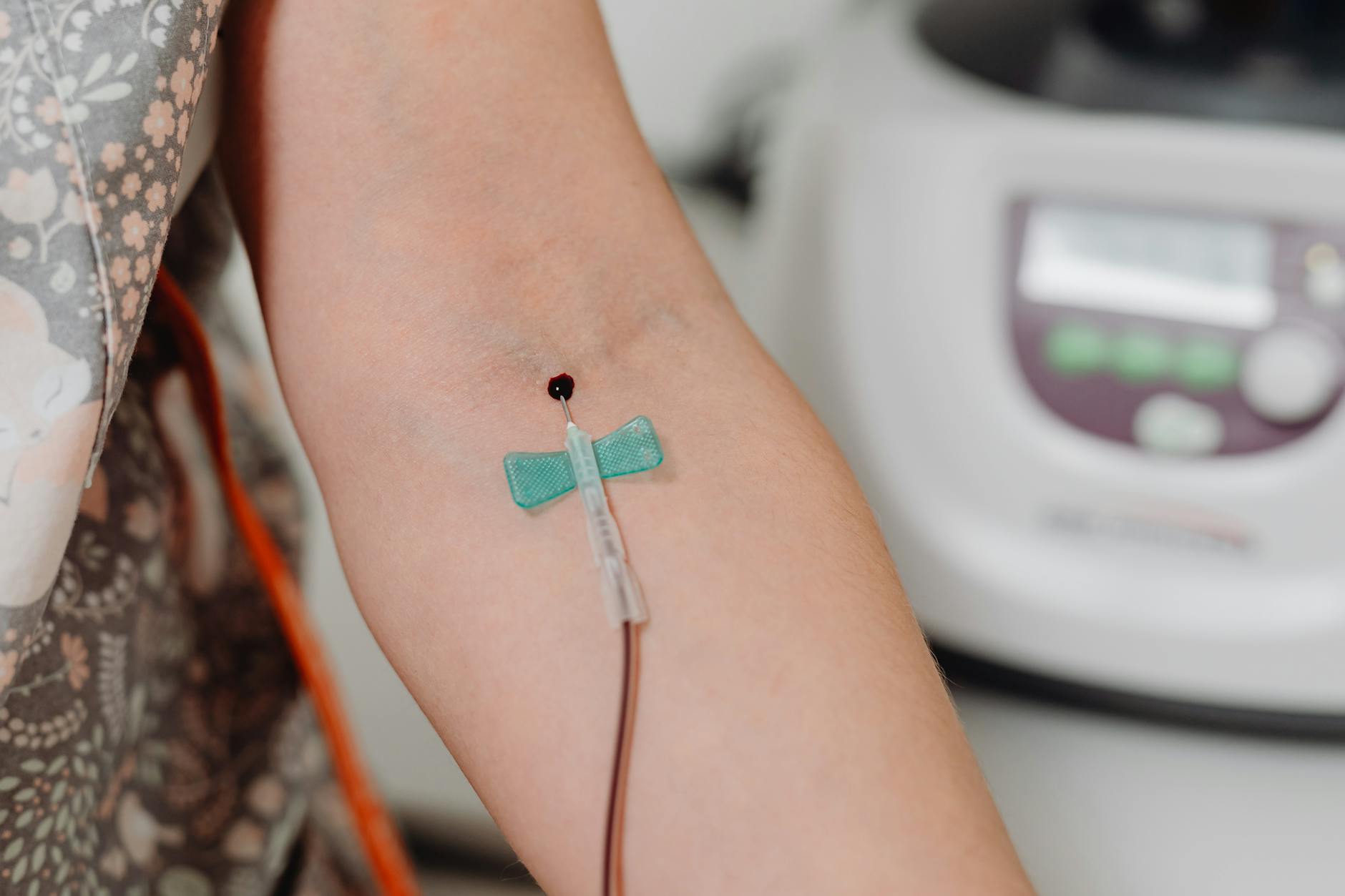
Blood-based biomarkers work by identifying physical evidence of disease processes already underway in the brain. Specifically, researchers can now detect abnormal accumulation of amyloid-beta and tau proteins—the hallmark pathological features of Alzheimer’s—through a simple finger-prick or arm blood draw. This is revolutionary because these proteins begin accumulating in the brain 10 to 20 years before any memory problems occur. A person can be completely cognitively normal, score perfectly on cognitive tests, and still have a positive biomarker indicating that the pathological cascade has begun. What makes this evidence so compelling is the scale of validation. These aren’t small, preliminary studies.
Major clinical trials have now confirmed that people with positive biomarkers but no symptoms show brain imaging changes consistent with Alzheimer’s pathology. The evidence has moved from laboratory curiosity to clinical reality. For someone with genetic risk factors—carrying the APOE4 gene, having a parent with dementia, or showing early-stage amyloid accumulation—biomarker testing now offers clarity that wasn’t available five years ago. Instead of living with uncertainty for years, at-risk individuals can now know their actual biological status. However, there’s an important limitation: having positive biomarkers does not mean someone will definitely develop dementia. Some people with significant amyloid accumulation never develop symptoms during their lifetime, suggesting that brain resilience, cognitive reserve, and other protective factors play substantial roles. This is why biomarker evidence is most powerful when combined with lifestyle assessment, genetic testing, and cognitive monitoring rather than used in isolation.
The Paradigm Shift From Symptom Recognition to Prevention
For most of medical history, neurologists waited for the disease to declare itself through obvious symptoms. A patient would experience memory lapses, get lost in familiar places, or show personality changes. Then doctors would perform testing. But by this point, irreversible damage had accumulated. brain atrophy was visible on imaging. Cognitive decline was measurable. The patient had already entered the clinical disease phase. The new diagnostic evidence changes this trajectory entirely.
If someone tests positive for Alzheimer’s biomarkers years before symptoms would appear, physicians now have years of opportunity to intervene. This might include specific medications designed to slow amyloid accumulation, intensive cognitive and physical exercise programs, dietary modifications, cardiovascular risk factor management, or cognitive training. The treatment window dramatically expands. Early-stage interventions, previously tested on people already experiencing symptoms, might prove much more effective in truly presymptomatic individuals where less neuronal damage exists. A critical limitation, though: this shift from symptom-based to biomarker-based diagnosis requires vigilance about false positives and overdiagnosis. Not everyone with biomarker evidence will ever become symptomatic. Widespread screening could identify millions of “patients” who might live healthy, symptom-free lives. This raises questions about the psychological burden of knowing you have preclinical disease, the costs of long-term monitoring and preventive treatment, and whether healthcare systems are ready to support presymptomatic interventions at scale. The evidence is powerful, but the medical and ethical questions are genuinely complex.
Digital Cognitive Tools and Advanced Imaging Complete the Picture
The diagnostic revolution extends beyond blood tests. Digital cognitive assessment tools—computer-based tests measuring reaction time, memory encoding, processing speed, and other brain functions—have become sophisticated enough to detect subtle cognitive changes that might not be apparent on traditional office-based cognitive screening. These tools can measure performance consistently, sensitively, and repeatedly, capturing gradual decline that traditional methods might miss over short timeframes. Combined with advanced imaging—positron emission tomography (PET) scans showing amyloid and tau deposition, and structural MRI revealing early hippocampal atrophy—physicians now have multiple lines of evidence pointing toward Alzheimer’s pathology long before symptoms emerge. If blood biomarkers suggest early pathology, digital cognitive testing shows subtle slowing in processing speed, and PET imaging confirms amyloid accumulation in the brain, the diagnostic picture becomes very clear.
No single test is required to diagnose; instead, convergent evidence from multiple modalities confirms the disease process. The practical application looks like this: a 62-year-old with a mother who had Alzheimer’s gets a simple blood test at her annual physical. Results show elevated phosphorylated tau. She then undergoes digital cognitive assessment and PET imaging, both confirming early pathology despite completely normal memory function. This person can now begin intensive prevention strategies with the knowledge that she’s in the preclinical disease phase. Without this evidence, she would have spent the next 5-10 years uncertain whether her occasional forgetfulness represented early disease or normal aging, possibly missing the critical window for preventive intervention.

What This Means for High-Risk Populations and Family Planning
For families carrying genetic predisposition to Alzheimer’s—particularly those with multiple relatives diagnosed with dementia—the new diagnostic evidence offers unprecedented information. Genetic testing can identify APOE4 carriers. Blood biomarkers can reveal whether the gene is being expressed as pathological accumulation. Digital testing can track cognitive stability over time. Together, these tools provide high-risk individuals and their families with actionable information they’ve never had before. This enables informed decisions about prevention. Someone discovering presymptomatic Alzheimer’s pathology at age 55 might choose intensive cognitive engagement, structured exercise programs, Mediterranean diet adherence, cardiovascular risk management, and cognitive training—potentially delaying or preventing symptom onset by years. They might alter career decisions, plan for long-term care earlier than expected, or adjust family expectations about future caregiving.
The early evidence doesn’t change what will happen, necessarily, but it transforms uncertainty into information, enabling proactive rather than reactive planning. The tradeoff, though, is significant. Not everyone wants to know their presymptomatic disease status. Some people find predictive knowledge psychologically burdensome. Others worry about discrimination in employment or insurance contexts. While genetic discrimination laws protect people from certain workplace and insurance contexts, social stigma remains real. Additionally, starting preventive treatments 10 years before symptoms would otherwise appear means years of medication costs, lifestyle modification intensity, and ongoing medical monitoring. The evidence supports these interventions, but individuals must weigh the benefits of early intervention against the lifestyle and financial costs of long-term preventive treatment.
Limitations of Current Evidence and Ongoing Questions
It’s critical to acknowledge what these diagnostic advances don’t yet show: we don’t have perfect predictive accuracy. Some people with concerning biomarkers never develop dementia. Others with only modest biomarker abnormalities progress relatively quickly. Brain resilience, cognitive reserve built through education and mental activity, physical fitness, social engagement, cardiovascular health, and possibly genetic factors we haven’t identified yet all influence whether someone with pathological changes ever becomes clinically symptomatic. Biomarkers show disease process but not destiny. Additionally, the long-term effectiveness of presymptomatic interventions remains partly uncertain.
Some medications have shown modest slowing of cognitive decline in early symptomatic disease, but whether the same drugs are as effective in truly presymptomatic individuals—where brain pathology is less extensive—requires ongoing study. Larger clinical trials throughout 2026 are specifically testing how biomarkers and aging clocks respond to various interventions, providing data on whether observed changes translate to real clinical benefit. We’re in the early stages of understanding what presymptomatic treatment actually accomplishes. There’s also the complication that not all cognitive decline involves Alzheimer’s pathology. Vascular contributions, Lewy body disease, frontotemporal degeneration, and other mechanisms cause dementia in significant percentages of people. Biomarkers for these conditions are emerging but less developed than Alzheimer’s markers. Someone with cognitive concerns but negative Alzheimer’s biomarkers isn’t automatically spared from dementia; they might be developing a different pathological process that requires different diagnostic approaches and interventions.

Parallel Advances in Other Diagnostic Areas
The diagnostic revolution extends far beyond neurodegenerative disease. The international Ehlers-Danlos Society has just completed the first comprehensive update to diagnostic criteria for Ehlers-Danlos syndromes and hypermobility spectrum disorders since 2017. This represents decades of accumulated scientific evidence and clinical experience being integrated into clearer, more accurate diagnostic standards. This matters for brain and nervous system health because Ehlers-Danlos, particularly the vascular and neurological types, directly affects brain and spinal cord function.
Better diagnostic criteria means more people will receive accurate diagnosis earlier, improving management and preventing complications. Similarly, researchers have now developed blood tests that can detect approximately 50 types of cancer in asymptomatic individuals—cancers that haven’t yet produced symptoms or visible tumors. This advance in oncology mirrors the shift happening in neurology: moving from symptomatic diagnosis to presymptomatic detection. While cancer screening and dementia diagnosis serve different biological systems, the underlying scientific principle is identical—identifying disease processes through biomarkers before symptoms announce the disease’s presence. This broader diagnostic revolution across multiple medical specialties demonstrates that the shift toward earlier, biomarker-based detection represents fundamental progress in medicine generally.
The Future of Diagnosis and Prevention
We’re at an inflection point in medical history. The evidence from 2025 and early 2026 confirms what researchers have theorized for decades: disease processes begin long before symptoms emerge, and we now have tools to detect these early processes. Over the coming years, these diagnostic approaches will shift from research and specialty clinic use into broader clinical practice and routine screening. This will reshape how we think about brain health and disease prevention.
Instead of waiting for cognitive symptoms to appear, preventive medicine will increasingly identify at-risk individuals through biomarkers and genetic screening, then offer interventions designed to delay or prevent symptom onset. Some of these interventions will involve medication, but many will emphasize modifiable lifestyle factors—cognitive engagement, physical exercise, cardiovascular health, sleep quality, social connection, and cognitive reserve building through education and mentally demanding activities. The evidence shows that these non-pharmaceutical factors matter substantially, especially in people with early pathological changes but normal cognition. This moves dementia prevention from the realm of specialists into the world of public health and personal lifestyle management.
Conclusion
The new evidence revealing earlier diagnosis of Alzheimer’s disease and other conditions represents a fundamental transformation in how we approach brain health and disease. Blood biomarkers, digital cognitive tools, advanced imaging, and updated diagnostic criteria now enable detection of disease processes years before symptoms appear—creating unprecedented opportunities for prevention and early intervention. For families with genetic risk factors or concerns about cognitive decline, this evidence offers both hope and actionable information that simply didn’t exist five years ago.
The next steps are personal and medical in nature. If you have family history of dementia, carry known risk factors, or have unexplained cognitive concerns, these advances mean you can now access biomarker testing and comprehensive evaluation that can clarify your actual disease status rather than living with uncertainty. Work with your physician to determine whether presymptomatic screening makes sense for your individual situation, what positive results would mean for your health planning, and what preventive strategies might be appropriate. The evidence is powerful, but it’s most valuable when combined with informed medical guidance tailored to your specific circumstances and preferences.
You Might Also Like
- Scientists Reveal New Approach That Could Change Treatment
- Scientists Reveal New Treatment Pathway
- Scientists Reveal New Target for Alzheimer’s Drug Development
For more, see National Institute on Aging.