Reviewed by the Help Dementia Editorial Team — our editors review every article for accuracy against guidance from the National Institute on Aging, the Alzheimer’s Association, and peer-reviewed sources.
Yes, there is genuine hope emerging for Alzheimer’s patients. For decades, researchers have pursued treatments that could merely slow cognitive decline, but recent breakthroughs have demonstrated something more remarkable: disease reversal in advanced stages. In a groundbreaking study from Case Western Reserve University, mice with advanced Alzheimer’s disease achieved full neurological recovery when treated with a compound called P7C3-A20, marking the first time scientists have successfully reversed—not just prevented or slowed—cognitive function loss in advanced cases. This shift from disease management to disease reversal signals a fundamental turning point in how the medical community approaches Alzheimer’s treatment. The momentum is accelerating across multiple research fronts.
Harvard researchers have identified lithium depletion as one of the earliest biological changes in Alzheimer’s disease and have developed a novel compound that prevented and reversed both pathology and memory loss in animal models. Meanwhile, the FDA has approved new treatments specifically designed to clear the toxic amyloid-beta proteins that accumulate in Alzheimer’s brains, and the clinical trial pipeline has expanded dramatically. As of January 2025, 138 different drugs are being assessed in 182 clinical trials—a significantly larger pipeline than the previous year—with 73% of these drugs targeting the underlying biology of the disease rather than just managing symptoms. For patients and families navigating an Alzheimer’s diagnosis, this represents a meaningful change in what’s possible. The question is no longer whether researchers can slow decline, but rather how quickly these promising discoveries can move from laboratories into clinical practice.
Table of Contents
- Can Alzheimer’s Disease Actually Be Reversed?
- FDA-Approved Treatments and Current Clinical Options
- The Expanding Clinical Trial Pipeline and Research Momentum
- Early Detection and Prevention—A New Era in Alzheimer’s Approach
- Advanced Therapeutic Approaches on the Horizon
- Real-World Impact—What These Advances Mean for Patients and Families
- The Path Forward—From Laboratory Discovery to Patient Treatment
- Conclusion
Can Alzheimer’s Disease Actually Be Reversed?
For nearly a century, the prevailing assumption in neurology was that Alzheimer’s damage was irreversible—that once amyloid plaques and tau tangles accumulated in the brain, cognitive loss was permanent. The CWRU study fundamentally challenged that assumption. Mice that had developed severe cognitive impairment, memory loss, and behavioral changes associated with advanced Alzheimer’s-like disease regained full cognitive function when treated with P7C3-A20, a compound that works by restoring NAD+ (nicotinamide adenine dinucleotide), a critical molecule depleted in Alzheimer’s brains. This wasn’t a modest improvement; the treated mice performed as well on cognitive tests as healthy controls, suggesting their brains had genuinely recovered functional capacity. The Harvard research on lithium offers a different pathway to similar results.
By identifying that lithium depletion occurs early in Alzheimer’s development, researchers created a novel compound that not only prevented the disease from developing but also reversed existing pathology and memory loss in mouse models. These aren’t isolated laboratory findings—they represent different mechanisms through which neurological recovery appears achievable, suggesting that Alzheimer’s may be treatable at multiple biological checkpoints. However, there’s an important caveat: these results are from animal models, not yet from human trials. Compounds that work perfectly in mice sometimes fail or behave differently in human brains, which are vastly more complex. The question now is how quickly and effectively these approaches will translate to clinical use in patients. Researchers emphasize that while reversibility has been demonstrated, the path from mouse models to human treatment timelines remains uncertain.

FDA-Approved Treatments and Current Clinical Options
The regulatory landscape shifted significantly in 2023 and 2024 with the FDA approval of new disease-modifying treatments. Leqembi (lecanemab), which works by clearing amyloid-beta from the brain, became the first treatment shown to slow cognitive decline in early-stage Alzheimer’s disease at 18 months. What makes this particularly significant is that the FDA has now approved an at-home injectable form, removing the barrier of requiring patients to travel to clinics for treatment and making it more accessible to people in rural areas or those with mobility limitations. Kisunla (donanemab), another amyloid-targeting drug, was also approved by the FDA and represents a refinement in how these drugs are designed and administered. Both Leqembi and Kisunla target the underlying pathology of Alzheimer’s—the accumulation of amyloid-beta—rather than just masking symptoms.
The Mayo Clinic notes that the FDA is expected to make a decision by May 2026 on whether to approve starter doses of these treatments for home administration, which would further expand access. The limitation of current FDA-approved treatments is important to understand: they work best in early stages of the disease and offer slowing, not reversal. A person might see a slowing of cognitive decline from, say, a 35% annual decline to perhaps a 25% annual decline—meaningful, but not a cure. These treatments also require regular infusions or injections and monitoring for side effects. They represent progress, but not the complete solution that the emerging research suggests may become possible.
The Expanding Clinical Trial Pipeline and Research Momentum
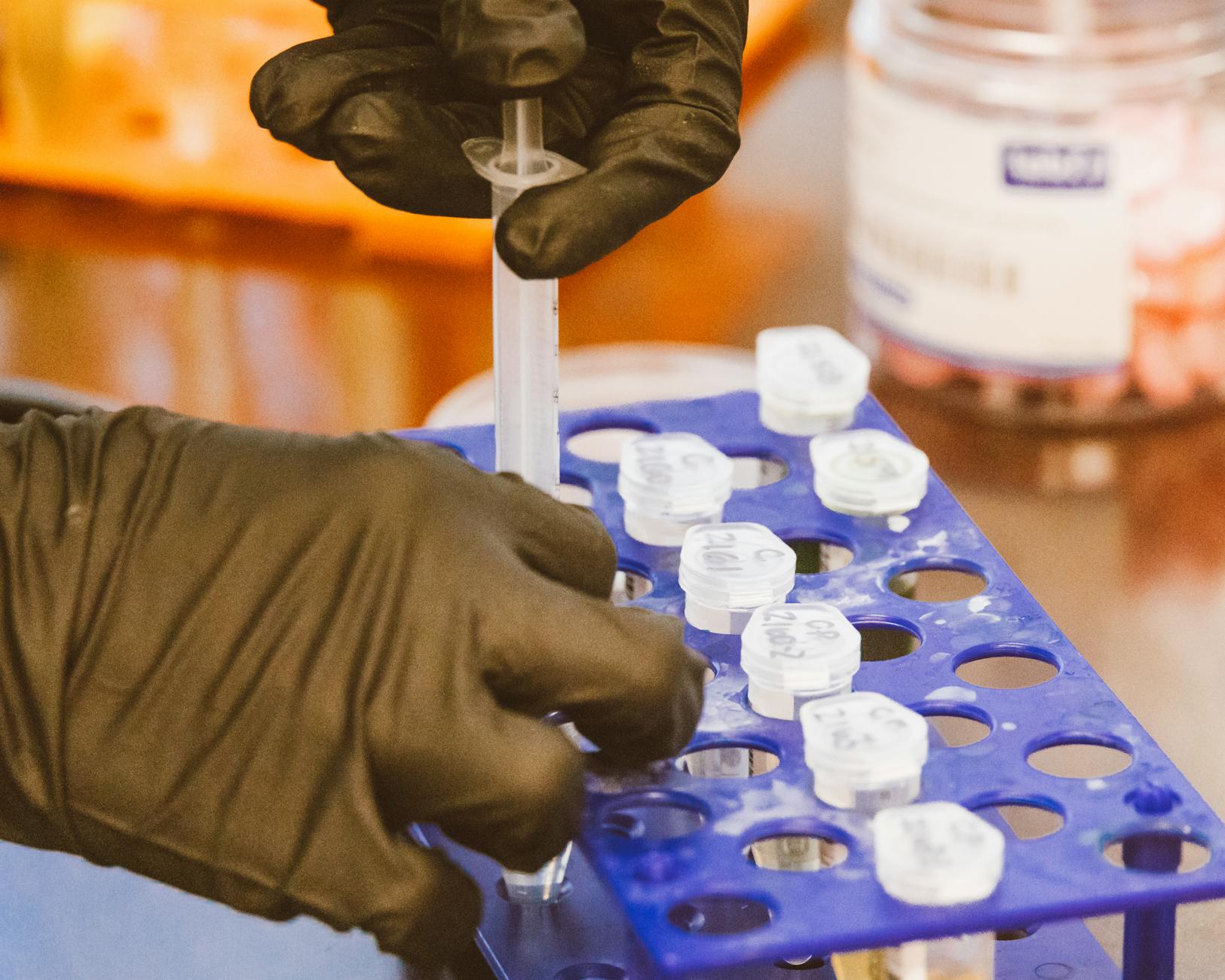
The sheer scale of research activity now underway is striking. The 2026 Alzheimer’s Disease Facts and Figures reported 138 drugs in 182 clinical trials as of January 2025, with 73% of these drugs targeting the underlying disease biology rather than just symptom management. This represents a significant shift in research strategy—moving away from symptomatic treatments (which typically only address cognitive or behavioral symptoms) toward disease-modifying approaches that aim to slow, stop, or reverse the pathological processes. The AHEAD Study stands out as a particularly important trial. For the first time, researchers are testing Leqembi in asymptomatic people who have biomarker evidence of Alzheimer’s pathology but no cognitive symptoms yet.
The goal is disease prevention—intervening before symptoms even appear. If this approach succeeds, it could transform Alzheimer’s from a disease you treat after diagnosis to one you prevent entirely in high-risk individuals. Additional trials are examining other approaches: Trontinemab is a next-generation amyloid-targeting drug advancing to Phase III trials, and gene therapy approaches using Brain-Derived Neurotrophic Factor are entering human trials for the first time, aiming to slow or prevent neuron loss. One important consideration is that expanded clinical trials increase access for some patients but also mean that many experimental treatments may not ultimately prove effective. Not all 138 drugs in trials will reach approval, and many may show promise in animal models but fail when tested in humans. Patients interested in joining trials should understand both the potential benefits and the uncertainty involved.
Early Detection and Prevention—A New Era in Alzheimer’s Approach
Perhaps as significant as any single drug is the transformation in how Alzheimer’s can be detected. Blood-based biomarkers can now identify Alzheimer’s pathology years—sometimes decades—before symptoms appear. These simple blood tests measure proteins like phosphorylated tau and amyloid-beta that accumulate in Alzheimer’s disease, offering an inexpensive and non-invasive way to identify people at risk. Digital cognitive tools can also detect subtle changes in memory and processing speed that precede obvious symptoms, and advanced imaging techniques like PET scans can visualize the accumulation of pathological proteins in the brain. The Alzheimer’s Association notes that this represents a fundamental shift toward an “early detection and prevention” era.
Instead of diagnosing Alzheimer’s after a person has experienced months or years of noticeable cognitive decline, doctors can now identify pathological changes in asymptomatic individuals. For people with a family history of Alzheimer’s or genetic risk factors, this capability means there’s a window of opportunity to intervene—potentially with disease-modifying treatments—before symptoms devastate memory and function. The tradeoff is that early biomarker detection can create anxiety for people who test positive but remain asymptomatic. A positive blood test for amyloid-beta doesn’t mean a person will definitely develop Alzheimer’s—some people maintain asymptomatic amyloid positivity for years or even decades. Additionally, the cost of biomarker testing and the availability of preventive treatments vary geographically, potentially creating disparities in who has access to early detection and prevention.
Advanced Therapeutic Approaches on the Horizon
Beyond amyloid targeting, researchers are pursuing diverse mechanisms to treat Alzheimer’s. Saracatinib, a cancer drug originally developed to target a different disease, is being tested in human Alzheimer’s trials based on evidence that it affects proteins implicated in neurological damage. Gene therapy approaches using Brain-Derived Neurotrophic Factor (BDNF) are entering first-in-human trials, with the theory that BDNF can support neuron survival and slow the loss of brain cells. These approaches represent fundamentally different strategies than amyloid clearing and suggest that Alzheimer’s pathology can be interrupted at multiple biological targets. The diversity of approaches in the pipeline is important because Alzheimer’s disease likely isn’t a single disorder but rather a collection of related conditions with different underlying mechanisms.
A person whose Alzheimer’s is driven primarily by amyloid-beta accumulation might respond differently than someone whose disease is driven by tau pathology, neuroinflammation, or metabolic dysfunction. As more targeted treatments become available, precision medicine approaches—matching specific treatments to specific disease mechanisms in individual patients—may become increasingly important. A significant warning: experimental drugs sometimes show promise in early trials but fail in larger Phase III trials or reveal unexpected side effects. Some compounds that work well in young animals with artificially induced disease may behave very differently in elderly humans with years of brain pathology. Patients participating in experimental trials should carefully discuss both potential benefits and risks with their care team, and should not delay proven treatments in hopes of accessing experimental options.

Real-World Impact—What These Advances Mean for Patients and Families
The practical impact of these advances is visible in how patients and families now approach Alzheimer’s diagnosis. A 65-year-old diagnosed with early-stage Alzheimer’s today has options that didn’t exist five years ago. They can access Leqembi or Kisunla as disease-modifying treatments, can take blood tests to identify whether their cognitive symptoms are driven by Alzheimer’s pathology, and increasingly can participate in prevention trials if they have biomarker evidence of disease but no symptoms.
For someone with a parent or sibling who developed Alzheimer’s in their 60s, preventive treatments in asymptomatic stages may become available within the next few years. For family members and caregivers, these advances also change the conversation. Instead of focusing entirely on symptom management and care planning after diagnosis, discussions can now include disease prevention, early detection, and potentially disease-modifying treatment. The burden of Alzheimer’s caregiving remains substantial, but the possibility of slowing, halting, or reversing disease progression offers a fundamentally different outlook than the inevitable cognitive decline that characterized the disease for decades.
The Path Forward—From Laboratory Discovery to Patient Treatment
The research institutions leading this work—Harvard University, Case Western Reserve University, UCSD, UCSF, Indiana University, and others—are now coordinating in ways that accelerate translation from discovery to treatment. The unprecedented size of the clinical trial pipeline (182 trials, up from smaller numbers in previous years) suggests that the field has reached a critical mass of promising approaches. This doesn’t mean a cure is imminent, but it does indicate that the trajectory is shifting from incremental improvements in symptom management toward meaningful disease modification.
One realistic assessment: within the next 5-10 years, it’s likely that early-stage Alzheimer’s disease will be substantially more treatable than it is today, potentially with combinations of treatments targeting different biological mechanisms. Prevention in asymptomatic high-risk individuals may become a standard medical practice. Advanced Alzheimer’s disease remains more challenging, though the CWRU reversal research suggests that even that territory may become addressable with new approaches. The emerging hope is not that Alzheimer’s will disappear, but that it will shift from an inevitable disease of decline to one that can be managed, halted, or potentially reversed—much as many cancers have become more manageable with precision medicine approaches.
Conclusion
The recent breakthroughs in Alzheimer’s research represent a genuine inflection point. The demonstration of disease reversal in advanced Alzheimer’s models, the approval of new disease-modifying treatments, the identification of preventive mechanisms like lithium restoration, and the dramatic expansion of the clinical trial pipeline all point in the same direction: Alzheimer’s is becoming a treatable disease. For patients and families facing this diagnosis, that represents a meaningful shift in what’s possible.
The path forward requires realistic expectations. Current FDA-approved treatments slow rather than reverse disease, access to prevention trials remains limited to specific populations, and many experimental approaches are still years away from clinical availability. However, the combination of animal model successes, human clinical trials, and mechanistic insights into how Alzheimer’s develops now provides multiple potential pathways to meaningful treatment. Anyone with a diagnosis of Alzheimer’s, a family history of cognitive decline, or concerns about memory should discuss screening and treatment options with their healthcare provider, as the landscape has changed significantly and will likely continue to evolve in the coming years.