Reviewed by the Help Dementia Editorial Team — our editors review every article for accuracy against guidance from the National Institute on Aging, the Alzheimer’s Association, and peer-reviewed sources.
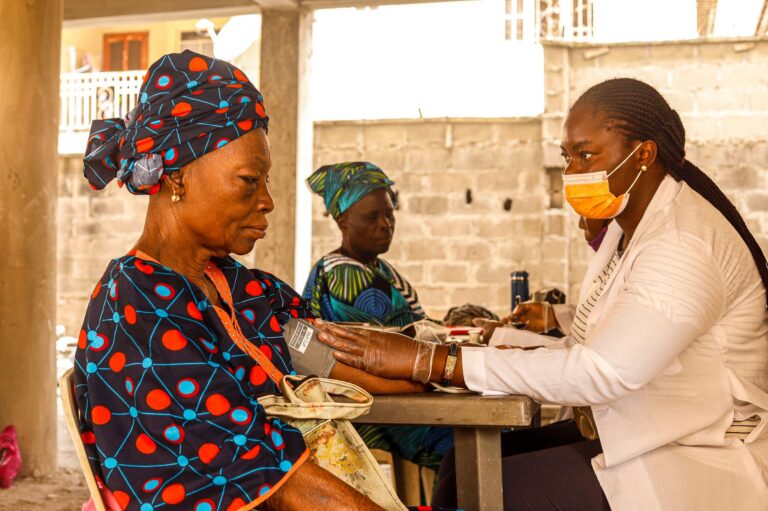
Monitoring stands as one of the most powerful yet often underestimated tools in healthcare—particularly in dementia care, where early detection of cognitive and behavioral changes can fundamentally alter the course of treatment and quality of life. The importance of monitoring extends far beyond dementia, appearing across nearly every medical field where outcomes matter. From tracking circulating tumor DNA in cancer patients to monitoring radiation exposure in diagnostic imaging, consistent observation and measurement of key markers prevent serious incidents and enable interventions before conditions reach critical stages. In dementia care specifically, monitoring cognitive function, behavioral patterns, medication effects, and physical health metrics allows caregivers and clinicians to catch problems early when they’re most treatable.
The principle is straightforward: you cannot manage what you don’t measure. Recent clinical research underscores this across multiple medical domains. At the 2026 American Association for Cancer Research conference, researchers presented evidence showing that ultrasensitive circulating tumor DNA monitoring provides meaningful therapy tracking for cancer patients. Similarly, the European Congress of Radiology highlighted comprehensive monitoring of radiation exposure as essential to preventing serious incidents. These findings reflect a broader healthcare truth: systematic monitoring of key health indicators, whether molecular markers, vital signs, or cognitive scores, represents the difference between proactive care and reactive crisis management.
Table of Contents
- Why Consistent Health Monitoring Makes a Real Difference
- The Hidden Cost of Inadequate Monitoring
- Technology’s Role in Making Monitoring Feasible
- Designing a Monitoring System That Actually Works
- Common Pitfalls That Undermine Monitoring Efforts
- Advanced Monitoring in Complex Dementia Cases
- The Future of Monitoring in Dementia Care
- Conclusion
Why Consistent Health Monitoring Makes a Real Difference
The evidence supporting monitoring comes from multiple medical specialties, each demonstrating the same core principle: continuous observation prevents worse outcomes. In oncology, researchers have found that monitoring minimal residual disease and variant allele frequency dynamics significantly improves management decisions for patients with colorectal liver metastases. Rather than waiting for symptoms or imaging to reveal disease progression, these blood-based markers provide earlier warning signs that allow physicians to adjust treatment before tumors advance further.
In dementia care, the equivalent monitoring targets different markers—cognitive test scores, functional abilities, behavioral changes, and medical complications—but the underlying principle remains identical. A caregiver who tracks a loved one’s daily confusion patterns, sleep disruptions, or medication responses gains critical insight into what’s working and what needs adjustment. This could mean catching a urinary tract infection before it triggers severe delirium, noticing that a medication dose is too high before falls occur, or identifying that a care environment change has caused distress. Small interventions made possible by consistent monitoring often prevent cascade effects that lead to hospitalizations, injuries, or crisis situations.
The Hidden Cost of Inadequate Monitoring
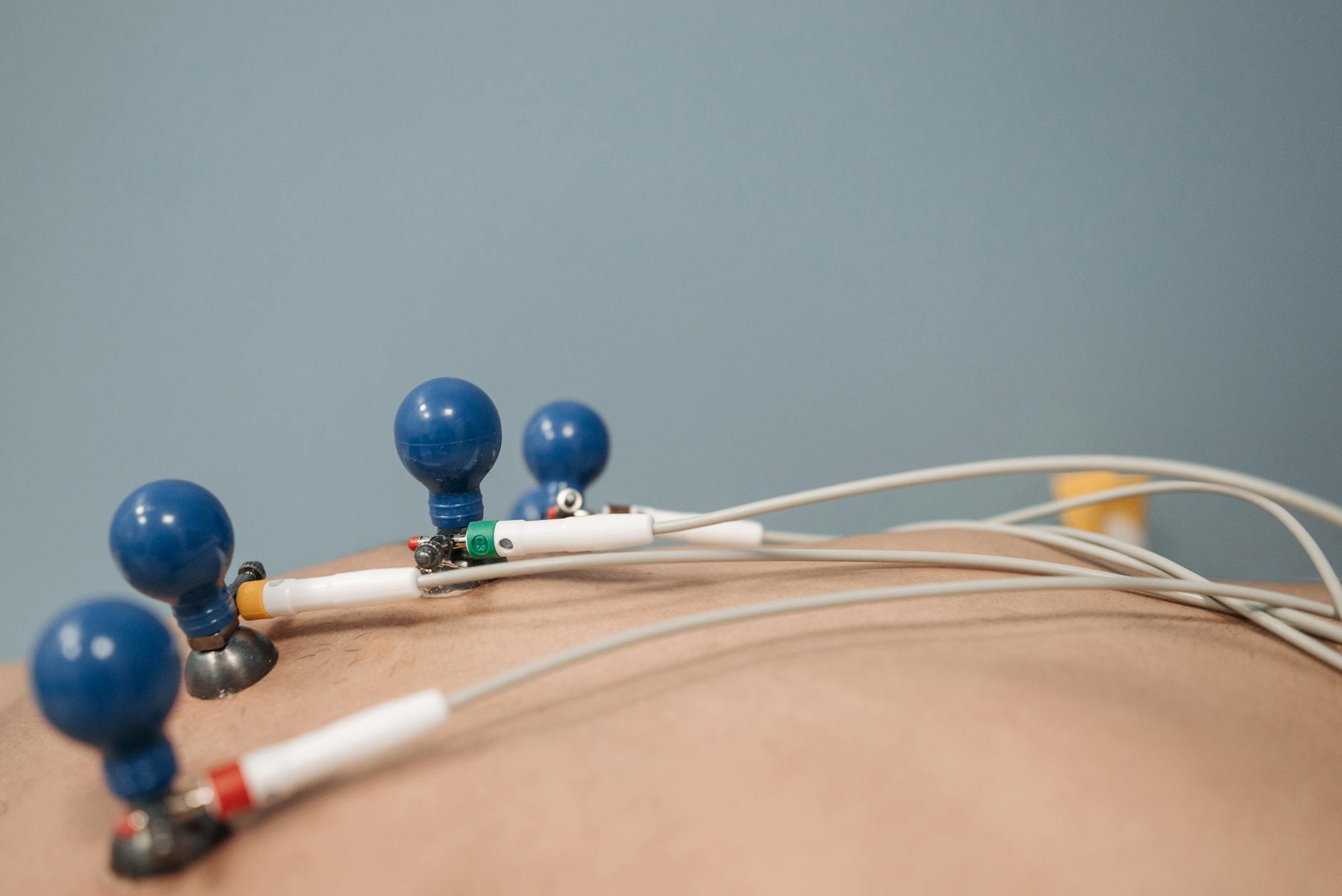
When monitoring fails—either in large systems or individual care settings—the consequences accumulate rapidly. In the corporate world, global 2000 companies lose nearly $400 billion annually due to downtime, representing approximately 9% of their total profits. This stunning figure underscores how inadequate monitoring of system health creates massive cascading problems. While the numbers in dementia care aren’t measured in corporate dollars, the human costs are equally serious: a fall that could have been prevented through mobility monitoring, a medication error that alert monitoring would have caught, or a behavioral crisis that earlier cognitive assessment would have identified.
The gap often emerges not from lack of knowledge about what to monitor, but from inconsistent or incomplete tracking. A caregiver might notice one instance of wandering behavior but not systematically record enough episodes to recognize an escalating pattern. A physician might check blood pressure at one appointment but not maintain the regular tracking needed to catch gradual elevation. A family might not document subtle memory changes until a significant event forces emergency intervention. Effective monitoring requires moving from occasional observations to systematic, consistent measurement—which demands both tools (whether simple logs or sophisticated technology) and discipline to maintain the practice even when immediate problems aren’t visible.
Technology’s Role in Making Monitoring Feasible
Modern monitoring technology has transformed what’s practically achievable in healthcare. Just as ultrasensitive blood tests can now detect circulating tumor DNA that was invisible a decade ago, new tools are emerging for dementia care monitoring. These range from simple smartphone apps that family members use to track behavioral and cognitive changes, to wearable devices that monitor fall risk through movement patterns and balance assessment, to home monitoring systems that detect safety concerns like prolonged periods of immobility or nighttime wandering. The 2026 European Congress of Radiology presentations emphasized how systematic monitoring of radiation exposure in diagnostic imaging, implemented through careful protocols and consistent documentation, prevents serious incidents through maintaining a strong safety culture.
Similarly, technology in dementia monitoring works best not as a substitute for human judgment, but as a tool that supports systematic tracking. A device that alerts when someone hasn’t moved for several hours prompts caregiver intervention. A cognitive app used monthly creates a measurable trend line instead of vague impressions. A medication adherence monitor prevents accidental double-dosing. These tools make monitoring practical and continuous rather than episodic, multiplying the value of caregiver attention.
Designing a Monitoring System That Actually Works
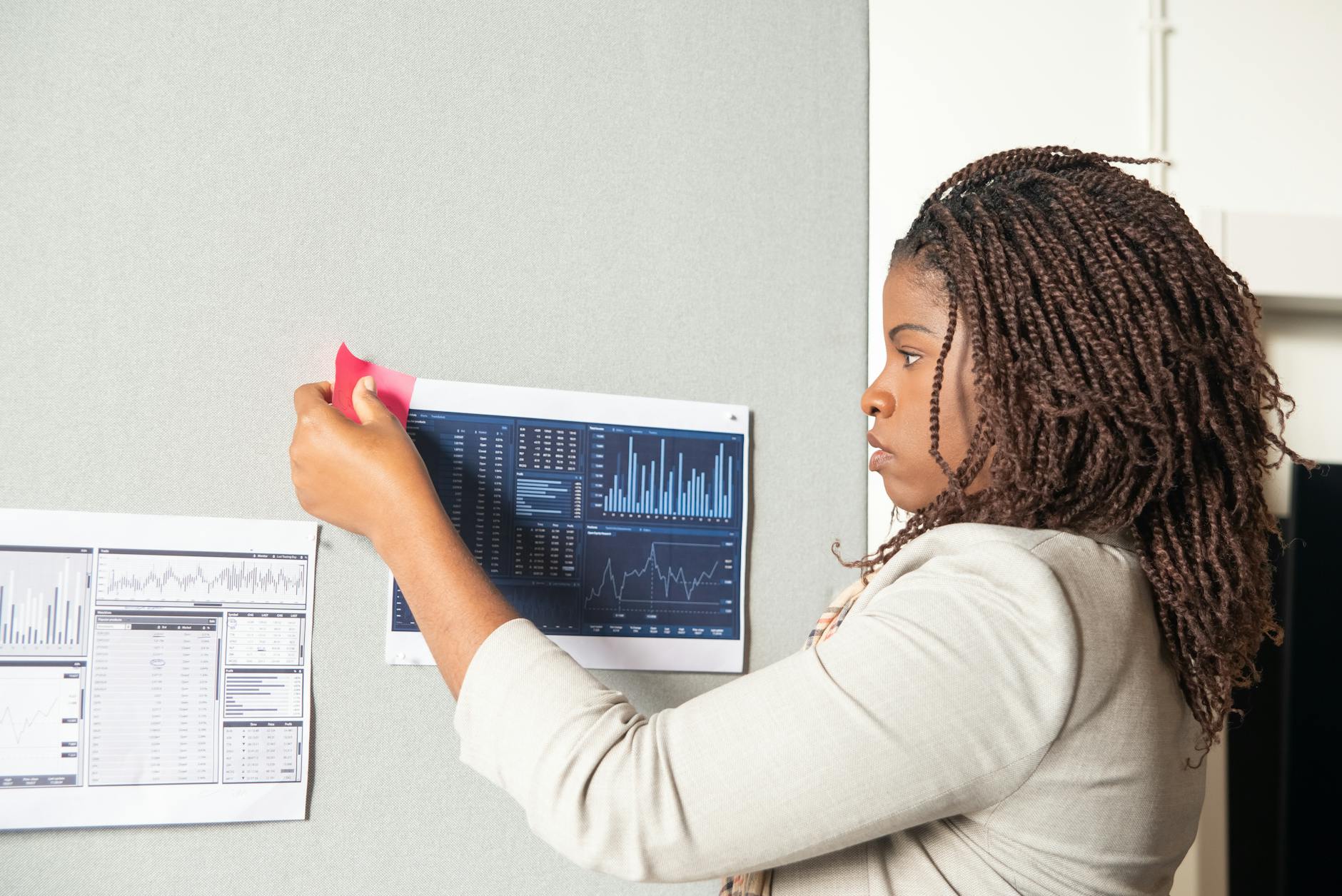
Creating an effective monitoring system requires moving beyond simply knowing what to track—it demands actually implementing consistent measurement over time. In practice, this means identifying the specific health markers most relevant to an individual’s condition (for one person this might be sleep quality and medication timing; for another, daily confusion episodes and appetite changes), selecting measurement methods that fit realistically into daily life, and establishing routines that make monitoring automatic rather than another task that gets forgotten. The distinction between monitoring and obsessive tracking is important.
Monitoring a few key metrics consistently provides more actionable information than trying to measure dozens of variables sporadically. Someone might track a dementia patient’s orientation questions at the same time each morning (a one-minute assessment that provides meaningful trend data), combined with a simple weekly behavioral log. This focused approach generates data that patterns emerge from—patterns that reveal whether medications are working, whether a care environment needs adjustment, or whether cognitive decline is accelerating. Comparing this systematic approach to unmeasured impressions reveals the gap: “He seems more confused lately” is much less useful for clinical decision-making than “Morning orientation questions went from 4/10 correct three months ago to 2/10 correct now.”.
Common Pitfalls That Undermine Monitoring Efforts
Even when caregivers understand monitoring’s importance, several predictable problems can undermine the effort. The first is what might be called “monitoring fatigue”—starting with detailed tracking that gradually becomes inconsistent as initial motivation fades. A family might meticulously log meals and behaviors for two months, then skip weeks of entries, making it impossible to recognize gradual changes. The solution isn’t more dedication but smarter system design: fewer metrics tracked consistently beats exhaustive tracking that peters out. A second pitfall is collecting data without using it.
Monitoring only matters if the information actually influences decisions—whether that’s adjusting medications, modifying the environment, or seeking additional medical evaluation. Some caregivers dutifully maintain logs that never get reviewed by the care team, or that are reviewed but don’t drive any changes. This disconnect converts monitoring from a useful tool into busywork. Effective monitoring systems build in regular review points—monthly conversations with physicians about what the data shows, quarterly family meetings to discuss patterns, or weekly check-ins if changes suggest intervention is needed. The data only justifies the effort if it actually guides care decisions.

Advanced Monitoring in Complex Dementia Cases
As dementia progresses or complications emerge, monitoring becomes more sophisticated. In advanced stages, tracking becomes less about cognitive testing and more about comfort, safety, and quality of life indicators—frequency of pain indicators, swallowing safety, skin integrity, and social engagement moments. Research into cancer patients with metastatic disease has demonstrated that monitoring multiple biological markers simultaneously—assessing therapy response through several different measurements—provides more complete information than single metrics alone.
Similarly, complex dementia cases benefit from multi-dimensional monitoring. Someone with dementia complicated by diabetes requires tracking cognitive status, blood sugar patterns, medication interactions, and behavioral changes simultaneously. The specific monitoring markers change as the disease evolves, but the principle remains: systematic observation of the most relevant health indicators prevents complications that could cascade into crises. This requires coordination between the dementia care team, medical specialists, and family members—essentially, everyone who has relevant observations feeds into a shared understanding of the person’s current status and trends.
The Future of Monitoring in Dementia Care
Looking forward, monitoring technology will likely become increasingly sophisticated and accessible. Just as planetary defense now involves systematic monitoring of near-Earth objects to assess risks and prepare response strategies, dementia care is moving toward more comprehensive, proactive monitoring systems that flag concerning changes early. Emerging research into blood biomarkers for dementia (similar to the circulating tumor DNA tracking used in cancer) may eventually enable detection of cognitive decline at earlier, more treatable stages than clinical symptoms alone would reveal. The underlying lesson extends beyond technology: monitoring represents a fundamental shift from waiting for problems to develop toward actively observing for early signs of change.
This approach has proven itself across multiple fields—cancer care, radiation safety, equipment maintenance, and now increasingly in dementia management. The question isn’t whether monitoring matters. The evidence is clear. The practical challenge for families and caregivers is implementing monitoring systems that are simple enough to sustain, focused enough to be meaningful, and connected enough to actually influence care decisions.
Conclusion
Monitoring transforms dementia care from reactive crisis management to proactive health optimization. By consistently tracking the health metrics most relevant to an individual’s situation—whether cognitive, behavioral, medical, or safety-related—families and caregivers gain the information needed to make better treatment decisions, catch complications before they become emergencies, and maintain quality of life as the disease progresses. The research supports this across every medical field: monitoring prevents worse outcomes.
The practical path forward is straightforward: identify the few key metrics that matter most for the person in your care, establish a consistent, sustainable tracking method, and review the data regularly with the medical team to ensure that information becomes action. Monitoring works not because it’s complicated, but because it creates visible patterns from invisible changes. Those patterns, reviewed regularly and acted upon promptly, are how early interventions become possible and how subtle problems get addressed before they become crises.