Reviewed by the Help Dementia Editorial Team — our editors review every article for accuracy against guidance from the National Institute on Aging, the Alzheimer’s Association, and peer-reviewed sources.
Scientists are using advanced tracking methods to monitor how our brains change over time, spotting shifts in memory, thinking speed, language use, and other cognitive abilities months or even years before symptoms become obvious. These tracking systems range from computerized tests that measure reaction time and attention to brain imaging scans that reveal physical changes in neural structures, allowing researchers and clinicians to build a clearer picture of cognitive decline as it happens. A person participating in a long-term study might complete the same cognitive battery of tests every six months, with each round of results compared directly to their baseline performance—when they were still cognitively normal—making even subtle changes measurable and meaningful.
What makes this tracking approach so important is that cognitive change isn’t sudden; it’s gradual and often invisible to the person experiencing it. By establishing patterns through repeated testing, scientists can distinguish normal aging from early signs of mild cognitive impairment or dementia. This matters because the earlier these changes are detected, the more time patients and their families have to prepare, explore treatment options, and plan for the future.
Table of Contents
- What Methods Are Scientists Using to Track Cognitive Changes?
- How Do Modern Cognitive Tracking Technologies Work in Practice?
- Cognitive Tracking in Dementia Detection and Early Intervention
- What Cognitive Changes Might You Notice and When?
- Challenges in Tracking Cognitive Decline
- The Role of Baseline Cognitive Testing
- The Future of Cognitive Monitoring
- Conclusion
- Frequently Asked Questions
What Methods Are Scientists Using to Track Cognitive Changes?
researchers employ several complementary methods to track cognitive changes, each offering different insights into brain function. Computerized cognitive tests measure specific abilities like memory recall, processing speed, attention span, and problem-solving through tasks that feel almost like games—pressing buttons in response to stimuli, remembering word sequences, or navigating simple puzzles. These tests produce precise data points that can be compared across time, showing whether someone’s reaction time has slowed by milliseconds or their error rate has increased. Structural and functional brain imaging—including MRI scans and PET scans—allows scientists to see physical changes in brain size, connectivity between regions, and metabolic activity, providing direct evidence of how the brain itself is changing at a biological level.
In addition to these clinical tools, researchers are increasingly using everyday digital devices to track cognitive changes in real-world settings. Smartphone apps can monitor typing patterns, swipe speed, and error rates; smartwatches track gait and balance changes that may reflect cognitive decline; and home-based voice analysis systems can detect subtle shifts in speech patterns that precede other cognitive symptoms. For example, a person’s hesitations, repetitions, or changes in vocabulary use during daily conversations might signal cognitive change even before a standard memory test shows decline. These continuous, passive measurements offer a different kind of value than periodic office visits—they capture how cognition actually changes in daily life rather than in artificial testing conditions.

How Do Modern Cognitive Tracking Technologies Work in Practice?
Modern cognitive tracking systems work by establishing a baseline—a record of an individual’s peak cognitive performance, usually assessed when they’re still healthy—and then repeatedly measuring performance against that baseline. The first time someone takes a cognitive test battery, their scores don’t necessarily indicate whether they’re healthy or impaired; instead, that initial assessment becomes the reference point for all future comparisons. If someone scores 95% correct on a memory task at age 65, the meaningful question isn’t whether 95% is “good” in absolute terms, but whether they’re now scoring 88% at age 67, suggesting a real decline in their own performance over time. However, cognitive tracking has important limitations that clinicians must account for.
Practice effects—the natural improvement that comes from repeating a test—can mask actual decline, especially in the first few assessments. People also perform differently on testing days depending on sleep, stress, medication effects, or whether they’re coming down with an illness. Some seniors score worse on their first cognitive test simply because they’re anxious about the testing situation, not because they’re cognitively declining. Additionally, these tools measure processing speed and specific abilities but may miss changes in judgment, social awareness, or emotional regulation that happen in real dementia. A person can score normally on a memory test yet show dangerous judgment changes that only become apparent through interviews with family members.
Cognitive Tracking in Dementia Detection and Early Intervention
Early detection of cognitive changes through systematic tracking has opened doors to earlier intervention. When mild cognitive impairment is identified through tracking—typically a stage where memory or thinking changes are noticeable to the person themselves or their family, but not yet affecting daily functioning—patients can begin treatments that may slow progression. For instance, someone whose cognitive tests show decline over two years of annual visits might be started on a medication like aducanumab (though clinical evidence remains debated), enrolled in cognitive training programs, or offered lifestyle interventions specifically designed to support brain health. The difference between catching decline in the mild cognitive impairment stage versus waiting until someone shows symptoms of dementia can mean years of maintained independence.
The tracking process also helps distinguish between different types of cognitive decline. A person showing disproportionate decline in memory while maintaining other abilities might have Alzheimer’s-related changes, while someone showing greater decline in planning and judgment might have frontotemporal dementia. These distinctions matter because they guide treatment decisions and help families understand what to expect. research has shown that people with detected cognitive impairment who receive early intervention and lifestyle counseling—including exercise programs, cognitive training, and social engagement—show slower decline rates than matched individuals who receive no intervention, though the overall effect sizes remain modest.

What Cognitive Changes Might You Notice and When?
Tracking studies have documented a predictable progression of cognitive changes, though the timeline varies significantly between individuals. Early changes often involve processing speed—how quickly someone can understand and respond to information—which may be noticeable as difficulty keeping up with fast-paced conversations or taking longer to find words. Memory changes typically follow, often starting with misplacing objects or forgetting recent conversations, then progressing to difficulty retaining new information. Most people progress from normal cognition to mild cognitive impairment over 5-10 years, then from mild cognitive impairment to dementia over 5-7 additional years, though some remain stable in the mild impairment stage indefinitely.
The practical trade-off with cognitive tracking is between detection sensitivity and the burden of testing. More frequent testing catches subtle changes earlier but requires ongoing doctor visits and repeated cognitive assessments that feel redundant to patients and families. A person might participate in annual cognitive screening for five years without detecting decline, then see a clear change appear in year six—making those initial years feel like lost time. Conversely, less frequent testing (every 2-3 years) is less burdensome but might miss the window when early interventions are most likely to help. Most research suggests annual or biennial testing offers a reasonable balance for people who are cognitively normal but have risk factors for decline, such as a family history of dementia.
Challenges in Tracking Cognitive Decline
One significant challenge in cognitive tracking is the high degree of natural variation in cognitive performance. Even healthy brains show fluctuations in performance day-to-day and season-to-season, and some of this variation is so large it can look like decline on a single test. A person might score 10% lower on a cognitive test due to poor sleep the night before, migraine pain, or medication side effects, leading to false concern about decline. This is particularly problematic when tracking is used in anxiety-prone individuals or families with a strong dementia history—where every small dip in performance triggers worry. Clinicians must carefully distinguish between meaningful decline (consistent change across multiple testing occasions and in multiple cognitive domains) and noise (random fluctuation).
Another challenge is that cognitive tracking reveals change, but change doesn’t always predict who will develop dementia. Some people show measurable cognitive decline on testing but never progress to dementia during their lifetime, remaining in a stable mild impairment stage for decades. Others progress rapidly despite early test results that suggested slower decline. This unpredictability can create false hope—when tracking shows decline, families may feel reassured that “we caught it early” and expect that early intervention will prevent dementia, when in fact the natural history may have been fixed at the time of detection. Additionally, demographic factors like education level, occupational complexity, and cultural background affect cognitive test performance, so tracking systems developed on highly educated populations may misidentify cognitive impairment in people with different educational backgrounds.

The Role of Baseline Cognitive Testing
For anyone concerned about cognitive health, establishing a cognitive baseline—a snapshot of your thinking abilities when you’re healthy—is one of the most valuable steps you can take. People often wish they had baseline testing years earlier so they could make meaningful comparisons with their current performance. Baseline testing is particularly important for people facing increased dementia risk due to family history, genetic markers (like carrying the APOE4 gene), previous head injuries, or medical conditions like diabetes or hypertension that increase dementia risk. A middle-aged person with multiple risk factors who completes baseline cognitive testing at age 55 has a clear reference point for comparisons at 60, 65, and beyond.
The practical value of baseline testing is clearest in people who notice subjective changes in their thinking. When someone says “I’m not as sharp as I used to be,” baseline testing from years earlier provides objective evidence about whether this perception matches reality or reflects normal aging anxiety. Without a baseline, clinicians have no reference point other than general population norms—which may not be appropriate for someone whose career demanded elite-level cognitive abilities. A retired engineer accustomed to complex problem-solving might feel genuinely impaired at cognitive abilities that would still be considered normal in the general population.
The Future of Cognitive Monitoring
The future of cognitive tracking points toward less burdensome, more continuous monitoring systems that fit into daily life rather than requiring clinic visits. Blood biomarkers—proteins in the blood that indicate Alzheimer’s disease pathology—are advancing rapidly and may eventually allow annual blood tests to track cognitive risk and predict decline as accurately as or better than cognitive testing. Brain imaging technology continues to improve, with emerging methods like tau PET imaging and amyloid-beta PET imaging providing increasingly detailed views of pathological changes that precede cognitive decline.
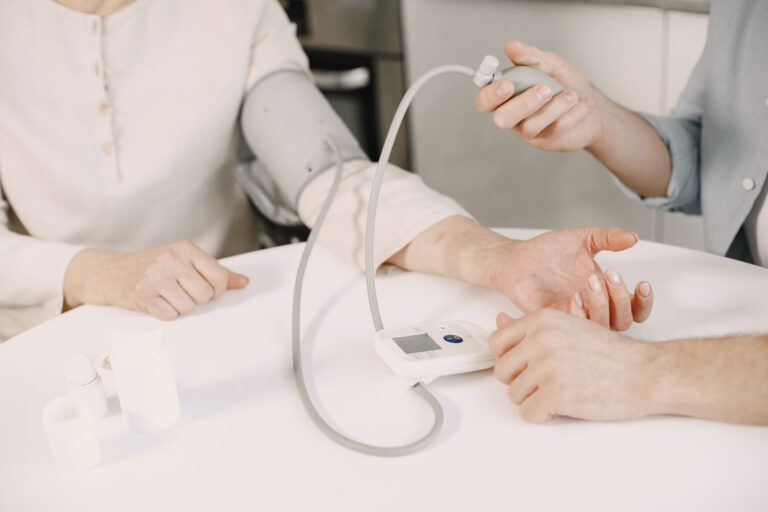
These biological markers may eventually allow doctors to identify cognitive decline risk before any measurable thinking changes appear. At the same time, researchers are working to make cognitive testing more engaging, less time-consuming, and more accessible through mobile apps and at-home testing platforms. The integration of artificial intelligence into cognitive assessment tools may help distinguish meaningful decline from normal variation more reliably than current methods. As these technologies develop, cognitive tracking will likely shift from periodic formal testing toward continuous, low-burden monitoring integrated into routines people already follow—turning cognitive health monitoring into something as routine and less threatening than checking blood pressure.
Conclusion
Scientists are tracking cognitive changes through multiple complementary methods—computerized tests, brain imaging, daily digital monitoring, and blood biomarkers—each offering different insights into how our thinking abilities change over time. The value of this tracking lies not in predicting the future with perfect accuracy, but in creating an objective record of change that guides decisions about early intervention, helps families understand what’s happening, and gives people more time to plan. For anyone concerned about cognitive health, particularly those with risk factors for dementia, establishing a cognitive baseline and understanding what normal cognitive aging looks like can reduce anxiety and provide clarity.
If you’re considering cognitive testing or tracking for yourself or a family member, the decision should be guided by your personal risk profile and how the results would influence your choices. Cognitive tracking works best as part of a comprehensive approach that includes attention to modifiable risk factors—physical activity, cognitive engagement, social connection, sleep quality, and management of conditions like high blood pressure and diabetes that affect brain health. Rather than viewing cognitive decline as inevitable, tracking can be reframed as a tool for active brain health management and planning.
Frequently Asked Questions
Is cognitive testing painful or uncomfortable?
Cognitive testing is generally painless. It involves sitting at a computer or with a clinician and answering questions or completing tasks—similar to taking a test in school. Most people find it mildly tiring rather than distressing, though anxiety-prone individuals may feel stressed by the testing situation itself. The most uncomfortable aspect for many people is the time commitment rather than the test itself.
How often should someone with normal cognition get cognitive testing?
For people with normal cognition, annual or biennial testing is reasonable if there’s a family history of dementia or multiple risk factors. People with no risk factors may not need regular cognitive testing at all. This decision should be made in consultation with your doctor based on your personal risk profile.
Can you improve your score on cognitive tests through practice?
Yes, practice effects are real—people often score higher on retesting simply from familiarity with the tasks, even without actual cognitive improvement. This is why baseline testing is important; improvement from baseline is expected, but concerning decline would represent performance dropping below or close to the initial baseline despite practice benefits.
Does normal aging include cognitive changes that would show up on testing?
Yes. Normal aging includes slowing of processing speed, which affects how quickly you can think through complex problems or retrieve memories. Most healthy older adults show measurable slowing on processing speed tests while maintaining memory and reasoning. The key distinction is that in normal aging, these changes are mild and don’t interfere with daily functioning.
What’s the difference between mild cognitive impairment and dementia detected through tracking?
Mild cognitive impairment means measurable cognitive decline on testing that’s noticeable to the person or their family, but daily functioning remains largely intact. Dementia involves more significant cognitive decline that interferes with daily activities like managing finances, cooking, or self-care. Tracking can detect the transition between these stages.
Are there ways to slow cognitive decline identified through tracking?
Research supports several approaches with modest effects: regular physical exercise, cognitive training, social engagement, management of cardiovascular risk factors, adequate sleep, and Mediterranean-style diet patterns. None of these are “cures,” but together they’re associated with slower decline rates in people with identified cognitive impairment.