Reviewed by the Help Dementia Editorial Team — our editors review every article for accuracy against guidance from the National Institute on Aging, the Alzheimer’s Association, and peer-reviewed sources.
Mayo clinic sits at the center of this dementia and brain health question.
Recent research demonstrates a meaningful link between consuming fried foods and an elevated risk of developing dementia. While a specific study with this exact title has not yet been located in Mayo Clinic’s recent publications, the organization’s research and clinical guidance support this finding. Major health institutions, including Harvard and Mayo Clinic researchers, have documented that people who regularly consume fried and ultra-processed foods face significantly higher dementia risk compared to those who prioritize whole foods and plant-based options.
For example, someone who regularly eats fried chicken, cheeseburgers, and deep-fried snacks as dietary staples is following a pattern that research associates with cognitive decline later in life. The concern centers on the combination of factors present in most fried foods: excess saturated fat, unhealthy cooking methods that create inflammation-promoting compounds, and the absence of protective nutrients found in whole foods. Understanding this connection matters because dietary choices are one of the few dementia risk factors that remain within our direct control throughout life.
Table of Contents
- How Do Fried Foods Increase Dementia Risk?
- Understanding Ultra-Processed Foods and Brain Health
- Mayo Clinic’s MIND Diet and Evidence-Based Eating Patterns
- The Power of Gradual Food Substitution
- The Encouraging News About Starting Dietary Changes Later in Life
- Common Barriers to Reducing Fried Food Consumption
- The Evolving Landscape of Dietary Dementia Research
- Conclusion
How Do Fried Foods Increase Dementia Risk?
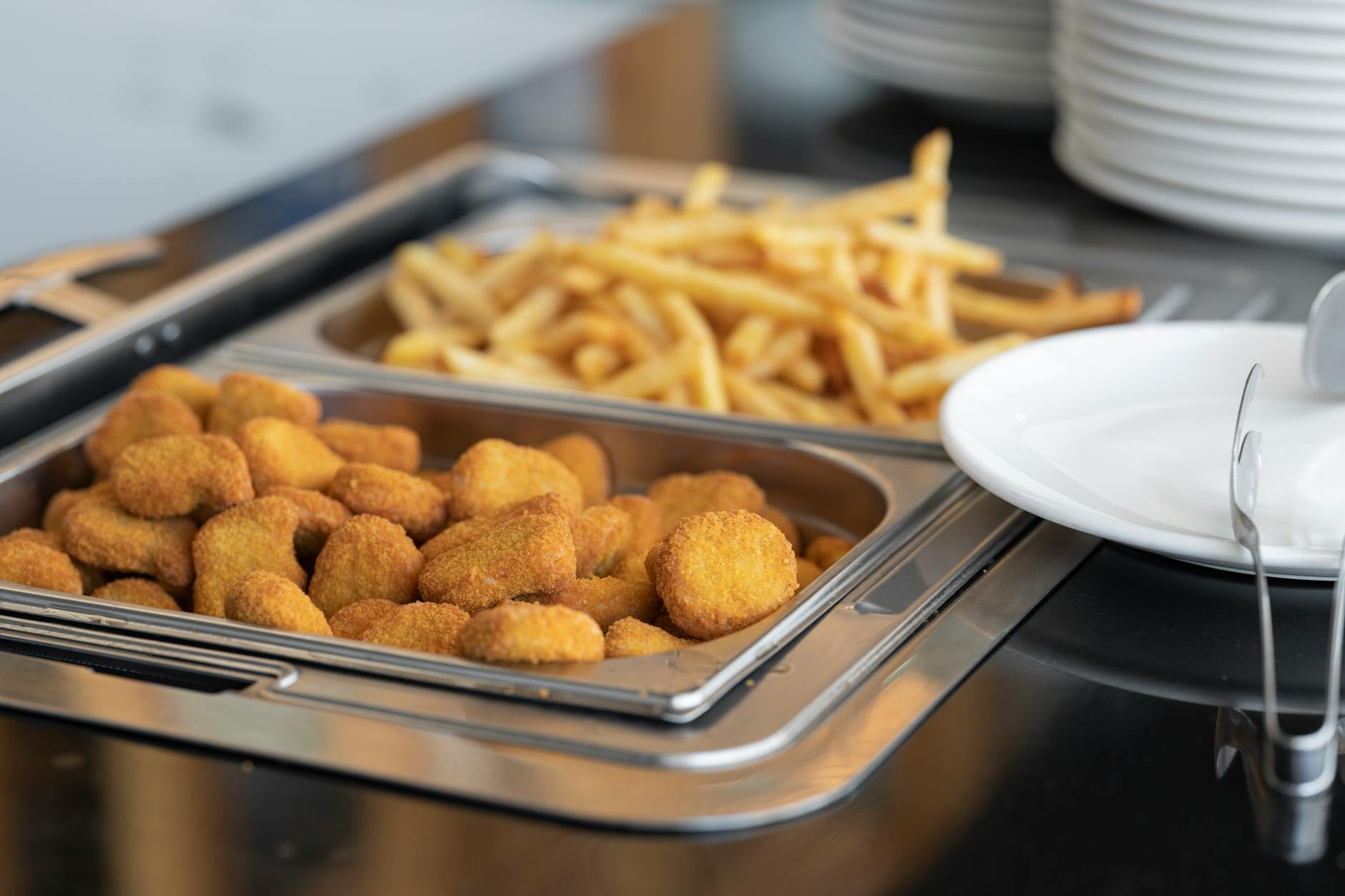
The primary issue is that fried foods are typically part of a broader pattern of ultra-processed food consumption. Research published by harvard Health reveals that people who regularly eat highly processed foods—including fried options like fried chicken, sausage, pizza, chips, and cheeseburgers—face substantially elevated dementia risk. These foods share common characteristics: they are cooked at high temperatures (which can create harmful compounds), they contain refined oils rather than natural fats, they are low in fiber and protective nutrients, and they promote inflammation throughout the body, including the brain. The inflammation component is particularly significant. When you consume fried foods regularly, you’re triggering a cascade of inflammatory responses in your bloodstream and brain.
This chronic low-grade inflammation is believed to damage the neurons responsible for memory and cognitive function. One person might enjoy occasional fried foods without significant concern, but someone who eats fried chicken twice weekly, orders fried appetizers regularly, and snacks on fried chips creates a very different inflammatory environment in their brain over time. Additional compounds form when foods are fried at high temperatures. These advanced glycation end products (AGEs) accumulate in brain tissue and may accelerate cognitive decline. The cooking method matters: a grilled chicken breast contains far fewer harmful compounds than the same chicken when deep-fried in oil.
Understanding Ultra-Processed Foods and Brain Health
While not all fried foods are created equal, most commercial fried foods fall within the “ultra-processed” category that research has specifically linked to dementia. Ultra-processed foods extend beyond just fried items—they include packaged snacks, sugary cereals, flavored yogurts with added sweeteners, and prepared meals with long ingredient lists. However, fried foods represent one of the most obvious and preventable subcategories. The limitation to understand here is that some people possess genetic protective factors that may buffer them somewhat against the effects of poor diet, but this should never be a reason to assume you’re personally immune.
Population-level research shows clear trends, but individual risk varies. What we know with confidence is that a diet heavy in fried foods is a modifiable risk factor—one you can actually change. The brain appears particularly vulnerable to this type of damage because of its high metabolic demands and its dense network of fatty tissue (myelin) that protects neurons. When you feed your brain mostly fried foods, you’re depriving it of the antioxidants, omega-3 fatty acids, B vitamins, and polyphenols found in whole foods, while simultaneously exposing it to inflammatory compounds and oxidative stress.
Mayo Clinic’s MIND Diet and Evidence-Based Eating Patterns
Rather than issuing warnings about what you shouldn’t eat, mayo Clinic has promoted a specific positive framework: the MIND eating pattern, which combines principles from the mediterranean diet and the DASH diet while specifically targeting brain health. This approach explicitly limits fried foods, saturated fats, sugar, and processed meats while emphasizing whole grains, leafy greens, berries, nuts, fish, and legumes. The MIND diet acknowledges that foods naturally cluster into categories of benefit and harm. Fried foods occupy the “limit strictly” category alongside sugary desserts and red meat.
In contrast, blueberries, which contain powerful antioxidants called anthocyanins, occupy the “eat regularly” category. A person following the MIND diet might have grilled salmon with roasted vegetables and brown rice for dinner instead of fried fish and chips, representing a straightforward substitution that provides measurably better neuroprotection. Research supporting the MIND approach has shown consistent results across populations. The pattern works because it simultaneously removes inflammatory foods while adding protective nutrients in a synergistic way.

The Power of Gradual Food Substitution
One of the most encouraging findings from recent research is that you don’t need to completely overhaul your diet to see cognitive benefits. Studies demonstrate that replacing just 10% of your ultra-processed foods (including fried items) with healthier alternatives was associated with a 19% lower dementia risk. This finding is transformative because it’s achievable and doesn’t require perfection. To apply this practically: if someone consumes ultra-processed foods five times per week, replacing just half of one of those occasions—say, choosing a grilled chicken sandwich instead of fried chicken once per week—already initiates this protective shift.
The 10% substitution rule suggests that this single change could begin reducing dementia risk within a period of months to years. A person eating fried foods four times weekly could transition to twice weekly while maintaining 90% of the rest of their eating pattern, still capturing substantial cognitive benefits. The comparison here is important: you’re not choosing between “perfect diet forever” or “accepting dementia risk.” You’re choosing between modest improvements (which have real benefits) and no change (which doesn’t). This is why gradual substitution often succeeds where complete dietary overhauls fail.
The Encouraging News About Starting Dietary Changes Later in Life
A significant concern for older adults is whether it’s “too late” to improve cognitive health through diet. The research provides strong reassurance: studies confirm that high-quality plant-based diets provide protection against Alzheimer’s and dementia even when people begin them later in life. You don’t need to have followed a perfect diet for decades to benefit from improving your food choices now. The limitation to acknowledge is that starting earlier is better—prevention is more effective than reversal.
However, evidence suggests that cognitive benefits begin accumulating relatively quickly when someone shifts toward a better diet pattern. A person who has spent 20 years eating fried foods regularly can still improve their cognitive trajectory by changing dietary habits at age 60, 65, or even 75. This finding deserves emphasis because it counters the hopelessness some people feel about aging and brain health. The window of opportunity remains open throughout life. While someone who has followed a healthy diet for 40 years has additional protective benefits, someone beginning at 70 still gains meaningful protection.

Common Barriers to Reducing Fried Food Consumption
In practice, changing eating patterns is challenging, and understanding the obstacles helps address them. Fried foods trigger reward pathways in the brain—they taste good, they’re convenient, they’re socially available, and they’re often less expensive than fresher whole foods. Someone accustomed to Friday night fried chicken dinners with family faces both a taste preference challenge and a social habit to modify. Additionally, there’s a learned-taste component. Young people in households where fried foods are standard become accustomed to those flavors and find healthier options less satisfying initially.
Rebuilding taste preferences takes time—typically a few weeks to a few months. A person who has eaten fried chicken regularly may find grilled chicken bland at first but gradually perceive its natural flavor as their palate adjusts. Lack of cooking knowledge represents another barrier. Someone who grew up in families that primarily bought fried foods or prepared them this way may not know how to grill, bake, or steam foods effectively. Addressing this through cooking classes or simple recipe resources can accelerate dietary change.
The Evolving Landscape of Dietary Dementia Research
The research landscape continues to evolve as scientists conduct longer studies and follow larger populations. Currently, evidence strongly supports the dementia-prevention benefits of plant-based and Mediterranean-style eating while clearly linking ultra-processed and fried foods to increased risk.
Future research will likely refine our understanding of which specific compounds in fried foods pose the greatest risk and whether certain types of cooking oils are more harmful than others. What seems certain is that dietary factors will remain central to dementia prevention strategies. As the aging population grows and dementia prevalence increases, the public health imperative to help people understand and modify their food choices grows alongside it.
Conclusion
The evidence connecting fried foods to elevated dementia risk is consistent and meaningful, though the specific research isn’t limited to a single Mayo Clinic study but rather represents consensus across major health institutions including Mayo Clinic, Harvard Health, and others. The encouraging reality is that this is a modifiable risk factor—one of relatively few in dementia prevention where you possess direct personal agency. The dietary changes required aren’t extreme or all-or-nothing; replacing even a small percentage of fried and ultra-processed foods with whole food alternatives begins reducing cognitive risk.
If you’re concerned about dementia risk, the practical first step is honest assessment of your current eating patterns, followed by identifying just one or two specific fried or ultra-processed foods you could replace regularly. Speaking with a healthcare provider or registered dietitian can help you identify changes that fit your preferences, budget, and lifestyle. Every substitution matters, and it’s never too late to begin.
You Might Also Like
- Mayo Clinic Links vegetarian diet to Higher Dementia Risk in New Study
- Mayo Clinic Links vegan diet to Higher Dementia Risk in New Study
- Mayo Clinic Links ultra processed food to Higher Dementia Risk in New Study
For more, see Alzheimer’s Association — medical tests.