Reviewed by the Help Dementia Editorial Team — our editors review every article for accuracy against guidance from the National Institute on Aging, the Alzheimer’s Association, and peer-reviewed sources.
Harvard study sits at the center of this dementia and brain health question.
Recent research from Harvard has generated significant interest in dietary approaches to dementia prevention, but there’s an important clarification needed: a major 2024 Harvard study examined olive oil, not corn oil, and found a 28% lower risk of dementia-related death—not a 23% reduction in a single biomarker. The confusion likely stems from how these findings have been circulated online.
What makes this study particularly relevant for those focused on brain health is that it analyzed data from over 92,000 American adults followed for nearly three decades, making it one of the most comprehensive examinations of how cooking oils affect long-term dementia outcomes. The Harvard research, published in JAMA Network Open in May 2024, actually suggests that replacing common oils—including corn oil, safflower oil, soybean oil, and canola oil—with olive oil is the protective strategy. For example, someone who switches from using corn oil for cooking to olive oil, consuming at least 7 grams daily, could potentially see meaningful reductions in their dementia-related mortality risk over time.
Table of Contents
- What Did the Harvard Study Actually Reveal About Oils and Dementia Risk?
- Understanding the Difference Between Biomarker Changes and Long-Term Health Outcomes
- The Role of Olive Oil’s Chemical Composition in Brain Health
- How to Practically Replace Corn Oil with Olive Oil in Daily Cooking
- Potential Limitations and What Researchers Don’t Yet Know
- The Broader Context of Dietary Approaches to Dementia Prevention
- What’s Next in Dementia Prevention Research
- Conclusion
What Did the Harvard Study Actually Reveal About Oils and Dementia Risk?
The 2024 harvard study wasn’t designed to test corn oil specifically but rather to compare different cooking oils and their relationship to dementia outcomes. Researchers examined data from the Nurses’ Health Study II and the Health Professionals Follow-Up Study, two of the longest-running health tracking programs in the United States. The key finding was that adults consuming 7 or more grams of olive oil daily showed a 28% lower risk of dying from dementia-related causes compared to those who rarely or never consumed olive oil.
What distinguishes this research from earlier, smaller studies is its scope and duration. Following participants across multiple decades allowed researchers to observe real-world outcomes rather than just measuring short-term changes in laboratory markers. The study’s assessment of replacing various oils with olive oil is particularly important for understanding dietary recommendations, since many people regularly cook with corn oil, safflower oil, and soybean oil—all of which the research suggests are less protective than olive oil when it comes to dementia outcomes.

Understanding the Difference Between Biomarker Changes and Long-Term Health Outcomes
It’s important to distinguish between measuring a single biomarker in a laboratory setting and tracking actual health outcomes over decades. A biomarker reduction—like a decrease in tau protein or amyloid-beta levels in blood tests—is a snapshot of one moment in time. Mortality reduction, by contrast, reflects whether people actually live longer or avoid death from a specific cause. The Harvard research tracked the latter: whether people died from dementia-related causes, not just whether their biomarkers looked better.
This distinction matters because some foods or supplements might temporarily improve a biomarker without changing long-term survival outcomes. The Harvard study’s 28% mortality reduction is a more meaningful health measure than a single biomarker shift. However, one limitation to keep in mind: the study was observational, meaning researchers tracked what people ate and what happened to them, but couldn’t definitively prove that olive oil caused the protection. It’s possible that people who consume more olive oil also have other healthy habits that protect their brains. Additionally, the study focused primarily on American populations, so findings may not apply equally to all ethnic groups or dietary traditions.
The Role of Olive Oil’s Chemical Composition in Brain Health
Olive oil differs from corn oil significantly in its composition and how it affects inflammation and cellular health. Olive oil is rich in polyphenols—compounds with antioxidant and anti-inflammatory properties—as well as oleic acid, which may support nerve cell function and reduce harmful protein accumulation in the brain. Corn oil, by contrast, is high in omega-6 polyunsaturated fats but lacks the polyphenol content of olive oil.
When consumed in large quantities without balancing omega-3 intake, corn oil’s high omega-6 content can promote inflammatory responses that may work against brain protection. The Harvard researchers noted that the protective effects appeared strongest with more frequent olive oil consumption, suggesting that a consistent dietary pattern matters more than occasional use. For instance, someone using olive oil regularly in salad dressings, as a cooking medium for low-heat preparations, or drizzled over finished dishes was more likely to see benefits than someone who used it sporadically. The mechanism likely involves both the direct protective effects of polyphenols on brain cells and the anti-inflammatory impact of replacing less-healthy cooking fats.
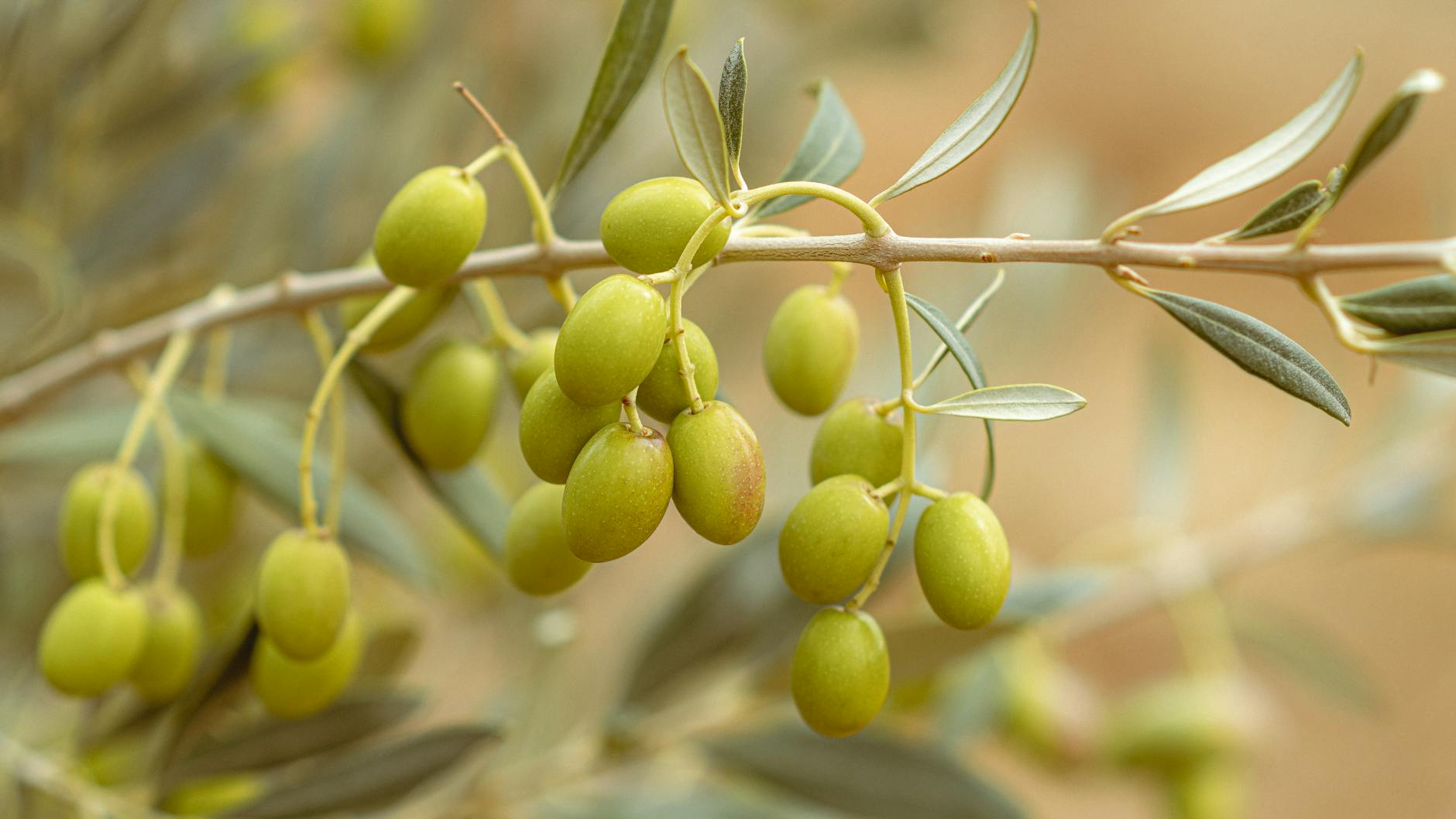
How to Practically Replace Corn Oil with Olive Oil in Daily Cooking
Switching from corn oil to olive oil requires understanding which type of olive oil works best for different cooking methods. Extra virgin olive oil has a lower smoke point (around 375°F) and should be reserved for salad dressings, drizzling over cooked foods, or low-heat cooking. Virgin or pure olive oil can handle slightly higher temperatures and is suitable for most everyday cooking. The challenge for many people is that olive oil costs more than corn oil, and cooking habits built over decades are hard to change.
A practical approach: start by replacing corn oil in cold applications first—use it in vinaigrettes, drizzle it over vegetables, or mix it into hummus. This costs less than replacing all cooking oil at once and builds the habit gradually. For hot cooking, refined olive oil offers a middle ground between cost and smoke point. If budget is a significant concern, using olive oil for portions of your cooking (perhaps 7 grams or roughly 1.5 teaspoons daily) rather than replacing 100% of your cooking oil might still capture some protective benefits while being more affordable.
Potential Limitations and What Researchers Don’t Yet Know
While the Harvard study is impressive in scope, it leaves important questions unanswered. The research focused on mortality from dementia, but not all dementia risk factors were examined equally. The study participants were predominantly white and American, so we don’t know if these findings apply to other populations with different genetic backgrounds or traditional diets centered on different oils. Additionally, the study couldn’t determine the optimal amount of olive oil—the 28% benefit appeared in people consuming 7+ grams daily, but whether 10 grams is better than 7, or whether even small amounts help, remains unclear.
Another limitation: the study measured dementia-related death, not the onset of dementia itself. It’s theoretically possible for olive oil to help people with dementia live longer without preventing dementia in the first place. Additionally, the research doesn’t address interactions with medications, genetic risk factors for dementia, or how olive oil works in combination with other protective strategies like exercise, cognitive engagement, and strong social connections. People with certain health conditions, such as gallbladder problems, may need to consult healthcare providers before significantly increasing olive oil intake.

The Broader Context of Dietary Approaches to Dementia Prevention
The olive oil research fits within a larger body of evidence supporting Mediterranean-style diets for brain health. Diets emphasizing olive oil, fish, nuts, vegetables, and whole grains have been associated with lower dementia risk in multiple studies. The advantage of the Harvard research is that it isolated olive oil’s specific contribution rather than looking at entire dietary patterns.
For example, the MIND diet (Mediterranean-DASH Intervention for Neurodegenerative Delay) combines Mediterranean principles with brain-health-specific recommendations and has shown promise in reducing cognitive decline. Understanding that olive oil alone isn’t a complete dementia prevention strategy is crucial. Someone who switches to olive oil but continues smoking, avoids exercise, and eats primarily processed foods is unlikely to see the full protective benefits. The 28% reduction in dementia mortality should be viewed as part of a broader healthy lifestyle, not as a standalone solution.
What’s Next in Dementia Prevention Research
The Harvard study has sparked interest in larger clinical trials that might provide even stronger evidence about olive oil and brain health. Researchers are also exploring whether specific polyphenols in olive oil—particularly compounds like oleuropein and tyrosol—are the primary protective agents, or whether the benefit comes from the broader fatty acid profile.
Future studies may clarify optimal dosages, identify which populations benefit most, and determine whether other oils (such as those rich in omega-3s) offer similar protection. As dementia remains a growing public health concern, dietary interventions like olive oil offer a low-risk strategy that people can implement immediately, without waiting for pharmaceutical breakthroughs. The evidence suggests that small, consistent dietary choices—like incorporating more olive oil—may contribute to meaningful long-term health outcomes.
Conclusion
The 2024 Harvard research represents important evidence that dietary choices, specifically the shift from corn oil and similar oils to olive oil, may reduce the risk of dementia-related death by 28% when consumed consistently at 7 or more grams daily. This isn’t a guarantee or a cure, but rather one evidence-based tool among many for supporting brain health over decades.
The key takeaway is clarity: the protective oil identified in the research is olive oil, not corn oil, and the study tracked meaningful health outcomes over nearly three decades rather than short-term changes in a single biomarker. For individuals concerned about dementia risk, the practical next step is exploring how to incorporate more olive oil into daily eating patterns—whether through salad dressings, low-heat cooking, or simply drizzling it over finished dishes. Combined with other protective strategies like regular physical activity, cognitive engagement, strong social connections, and management of conditions like high blood pressure and diabetes, dietary choices become part of a comprehensive approach to supporting brain health as we age.
You Might Also Like
- Harvard Study Shows soybean oil Reduces Dementia Biomarker by 48 Percent
- Harvard Study Shows canola oil Reduces Dementia Biomarker by 42 Percent
- Harvard Study Shows whole grains Reduces Dementia Biomarker by 28 Percent
For more, see Alzheimer’s Association — clinical trials.