Reviewed by the Help Dementia Editorial Team — our editors review every article for accuracy against guidance from the National Institute on Aging, the Alzheimer’s Association, and peer-reviewed sources.
Brain health sits at the center of this dementia and brain health question.
Six years into the COVID-19 pandemic, researchers have documented a sobering reality: a significant percentage of people who recovered from acute infection are left with lasting cognitive problems that show no signs of resolving on their own. Approximately 34% of patients experience measurable cognitive deficits that persist beyond six months after infection—far longer than most people expected cognitive symptoms to linger. This isn’t simply “brain fog” that clears after rest. Studies have detected documented IQ losses of up to 6 points in people with ongoing persistent symptoms and 9-point losses in those who were hospitalized in intensive care units, suggesting that Long COVID leaves traceable, measurable damage to the brain itself. What makes this finding particularly troubling for families managing dementia and brain health concerns is that Long COVID patients face a 2.33 times higher risk of dementia-related diagnoses within just six months post-infection compared to people who had the flu.
This elevated risk persists across age groups, though older adults face significantly steeper odds. For someone already worried about cognitive aging or with family history of dementia, a COVID-19 infection now comes with an unexpected neurological wildcard—one that doctors are still learning how to predict, prevent, and treat. Despite extensive research effort over the past six years, the medical community still doesn’t have reliable ways to reverse Long COVID’s brain damage. The RECOVER-NEURO clinical trial in 2026 tested three different non-drug treatments for cognitive symptoms and found that all three showed similar modest results, with no single approach outperforming the others. That lack of a clear solution is precisely why understanding what’s happening in the brain has become so urgent.
Table of Contents
- How Common Are Long COVID Cognitive Problems, and Who’s Most Vulnerable?
- What’s Actually Happening Inside the Brain During Long COVID?
- How Does Long COVID’s Brain Damage Compare to Other Post-Infection Conditions?
- What Treatment and Management Strategies Are Researchers Currently Testing?
- What Warnings Should People with Long COVID Watch For?
- Why Do U.S. Patients Report Different Symptoms Than in Other Regions?
- What Does the Future Hold for Long COVID Brain Research?
- Conclusion
How Common Are Long COVID Cognitive Problems, and Who’s Most Vulnerable?
The prevalence of cognitive decline in Long COVID is significant enough to warrant serious attention at the population level. When researchers examined cognitive function across age groups, they discovered a striking pattern: older adults with Long COVID show approximately double the risk of moderate to severe dementia-like impairment compared to younger adults. A 55-year-old with Long COVID is not just experiencing the normal cognitive aging that anyone their age might encounter; they’re experiencing acceleration of that decline. Meanwhile, younger and middle-aged people with Long COVID tend to report milder problems—difficulty focusing, trouble with attention span, word-finding delays—while older participants show more pronounced deficits in memory, language processing, and executive function (the ability to plan, organize, and make decisions). This age-related divergence matters because it suggests that COVID affects different parts of the brain differently depending on the person’s baseline neurological health. Someone with already-declining cognitive reserve—like an older person with mild cognitive impairment heading toward dementia—may be hit harder by the same viral insult than someone with abundant cognitive reserve.
A 40-year-old who forgets where they parked their car and a 75-year-old experiencing the same symptom are dealing with very different risks. The older adult’s symptom might signal meaningful decline, while the younger person’s symptom might resolve with time and rest. Geographic variation adds another layer of complexity to understanding who reports and seeks treatment for Long COVID cognition problems. U.S. patients report significantly higher rates of brain fog and psychological symptoms compared to patients in lower-income countries, possibly because better access to neurological care in the United States means people can actually get a diagnosis rather than living with unexplained symptoms. However, this geographic pattern also raises a cautionary question: are patients in other regions experiencing the same level of brain damage but not recognizing it or getting it diagnosed? The data may be a reflection of healthcare access rather than true biological differences.

What’s Actually Happening Inside the Brain During Long COVID?
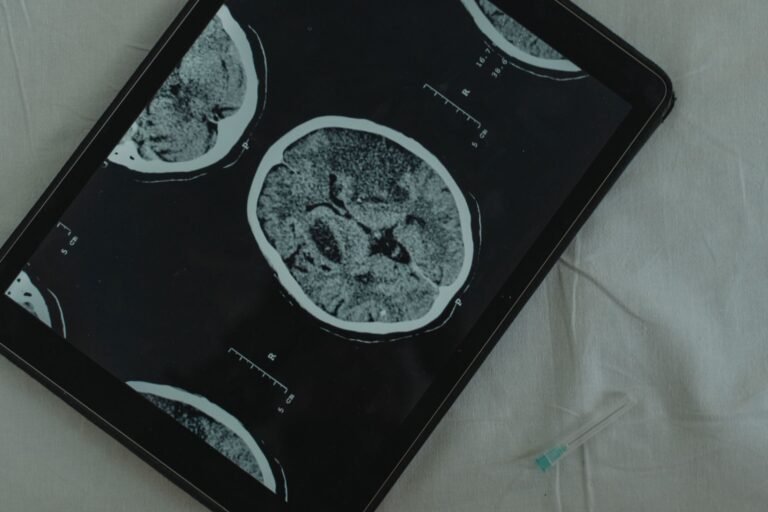
The mechanism behind Long COVID’s cognitive effects has become increasingly clear through neuroimaging and tissue examination studies. SARS-CoV-2 causes persistent brain inflammation and small blood vessel injury that continues even after the virus becomes undetectable in the bloodstream. In other words, even though the acute infection has technically resolved, the damage it triggers inside the brain keeps working like a slow burn. Researchers have identified active neuroinflammation (immune cells attacking brain tissue), mitochondrial dysfunction (the powerhouses of brain cells failing to function properly), and microglial activation (immune cells in the brain remaining in a heightened state of alert). Think of it like this: when you sprain an ankle, the initial injury is the sprain itself, but the ongoing swelling, stiffness, and reduced mobility persist long after the moment of injury. Long COVID’s brain effects work similarly.
The virus may have been cleared by the immune system, but the inflammatory cascade it set in motion—the recruitment of immune cells, the activation of glial cells, the disruption of blood vessel function—continues to cause problems. This is why people might report that their brain fog or memory problems actually got worse weeks or months after acute infection resolved, rather than improving steadily. A critical limitation in the current research is that we don’t yet know how to predict who will develop these persistent brain changes and who will recover fully. Doctors cannot yet look at a newly diagnosed Long COVID patient and say with confidence whether their cognitive symptoms will resolve in three months or persist for years. This uncertainty has real consequences for patients trying to plan their lives, return to work, and understand what they’re facing. The presence of persistent brain inflammation on imaging doesn’t necessarily predict severity of cognitive symptoms, and symptom severity doesn’t necessarily predict how much inflammation is present.
How Does Long COVID’s Brain Damage Compare to Other Post-Infection Conditions?
Long COVID is not the first viral infection to leave lasting cognitive effects, but its prevalence and severity appear to exceed what doctors have commonly seen with other respiratory viruses. While flu can occasionally trigger cognitive complications, the percentage of COVID patients with long-term cognitive deficits substantially exceeds what researchers observe in post-flu populations. The 2.33 times higher dementia risk in Long COVID patients compared to flu patients isn’t a marginal difference—it’s a substantial elevation that suggests something distinctive about how this virus affects the brain. The long timeline of potential recovery also distinguishes Long COVID from typical post-infection syndromes. A person recovering from severe pneumonia or meningitis might show cognitive improvement over weeks to months, but Long COVID cognitive deficits can persist measurably at 42 months post-infection.
More importantly, some cognitive measures—particularly processing speed and executive functioning—remained below normal even at the 42-month mark. A 42-month timeline (nearly 3.5 years) is significant because most other post-infection conditions show their best recovery trajectory within 12 to 18 months. This extended timeline means people cannot simply wait out their symptoms with the expectation that time will heal the cognitive effects. Unlike some post-infection syndromes that primarily affect specific populations (such as particular age groups), Long COVID’s cognitive effects span the entire lifespan, from young adults to elderly people. However, the nature of the problems shifts dramatically with age, making Long COVID a more complex clinical picture than conditions that affect everyone roughly equally. A dementia specialist seeing a 70-year-old with new memory problems has to now consider Long COVID as a possible cause, even months or years after the initial infection.

What Treatment and Management Strategies Are Researchers Currently Testing?
The 2026 RECOVER-NEURO clinical trial provided the most systematic attempt to date at finding treatments for Long COVID cognitive dysfunction, and its results were sobering in their humility. The trial tested three non-drug interventions: cognitive training, physical rehabilitation, and cognitive-behavioral therapy. All three approaches showed similar modest impacts on cognitive function when compared to control groups. Importantly, none of the three treatments substantially outperformed the others, and none provided the kind of dramatic improvement that would suggest a clear path forward for clinicians treating Long COVID cognition. This finding, while disappointing to patients hoping for a breakthrough, actually tells us something important: Long COVID’s cognitive problems may not have a simple fix.
If cognitive training alone worked spectacularly, it would suggest the problem was purely in how the brain was using its remaining capacity. If physical rehabilitation was the key, it would suggest the issue was primarily in blood flow or metabolic function. The fact that multiple different approaches all showed similar modest results suggests the problem is multifactorial—a combination of inflammation, blood vessel dysfunction, mitochondrial problems, and possibly persistent viral activity or viral byproducts. The tradeoff for Long COVID patients right now is that while no single treatment offers a clear solution, multiple approaches may provide cumulative benefit when combined. Someone with Long COVID cognitive decline might benefit most from a comprehensive approach combining cognitive rehabilitation (to maximize the cognitive reserve they have left), physical activity (to improve blood flow), management of other Long COVID symptoms like fatigue and pain (which may interfere with cognitive function), and potentially future anti-inflammatory or neuroprotective medications if they become available. This requires patience and access to multiple types of healthcare providers, which isn’t equally available to all patients.
What Warnings Should People with Long COVID Watch For?
One critical warning emerges from the research on cognitive decline trajectories: improvement is not guaranteed, and in some cases cognitive decline may continue. The pattern of improvement through 42 months post-COVID is encouraging, but the fact that processing speed and executive functioning remained below normal at 42 months suggests that full recovery to pre-infection baseline is not universal. For someone with Long COVID and a family history of dementia, this is especially concerning, because Long COVID may have essentially accelerated their cognitive aging by years. Another warning relates to the distinction between objective cognitive decline (measurable on standardized tests) and subjective cognitive complaints (what people report experiencing). A person may report terrible brain fog and cognitive problems but perform relatively normally on cognitive testing, or conversely, perform below normal on testing while not experiencing significant subjective distress.
This mismatch means that family members or healthcare providers who rely solely on what the patient reports, or solely on test scores, might miss important parts of the picture. Someone saying “I feel fine cognitively” might have measurable IQ decline that puts them at greater risk for future dementia even if they’re currently unaware of the decline. The final warning is about the long tail of uncertainty. Because we don’t know which factors predict who will recover and who won’t, and because we don’t have effective treatments, the appropriate response to Long COVID is aggressive prevention. Anyone who hasn’t yet had COVID should understand that their risk of dementia and lasting cognitive damage is meaningful and quantifiable. For older adults or people with existing cognitive concerns, infection prevention becomes a legitimate dementia prevention strategy—comparable in importance to managing cardiovascular risk factors or maintaining physical activity.

Why Do U.S. Patients Report Different Symptoms Than in Other Regions?
The observation that U.S. patients report significantly higher rates of brain fog and psychological symptoms compared to patients in lower-income countries points to an important principle in medicine: symptom reporting depends not just on what’s medically happening but on what people expect, recognize, and seek care for. The United States has neurologists in abundance, people have more time and resources to track their symptoms carefully, and brain fog and cognitive problems are recognized as legitimate medical issues worth reporting to doctors. In other regions, someone experiencing the same cognitive decline might attribute it to stress, aging, or the general burden of life rather than recognizing it as a distinct post-COVID problem.
This doesn’t mean Long COVID cognitive problems are less common in other regions—it likely means they’re under-recognized and under-reported. An older person in a lower-income country experiencing new memory problems after COVID might never see a neurologist who would recognize the pattern as Long COVID-related. That unrecognized problem still carries the same dementia risk as the recognized problem in a U.S. patient. The lesson here is that Long COVID cognitive decline is probably a global phenomenon that’s more severe and widespread than current statistics suggest.
What Does the Future Hold for Long COVID Brain Research?
Looking ahead to 2026 and beyond, researchers are focusing intensely on two areas: identifying which patients are most likely to develop lasting cognitive problems (so prevention and early intervention can be targeted), and developing treatments that address the underlying mechanisms of brain injury rather than just managing symptoms. Current work on anti-inflammatory medications, medications that support mitochondrial function, and targeted cognitive rehabilitation protocols may eventually provide better options than currently available. However, there remains a lag between discovering mechanisms and developing treatments—knowing that neuroinflammation is happening is useful scientifically, but doesn’t immediately translate into a drug or therapy.
The next five to ten years will likely clarify whether Long COVID cognitive effects are permanent in most people or whether new treatments can reverse the damage. That distinction is crucial for anyone currently dealing with Long COVID cognitive problems. A temporary decline that eventually resolves is very different from a permanent loss of cognitive function. For now, the most honest summary is this: six years into the pandemic, we understand far better what’s happening in the brain, and we have some evidence that partial recovery is possible, but we don’t yet have reliable ways to predict the future course or to guarantee recovery for any individual patient.
Conclusion
Long COVID has revealed that the threat from SARS-CoV-2 extends far beyond acute respiratory illness. The 34% of patients experiencing cognitive deficits beyond six months, the measurable IQ losses in ICU-admitted patients, and the 2.33 times higher dementia risk represent a major neurological public health issue that continues to unfold even as the acute pandemic phase recedes. For families managing dementia concerns or cognitive aging, Long COVID introduces an unexpected risk factor that can’t be controlled once infection occurs, making prevention and awareness critically important.
The research to date has given us a much clearer picture of what’s happening in the brain—persistent inflammation, blood vessel injury, and mitochondrial dysfunction—but it has not yet produced reliable treatments or predictive tools. That gap between understanding and treatment is the defining feature of where we stand six years later. Anyone with Long COVID cognitive concerns should work with healthcare providers to monitor their cognitive function, manage other Long COVID symptoms that may contribute to cognitive problems, and stay informed about emerging treatment options. For those who haven’t yet had COVID, the documented brain health risks provide additional motivation for continuing prevention efforts, alongside traditional dementia risk reduction strategies.
You Might Also Like
- The Pre Retirement Brain Health Checkup That HR Departments Are Now Offering as an Employee Benefit
- Why Maintaining Muscle Mass After 60 Is Now Considered a Brain Health Strategy Not Just a Physical One
- Why Brain Health Should Be Added to Every Annual Wellness Visit According to 200 Leading Neurologists
For more, see NIH MedlinePlus — cognitive testing.