Reviewed by the Help Dementia Editorial Team — our editors review every article for accuracy against guidance from the National Institute on Aging, the Alzheimer’s Association, and peer-reviewed sources.
Athletes, particularly those who participate in contact sports like football, boxing, and soccer, develop dementia at significantly higher rates than the general population. Former professional footballers have approximately three times higher risk of developing dementia, while retired boxers face 3.6 times greater dementia risk and over four times greater risk of Alzheimer’s disease. A 2024 Scottish study found that dementia was diagnosed in 3.62% of former professional soccer players over a 21-year follow-up period, compared to just 1.26% in matched general population controls—nearly three times higher.
This isn’t about lifestyle factors or genetic predisposition. In fact, research shows that former athletes often have lower traditional dementia risk factors than the general population, yet still develop cognitive decline at elevated rates. The cause is specific and well-documented: repeated impacts to the head, both from diagnosed concussions and subconcussive blows that never cause noticeable symptoms. This article explores why contact sports create such significant dementia risk, what happens in the brain after repeated head impacts, and what athletes and their families need to know about long-term cognitive health.
Table of Contents
- How Do Repetitive Head Impacts Damage the Brain?
- Understanding Chronic Traumatic Encephalopathy and Its Link to Dementia
- Dementia Risk Across Different Contact Sports
- What Happens as Athletes Age After Retirement
- Separating CTE Pathology from Dementia Diagnosis
- Youth Contact Sports and Developing Brains
- Moving Forward—Prevention and Monitoring
- Conclusion
- Frequently Asked Questions
How Do Repetitive Head Impacts Damage the Brain?
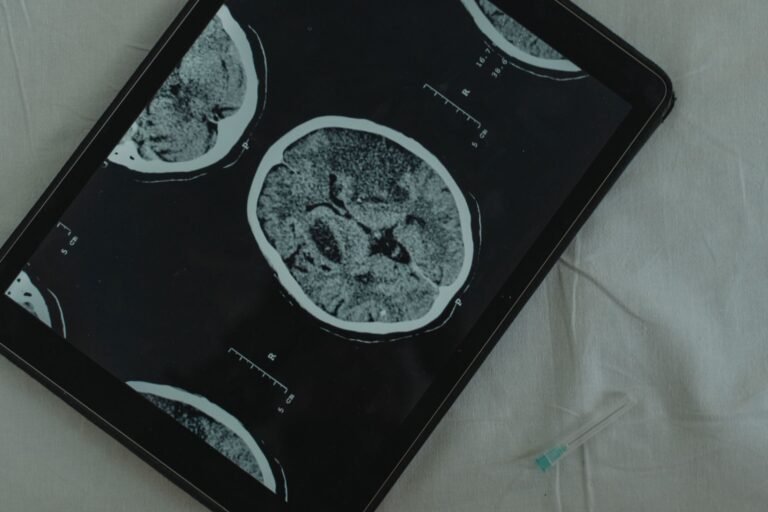
The fundamental driver of increased dementia risk in athletes is not a single catastrophic injury, but the cumulative effect of repetitive head impacts (RHI). Every tackle in football, every punch in boxing, every collision on the soccer field—even those that don’t result in diagnosed concussions—contributes to brain damage over time. The brain floats in cerebrospinal fluid inside the skull, which normally cushions impacts. But when the head experiences repeated acceleration and deceleration forces, the brain tissue itself moves within the skull, stretching and damaging nerve fibers. These subconcussive impacts are the silent problem: they cause no obvious symptoms like dizziness, confusion, or headache, so players continue their careers unaware that microscopic damage is accumulating with each collision.
People with a history of traumatic brain injury (TBI) are approximately 1.5 times more likely to develop dementia than those without such injuries, demonstrating that brain damage—even when it heals superficially—leaves lasting vulnerability to cognitive decline. The risk escalates predictably with cumulative exposure. Each additional year playing American football is associated with a 15% increased risk of developing chronic traumatic encephalopathy (CTE), the degenerative brain disease linked to repeated head impacts. This isn’t a threshold effect—where you’re safe until you hit some magical number of hits—but a dose-response relationship. More years in contact sports equals greater risk. Athletes who play from youth through college and into professional careers accumulate decades of repetitive impacts, multiplying their cumulative exposure compared to the general population.

Understanding Chronic Traumatic Encephalopathy and Its Link to Dementia
Chronic traumatic encephalopathy is the specific brain disease that develops from repetitive head impacts. Unlike a single concussion, which may heal with rest, CTE is a progressive degenerative condition that worsens over time. The disease exists on a spectrum: researchers have identified four pathological stages of CTE, from mild to severe. This staging matters enormously for understanding dementia risk. Severe CTE (stages III and IV) shows a clear, measurable link to dementia and cognitive decline. However, mild CTE (stages I and II) does not reliably produce measurable cognitive decline during a person’s lifetime, which is an important distinction. A former athlete might have CTE in their brain—detectable only by autopsy—without having developed noticeable dementia or behavioral problems.
What makes CTE particularly concerning is how common it has become in contact sports. Autopsy studies have found CTE in 99% of studied NFL player brains, 96% of NHL player brains, and in more than 40% of non-professional contact sport athletes. These are extraordinary prevalence rates. The presence of CTE correlates with behavioral problems, mood disorders, depression, aggression, and progressive memory loss. But the critical limitation is this: current medical science cannot diagnose CTE in living people. It can only be confirmed through brain autopsy after death. This means athletes and their families cannot know with certainty whether they have CTE or predict whether they will develop severe enough disease to cause dementia.
Dementia Risk Across Different Contact Sports
The data on dementia prevalence varies by sport, likely reflecting differences in the frequency and intensity of head impacts across different athletic activities. Among NFL players, dementia prevalence reaches 8.9% compared to U.S. population norms, with the disparity being particularly stark in younger age groups. Even more concerning, 23.8% of former NFL players show evidence of mild cognitive impairment (MCI), a condition characterized by measurable cognitive decline beyond normal aging but not yet meeting diagnostic criteria for dementia. This means that cognitive problems in former football players extend beyond dementia cases alone to a much broader category of cognitive impairment.
Professional soccer players face elevated dementia risk despite the sport involving fewer direct head collisions than American football. The Scottish study mentioned earlier tracked thousands of male professional soccer players and found that 3.62% developed dementia, compared to 1.26% in age-matched controls. The difference is particularly striking because soccer involves using the head to control the ball intentionally, often dozens of times per match, plus incidental head impacts from collisions. Professional boxing presents the highest risk of all contact sports. Boxers sustain direct blows to the head as the primary mechanism of their sport, and many retire with visible cognitive effects. The threefold to fourfold increase in dementia and Alzheimer’s risk in retired boxers reflects this intensity of exposure.

What Happens as Athletes Age After Retirement
One of the most troubling aspects of sports-related brain injury is that cognitive decline often doesn’t begin until years or decades after an athlete’s career ends. A former football player might feel fine at age 40 but begin experiencing memory problems at 55 or 65. This delayed onset makes it difficult to connect present symptoms to past athletic career. The brain damage occurred during the playing years, but the neurological consequences emerge gradually as the brain ages. The mechanisms behind this delayed presentation aren’t completely understood, but evidence suggests that CTE is progressive—the brain pathology worsens over time even without new impacts.
This delayed timeline creates a practical problem for diagnosis and monitoring. Most retired athletes don’t anticipate cognitive problems and haven’t been screened for early signs of cognitive decline. By the time someone notices memory loss or behavioral changes, the underlying brain pathology may be quite advanced. Unlike active players who might access team medical monitoring, retired athletes often fall out of systematic health oversight. Regular cognitive screening for former contact sports athletes could theoretically identify mild cognitive impairment earlier, when interventions might slow decline, but such screening programs are not standard practice. Athletes in their 50s and 60s should be aware that cognitive changes may represent sports-related brain injury manifesting decades after retirement.
Separating CTE Pathology from Dementia Diagnosis
An important but often-misunderstood distinction exists between having CTE (the brain pathology) and having dementia (the clinical diagnosis). CTE is a pathological condition—abnormal protein deposits and brain damage visible under a microscope. Dementia is a clinical syndrome—measurable loss of cognitive function in memory, thinking, behavior, or ability to perform daily activities. An athlete can have CTE without having dementia. Conversely, someone can have dementia from various causes (Alzheimer’s disease, vascular dementia, Lewy body disease) without having CTE.
The confusion often arises because CTE can cause dementia, but the presence of CTE doesn’t guarantee that someone will develop clinical dementia during their lifetime. This distinction matters because it means some athletes with significant brain pathology may never experience noticeable cognitive symptoms. However, the 2024 research on football players revealing elevated dementia rates despite lower traditional risk factors is significant precisely because it removes the question of whether lifestyle differences explain the outcomes. Previous studies could be criticized for not controlling adequately for education, alcohol use, cardiovascular health, and other factors that influence dementia risk. But this recent research specifically showed that former football players had lower rates of these traditional risk factors yet still showed higher dementia rates, pointing unambiguously to the sport itself as the causative factor. The dementia is not an artifact of player demographics or health behaviors but a direct consequence of playing the sport.

Youth Contact Sports and Developing Brains
One of the most pressing questions in sports medicine is whether young athletes face different risks than adults playing the same sports. The developing adolescent brain is particularly vulnerable to injury, with neural connections still forming and the brain reaching adult size only in the mid-20s. Some research suggests that young athletes who sustain concussions may face greater cognitive consequences than adults with similar injuries, though the evidence isn’t yet definitive.
What is clear is that children and adolescents who play contact sports for many years accumulate more lifetime exposure to head impacts. A child starting in youth football at age 8 and continuing through college experiences roughly twice as many years of repetitive impacts as someone starting in college. This suggests that early exposure to contact sports may increase total lifetime CTE risk, though the long-term outcomes of today’s young athletes won’t be fully known for decades.
Moving Forward—Prevention and Monitoring
While we cannot yet reverse CTE or prevent it entirely in athletes determined to play contact sports, several approaches may reduce risk or help identify problems earlier. Proper tackling technique, stricter concussion protocols, and reduced contact in practice (not just games) are mechanical interventions that decrease the frequency and intensity of impacts. Some sports have begun implementing these changes—reducing full-contact practice frequency or modifying rules to penalize dangerous play. However, even with perfect technique, the inherent physics of contact sports means some repetitive head impacts are unavoidable.
Retired athletes from contact sports should understand their elevated dementia risk and be alert to early cognitive changes. Monitoring and baseline cognitive testing represent another approach. Some former athletes are now participating in research programs that track their cognitive status over time, creating the possibility of identifying decline early. For athletes currently in contact sports and their families, the key message is that playing contact sports carries real risk of future cognitive problems. This doesn’t mean the activity is forbidden, but it means making informed decisions about participation level, duration, and protective measures, with clear acknowledgment that brain protection should be weighed against whatever benefits and satisfaction the sport provides.
Conclusion
Athletes in contact sports develop dementia at significantly elevated rates—three to four times higher than the general population in many cases—driven by cumulative repetitive head impacts over their careers. The underlying brain damage often manifests as chronic traumatic encephalopathy, a progressive degenerative disease that can result in cognitive decline, behavioral changes, and dementia. The risk is dose-dependent: more years in contact sports create greater risk. Most concerning, this elevated dementia risk persists despite contact sports athletes often having lower traditional dementia risk factors than the general population, proving that the sport itself drives the cognitive consequences.
What remains to be determined is how to best support athletes who have already been exposed to this risk and how to protect future athletes. Greater public awareness of the connection between contact sports and dementia risk, combined with research into early detection and monitoring, represents the most promising near-term path forward. If you have a history of contact sports participation and are noticing cognitive changes—memory loss, difficulty with complex thinking, or behavioral changes—discuss this history with your physician and consider cognitive screening. The connection between your athletic past and your present cognitive health is real and deserves medical attention.
Frequently Asked Questions
Can a single concussion cause dementia later in life?
A single concussion is unlikely to cause dementia on its own. Dementia risk in athletes comes from repetitive, cumulative impacts over years or decades, not from isolated injuries. However, people with a history of traumatic brain injury (concussion or worse) are roughly 1.5 times more likely to develop dementia than those without TBI history, so even individual injuries increase risk.
If I played one season of football in high school, am I at risk?
Your risk is lower than someone who played for many years, but any repetitive head impact exposure increases dementia risk compared to the general population. The risk scales with cumulative exposure. One season poses less risk than 10 seasons, but the dose-response relationship means no amount of contact sports exposure is entirely risk-free.
Can you be tested for CTE while alive?
Currently, no. CTE can only be definitively diagnosed through brain autopsy after death. Researchers are working on biomarkers and imaging techniques that might eventually allow living diagnosis, but this capability does not yet exist in clinical practice. This is one reason monitoring for cognitive symptoms is important.
Do all contact sports carry the same dementia risk?
Risk varies by sport depending on the frequency and intensity of head impacts. Boxing appears to carry the highest risk, followed by American football and ice hockey. Soccer, rugby, and other contact sports also carry elevated risk, though the magnitude may differ. Individual factors like playing position and duration of career also influence personal risk.
What can former athletes do to reduce dementia risk now?
Management focuses on cardiovascular health, cognitive engagement, sleep quality, management of other dementia risk factors (diabetes, hypertension, depression), and regular cognitive monitoring. There is no proven way to reverse or halt CTE, but maintaining overall brain health through these measures may help. Discuss your athletic history with your physician.
Should young people avoid contact sports because of dementia risk?
That’s a personal decision involving risk tolerance, the benefits that sports provide, and individual circumstances. Understanding the risk is essential for informed decision-making. Some people decide the cognitive risks are acceptable given other benefits; others choose non-contact sports instead. There is no universal answer, but the decision should be made with full knowledge of the dementia risk.