Reviewed by the Help Dementia Editorial Team — our editors review every article for accuracy against guidance from the National Institute on Aging, the Alzheimer’s Association, and peer-reviewed sources.
Early warning sits at the center of this dementia and brain health question.
When your spouse stops enjoying their hobbies. When your parent becomes indifferent to family gatherings they once looked forward to. When a responsible adult friend develops a sudden lack of care about their appearance or job. These are the moments that often prompt families to seek answers—and the most common answer is apathy and loss of motivation, the hallmark first symptom of frontotemporal dementia. Unlike Alzheimer’s disease, where family members typically report memory problems as the initial concern, FTD announces itself through a shift in drive, emotion, and initiative.
A person simply stops wanting things the way they used to. They become withdrawn, emotionally flat, and increasingly indifferent to the people and activities that once mattered most to them. This distinction is critical because families often dismiss these changes as depression, stress, or laziness—interpretations that delay diagnosis by years. The behavioral shift happens gradually, making it easy to normalize at first. But when apathy is the opening act in frontotemporal dementia, it’s rarely the only sign that follows. This article explains what family members actually notice first, why these early warnings are often overlooked, how FTD differs from other dementias, and what steps to take when you recognize these patterns in someone you care about.
Table of Contents
- Why Apathy Is the First Sign That Family Members Notice in Frontotemporal Dementia
- Behavioral Changes That Follow—Loss of Empathy, Personality Shifts, and Social Disinhibition
- Language and Communication Changes in Some Forms of Frontotemporal Dementia
- Why Family Members Miss These Signs and Diagnosis Takes Years
- How Frontotemporal Dementia Differs from Alzheimer’s—Why Memory Isn’t the Key
- Age of Onset and Who Is Most at Risk
- What to Do When You Recognize These Early Warning Signs
- Conclusion
Why Apathy Is the First Sign That Family Members Notice in Frontotemporal Dementia
Apathy and loss of motivation represent the most frequently reported first symptoms of frontotemporal dementia, according to research cited by the AARP and Alzheimer’s Association. This isn’t the depression where someone feels sad or weepy; it’s a profound flattening of drive and initiative. A person with early FTD may sit passively for hours without pursuing activities they previously enjoyed. They stop initiating conversations. They lose interest in hobbies, work, and even socializing with close family.
The difference between apathy in FTD and apathy caused by depression is that FTD-related apathy occurs without the emotional distress—the person doesn’t feel bad about losing interest; they simply don’t care. The reason apathy emerges first in behavioral variant FTD, the most common form of frontotemporal dementia, relates to where the disease starts: the prefrontal and anterior temporal lobes, the brain regions that govern motivation, planning, and emotional engagement. As these areas deteriorate, the neural circuits that drive a person to act, feel, and connect become compromised. Family members often describe this as “They’re just not themselves anymore,” a phrase that captures the essence of motivation loss more accurately than clinical terminology. A spouse might say their partner no longer initiates plans, no longer asks how their day was, and no longer expresses excitement about upcoming events—all without any apparent cognitive decline in memory or thinking speed.

Behavioral Changes That Follow—Loss of Empathy, Personality Shifts, and Social Disinhibition
While apathy is the opening sign, it typically runs alongside other behavioral changes that family members notice with growing alarm. Loss of empathy and emotional indifference emerge early, meaning the person becomes less responsive to others’ emotions and suffering. If a family member is crying, the person with FTD may sit unmoved, failing to offer comfort or even acknowledge the distress. Personality changes become pronounced—a kind person may become irritable, or a reserved person may become inappropriately candid. Poor judgment follows, with decisions that seem reckless or self-destructive. A man who was always cautious about finances might begin making risky financial choices.
A woman who valued propriety might make crude jokes or inappropriate sexual comments in professional settings. Loss of social inhibition—the internal filter that keeps most of us from saying whatever comes to mind—is particularly jarring for families. The person says offensive things, makes inappropriate advances, or violates social norms they once respected. However, it’s important to recognize that this behavioral disinhibition is not the person acting out on impulse or rebellion; it reflects actual neural damage to the brain regions that regulate social behavior. Unlike someone with a personality disorder or psychological condition, a person with FTD literally loses the brain’s ability to inhibit socially unacceptable behavior. Alongside these changes, overeating sometimes emerges, along with stereotypic behaviors—repetitive, purposeless actions like tapping, rocking, or collecting objects. Family members may notice the person engaging in the same action over and over, unaware or unconcerned that they’re doing so.
Language and Communication Changes in Some Forms of Frontotemporal Dementia
While behavioral changes dominate early FTD for most people, language and communication problems present the first symptoms in specific variants, particularly primary progressive aphasia. In these cases, families notice difficulty with spoken language—the person struggles to find words, has trouble understanding what others say, or loses the ability to recognize conversational cues like when it’s their turn to speak or when someone is upset. Speech becomes hesitant or repetitive. The person may repeat the same phrase or question within minutes, unaware they’ve already asked. Comprehension falters; instructions must be repeated or simplified.
The distinction between behavioral variant FTD and language-dominant forms is important because the diagnostic path differs. If apathy and personality change dominate, behavioral variant FTD is the likely diagnosis. If language problems are primary, primary progressive aphasia may be the diagnosis. Both are frontotemporal disorders affecting the same brain regions, but clinicians assess them differently. A person with primarily language-based FTD might retain personality and emotional responsiveness longer, while their ability to communicate deteriorates rapidly. This variability is why early identification requires careful attention to which symptom appears first and which symptoms predominate—not a single checklist applied to everyone.

Why Family Members Miss These Signs and Diagnosis Takes Years
Despite the clear presentation of apathy and behavioral change, diagnosis of frontotemporal dementia is frequently delayed, often taking two to three years from first symptoms to clinical diagnosis. The primary reason is misdiagnosis as psychiatric illness. A person showing apathy, emotional withdrawal, and personality change lands in a psychiatrist’s office or on an antidepressant before neurological evaluation occurs. Well-meaning providers attribute the changes to depression, anxiety, or a psychological crisis. The person might be prescribed psychiatric medications that do nothing to address the underlying neurological process, buying precious time while brain tissue deteriorates. Another reason for diagnostic delay is the gradual nature of the changes. Apathy doesn’t arrive overnight; it creeps in.
A spouse notices the person less interested in weekends, then less engaged at dinner, then increasingly withdrawn. By the time the severity registers as alarming, months have passed. Some family members interpret the changes as laziness, stress from work, or normal aging. If the person is in their 50s or 60s, cognitive decline can feel unexpected or even impossible—dementia is often thought of as a disease of the very elderly. Additionally, because FTD is less well-known than Alzheimer’s disease, general practitioners may not think to investigate it. A neurological workup requires recognition that something neurological is happening, not merely psychiatric or circumstantial. Families who recognize the pattern and advocate for imaging and specialist evaluation accelerate diagnosis significantly.
How Frontotemporal Dementia Differs from Alzheimer’s—Why Memory Isn’t the Key
The distinction between frontotemporal dementia and Alzheimer’s disease is crucial for early recognition, yet it’s often misunderstood. In Alzheimer’s, memory loss is typically the first and most obvious symptom—someone forgets conversations, loses track of dates, repeats stories. In frontotemporal dementia, memory often remains relatively intact in early stages. A person with FTD might remember what they had for lunch and what happened last week, but they’ve completely stopped caring about attending their grandson’s soccer game or maintaining any structure to their day. This difference trips up both families and clinicians. A neurologist expecting Alzheimer’s pattern—memory failure—may not immediately recognize FTD’s signature: personality and behavioral change without corresponding memory decline.
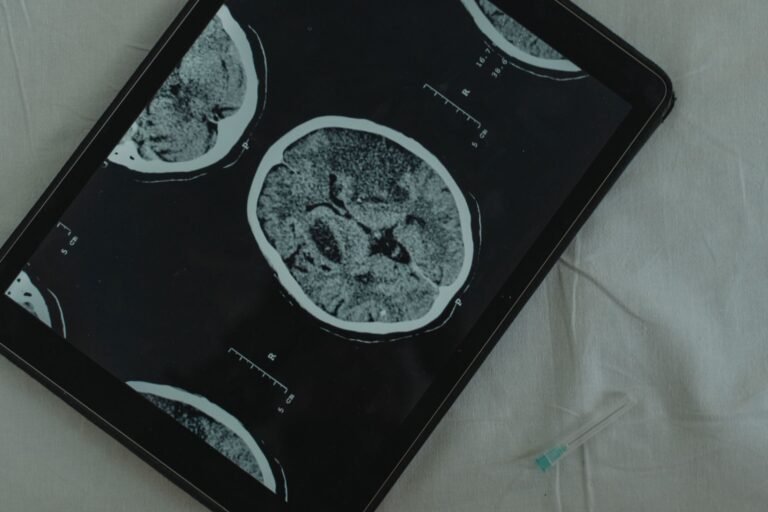
This reversal in symptom priority has real consequences for diagnosis and care planning. Families sometimes hear that “it’s not Alzheimer’s, so it’s probably not dementia at all,” which delays further investigation. Yet FTD is the second most common dementia in people under 65 and accounts for a significant portion of early-onset dementias. The behavioral presentation—a person becoming less like themselves emotionally and socially—is actually more typical of FTD than of Alzheimer’s disease in younger patients. Recognizing this pattern and insisting on neuroimaging and specialist evaluation is critical. An MRI or PET scan showing frontotemporal atrophy, combined with behavioral symptoms and apathy, can establish diagnosis far more efficiently than waiting for the memory problems that may never come.

Age of Onset and Who Is Most at Risk
Frontotemporal dementia typically begins around a mean age of 52.8 years, with roughly 60% of cases diagnosed between ages 45 and 64. This relatively early onset distinguishes FTD from Alzheimer’s, which more commonly affects people in their 70s and 80s. The fact that FTD strikes people in their prime working and family-raising years carries enormous consequences—job loss, premature retirement, family disruption, and long-term caregiving responsibilities falling on spouses and adult children when those individuals are still managing their own careers and responsibilities. An estimated 50,000 to 60,000 people in the United States have behavioral variant FTD or primary progressive aphasia, yet because the disease is rarer and less recognized than Alzheimer’s, many live years with misdiagnosis or without diagnosis at all.
Genetic factors play a significant role in FTD. Research has identified five genetic loci associated with frontotemporal dementia, and some families carry mutations with 100% penetrance—meaning anyone who inherits the mutation will develop the disease if they live long enough. This genetic component adds another layer of complexity for families: younger adult children of affected parents may face their own risk of developing FTD. Genetic counseling and testing can clarify risk for relatives, though such information comes with psychological weight. For those without identified genetic mutations, the cause of FTD often remains unknown, classified as sporadic frontotemporal dementia.
What to Do When You Recognize These Early Warning Signs
If you recognize apathy, behavioral changes, or loss of empathy in a family member or close friend, the first step is to document specific observations and timeline. Note when the changes began, what behaviors you’re noticing, and how they’ve progressed. Has the person lost interest in activities they used to enjoy? Are they making uncharacteristic decisions or saying offensive things? Have they become emotionally withdrawn or stopped initiating contact? Write these details down—they’ll help clinicians understand the pattern. Schedule an appointment with a neurologist or memory specialist, not a psychiatrist, as your starting point.
Bring your observations and family medical history. Request neuroimaging—MRI or PET scan—as part of the evaluation. If the neurologist suspects FTD, they may refer to a specialized memory or cognitive neurology center like the UCSF Memory and Aging Center or Johns Hopkins Medicine’s dementia program. Early diagnosis doesn’t offer a cure, but it offers something valuable: clarity, access to clinical trials, time to plan for the future, and the opportunity to rule out treatable conditions that mimic dementia. It also allows family members to understand that the person’s behavior reflects neurological change, not laziness or deliberate unkindness—a reframe that can shift how families approach caregiving and communication.
Conclusion
Apathy and loss of motivation are the early warning signs of frontotemporal dementia that family members notice first, often before memory problems emerge or any cognitive decline becomes obvious. Because these changes can be mistaken for depression, stress, or personality quirks, they frequently go unrecognized for months or years, delaying diagnosis and preventing families from accessing support and planning. The behavioral shift—someone becoming less engaged, less empathetic, less inhibited, and less driven—represents damage to the brain regions that control personality, decision-making, and emotional connection.
If you recognize these patterns in someone close to you, advocate for neurological evaluation rather than accepting a psychiatric diagnosis as the final answer. Document specific changes, seek a specialist, and request imaging. Early recognition and diagnosis of frontotemporal dementia won’t reverse the disease, but it clarifies the path forward for both the person affected and their family—transforming confusion and blame into understanding and preparation.
You Might Also Like
- The Dementia Type That Affects Personality Before Memory and How to Spot It Early
- The Dementia Type That Affects Personality Before Memory and How to Spot It Early
- Why Frontotemporal Dementia Is Often Misdiagnosed as Depression or Midlife Crisis
For more, see Alzheimer’s Association — clinical trials.