
Individuals living sits at the center of this dementia and brain health question.
Individuals living with memory loss discover community and belonging through structured support groups, specialized dementia programs, and community centers specifically designed for people with cognitive decline. Organizations like the Alzheimer’s Association operate peer-led and professionally-led support groups available both in-person and virtually across the country, making connection accessible whether someone is in Seattle or a rural town hundreds of miles from major medical centers. The Memory Hub, located on the Frye Art Museum campus in the Seattle area and spearheaded by the UW Memory and Brain Wellness Center, exemplifies how dementia-specific community centers create spaces where people living with memory loss participate together in programs like Elderwise, building genuine social connection rather than isolation. This article explores where these communities exist, what makes them effective, the barriers people face in finding them, and how belonging—not just support—transforms the dementia experience.
Table of Contents
- What Support Groups and Community Programs Do for People Living with Memory Loss
- The Scale of Isolation Without Community—Why Connection Matters
- Real-World Models: The Memory Hub and National Programs
- How to Find and Access Community Resources
- Caregiver Burden and the Cost of Care Without Community Support
- Emerging Models: Technology and Culturally-Informed Community
- The Future of Dementia Community: Addressing the Care Worker Crisis
- Conclusion
What Support Groups and Community Programs Do for People Living with Memory Loss
support groups serve as anchors in what can feel like a lonely diagnosis. When someone receives a memory loss diagnosis, the instinct is often to withdraw, fearing judgment or that others won’t understand the daily frustrations of searching for a word or repeating questions. The Alzheimer’s Association operates specialized groups nationwide—some for people in early stages, others for those further along in the disease, and separate groups for their spouses and adult children serving as caregivers. By calling 800.272.3900, individuals can connect with groups meeting both in-person and virtually, removing geographical barriers that might otherwise keep someone isolated.
The Alzheimer’s Foundation of America similarly provides support groups and caregiving resources, recognizing that belonging happens through repeated contact with others who genuinely understand. What distinguishes effective community programs is that they move beyond symptom discussion to actual social engagement. Programs like Elderwise at The Memory Hub don’t position people with dementia as patients in waiting rooms but as participants in shared activities—art classes, music sessions, or simple conversation over coffee—where the focus is on what people can still do rather than what they’ve lost. This reframing transforms the experience from “I’m sitting in a support group because I’m sick” to “I’m participating in my community because I belong here.”.

The Scale of Isolation Without Community—Why Connection Matters
Current data underscores just how critical these communities are: 5.6 million people in the United States are living with dementia as of 2025, with 5.0 million of those aged 65 and older. For most of them, memory loss didn’t come with a map to community—they had to find it themselves, and many never do. Without access to support groups or community programs, people living with memory loss often experience profound isolation, not because they are unwilling to socialize, but because stigma, transportation barriers, and the cognitive challenges of memory loss make everyday social participation increasingly difficult. A person in early-stage memory loss may attend church but feel embarrassed when they can’t follow conversations.
They might want to continue with their book club but fear repeating comments. The gap between desire for belonging and ability to navigate traditional social spaces grows with cognitive decline. However, when dementia-specific communities exist and are accessible, the difference in quality of life measures is significant. research consistently shows that people with dementia who participate in peer support groups and community programs report higher life satisfaction, less depression, and a stronger sense of identity beyond their diagnosis. These aren’t outcomes driven by medication—they’re outcomes driven by being known, being welcome, and being treated as a person first.
Real-World Models: The Memory Hub and National Programs
The Memory Hub represents what happens when a major research institution—the UW Memory and Brain Wellness Center—partners with community to create physical and social space for people living with memory loss. Located on the Frye Art Museum campus, this positioning sends a signal: you belong in a place of beauty and culture, not just in a clinic. Elderwise, one of their signature programs, brings people with memory loss together regularly, with trained facilitators who understand dementia and know how to create an environment where someone can contribute meaningfully even when memory is unreliable. A participant might not remember what they discussed last week, but they remember the faces of people they see each Tuesday, and that repetition builds a sense of community.
At the national level, the Alzheimer’s Association’s support group network functions as a distributed model of the same principle. Rather than requiring people to travel to a single physical location, the Association has built infrastructure across states so that nearly every region has in-person groups, and for those in isolated areas, virtual options. This includes specialized tracks: early-stage groups for people recently diagnosed who are still navigating independent life; groups for younger-onset dementia, which carries different challenges than late-onset; and robust caregiver support. The specificity matters—a 45-year-old with primary progressive aphasia has different concerns than an 82-year-old with Alzheimer’s, and programming that acknowledges those differences shows that community understands people as individuals, not as a monolithic “dementia population.”.

How to Find and Access Community Resources
Finding these communities requires knowing where to look, which itself can be a barrier if someone is newly diagnosed and overwhelmed. The clearest entry point is calling the Alzheimer’s Association at 800.272.3900 to ask about support groups in your area and to get connected—whether you’re the person with memory loss or a family caregiver. That single phone call can connect you to a schedule of in-person meetings, virtual groups, and educational workshops. For those in regions served by programs like The Memory Hub, searching for dementia-specific community centers in your area (often housed at museums, senior centers, or medical institutions) is worthwhile, as these programs frequently offer social activities beyond traditional support group formats.
However, there’s a significant caveat: accessibility varies dramatically by geography and resources. Major urban areas with research institutions tend to have robust programming, while rural and underserved communities often have limited options. Additionally, some people with advancing dementia may require transportation assistance or need programs that accommodate behavioral changes—and not all community programs are equipped for complex cases. For those facing these barriers, virtual support groups through the Alzheimer’s Association become essential, though they require technology access and comfort with video platforms, which isn’t universal. This gap between available programming and actual access remains a real limitation of even well-intentioned community initiatives.
Caregiver Burden and the Cost of Care Without Community Support
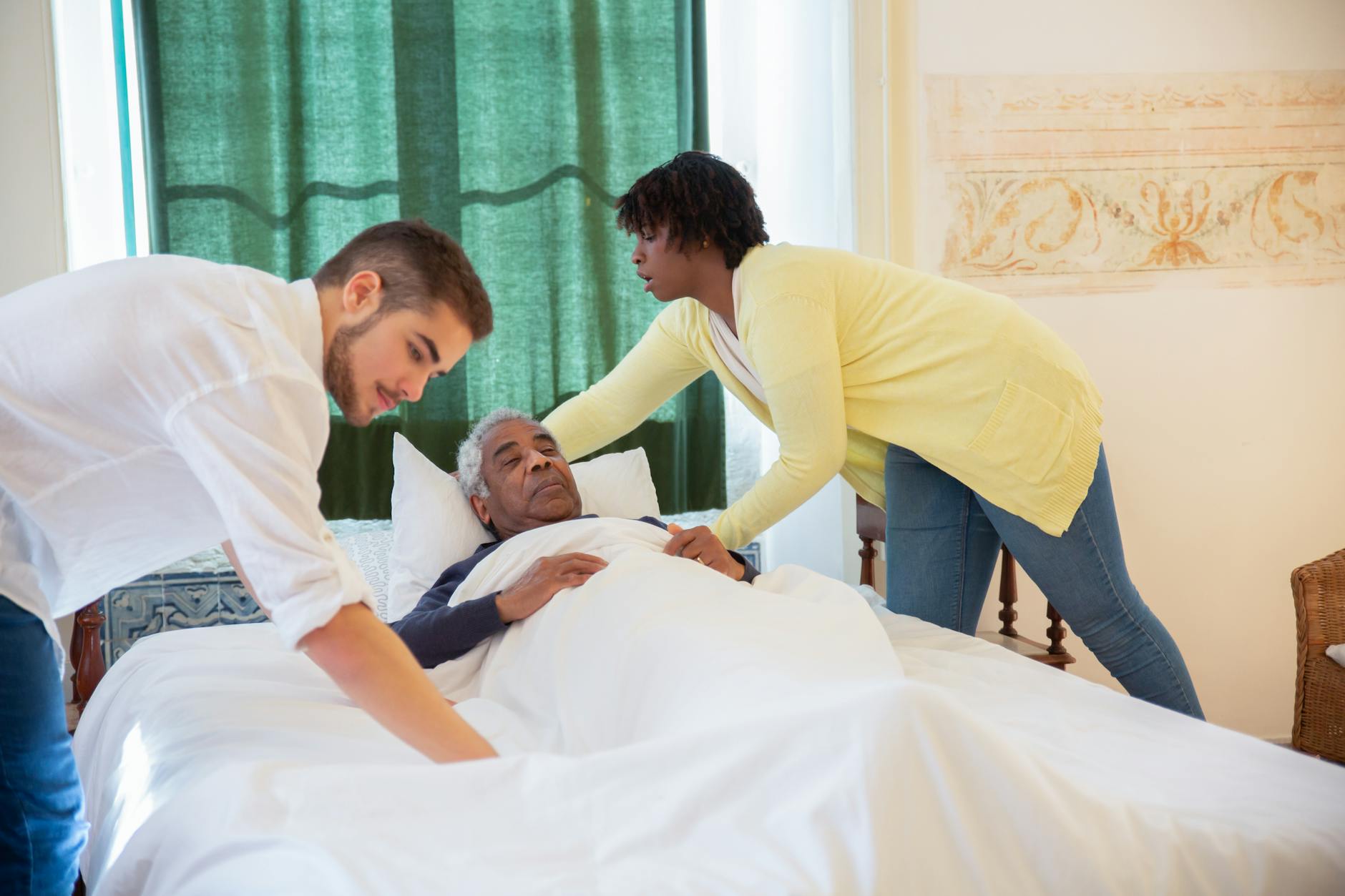
While individuals living with memory loss need community for their own sense of belonging and identity, the people caring for them need it for survival. Family members and friends provide 6.8 billion hours of care annually to people with dementia, at a value of $247 billion in unpaid labor (2026 data). That’s an almost incomprehensible amount of invisible work happening in homes, with the majority provided by spouses and adult children who often have no training in dementia care, no respite from the demands, and no peer group to help them process the emotional toll.
One of the critical functions of caregiver support groups—whether through the Alzheimer’s Association or the Alzheimer’s Foundation of America—is creating space where someone can say, “I lost my patience today and I shouldn’t have,” and find immediate understanding rather than judgment. Caregivers in support groups report lower rates of depression and anxiety, better sleep, and increased ability to persist in the role. The warning here is essential: without adequate support systems, caregiver burnout accelerates dementia decline in the person being cared for (through increased stress and reduced engagement), creating a downward spiral. Community support for caregivers is thus not a nice addition—it’s a necessary intervention in the quality of dementia care itself.
Emerging Models: Technology and Culturally-Informed Community
Recognizing that traditional support groups haven’t reached everyone, the National Institute on Aging is funding initiatives like the Engaging Communities of Hispanics/Latinos for Aging Research Program and the Community-Engaged Health Equity Research in Neuroscience Initiative. These programs acknowledge that dementia support communities historically haven’t served underrepresented populations well—whether due to language barriers, cultural mistrust of medical institutions, or lack of programming that honors different family structures and caregiving traditions. Community organizations are now co-designing dementia studies and implementing evidence-based caregiving programs specifically for populations that have been marginalized in dementia research and care.
Technology is also expanding access in ways traditional support groups couldn’t. Virtual support groups allow someone living alone in a rural area to connect weekly with peers. Smartphone apps designed for people with mild cognitive impairment can help with memory aids and social coordination. However, technology solutions work best as supplements to, not replacements for, in-person community—humans need face-to-face connection to build the sense of belonging that transforms isolation into participation.
The Future of Dementia Community: Addressing the Care Worker Crisis
As dementia prevalence continues to climb, one structural challenge looms large: between 2022 and 2032, the United States needs approximately 900,000 additional direct care workers to meet dementia care demands—the largest worker shortage of any single occupation in the country. This shortage means that professional care (in-home aides, adult day programs, assisted living) will become increasingly expensive and difficult to access for most families. In this context, robust peer-led and community-based support networks become not just important for quality of life—they become necessary infrastructure.
Communities that build strong dementia-aware social ecosystems now will be better positioned to maintain care quality as professional care services become strained. Looking ahead, the most effective dementia communities will likely blend professional expertise with peer support, use technology strategically to extend reach, and ensure that programming reflects the diversity of people living with dementia. The goal is not warehousing people in disease-specific bubbles but creating bridges so that people living with memory loss remain active participants in their broader communities—attending museums, parks, and gathering places with appropriate support and accommodation.
Conclusion
Individuals living with memory loss discover community and belonging through support groups, specialized programs like Elderwise, and community centers intentionally designed for people with dementia. These spaces exist because isolation is not inevitable after a dementia diagnosis—it’s a choice made by society when we don’t invest in belonging. The Alzheimer’s Association, the Alzheimer’s Foundation of America, and pioneering programs like The Memory Hub have created models that work, reaching millions of people and transforming their experience from one of shame and withdrawal to one of connection and purpose.
If you or someone you care for is living with memory loss, reaching out to community resources isn’t an admission of failure—it’s an act of self-care and wisdom. Call the Alzheimer’s Association at 800.272.3900, search for dementia-specific community centers in your area, or look into virtual support groups if in-person options aren’t available. Belonging is possible after memory loss. You’re not alone, and community is waiting.
You Might Also Like
- From the Airwaves: How a Broadcasting Legend Confronts Memory Loss
- Finding Connection and Support in Spaces Designed for Those with Cognitive Decline
- Finding Connection and Support in Spaces Designed for Those with Cognitive Decline
For more, see National Institute on Aging.





