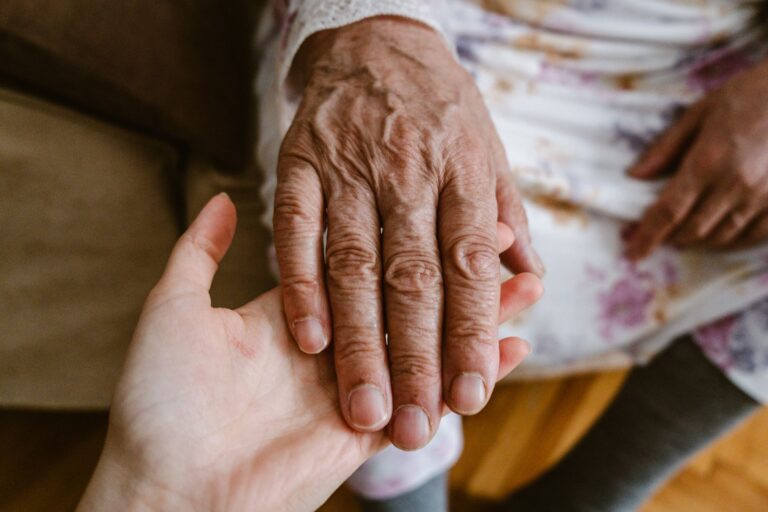
Finding connection sits at the center of this dementia and brain health question.
Finding connection and support when facing cognitive decline—whether you’re experiencing it yourself or caring for someone who is—starts with understanding that you are not alone in this journey. Across America, 7.2 million people aged 65 and older are currently living with Alzheimer’s dementia, with that number projected to nearly double to 13 million by 2050. Globally, more than 55 million people are living with dementia. Beyond those directly affected, nearly 12 million Americans serve as unpaid caregivers, investing an estimated 19 billion hours of care annually—care valued at over $413 billion. What this means practically is that there are now more resources, support spaces, and communities designed specifically for people navigating cognitive decline than ever before, from peer-led support groups to online communities to specialized day programs that allow people to remain at home while receiving comprehensive care and social engagement.
This article explores the landscape of these spaces—where to find them, how they work, what benefits they offer, and what limitations to understand when seeking support. The shift toward better support for cognitive decline has accelerated significantly. Organizations like the Alzheimer’s Association provided care and support services more than 10 million times in 2024 through consultations, support groups, and education programs. Care models are evolving too, with a 2025 emerging consensus pointing toward universal, comprehensive, proactive, local, and integrated approaches that treat dementia care as a full-life issue rather than a crisis management problem. Understanding what kinds of spaces and support exist—and which one fits your specific situation—is the essential first step.
Table of Contents
- Why Connection Matters When Cognitive Skills Are Changing
- Formal Support Groups: What They Offer and When They Work Best
- Day Programs and Comprehensive Care Models for Social Engagement
- Online Communities and Digital Connection: Flexibility Versus Depth
- The Caregiver Workforce Crisis and Its Impact on Available Support
- The Science Behind Helping and Volunteering
- The Shift Toward Proactive, Community-Based Models
- Conclusion
Why Connection Matters When Cognitive Skills Are Changing
When someone develops cognitive decline or dementia, the instinct is often to focus entirely on medical interventions, memory exercises, and cognitive testing. But research increasingly shows that social connection itself is a protective and therapeutic factor. A significant clinical trial called I-CONECT, involving nearly 200 adults age 75 and older, found that regular internet-based calls and virtual connection could help lower the risk of cognitive decline and social isolation. The mechanism isn’t mysterious—engaging with other people, sharing experiences, and maintaining a sense of belonging activates neural pathways and provides emotional regulation that matters to both brain health and quality of life.
Beyond preventing further decline, connection addresses a core emotional reality: cognitive changes are isolating. Many people with early dementia experience shame or anxiety about memory loss, which often leads them to withdraw from social activities. Simultaneously, family caregivers often feel trapped in the role of medical manager, losing the reciprocal human connection they had before. Support spaces—whether structured support groups or informal online communities—restore that sense of being with others who truly understand the experience. These spaces normalize what’s happening, reduce stigma, and provide practical advice from people who are living the same challenges in real time.

Formal Support Groups: What They Offer and When They Work Best
The Alzheimer’s Association operates the largest network of support groups in the United States, offering both peer-led and professionally-facilitated options in formats ranging from in-person meetings to virtual sessions available around the clock. You can call 800.272.3900 any hour to connect with a support specialist or find a group, and the organization runs specialized groups designed for specific populations—for example, groups for people in early-stage dementia, groups for adult children caring for parents, and groups for spouses. Similarly, the Alzheimer’s Foundation of America provides free support groups led by licensed social workers trained specifically in dementia care, ensuring that facilitators understand both the medical aspects and the emotional weight of the experience.
The advantage of formally-facilitated groups is structure, trained guidance, and accountability. A social worker leading a group knows how to navigate conversations about difficult emotions, redirect caregiver shame or burnout, and ensure that the space remains focused and productive. However, the limitation is availability—not every town has groups meeting at times that fit your schedule, and some people feel more comfortable with peer-led options where there’s less clinical structure. For these people, the Alzheimer’s Association also maintains ALZConnected®, a free online community where people affected by dementia can ask questions, share stories, and find peer support asynchronously, without needing to attend a specific meeting at a specific time.
Day Programs and Comprehensive Care Models for Social Engagement
Beyond support groups, a different kind of space has emerged to address the reality that many people with dementia need both ongoing social activity and basic health monitoring—but also want to remain living in their own homes and communities. On Lok PACE (Program of All-Inclusive Care for the Elderly) centers exemplify this newer model. PACE provides daily cognitive, physical, and social activities specifically designed for people with dementia and Alzheimer’s, while also delivering medical and daily living support. A person might attend a PACE center three or four days a week, engaging in structured activities, meals, exercise, and social time with peers, while still sleeping at home and maintaining family relationships the other nights of the week.
The program includes transportation, which removes a significant barrier for people who don’t drive or whose condition makes driving unsafe. A real limitation of PACE and similar day programs is that they’re not universally available yet—they exist in select areas of the country. If you don’t live in a location with PACE, other options might include adult day centers affiliated with senior centers or assisted living facilities, community colleges that offer daytime classes and social activities, or religious congregations that have specific senior ministries. However, these alternatives may not have the same medical integration that PACE provides. The emerging care model recommended by dementia experts in 2025 is moving toward exactly what PACE does—local, comprehensive, proactive, and integrated services—but scaling that model nationwide is a workforce challenge we’ll discuss next.

Online Communities and Digital Connection: Flexibility Versus Depth
Online dementia communities have grown substantially, and for many people—especially those with mobility challenges, unpredictable caregiving schedules, or geographic isolation—they are irreplaceable. These communities allow people to log on at 2 a.m. if they can’t sleep, ask a question about medication side effects or difficult behaviors, and receive responses from others who’ve walked the same path. Research on online communities confirms that they reduce caregiver stress, provide access to collective wisdom, and create a sense of belonging that can be harder to find in geographically-bound groups.
The major tradeoff is that online community connection is asynchronous and text-based, which means it can feel less immediately present than sitting across a table from someone. For people who are experiencing depression alongside cognitive decline, the absence of real-time human presence sometimes reinforces isolation rather than reducing it. The practical comparison is this: If your need is information-seeking, late-night emotional regulation, or connection to people in similar circumstances who can offer specific advice, online communities excel. If your primary need is to get out of the house, to experience in-person social stimulation, or to feel physically held and supported, you need in-person spaces. Most people find they need both—perhaps attending a monthly in-person support group while also checking into an online community several times a week.
The Caregiver Workforce Crisis and Its Impact on Available Support
The infrastructure for supporting people with cognitive decline faces a critical constraint: there simply aren’t enough direct care workers. The United States needs nearly 900,000 additional direct care workers between 2022 and 2032 to care for people with dementia—the largest worker shortage of any single occupation in the country. This shortage affects the availability and quality of all the support spaces mentioned above. Support groups might have fewer facilitators available. Day programs might have waitlists.
Home care agencies might not be able to provide consistent staff. For anyone seeking support right now, this means planning ahead when possible and understanding that the care worker you find or the program you connect with might have higher-than-ideal caseloads. One implication is that informal support structures—peer support, family networks, faith communities—become even more essential to fill the gap that formal services cannot yet meet. Another is that digital solutions like the I-CONECT internet call programs and online communities become strategically important, because they can reach more people with fewer human-resource constraints than in-person services require. However, if you are a caregiver, don’t wait passively for systemic solutions. The fact that support exists matters even if it’s sometimes hard to access.

The Science Behind Helping and Volunteering
Recent research offers an unexpected finding about connection and cognitive health: both formal volunteering and informal helping—assisting neighbors, relatives, or friends—are linked to noticeably slower cognitive decline over time. For people in early-stage dementia who haven’t lost capacity, staying engaged in helping others (even in small ways) appears to have neurological benefit. This challenges the common narrative that once someone receives a cognitive decline diagnosis, their role shifts entirely to receiving care.
Even limited helping—teaching someone a skill, contributing to a family decision, providing emotional support to another person—activates cognitive function and maintains social identity. For caregivers, this research also reframes the caregiver role itself. While caregiver burden is real and shouldn’t be minimized, research suggests that the relational act of caring—when it doesn’t slide into isolation or complete loss of self—has neurological benefits for the caregiver too. This doesn’t mean caregiving prevents cognitive decline, but it suggests that structured support that allows caregivers to maintain some of their own social connections and sense of purpose, not just their caregiving duties, is neurologically sensible.
The Shift Toward Proactive, Community-Based Models
The emerging consensus in dementia care—reflected in 2025 research and guidance from organizations like Frontiers in Dementia—points toward a significant shift in how support should be designed and delivered. Rather than crisis-driven, reactive systems where people seek support only after a major decline or acute incident, the new model emphasizes universal access, comprehensive services, proactive outreach, local availability, and integration across medical, social, and daily-living support. What this means in practice is that support spaces are becoming earlier-entry and community-embedded rather than institutional and late-stage.
This shift creates an opportunity: if you’re beginning to worry about cognitive changes in yourself or a loved one—not even diagnosed yet, just noticing things—you don’t necessarily need to wait for a formal diagnosis before reaching out to a support group or online community. Many Alzheimer’s Association groups now welcome people in pre-diagnostic or worried stages. Being part of a community before crisis hits creates continuity and means you’re not suddenly isolated when decline accelerates.
Conclusion
Finding connection and support in spaces designed for cognitive decline is no longer an option reserved for people in advanced stages or those with exceptional resources. Whether you access peer-led support groups, professionally-facilitated programs, day centers like PACE, online communities, or some combination of all four, the critical step is starting—reaching out to the Alzheimer’s Association, connecting to an online community, or asking your doctor for a referral to a local program. The science is clear that connection protects against further decline, reduces caregiver burden and isolation, and maintains a sense of dignity and belonging when cognitive changes are happening. The landscape of support is imperfect.
Geographic availability is uneven, the workforce shortage creates capacity limits, and finding the right fit sometimes takes trial and error. But for the 7.2 million Americans living with Alzheimer’s dementia and the 12 million providing care, the spaces and services that exist represent a genuine shift toward recognizing that cognitive decline affects whole people in communities, not just isolated individuals. Start by calling 800.272.3900 or visiting Alzheimer’s Association online resources if you’re in the U.S., or connecting to an online community if in-person options don’t fit your circumstances. You don’t have to navigate this alone.
You Might Also Like
- Finding Connection and Support in Spaces Designed for Those with Cognitive Decline
- New Research Reveals How Movement May Guard Against Cognitive Decline
- How new policy brings professional home support to families with newborns
For more, see Alzheimer’s Association.