Brain decline sits at the center of this dementia and brain health question.
Brain decline in legendary athletes during retirement is not a rare occurrence—it is the norm for many who spent careers in contact sports. Research from Boston University shows that 345 out of 376 former NFL players studied (91.7%) were diagnosed with chronic traumatic encephalopathy (CTE), a degenerative brain disease directly linked to repeated head impacts during their playing years. Former professional football players face approximately three times the risk of developing dementia compared to the general population, with some athletes, particularly boxers, facing hazard ratios of 3.6 for dementia and 4.1 for Alzheimer’s disease. For athletes who spent decades heading soccer balls, tackling opponents, or absorbing thousands of impacts from pucks and helmets, retirement brings not just the end of their athletic careers but the slow onset of cognitive decline that can manifest as memory loss, mood changes, behavioral problems, and eventually severe dementia.
This article explores the science behind brain decline in retired athletes, the specific risks across different sports, the challenges in diagnosing these conditions, and what retired athletes and their families can do to navigate this difficult journey. The mechanism driving this decline is chronic traumatic encephalopathy (CTE), a neurodegenerative condition that develops in response to repeated impacts to the head rather than from single, severe concussions. What makes CTE uniquely devastating is that it can begin to develop while an athlete is still competing, with changes in the brain occurring years before any noticeable symptoms emerge. By the time a legendary athlete retires at the peak of their fame and financial security, the foundation for cognitive decline may already be established in the cellular structure of their brain.
Table of Contents
- How Prevalent Is CTE Among Professional Athletes?
- The Biology of Brain Damage in Retired Athletes
- The Progression of Cognitive Decline During Retirement Years
- Risk Variation Across Sports and Impact Exposure
- The Diagnostic Dilemma in Retirement
- Life After Retirement: Managing Cognitive Changes
- Emerging Research and the Future of Prevention
- Conclusion
How Prevalent Is CTE Among Professional Athletes?
The prevalence of CTE in professional athletes is staggering, far exceeding rates in the general population. Of the 376 former NFL players whose brains were studied postmortem at Boston University’s CTE Center, 345 had CTE—meaning 91.7% showed definitive pathological evidence of the disease. When looking at specific populations, the numbers are even more striking: 99% of the studied NFL players’ brains showed signs of CTE, 96% of studied NHL (ice hockey) players did, and among younger athletes with exposure to repeated head impacts, over 40% were found to have CTE upon brain examination. These aren’t borderline cases or early-stage disease; these are confirmed diagnoses showing significant pathological changes associated with permanent cognitive damage.
The prevalence extends beyond the big professional leagues. In a study of 152 deceased athletes under age 30 who had been exposed to repeated head injuries through sports, researchers found that 63 individuals (41%) had CTE on brain examination. These young athletes came from football, ice hockey, soccer, rugby, and wrestling—a reminder that while professional athletes face the highest risk, the damage can begin in high school and college athletes whose brains are still developing. However, it’s important to note that not every athlete with a history of head impacts develops CTE; the variation in individual susceptibility suggests that factors like genetics, impact force, number of exposures, and perhaps age at exposure all play a role in determining who will develop this disease.
The Biology of Brain Damage in Retired Athletes
Repeated head impacts don’t immediately kill brain cells, but they do trigger a cascade of damage that unfolds over years and decades. Research published in Science Translational Medicine demonstrates that the blood-brain barrier—a protective membrane that controls which substances can cross from the bloodstream into brain tissue—becomes disrupted years after an athlete’s exposure to repetitive head impacts. The greater the disruption in this barrier, the poorer the athlete’s cognitive performance tends to be, even if they haven’t yet developed a formal dementia diagnosis. This means that a retired football player at age 45 might begin experiencing subtle memory problems or difficulty with concentration not as a symptom of diagnosed disease, but as a direct consequence of structural damage to the brain’s protective systems that occurred during their playing years.
The insidious nature of this damage is that it progresses silently. A legendary athlete might retire feeling fine, pass routine medical exams, and yet have pathological changes actively accumulating in their brain tissue. These changes eventually lead to the accumulation of abnormal tau protein—a hallmark of CTE that spreads through the brain in a predictable pattern, beginning in areas associated with mood regulation and impulse control before progressing to areas involved in memory and executive function. Unlike a stroke or traumatic brain injury, which causes immediate, obvious symptoms, CTE often produces years of subtle decline: a championship quarterback who finds reading contracts more difficult, a Hall of Fame linebacker whose family notices mood swings or irritability, a soccer legend who struggles to follow the nuances of commentary during games.
The Progression of Cognitive Decline During Retirement Years
The timeline of cognitive decline in retired athletes varies, but patterns are emerging from longitudinal studies. Athletes with multiple sport-related concussions (typically those with 10 or more in their lifetime) show declined performance in immediate recall, visuospatial ability, and reaction time—the very skills that made them legendary during their playing days. For some, the decline is gradual and almost imperceptible in the early years; a former player might attribute occasional forgetfulness to normal aging or stress. For others, particularly those with the most severe repetitive impacts, cognitive symptoms can emerge relatively quickly after retirement, within 5 to 15 years of their final playing season.
The manifestation of cognitive decline also depends on the stage of CTE. Younger individuals with CTE—including some deceased athletes in their 20s and 30s—tend to exhibit mood and behavioral symptoms first: aggression, depression, substance abuse, and personality changes that their families describe as dramatic shifts from who they were as young adults. Older retired athletes more typically develop cognitive impairments: memory loss, confusion, difficulty with problem-solving, and eventually the full constellation of dementia symptoms. This distinction matters for families and caregivers because it affects what to expect and how to respond. A retired boxer whose depression and anger escalated after his playing days ended may need psychiatric intervention and support; a former football player whose memory decline becomes pronounced in his late 60s may require memory care and cognitive rehabilitation.

Risk Variation Across Sports and Impact Exposure
Not all sports carry equal risk for CTE development, though the differences are sometimes smaller than expected. The FIELD study of 11,984 former football players showed a hazard ratio of approximately 3 for dementia compared to controls—meaning football players are three times more likely to develop dementia than men of similar age from the general population. Former boxers face an even higher ratio: 3.60 for dementia and 4.10 for Alzheimer’s disease specifically, reflecting the unique trauma of repeated blows to the head in a sport where head protection is minimal and direct impacts are the point. Soccer players, who head the ball thousands of times during their careers, showed elevated but somewhat lower risk: a hazard ratio of 1.55 for dementia and 2.07 for Alzheimer’s disease.
These comparisons reveal something important: the nature of impact matters. A boxer absorbing focused, high-force blows to the head faces worse outcomes than a soccer player heading a ball, even though both involve repetitive impacts. However, this shouldn’t be misinterpreted as “soccer is safe”—a hazard ratio of 1.55 still means a former professional soccer player faces substantially more dementia risk than the general population. The comparison highlights that there is no safe threshold for repetitive head impacts; there is only a dose-response relationship where more impact equals more risk. For retired athletes considering research studies or clinical trials that might help them, knowing the specific risk profile for their sport can help them understand what to watch for and when to seek evaluation.
The Diagnostic Dilemma in Retirement
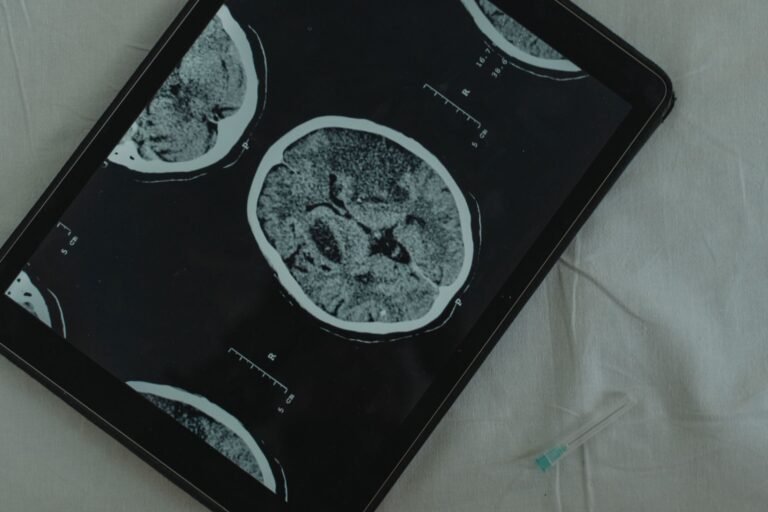
One of the cruelest aspects of CTE in retired athletes is that definitive diagnosis is only possible at autopsy. A legendary athlete experiencing memory loss, mood changes, and cognitive decline can undergo PET scans, MRI imaging, cognitive testing, and neurological examinations, but no test currently available can definitively confirm CTE during life. Researchers are working on blood-based biomarkers that might eventually enable diagnosis in living patients, but as of now, the only way to know for certain that an athlete has CTE is to examine the brain tissue after death. This means a retired player struggling with cognitive decline faces uncertainty about the cause, which complicates treatment decisions and can lead to misdiagnosis as Alzheimer’s disease, Parkinson’s disease, or primary psychiatric conditions.
The challenge is compounded by the fact that CTE is not the only potential cause of cognitive decline in a retired athlete’s brain. A 70-year-old former football player with memory loss might have Alzheimer’s disease, cerebrovascular disease, Lewy body dementia, or CTE—or any combination of these conditions. Clinical assessment can suggest which diagnosis is most likely based on the pattern of cognitive decline, the timeline of symptom onset, and the presence of behavioral changes, but this remains educated guessing rather than certain knowledge. For families and retired athletes, this diagnostic uncertainty means that care and treatment plans must often be adjusted empirically: if one medication or intervention helps, continue it; if it doesn’t, try something else. Additionally, there is no cure for CTE, only management of symptoms, which underscores the importance of prevention during active athletic careers.

Life After Retirement: Managing Cognitive Changes
Many legendary athletes struggle with retirement regardless of brain health, but retired athletes with CTE-related cognitive decline face compounded challenges. A Hall of Famer who spent 20 years as the focus of attention, making split-second decisions, reading opponents, and processing complex strategies must suddenly adjust to a slower cognitive pace, unreliable memory, and possible social withdrawal due to mood changes. Some retired athletes find structure and purpose through coaching or athletic administration; others pivot to completely different careers.
Research on retirement and cognitive health suggests that people who engage in volunteer work experience significantly less cognitive decline than those who don’t, pointing to the “use it or lose it” principle where cognitive connections become dormant when not exercised. For a retired athlete with early cognitive decline, engaging in volunteer work that provides cognitive stimulation—mentoring young athletes, sitting on nonprofit boards, teaching, or community service—may offer some protection against further decline, though it cannot reverse damage already done. The challenge is recognizing that cognitive decline may make some of these activities difficult; a retired quarterback with memory problems might struggle to mentor in the way he once could, and acknowledging this limitation while finding ways to contribute despite it requires both honesty and creativity from the athlete and those supporting him.
Emerging Research and the Future of Prevention
Recent research is beginning to shift the conversation from diagnosis and management toward earlier detection and prevention. In January 2026, researchers at UNC Chapel Hill published analysis highlighting that “estimating brain health in retired athletes isn’t straightforward,” emphasizing the complexity of assessing cumulative damage and predicting outcomes. This acknowledgment of complexity is itself progress, because it pushes the field away from simple rules (like “10 concussions = dementia”) toward more nuanced understanding of individual variation in vulnerability and resilience.
The most actionable insight from current research involves prevention and the early post-career period. If repeated impacts cause damage that accumulates silently for years, then reducing the number and force of impacts during active playing years becomes paramount. For current and future athletes, this means improved concussion protocols, enforcement of return-to-play guidelines, use of better-fitting protective equipment, and modified training practices that reduce head impact exposure. For already-retired athletes whose damage is done, the focus shifts to managing cognitive decline, maintaining engagement and purpose, and supporting mental health—particularly given the elevated risks of depression and suicide among athletes with CTE-related symptoms.
Conclusion
Brain decline in legendary athletes during retirement years is a consequence of their sacrifice on the field, court, or ice—a price paid not immediately visible but increasingly understood through decades of research. The statistics are sobering: over 90% of studied professional football players had CTE, and former athletes in contact sports face significantly elevated risks of dementia and cognitive decline. Yet this conclusion is not one of hopelessness. Many retired athletes maintain cognitive function well into their senior years; some develop only mild symptoms despite evidence of CTE pathology; others find that engagement, purpose, and supportive relationships can buffer against or slow decline.
For retired athletes concerned about their brain health, the steps forward involve regular cognitive screening with a neurologist familiar with sports-related injuries, honest conversation with family and caregivers about any symptoms noticed, engagement in cognitively stimulating activities, and attention to overall brain health through exercise, sleep, nutrition, and social connection. For athletes currently playing or considering contact sports, the most important message is preventive: repeated head impacts carry real, documented risks of long-term cognitive decline. Organizations, coaches, and athletes themselves should prioritize impact reduction through rule modifications, enforcement of concussion protocols, and investment in helmet and protective gear technology. The legendary athletes of past generations played in an era when the long-term consequences of head impacts were not fully understood; current and future athletes have the opportunity to benefit from this knowledge and make more informed choices about how they will protect their brains, knowing that their decision will affect not just their athletic performance but the quality of their life decades after their final game.
You Might Also Like
- Why Anesthesia May Increase Dementia Risk and What Patients Can Ask Their Surgeons
- The Memory Care Innovation That Lets Dementia Patients Tend Real Gardens and Cook Their Own Meals
- Why the Dementia Village Concept From the Netherlands Is Now Being Built in 5 US States
For more, see Alzheimer’s Association — clinical trials.