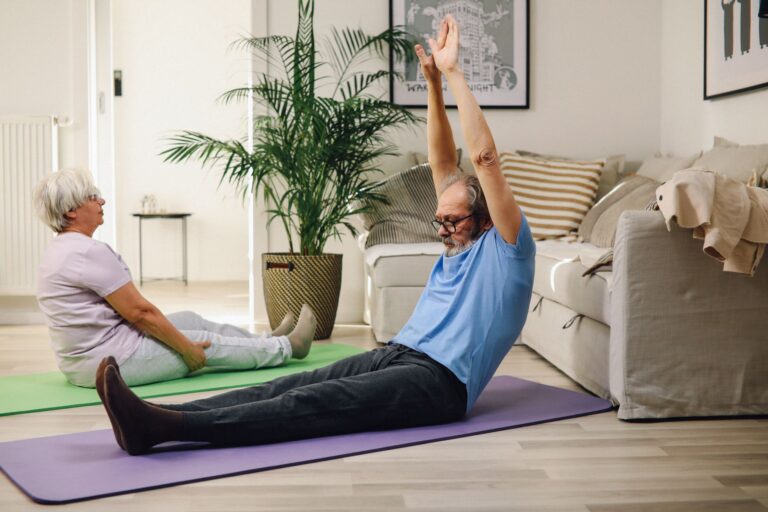
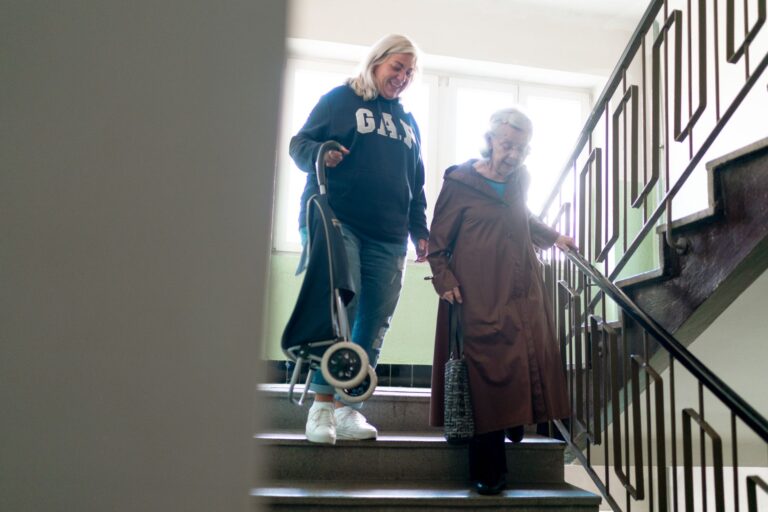
Doctors are increasingly recommending regular exercise as the first-line approach to dementia prevention—ahead of medication. This shift isn’t based on hype; recent research from major institutions like Johns Hopkins and Boston University shows that even modest amounts of physical activity can reduce dementia risk by 41-45%. A groundbreaking 2025 Johns Hopkins study found that just 35 minutes of moderate to vigorous exercise per week was associated with a 41% lower dementia risk over a four-year follow-up period.
The evidence is so compelling that exercise is now being integrated into clinical care protocols as a non-pharmacological strategy, replacing the traditional approach where doctors first prescribed medications to combat cognitive decline. Why this shift matters: medications currently used for cognitive decline have no proven neuroprotective effect on dementia itself, whereas exercise offers demonstrated risk reduction with fewer side effects and better long-term adherence. This article explores the science behind the exercise-first approach, who benefits most, what types of exercise work best, and how to start a dementia-prevention routine that actually fits your life.
Table of Contents
- What Does the Latest Research Say About Exercise and Dementia Risk?
- Why Exercise Beats Medication for Dementia Prevention
- How Much Exercise Do You Actually Need for Brain Protection?
- What Should Your Actual Dementia-Prevention Exercise Plan Look Like?
- What About Cognitive Training and Other Brain-Health Interventions?
- What Other Lifestyle Factors Work Alongside Exercise?
- The Shift in Clinical Practice and What It Means for Prevention
- Conclusion
What Does the Latest Research Say About Exercise and Dementia Risk?
The evidence for exercise as dementia prevention has become impossible to ignore. A 2026 Boston University study found that the timing of exercise matters: people who exercised during midlife (ages 45-64) reduced their dementia risk by 41%, while those who stayed active in late life (ages 65-88) achieved an even greater reduction of 45%. This means it’s never too late to start, and earlier action provides meaningful protection as well. The Johns Hopkins study demonstrated something equally important: the dose doesn’t have to be massive. Even just five minutes of daily physical activity can reduce dementia risk in older adults, making exercise accessible to people with mobility limitations, busy schedules, or chronic health conditions that prevent longer workouts. For those who can commit to more activity, the benefits scale upward.
Research from the NIH shows that 300 or more minutes per week of moderate-to-vigorous activity produces substantial dementia risk reduction. Notably, this doesn’t require spreading the activity throughout the week—research shows that condensing 300 minutes into just one or two days per week still delivers cognitive protection. This matters because some people find it easier to schedule exercise in blocks rather than daily sessions. The consistency of these findings across multiple research institutions and study populations suggests that exercise’s protective effect isn’t a statistical anomaly but a fundamental aspect of how the brain ages. However, a critical limitation exists: much of this research is observational, meaning researchers tracked people over time rather than randomly assigning some to exercise and others to a control group. This means we can’t be entirely certain that the people who exercise are healthy because of the exercise, or whether healthier people are simply more likely to exercise in the first place. That said, the mechanisms behind the effect—improved blood flow to the brain, reduced inflammation, better cardiovascular health—are well-established, lending credibility to the causal relationship.

Why Exercise Beats Medication for Dementia Prevention
The clinical reasoning is straightforward: we simply don’t have effective medications that prevent dementia. While various drugs are prescribed to people with early cognitive decline or diagnosed dementia, research shows these medications have no proven neuroprotective effect—meaning they don’t actually stop or slow the underlying brain changes that cause dementia. They may temporarily address specific symptoms in some people, but they don’t prevent the disease itself. exercise, by contrast, has demonstrated effects on actual brain physiology: increased blood flow, enhanced neuroplasticity (the brain’s ability to form new connections), reduced neuroinflammation, and improved metabolic health. Beyond efficacy, exercise has a crucial advantage in real-world application: adherence and side effects. Medications often come with downsides—memory problems (ironically), dizziness, nausea, or fatigue—that cause people to stop taking them. Exercise, when appropriately prescribed and supported, has fewer and more manageable side effects (occasional muscle soreness or fatigue in early weeks) and typically improves overall quality of life.
A person starting an exercise routine often feels better, sleeps better, and has more energy, which reinforces motivation to continue. Someone taking a medication that makes them feel worse faces the opposite incentive structure. For a condition like dementia where prevention is far more effective than treating advanced disease, the difference in long-term adherence between exercise (which gets easier and feels better over time) and medication (which may feel increasingly burdensome) is significant. One important caveat: exercise doesn’t work equally well for everyone. People with severe physical limitations, advanced dementia, or certain medical conditions may not be able to engage in traditional exercise. Additionally, if someone already has genetic predispositions to early-onset dementia (certain APOE4 gene variants), exercise may provide protection but cannot guarantee prevention. In these cases, a combination approach—exercise plus other cognitive and cardiovascular interventions—becomes more important than relying on either exercise or medication alone.
How Much Exercise Do You Actually Need for Brain Protection?
The good news about dementia prevention through exercise is that the bar is lower than many assume. The oft-repeated guideline of 150 minutes per week of moderate activity is protective, but the newer research shows you can start reaping benefits well before reaching that target. The Johns Hopkins 35-minute-per-week finding is particularly important because it demonstrates that people who exercise modestly—say, 5-7 minutes most days—are seeing meaningful risk reduction. For older adults, this might mean a 20-minute walk on five days a week. For someone with limited time, it could mean 10 minutes of brisk walking or cycling on three days, plus additional activity on weekends. The type of activity matters too, though the good news is that “moderate to vigorous” covers a wide range. Walking briskly (where you can talk but not sing), swimming, dancing, cycling, or even vigorous gardening all count.
What matters is that your heart rate elevates and you sustain the activity for a meaningful duration. Research also supports a multimodal approach—combining aerobic activity with resistance training, balance work, and exercises that engage both body and mind simultaneously (like dance or tai chi). These dual-task cognitive-motor exercises appear to deliver superior cognitive outcomes because they demand coordination and concentration while building physical fitness. For people in their 60s and beyond, resistance training deserves special attention. As we age, muscle loss accelerates and contributes to falls, disability, and reduced activity levels. Adding resistance training—bodyweight exercises, light weights, or resistance bands—twice per week protects both physical and cognitive health. A practical example: someone might do a 20-minute walk three times per week (aerobic), add a 15-minute resistance session twice weekly (strength), and incorporate balance exercises like standing on one leg or heel-to-toe walking during everyday moments. This covers multiple exercise modalities without requiring a separate gym membership or special equipment.

What Should Your Actual Dementia-Prevention Exercise Plan Look Like?
Starting an exercise routine for dementia prevention should begin with a conversation with your doctor, particularly if you have existing health conditions, haven’t exercised regularly, or are over age 65. This isn’t bureaucratic caution; it’s practical safety. Your doctor can identify any contraindications, suggest appropriate starting points, and help you structure something sustainable. For someone who’s been sedentary, jumping into 35+ minutes of vigorous exercise weekly is a recipe for injury or burnout. A better approach is progression: start at your current level and gradually build up. A realistic starter routine might look like this: weeks 1-2, aim for 10-15 minutes of easy walking on four days. Weeks 3-4, increase to 15-20 minutes on four days or add a fifth day at 10 minutes. By week 5-6, you’re close to 35 minutes per week and can begin adding variety—one resistance session per week with basic movements like squats, pushups, or rows.
By week 8-10, you might have a routine of three 20-minute walks, two 15-minute resistance sessions, and some daily balance work. This progression feels manageable rather than overwhelming and allows your body to adapt without injury. The comparison to medication is instructive: you wouldn’t start a new drug at full dose and expect no side effects. Exercise progression works similarly—starting slowly improves long-term adherence and safety. One tradeoff to consider: consistency matters more than intensity. A person who does 20 minutes of moderate walking five times per week gets more dementia protection than someone who does one intense 90-minute workout per week followed by six days of rest. This favors walking, gardening, or other accessible activities over gym memberships or structured classes, because they integrate more naturally into life and don’t require commuting or scheduling around limited class times. However, higher intensity does offer some advantages—it takes less total time to achieve the same cardiovascular benefits—so the “best” approach is whatever you’ll actually do consistently.
What About Cognitive Training and Other Brain-Health Interventions?
While physical exercise is the primary lever for dementia prevention, cognitive training deserves mention because recent research has extended its benefits beyond what was previously appreciated. A 2026 study based on the long-running ACTIVE (Advanced Cognitive Training for Independent and Vital Elderly) research program found that just 5-6 weeks of “speed of processing” cognitive training—exercises that help you process visual information quickly—resulted in a 25% lower dementia risk 20 years later. This is substantial, though notably less than the 41-45% reduction from exercise. The most powerful approach likely combines both: regular exercise plus some form of cognitive engagement, whether that’s puzzles, learning a new skill, reading, or formal cognitive training. One important limitation of cognitive training research: many studies have shown benefits disappear if you don’t continue the training.
Cognitive gains from brain games, for example, often don’t transfer to real-world improvements in memory or thinking speed, and if you stop training, the benefits fade. By contrast, the cognitive benefits of exercise appear more durable—once you’ve built cardiovascular fitness and a habit, the brain gains seem to stick around even if you have gaps in activity. Additionally, cognitive training works best when paired with physical activity. Someone doing cognitive exercises but sitting sedentary likely won’t see the same dementia risk reduction as someone exercising regularly. The evidence points to exercise as the foundation and cognitive engagement as valuable supplementary protection.

What Other Lifestyle Factors Work Alongside Exercise?
Exercise is the most potent single intervention, but dementia prevention isn’t solely about movement. Sleep, diet, cognitive engagement, social connection, and cardiovascular health all contribute independently. However, exercise amplifies all of these: regular exercisers tend to sleep better (which is crucial for the glymphatic system that clears brain waste during sleep), maintain healthier blood pressure and cholesterol (reducing stroke risk and vascular dementia), and often join group exercise classes or sports (providing social engagement, which is itself protective). This means the practical strategy isn’t “exercise or do X other thing”—it’s recognizing that exercise is the keystone habit that often improves other factors automatically.
Diet merits specific mention because the Mediterranean-style diet (high in vegetables, fish, olive oil, nuts) has independent dementia-prevention evidence and works synergistically with exercise. Someone eating a processed-food diet and exercising regularly will still see brain benefits from the activity, but adding better nutrition multiplies the effect. Similarly, managing blood pressure, cholesterol, and blood sugar through exercise and medication (when needed) reduces the vascular damage that contributes to dementia. The practical takeaway: don’t wait for perfect diet or perfect sleep to start exercising. Start moving, and use that momentum to improve other areas gradually.
The Shift in Clinical Practice and What It Means for Prevention
The integration of exercise-first protocols into clinical practice represents a significant departure from historical approaches where doctors prescribed medications first and exercise as an afterthought (if at all). Major institutions and organizations—including ACSM (American College of Sports Medicine)—are now publishing guidelines on exercise prescription specifically for brain health. This doesn’t mean medications are never appropriate, but rather that for asymptomatic people concerned about dementia risk, structured and personalized exercise programs are the first-line recommendation.
This shift also reflects a broader recognition that dementia prevention is largely achievable in today’s world if people act before symptoms appear. The window for prevention is roughly from age 40 onward, and the earlier you start, the more protection you build. Unlike trying to reverse advanced cognitive decline (which is far more difficult), preventing the initial 20-30 years of pathological brain changes through exercise is realistic and accessible. As research continues and these findings solidify into clinical guidelines, we’ll likely see more doctors directly prescribing exercise—not in the informal sense of “you should exercise,” but as a structured, monitored, individualized prescription with specific duration, intensity, and frequency targets, much like they would prescribe medication.
Conclusion
Doctors are prescribing exercise instead of medication as first-line dementia prevention because the evidence overwhelmingly supports it. Thirty-five minutes per week of moderate-to-vigorous activity reduces dementia risk by 41%; even five minutes daily can help. Exercise outdoes medication because medications for cognitive decline have no proven neuroprotective effect, while exercise demonstrably changes brain physiology, improves long-term adherence, and carries fewer side effects. The benefit holds whether you start in midlife or late life, and it compounds when combined with cognitive engagement, cardiovascular health management, and good sleep.
If you’re concerned about dementia risk, your next step is to talk with your doctor about a safe starting point, then commit to consistency over perfection. You don’t need to be an athlete or spend hours per week. You need a sustainable routine—a 20-minute walk five times per week, resistance training twice weekly, or similar activities—that fits your life and that you’ll actually do. The evidence shows that the single most powerful gift you can give your future brain is regular movement today. Everything else follows from that foundation.
You Might Also Like
- The Free Exercise Program for Seniors That 6 States Now Offer Specifically for Dementia Prevention
- The Exercise Routine That UCLA Says Is the Most Effective for Reducing Dementia Risk
- Dementia Care Took All Funds Now Funeral Costs Are Too High
For more, see CDC — Alzheimer’s and Dementia.