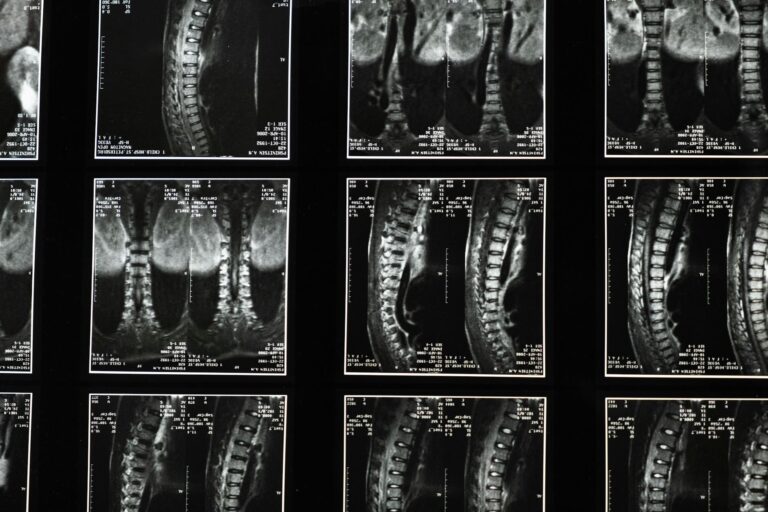
Nerve irritation produces a recognizable cluster of symptoms that ranges from tingling and burning sensations to muscle weakness and visible skin changes. The nine most common symptoms are tingling or “pins and needles,” burning sensations, sharp or shooting pain, numbness or loss of sensation, muscle weakness, excessive sensitivity to touch, increased pain response, muscle twitching or spasms, and skin changes such as dryness or redness. These symptoms can appear individually or in combination, and they often serve as the body’s earliest warning that something is interfering with normal nerve function. Consider someone who begins dropping coffee cups because their grip has weakened, or a person who flinches when a bedsheet brushes against their leg — both are experiencing the consequences of irritated or damaged nerves. For the estimated 20 million people in the United States living with peripheral neuropathy, according to Mayo Clinic data, these symptoms are a daily reality.
What makes nerve irritation particularly relevant to brain health and dementia care is the overlap between neurological decline and peripheral nerve dysfunction. Conditions like diabetes, vitamin deficiencies, and certain medications used in dementia management can all trigger or worsen nerve irritation. This article walks through each of the nine symptoms in detail, explains why they occur, identifies when they demand medical attention, and explores the connection between nerve health and broader neurological well-being. Recognizing these symptoms early matters. Neuropathic pain affects an estimated 7 to 10 percent of the general population worldwide, according to the Cleveland Clinic, and symptoms often worsen over time if the underlying nerve irritation is not treated. The sooner you or a caregiver can identify what is happening, the better the chances of slowing or reversing the damage.
Table of Contents
- What Are the Earliest Warning Signs of Nerve Irritation?
- Sharp Pain and Numbness — When Nerve Irritation Escalates
- Muscle Weakness and Coordination Problems Tied to Nerve Damage
- How to Distinguish Nerve Sensitivity from Other Pain Conditions
- Skin Changes and Overlooked Signs of Nerve Irritation
- The Connection Between Nerve Irritation and Dementia Care
- When to Seek Medical Evaluation and What to Expect
- Conclusion
- Frequently Asked Questions
What Are the Earliest Warning Signs of Nerve Irritation?
The first symptoms most people notice are tingling and burning. Tingling, often described as “pins and needles,” is one of the most commonly reported signs of nerve irritation, according to both the Cleveland Clinic and SEPA Pain & Spine. It typically shows up in the hands, feet, or along the path of the affected nerve, and it signals that the nerve’s ability to transmit signals has been disrupted. Think of it as static on a phone line — the message is still getting through, but it is garbled. A person might feel this while sitting in a chair for too long, but when the sensation persists after changing position, it suggests something beyond simple compression. Burning sensation is the second hallmark early symptom. WebMD and the Cleveland Clinic describe it as a hot or scalding feeling, usually localized around the irritated nerve.
It can range from mild warmth to a sensation intense enough to interrupt sleep. Unlike the tingling, which often comes and goes, burning tends to be more persistent and harder to ignore. For someone caring for a loved one with dementia, these early symptoms can be tricky to catch because the person experiencing them may struggle to articulate what they feel. A caregiver who notices a family member repeatedly rubbing their hands or feet, or pulling away from warm water that should feel comfortable, may be seeing the outward signs of nerve-related burning. What separates nerve irritation from ordinary discomfort is duration and pattern. A foot that falls asleep after sitting cross-legged resolves in minutes. Tingling and burning caused by nerve irritation tends to follow a nerve pathway, recurs without an obvious trigger, and gradually becomes more frequent. When both symptoms appear together, especially in a symmetric pattern affecting both feet or both hands, it is worth bringing to a physician’s attention sooner rather than later.

Sharp Pain and Numbness — When Nerve Irritation Escalates
Sharp or shooting pain represents an escalation from the earlier warning signs. Mayo Clinic and Penn Medicine describe it as sudden bursts of electric shock-like pain that radiate along the nerve pathway — for example, from the spine into the arms or legs. This kind of pain is not constant; it strikes without warning, which can make everyday activities like reaching for a shelf or turning in bed feel unpredictable and threatening. For older adults, the flinch response that accompanies these pain episodes can contribute to falls, making it a genuine safety concern beyond the discomfort itself. Numbness or loss of sensation is, in some ways, the opposite of pain but equally dangerous. According to Mayo Clinic and GoodRx, this symptom indicates that the nerve’s ability to transmit sensory signals is significantly compromised. People typically notice it first in their fingertips, hands, and feet.
The danger here is what you cannot feel: a person with numbness in their feet may not notice a blister, a cut, or a burn, and the resulting injury can become infected before anyone realizes it. In dementia care settings, this is a critical concern. A person who already has difficulty communicating may not report a loss of sensation, and a foot wound can become a serious medical event. However, not all numbness indicates nerve irritation. Numbness that appears suddenly on one side of the body, especially when accompanied by confusion, difficulty speaking, or facial drooping, may indicate a stroke rather than peripheral nerve damage. The distinction matters enormously because the response to a stroke is a medical emergency requiring immediate treatment, while nerve irritation typically calls for a diagnostic workup and a treatment plan that unfolds over weeks or months. When in doubt, treat sudden one-sided numbness as urgent.
Muscle Weakness and Coordination Problems Tied to Nerve Damage
Muscle weakness occurs when motor nerves — the nerves responsible for telling muscles to contract — are affected by irritation or damage. The Cleveland Clinic and GoodRx note that patients may struggle to grip objects, walk steadily, or perform fine motor tasks like buttoning a shirt. This symptom tends to be progressive, meaning it worsens over time if the underlying cause is not addressed. In practical terms, a person might first notice that jar lids have become harder to open, then that they are tripping more often, and eventually that holding a pen feels difficult. For families navigating dementia care, muscle weakness from nerve irritation can be easily mistaken for the general physical decline associated with cognitive disease. The two can certainly coexist, but the distinction matters because nerve-related weakness may be partially reversible with treatment, whereas muscle atrophy from disuse or neurodegeneration follows a different trajectory. A physical therapist or neurologist can help determine which factor is dominant.
One specific example: a woman in her seventies with early-stage Alzheimer’s began dropping utensils at meals. Her family assumed it was part of her cognitive decline, but a nerve conduction study revealed significant peripheral neuropathy related to her diabetes. Adjusting her blood sugar management and adding targeted physical therapy improved her grip strength noticeably. Muscle twitching and spasms round out the motor symptoms. MedlinePlus and Healthdirect Australia describe involuntary muscle contractions, twitching, or spasms in the area served by the irritated nerve. These can also manifest as coordination difficulties, making it harder to judge distance or perform smooth, controlled movements. Twitching alone is common and often benign — most people have experienced an eyelid twitch during periods of stress. But twitching that localizes to one area, accompanies other nerve symptoms, and persists over weeks warrants investigation.

How to Distinguish Nerve Sensitivity from Other Pain Conditions
Two of the nine symptoms — excessive sensitivity to touch (allodynia) and increased pain response (hyperalgesia) — are often the most bewildering for patients because they seem to violate basic logic about how pain should work. With allodynia, as described by the Cleveland Clinic, normally painless stimuli such as light touch, cold air, or a sleeve brushing against skin cause genuine pain. With hyperalgesia, a stimulus that should produce mild discomfort — a pinprick, moderate heat — triggers an extreme, exaggerated pain response far beyond what is expected. The practical difference between allodynia and hyperalgesia matters for treatment. Allodynia suggests that the nervous system has begun misinterpreting non-threatening signals as dangerous, which is a central sensitization issue.
Hyperalgesia suggests that the volume knob on pain signals has been turned up, amplifying real pain signals beyond their appropriate level. Both are hallmarks of neuropathic conditions, but they may respond to different interventions. For example, medications like gabapentin or pregabalin often help with allodynia by calming overactive nerve signaling, while hyperalgesia may require a different approach that includes addressing inflammation or adjusting opioid medications, which can paradoxically worsen hyperalgesia with long-term use. For caregivers, these symptoms present a real challenge. A person who cries out when you help them change clothes or who recoils from a gentle hand on the arm may not be exhibiting behavioral symptoms of dementia — they may be in genuine pain from a nerve condition. The tradeoff in managing these symptoms is between adequate pain control and sedation, since many medications that reduce nerve sensitivity also cause drowsiness and cognitive dulling, which is particularly problematic in a population already dealing with cognitive impairment.
Skin Changes and Overlooked Signs of Nerve Irritation
The ninth symptom — skin changes — is frequently the one that patients and caregivers overlook. According to the Spine Diagnostic & Pain Treatment Center and SEPA Pain & Spine Care, nerve irritation can cause dryness, redness, or hypersensitivity in the skin overlying the affected nerve. Some patients also experience excessive sweating or, conversely, a complete absence of sweating in the affected area. These changes happen because nerves do more than carry pain signals; they also regulate blood flow, sweat gland activity, and skin cell turnover. A limitation worth understanding is that skin changes from nerve irritation can mimic dermatological conditions.
Dry, red, flaky skin on the feet might be attributed to eczema or fungal infection when the real culprit is peripheral neuropathy. Similarly, a patch of skin that sweats excessively on one side of the body but not the other can be dismissed as odd rather than recognized as a sign of autonomic nerve involvement. This is particularly common in older adults, whose skin naturally becomes drier and more fragile, making it harder to distinguish nerve-related changes from age-related ones. The warning here is for caregivers who manage skin care for people with dementia: if moisturizers and antifungal creams are not resolving a persistent skin issue, or if skin problems seem to follow a nerve distribution pattern (a stripe down one leg, one side of the torso), it may be time to ask a neurologist whether nerve irritation could be the underlying cause. Treating the nerve issue can sometimes resolve the skin problem in ways that topical creams never will.

The Connection Between Nerve Irritation and Dementia Care
Nerve irritation and dementia frequently coexist, and each condition complicates the management of the other. Diabetes, one of the leading causes of peripheral neuropathy, is also a significant risk factor for vascular dementia and Alzheimer’s disease. Vitamin B12 deficiency, another common cause of nerve damage, produces cognitive symptoms that can be mistaken for dementia. Certain medications used in dementia care — including some antipsychotics — can affect nerve function as a side effect.
For a practical example, consider the challenge of managing pain in a person with moderate dementia who cannot clearly describe their symptoms. They may become agitated, refuse to walk, or resist being touched — behaviors that are often interpreted as psychiatric symptoms of dementia and treated with additional medication. A thorough neurological exam that checks for signs of nerve irritation can sometimes reveal that pain is driving the behavior, and addressing the pain can reduce the need for psychotropic medications. This is why interdisciplinary care that includes neurology, not just psychiatry and geriatrics, can make a meaningful difference in quality of life.
When to Seek Medical Evaluation and What to Expect
If nerve irritation symptoms have been present for more than two weeks, are worsening, or are interfering with daily function, a medical evaluation is warranted. The diagnostic process typically starts with a clinical exam and may include nerve conduction studies, electromyography, blood tests for diabetes and vitamin deficiencies, and in some cases imaging studies to look for structural causes like herniated discs or tumors compressing a nerve. Looking ahead, research into nerve regeneration and neuroprotective therapies continues to advance.
Small fiber neuropathy, which affects the tiniest nerve endings and is often responsible for burning pain and skin changes, is receiving increased attention as diagnostic techniques improve. For the dementia care community, the growing recognition that peripheral nerve health and brain health are interconnected is shifting how clinicians approach treatment — moving toward whole-nervous-system evaluations rather than treating the brain and peripheral nerves as separate concerns. Early identification of nerve irritation symptoms remains the single most impactful step a patient or caregiver can take.
Conclusion
The nine symptoms of nerve irritation — tingling, burning, sharp pain, numbness, muscle weakness, touch sensitivity, exaggerated pain response, muscle twitching, and skin changes — form a recognizable pattern that should prompt medical evaluation rather than be dismissed as normal aging. With neuropathic pain affecting 7 to 10 percent of the global population and peripheral neuropathy impacting roughly 20 million Americans, these are not rare complaints. They are common, often treatable, and carry real consequences when ignored.
For anyone involved in dementia care, whether as a patient, caregiver, or clinician, paying attention to nerve irritation symptoms is especially important. These symptoms can mimic, mask, or amplify the challenges of cognitive decline, and addressing them can improve comfort, mobility, and overall quality of life. If you or someone you care for is experiencing any combination of these symptoms, bring them to a physician’s attention. A thorough nerve evaluation is a reasonable, low-risk step that can open the door to meaningful relief.
Frequently Asked Questions
Can nerve irritation cause symptoms that look like dementia?
Yes. Vitamin B12 deficiency, for example, can cause both peripheral neuropathy and cognitive symptoms including confusion and memory problems. Treating the deficiency can improve both nerve and cognitive function, which is why blood work is an important part of any dementia evaluation.
Is nerve irritation the same as a pinched nerve?
Not exactly. A pinched nerve is one specific cause of nerve irritation, typically from compression by a disc, bone spur, or swollen tissue. Nerve irritation is a broader term that also includes irritation from diabetes, infections, toxins, autoimmune conditions, and other causes.
Do nerve irritation symptoms always get worse over time?
Not necessarily, but they often do if the underlying cause is not addressed. Some forms of nerve irritation, such as those caused by temporary compression or a treatable deficiency, can fully resolve. Others, like diabetic neuropathy, tend to be progressive but can be slowed with proper management.
Should I see a neurologist or my primary care doctor first?
Starting with your primary care doctor is reasonable. They can run initial blood tests, perform a basic neurological exam, and refer you to a neurologist if the findings warrant further investigation. If symptoms are severe or rapidly worsening, requesting a neurology referral sooner rather than later is appropriate.
Can medications for dementia make nerve irritation worse?
Some medications used in dementia care can affect nerve function. Antipsychotics, certain antidepressants, and even some sleep medications carry neuropathy as a potential side effect. If nerve symptoms appear or worsen after starting a new medication, discuss it with the prescribing physician.