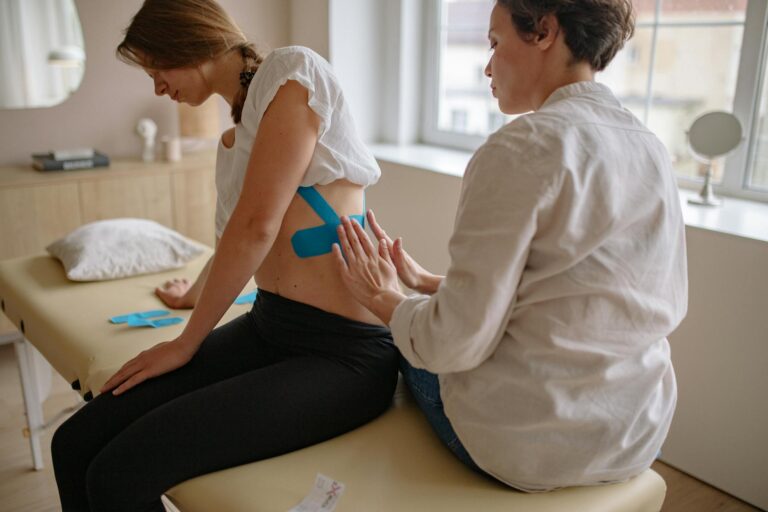
Your pelvis plays a critical role in supporting your entire spine, and when it’s misaligned or weakened, it can trigger or intensify lower back pain. Research confirms this connection: a 2018 study of 182 participants found that 95% of those experiencing lumbopelvic pain also had pelvic floor dysfunction, meaning if you have lower back pain, there’s a substantial likelihood your pelvis is contributing to the problem. For example, a woman experiencing sharp, stabbing lower back pain that worsens when she transitions from sitting to standing may not realize that pelvic floor weakness—an invisible condition—is actually driving her discomfort.
Understanding the signs that your pelvis may be affecting your lower back is essential for getting the right treatment and finally finding relief. This article explores nine key signs that indicate your pelvis may be the source of your lower back pain, along with what these symptoms mean and how they connect to pelvic health. You’ll learn the specific characteristics of pelvic-related back pain, how to distinguish it from other types of back problems, and what evidence-based approaches can help. By the end, you’ll understand whether pelvic dysfunction might be behind your pain and when it’s time to seek professional evaluation.
Table of Contents
- What Does Pelvic-Related Lower Back Pain Actually Feel Like?
- Is Your Pain Traveling Down Your Leg or Into Your Groin?
- Why Does Sitting Become Unbearable?
- Activity-Triggered Pain and What Movements Matter
- The Role of Pelvic Floor Weakness and Instability
- Sleep Disruption and the Pain-Sleep Cycle
- Evidence-Based Treatment and the Path Forward
- Conclusion
What Does Pelvic-Related Lower Back Pain Actually Feel Like?
The sensation of pain triggered by pelvic dysfunction doesn’t always feel like a typical “backache.” Many people experience sharp, stabbing sensations in their lower back—the area between the ribs and buttocks—rather than a constant dull ache. Others describe it as burning, throbbing, or a combination of pain types that shift throughout the day. The key distinction is that this pain often feels asymmetrical; it’s frequently concentrated on one side of the lower back or buttocks rather than centered down the middle of your spine.
For instance, you might notice pain only in your right lower back and right buttock, while the left side feels completely normal. When your pelvis is misaligned, it creates an uneven load distribution across your sacroiliac joint and lumbar spine, which triggers these localized pain patterns. Understanding the character of your pain—whether it’s sharp versus dull, one-sided versus centered, constant versus intermittent—provides crucial clues about whether pelvic dysfunction is involved. If your pain matches this profile, it’s worth investigating pelvic floor function as a potential culprit.

Is Your Pain Traveling Down Your Leg or Into Your Groin?
One hallmark sign that your pelvis is affecting your lower back is pain that radiates beyond the lower back itself. You might feel pain starting in your lower back or buttocks and traveling down your hip, into your groin, or along your upper thigh. Usually, this radiating pain stops above the knee, though some people report it extending all the way to the ankle or foot.
This pattern occurs because the pelvic region contains multiple nerve pathways; when pelvic structures are dysfunctional, they can irritate or compress these nerves, sending pain signals down the leg. However, if your pain radiates all the way to your foot with tingling and numbness that follows a specific dermatomal pattern, that may indicate a different issue like a herniated disc rather than pure pelvic dysfunction. In cases of concurrent pelvic and spinal problems—which the research suggests is common—you may experience both types of symptoms. The presence of groin pain alongside lower back pain is particularly telling of pelvic involvement, since the groin is directly connected to pelvic floor muscles and structures.
Why Does Sitting Become Unbearable?
Many people with pelvic dysfunction report a frustrating and specific problem: they can’t sit comfortably for extended periods. Some notice they unconsciously shift their weight onto one side while sitting, or they feel compelled to stand frequently because sitting aggravates their pain. This happens because sitting places direct pressure on the pelvic floor and sacroiliac joints, particularly when your pelvis is misaligned. When you try to sit normally with even weight distribution, the pressure triggers pain, so your body automatically compensates by tilting to one side or clenching muscles to protect the painful area.
For example, a person might find they can sit for only 15-20 minutes before needing to stand, shift positions, or recline. Sitting-to-standing transitions often become particularly painful, because moving from a seated to standing position requires significant pelvic and lower back stability. The muscle activation required to push yourself upright stresses already-compromised pelvic structures. If you notice this pattern—comfort only when standing or lying down, with sitting being consistently painful—it’s a strong indicator that pelvic dysfunction deserves investigation.

Activity-Triggered Pain and What Movements Matter
Your pelvis bears the weight of your entire upper body and is crucial for activities like standing, walking, climbing stairs, and running. When pelvic alignment or strength is compromised, these activities commonly trigger or worsen lower back pain. You might notice that standing for more than 20-30 minutes causes increasing discomfort, or that climbing stairs creates a sharp pain in your lower back and buttocks. Running is particularly challenging because each stride demands precise pelvic stability; without it, your lower back absorbs excessive stress with each impact.
Importantly, not all back pain worsens with activity—some improves with gentle movement and stretching. Pelvic dysfunction pain typically worsens with specific weight-bearing and dynamic activities, and improves somewhat with rest and lying down. The pattern of your pain with activity is therefore highly informative. If you’ve noticed that your back pain is triggered or amplified by standing, stairs, or running, but feels better when you’re lying down or performing gentle stretches, pelvic involvement is likely. Conversely, if rest makes no difference and your pain is constant regardless of position, other spinal issues may be more relevant.
The Role of Pelvic Floor Weakness and Instability
Among people with lumbopelvic pain, the statistics are revealing: 71% showed pelvic floor muscle tenderness, and 66% presented with pelvic floor weakness. This weakness directly undermines the stability that your lower back requires. Your pelvic floor muscles act like a hammock beneath your pelvis, supporting your organs and providing crucial stability for your spine. When these muscles are weak, tight, or dysfunctional, your lower back becomes destabilized, leading to pain during movement, standing, or activities that demand core strength. Beyond weakness, some people experience pelvic organ prolapse—a condition where organs descend slightly due to weakened pelvic floor support.
Among those with lumbopelvic pain, 41% were found to have pelvic organ prolapse. Prolapse doesn’t necessarily cause obvious symptoms, but it indicates significant pelvic floor dysfunction and often accompanies lower back pain. A warning to keep in mind: not all back pain accompanied by pelvic floor symptoms indicates prolapse or severe dysfunction. Some pelvic floor tension (rather than weakness) can also trigger back pain. Therefore, professional assessment is important to determine whether your pelvic floor needs strengthening, relaxation, or both.
Sleep Disruption and the Pain-Sleep Cycle
Because pelvic-related lower back pain often worsens with certain positions and activities, sleep disturbances are common. Many people with this condition find that they can’t get comfortable at night, wake frequently due to pain, or can only sleep in specific positions (often on their side with support). The disrupted sleep then amplifies pain perception the next day—pain and poor sleep create a self-reinforcing cycle that’s difficult to break.
Additionally, the stress and tension from chronic pain can cause pelvic floor muscles to tighten further, worsening both the pain and the sleep disruption. If your lower back pain is significantly disrupting your sleep, tackling the underlying pelvic dysfunction becomes even more important. Treatment that reduces pain and promotes better sleep quality often accelerates overall recovery.
Evidence-Based Treatment and the Path Forward
The good news is that pelvic dysfunction doesn’t require surgery in most cases. Research demonstrates that pelvic floor muscle-strengthening exercises significantly reduce low back pain intensity. A meta-analysis of multiple studies confirmed that targeted pelvic floor exercises produce measurable improvements. Physical therapy focusing on pelvic stability, posture correction, and gentle strengthening can make a substantial difference within weeks of consistent practice.
Some people also benefit from complementary approaches like yoga (particularly poses that safely strengthen the pelvic floor), pilates, or manual therapy from a specialized pelvic floor physical therapist. The key insight is that treating your lower back in isolation—with only back-focused exercises or pain management—often yields incomplete results if pelvic dysfunction is the root cause. By addressing pelvic floor health directly, you address the instability that’s driving your lower back pain. This integrated approach leads to more lasting relief and prevents recurrence.
Conclusion
If you’re experiencing lower back pain that is one-sided, worsens with sitting or standing, radiates into your hip or groin, or disrupts your sleep, your pelvis may be playing a significant role. The nine signs covered in this article—from sharp, stabbing pain and radiating sensations to sitting difficulty and movement-triggered worsening—together paint a clear picture of pelvic-related lower back pain. The statistics are compelling: 95% of people with lumbopelvic pain have underlying pelvic floor dysfunction, and most show signs of weakness, tenderness, or structural changes that directly affect spinal stability.
Your next step is to seek evaluation from a healthcare provider trained in pelvic dysfunction assessment—ideally a pelvic floor physical therapist or a physician specializing in lumbopelvic pain. With a proper diagnosis, targeted exercises and treatment can resolve the dysfunction at its source rather than simply managing symptoms. Addressing your pelvis may finally unlock the lower back relief you’ve been seeking.