If you have been dealing with a persistent, dull ache in your lower back that seems worse when you sit but oddly improves when you get up and walk around, your lumbar spine may be undergoing degenerative changes. The nine signs most commonly associated with lumbar degeneration include chronic low back pain, sciatica-like radiating leg pain, pain that worsens with sitting, morning stiffness, muscle spasms, numbness or tingling in the legs, leg weakness, reduced flexibility, and pain that paradoxically eases with movement. These signs do not always appear together, and many people with visible disc degeneration on imaging feel no symptoms at all. Degenerative disc disease is, despite its alarming name, not actually a disease.
Stanford Health Care describes it as the natural process of intervertebral discs aging, drying out, shrinking, and gradually losing their ability to cushion the vertebrae. An estimated 266 million people worldwide develop degenerative spine disease and low back pain each year, according to research published in the Global Spine Journal, and prevalence exceeds 90 percent in both men and women over the age of 50, based on data from the Wakayama Spine Study published in Osteoarthritis and Cartilage. For families navigating dementia care, recognizing these signs matters because untreated back pain can worsen mobility, increase fall risk, and accelerate cognitive decline through chronic pain and reduced physical activity. This article walks through each of the nine signs in detail, explains what doctors look for during diagnosis, identifies the red-flag emergencies that demand immediate medical attention, and offers practical guidance for managing these changes, particularly for older adults and those in caregiving roles.
Table of Contents
- What Are the Most Common Signs That Your Lumbar Spine Is Degenerating?
- Why Nerve-Related Symptoms Deserve Close Attention
- The Paradox of Pain That Improves With Movement
- How Doctors Diagnose Lumbar Degenerative Changes
- Red Flags That Require Emergency Medical Attention
- Why Lumbar Degeneration Hits Some Populations Harder Than Others
- Living Well With Lumbar Degenerative Changes
- Conclusion
- Frequently Asked Questions
What Are the Most Common Signs That Your Lumbar Spine Is Degenerating?
The hallmark symptom is chronic, dull, aching low back pain localized around the affected disc level. According to the Cleveland Clinic, this pain can range from mild and nagging to severe and debilitating, and it tends to be continuous rather than sharp and episodic. What distinguishes degenerative disc pain from a pulled muscle or acute injury is its persistence. A muscle strain typically resolves within a few weeks. Degenerative pain lingers for months, sometimes fluctuating in intensity but rarely disappearing entirely. Consider a 68-year-old retired teacher who assumes her back pain is just from gardening. When the ache persists through winter, long after the garden has gone dormant, that is the pattern worth paying attention to.
The second and third most recognized signs are pain that radiates into the buttocks, hips, and legs, and pain that worsens significantly with sitting. Inflammatory proteins released from damaged discs can irritate nearby nerve roots, producing sciatica, that unmistakable shooting or burning sensation traveling down the back of one or both legs. Rush University Medical Center notes that lumbar discs bear roughly three times more load when sitting than when standing, which is why a long car ride or an afternoon in a desk chair can feel far worse than a walk around the block. This is a crucial distinction because many people assume that resting and sitting down should help back pain, when in this particular condition, it often makes things worse. Morning stiffness rounds out the most frequently reported early signs. The Hospital for Special Surgery describes reduced flexibility in the lower back, difficulty bending or twisting, and a general feeling of being locked up, especially first thing in the morning or after any prolonged period of inactivity. The stiffness typically loosens as the day progresses and the spine gets moving. If you notice that your first thirty minutes out of bed are markedly stiffer than the rest of the day, and this pattern repeats for weeks, degenerative changes are a reasonable consideration.

Why Nerve-Related Symptoms Deserve Close Attention
Beyond the core pain and stiffness, degenerative lumbar changes can produce a cluster of neurological symptoms that signal nerve involvement. Muscle spasms in the lower back are the body’s protective response to disc damage. When inflammation builds around a deteriorating disc, the surrounding muscles clamp down involuntarily, trying to stabilize the area. These spasms can be intense enough to make standing upright temporarily impossible and are often mistaken for a fresh injury rather than a sign of ongoing degeneration. Numbness, tingling, or a pins-and-needles sensation in the legs indicates that bone spurs or bulging disc material is pressing on nerve roots. Cedars-Sinai notes that this radiculopathy can affect specific areas depending on which nerve is compressed, sometimes the outer calf, sometimes the top of the foot, sometimes the inner thigh.
When this progresses to actual muscle weakness in the legs, as described by WebMD, the concern escalates. A person who begins tripping over their own feet, struggling to rise from a chair, or feeling their leg give way while walking may be experiencing motor nerve compression that needs medical evaluation. However, it is important to recognize that not every episode of leg tingling means disc degeneration. Peripheral neuropathy from diabetes, vitamin B12 deficiency, and even medication side effects can produce similar sensations, so proper diagnosis matters before assuming the spine is responsible. For older adults already managing cognitive decline, these nerve symptoms carry an additional layer of risk. Leg weakness and numbness directly increase fall risk, and falls are one of the most dangerous events for someone with dementia. A person who cannot reliably feel their feet or whose legs buckle unpredictably is in a fundamentally different safety category than someone dealing with pain alone.
The Paradox of Pain That Improves With Movement
One of the most counterintuitive features of lumbar degenerative changes is that pain often decreases with movement and increases when you are stationary. Rush University Medical Center highlights this pattern as characteristic of the condition. Walking frequently feels better than sitting. Shifting positions brings relief that holding still does not. This paradox confuses many patients and their families because it contradicts the common-sense notion that rest heals and activity aggravates. The mechanism behind this is partly hydraulic. Intervertebral discs do not have their own blood supply. They receive nutrients through a process of imbibition, essentially absorbing fluid from surrounding tissues when the spine moves and compresses and decompresses rhythmically.
Prolonged immobility starves the discs of this fluid exchange, while gentle movement promotes it. A 72-year-old man with moderate disc degeneration might find that his worst pain occurs during a two-hour church service spent sitting in a wooden pew, while his daily morning walk around the neighborhood actually makes his back feel its best. This is not coincidence. It is a physiological feature of the condition. Understanding this pattern matters enormously for caregivers. If an older adult with cognitive impairment resists sitting for long periods, becomes agitated in a wheelchair, or seems calmer when allowed to pace or walk, the behavior may not be purely neuropsychiatric. It may be a rational pain response that the person can no longer articulate clearly. Recognizing movement-responsive back pain as a possible driver of behavioral changes in dementia patients can prevent unnecessary medication adjustments and lead to more effective, compassionate care strategies.

How Doctors Diagnose Lumbar Degenerative Changes
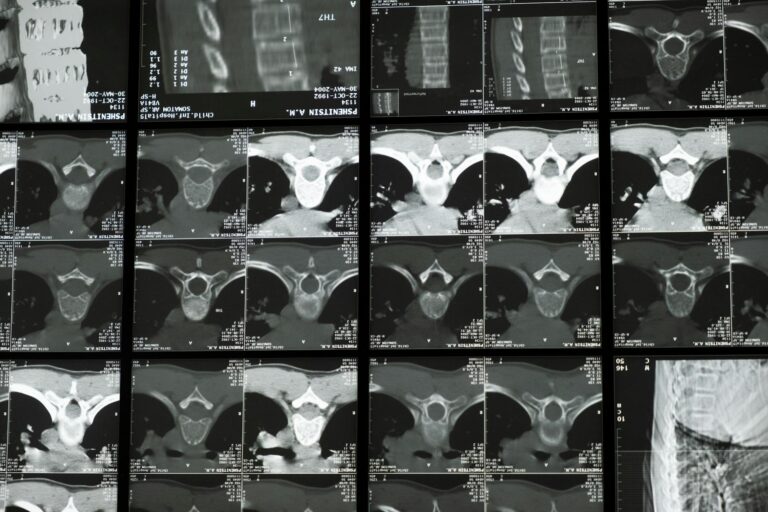
Diagnosis begins with a thorough clinical evaluation rather than jumping straight to imaging. NYU Langone Health describes a process that starts with detailed questions about when the pain began, exactly where it is located, and whether tingling or numbness radiates to the extremities. A physical exam follows, assessing flexibility, range of motion, and which specific movements provoke pain. The physician may test reflexes, muscle strength in the legs, and sensation along specific nerve pathways to map which spinal level may be involved. When imaging is warranted, X-rays serve as the first line, assessing bone alignment and disc height. MRI provides the detailed view, revealing the condition of the discs themselves, any nerve compression, and the state of the spinal cord. The NCBI StatPearls reference lists the classic imaging findings: diminished disc height, endplate sclerosis, osteophytes, annular tears, spinal canal narrowing, disc desiccation, and facet joint narrowing.
However, here is the critical tradeoff that patients and families need to understand. Imaging findings and symptoms do not always correlate. Medicare data analyzed in a 2021 study published in Scientific Reports shows only a 12.2 percent diagnosed prevalence for disc degeneration, despite the Wakayama Spine Study finding structural changes in over 90 percent of people past age 50. Most disc degeneration is entirely asymptomatic. This disconnect means that an MRI showing “severe degenerative changes” in a person with minimal pain should not trigger panic or aggressive intervention. Conversely, significant pain with relatively mild imaging findings is entirely possible and valid. The diagnosis is clinical, meaning the doctor treats the person and their symptoms, not the picture on the scan. For families advocating for an older adult who may not communicate pain effectively, pushing for a thorough clinical exam rather than relying solely on imaging results leads to better outcomes.
Red Flags That Require Emergency Medical Attention
While most lumbar degenerative changes progress slowly and are managed conservatively, there is one emergency scenario that every patient, family member, and caregiver should know about. Cauda equina syndrome occurs when degenerative stenosis compresses the bundle of nerves at the base of the spinal cord. The Cleveland Clinic and the American Academy of Orthopaedic Surgeons identify three warning signs that demand immediate emergency room evaluation: saddle anesthesia, which is numbness across the buttocks, perineum, and inner thighs in the pattern of where you would contact a saddle; bowel or bladder dysfunction, including inability to urinate, loss of bladder control, or loss of bowel control; and bilateral leg weakness, meaning weakness affecting both legs simultaneously. Cauda equina syndrome is rare, but it is a true surgical emergency. Delay in treatment can result in permanent nerve damage, including lasting incontinence and paralysis.
The challenge with older adults, particularly those with cognitive impairment, is that they may not report these symptoms clearly. A person with dementia who suddenly becomes incontinent may be assumed to have reached a new stage of their cognitive decline, when in fact a spinal emergency is unfolding. Caregivers should be alert to any sudden change in continence combined with new leg weakness or complaints about numbness in the groin and inner thigh area. When these signs appear together and develop over hours to days rather than months, err on the side of emergency evaluation. This is not a situation where a wait-and-see approach is appropriate.

Why Lumbar Degeneration Hits Some Populations Harder Than Others
The global burden of degenerative spine disease is not evenly distributed. The Global Spine Journal reports the highest incidence in Europe at 5.7 percent and the lowest in Africa at 2.4 percent, with an overall global rate of 3.63 percent developing the condition each year. The Wakayama Spine Study found that under age 50, prevalence was 71 percent in men and 77 percent in women, with degeneration at the L4/5 level specifically reaching 69.1 percent in men and 75.8 percent in women. After 50, prevalence exceeds 90 percent regardless of sex. These numbers carry particular significance for the dementia care community because the populations most affected by spinal degeneration, adults over 65, are the same populations most affected by Alzheimer’s disease and related dementias.
A person managing both conditions simultaneously faces compounding challenges. Chronic pain from spinal degeneration can worsen confusion, agitation, and sleep disturbance in dementia patients. Reduced mobility from back pain accelerates the physical deconditioning that worsens cognitive outcomes. And the communication barriers created by dementia make it harder to identify and treat the spinal pain in the first place. Addressing both conditions as interconnected rather than separate problems leads to meaningfully better quality of life.
Living Well With Lumbar Degenerative Changes
The most important thing to understand about lumbar degeneration is that structural changes on imaging are nearly universal with aging, and the presence of those changes does not sentence anyone to a life of pain or disability. Conservative management works for the vast majority of people. Physical therapy focused on core stabilization, regular low-impact movement such as walking or swimming, weight management, and ergonomic adjustments to reduce prolonged sitting form the foundation of care. For flare-ups, short-term use of anti-inflammatory medications, heat therapy, and targeted stretching often provide meaningful relief. Research continues to advance our understanding of why some people with extensive disc degeneration remain pain-free while others with minimal structural changes experience significant symptoms.
The emerging picture suggests that inflammation, central pain sensitization, psychological factors including depression and anxiety, and physical deconditioning may matter as much as or more than the degree of structural damage itself. For older adults and their caregivers, this is genuinely encouraging. It means that interventions targeting inflammation, mood, activity level, and overall well-being can improve back pain outcomes even when the underlying structural changes are irreversible. The spine ages. That is not optional. How much that aging affects daily life, however, remains far more modifiable than most people realize.
Conclusion
Lumbar spine degeneration is one of the most common conditions in medicine, affecting the vast majority of adults past middle age. The nine signs discussed here, from chronic low back pain and sciatica to the characteristic pattern of pain worsening with sitting and improving with movement, provide a practical framework for recognizing when normal aging may be crossing into symptomatic territory. Most people with degenerative changes will never need surgery. Conservative management, staying active, maintaining core strength, and managing flare-ups sensibly keeps the condition manageable for the overwhelming majority.
For families navigating dementia care, awareness of these signs carries special urgency. An older adult who cannot clearly describe their pain may express it through agitation, resistance to sitting, changes in mobility, or increased confusion. Recognizing lumbar degeneration as a potential contributor to behavioral changes can lead to better pain management, fewer falls, and improved quality of life. When in doubt, seek evaluation. And if saddle numbness, sudden incontinence, or bilateral leg weakness ever appears, treat it as the emergency it is.
Frequently Asked Questions
Is degenerative disc disease actually a disease?
No. Despite the name, degenerative disc disease is not a disease in the traditional sense. Stanford Health Care describes it as the natural process of intervertebral discs aging, drying out, shrinking, and losing their cushioning ability. Nearly everyone develops these changes with age.
Can you have significant disc degeneration and feel no pain at all?
Yes. Most disc degeneration is asymptomatic. While the Wakayama Spine Study found structural changes in over 90 percent of people past age 50, Medicare data shows only about 12.2 percent are diagnosed with symptomatic disc degeneration, meaning the vast majority of people with visible changes on imaging have no significant pain.
Why does my back hurt more when I sit than when I walk?
Lumbar discs bear approximately three times more load when sitting than when standing, according to Rush University Medical Center. Additionally, movement promotes fluid exchange that nourishes the discs, while prolonged sitting restricts this process. This is why walking often provides relief that sitting does not.
At what age do lumbar degenerative changes typically begin?
Structural changes can begin as early as the 20s and 30s, though they are usually asymptomatic at that stage. Under age 50, the Wakayama Spine Study found degenerative changes in 71 percent of men and 77 percent of women. After 50, prevalence exceeds 90 percent in both sexes.
When should I go to the emergency room for back pain?
Seek emergency care immediately if you develop saddle anesthesia (numbness in the buttocks, groin, or inner thighs), sudden loss of bladder or bowel control, or weakness in both legs simultaneously. These are signs of cauda equina syndrome, a rare but serious complication of spinal degeneration that requires urgent surgical evaluation.
How does lumbar degeneration affect someone with dementia?
Chronic pain from spinal degeneration can worsen confusion, agitation, sleep disturbance, and behavioral symptoms in people with dementia. Because communication is impaired, the pain often goes unrecognized and untreated. Caregivers should watch for changes in mobility, resistance to certain positions, increased restlessness, or new patterns of agitation as potential indicators of unmanaged back pain.