Yes, physical therapists have a proven arsenal of exercises that can stabilize herniated discs without surgery—and the success rates are compelling. Research shows that 80 to 90 percent of patients with herniated discs improve significantly without surgical intervention, with many experiencing meaningful recovery through physical therapy alone. These exercises work by strengthening the core muscles that support and stabilize the spine, reducing pressure on the affected disc, and allowing the body’s natural healing mechanisms to work.
Rather than waiting for imaging to resolve or considering surgery as the first option, most specialists now recommend a structured physical therapy program as the first-line treatment for herniated disc pain. This article covers the nine exercises that physical therapy specialists most commonly prescribe, explains how they reduce pain and promote healing, and provides guidance on what realistic timelines and outcomes you can expect. Whether you’re dealing with lower back pain, neck discomfort, or a recently confirmed disc herniation, understanding these evidence-based exercises can help you feel more confident about your recovery without surgery.
Table of Contents
- What Core Stabilization Exercises Do Specialists Recommend Most?
- How Do These Exercises Actually Stabilize a Herniated Disc?
- Building a Progressive Physical Therapy Plan That Works
- Timeline and Realistic Expectations for Recovery
- When to Reassess and When Physical Therapy May Need to Change
- Supporting Exercises and Lifestyle Modifications That Accelerate Healing
- New Evidence and Long-Term Outcomes in 2025
- Conclusion
What Core Stabilization Exercises Do Specialists Recommend Most?
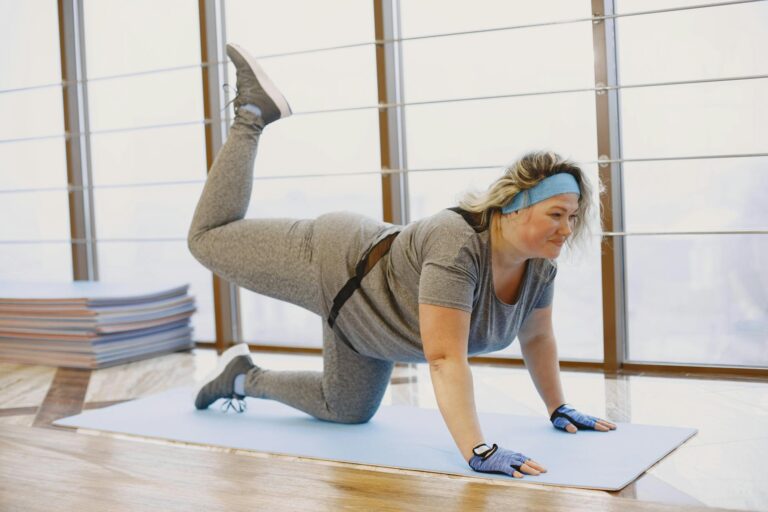
Physical therapists have narrowed down the most effective exercises for herniated disc stabilization, and many of them focus on building core strength without putting excessive load on the injured disc. The bird dog exercise is a foundational movement that strengthens the core and glutes while providing stability without loading the spine—you begin on your hands and knees, then extend your opposite arm and leg, holding briefly before returning to start. Bridges work the glutes and lower back muscles, which are critical for spinal stability and often weakened in people with disc herniation.
Pelvic tilts engage the deep core muscles that support the lower back, making them especially useful early in recovery when other exercises may feel too challenging. Beyond these core basics, specialists often add flexibility and mobility work such as cat-cow stretches, cobra pose, and standing extensions—all of which relieve pressure on the spine and improve flexibility without forcing the joint into uncomfortable positions. Walking stands apart as perhaps the safest and most effective exercise overall; it promotes circulation, maintains spinal mobility, and can often be done even during acute pain episodes. These nine core exercises form the backbone of what’s called “stabilizing treatment,” which research shows reduces clinical pain scores more effectively than mobilizing treatments or routine general exercise.

How Do These Exercises Actually Stabilize a Herniated Disc?
The mechanism is straightforward: a herniated disc occurs when the inner gel of the disc bulges through its outer layer, often pressing on a nerve root and causing pain. Strengthening the muscles around the spine acts like a muscular corset, reducing the pressure on the damaged disc and allowing the herniation to resorb naturally over time. Research from a study of 320 conservatively treated herniated disc patients found that disc resorption occurred in 189 patients—nearly 60 percent—showing that the body can heal these injuries when given proper support and time.
However, not all exercises work equally well. Core stabilization exercises produced significantly greater pain reduction (mean of 3.08 points on a standard pain scale) compared to routine exercise alone (1.71 points), demonstrating that targeted stabilization work is more effective than random activity. Additionally, stabilizing-focused programs achieve approximately a 17 percent reduction in clinical outcome scores, compared to only a 10 percent increase in mobilizing-focused groups—a meaningful difference that underscores the importance of choosing the right approach for your specific condition.
Building a Progressive Physical Therapy Plan That Works
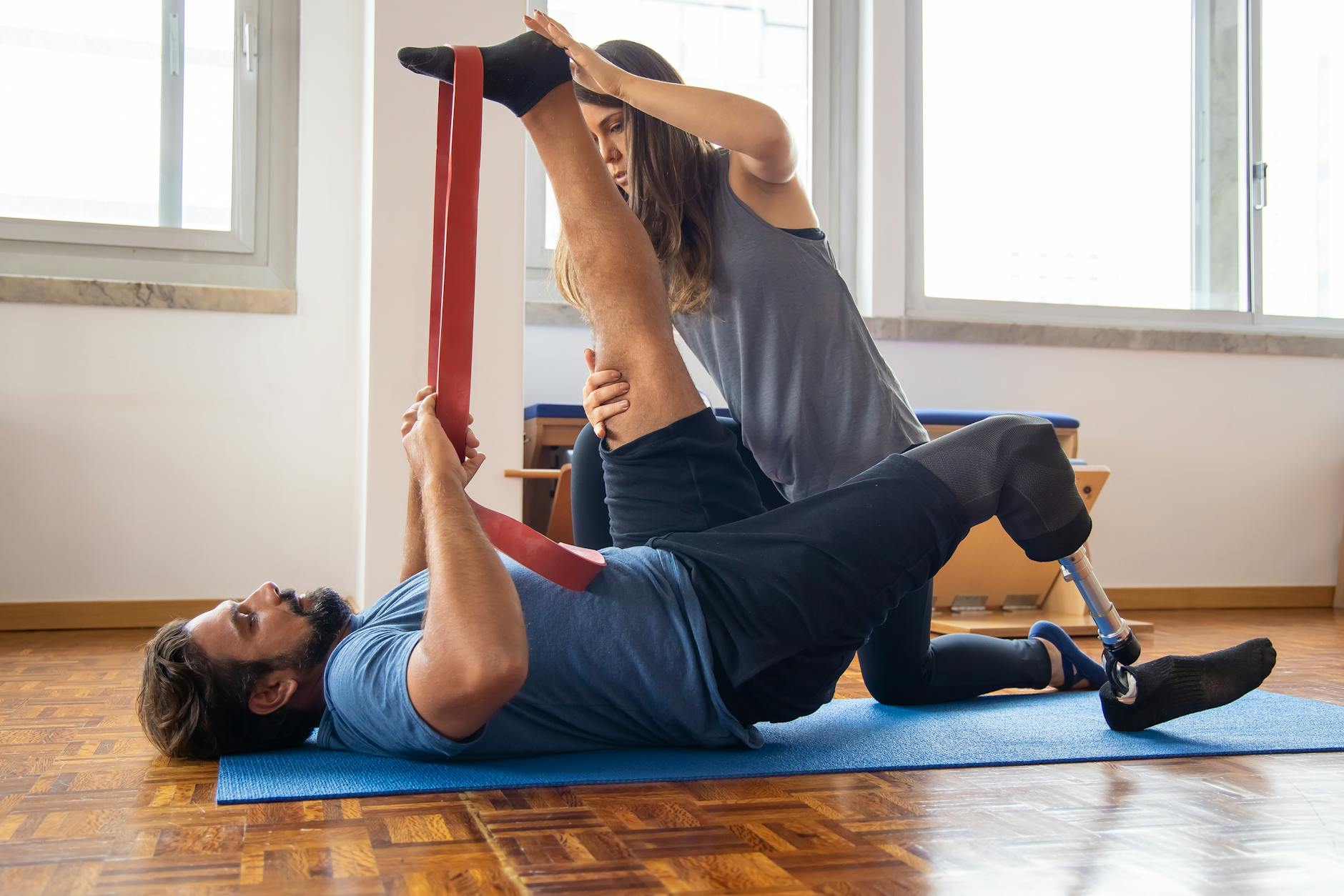
Your physical therapy plan isn’t static; it evolves as your pain decreases and your strength improves. Specialists typically blend three complementary approaches: pain management techniques (heat, ice, anti-inflammatory strategies), flexibility stretching to restore range of motion, and progressive core strengthening to prevent recurrence. Many programs incorporate supplemental methods like hydrotherapy (water-based exercise, which reduces joint stress), suspension exercises using straps or bands, and Pilates-based movements—all of which significantly reduce pain and improve outcomes according to recent clinical research.
A practical example: someone with acute lower back pain from a herniated L4-L5 disc might begin with modified pelvic tilts while lying down, progress to bridges within a few days, add bird dogs within a week or two, and incorporate walking as pain subsides. The key is that specialists match exercise intensity to your pain level—gentle, controlled activity is often more effective than bed rest, which can actually slow recovery by allowing muscles to weaken further. Your therapist will assess your tolerance and adjust the plan accordingly, rather than pushing you into a one-size-fits-all program.
Timeline and Realistic Expectations for Recovery
One of the most important conversations to have with your specialist is about timing. Most patients begin noticing meaningful improvement within 2 to 6 weeks of consistent physical therapy, with the majority seeing substantial relief by 6 to 8 weeks.
Full functional recovery often takes around three months, though some people experience continued improvements beyond that point as strength builds and neural inflammation resolves. It’s worth noting that long-term outcomes for physical therapy and surgical intervention are remarkably similar at the one- to two-year mark—meaning that if you can tolerate the initial 6- to 12-week period of active rehabilitation, you’re likely to achieve comparable results to surgery without the risks, downtime, and costs of an operation. This equivalence in outcomes explains why medical organizations increasingly recommend conservative physical therapy first, reserving surgery for the small percentage of people who don’t respond or who develop progressive neurological symptoms like leg weakness or bowel/bladder dysfunction.
When to Reassess and When Physical Therapy May Need to Change
While 80 to 90 percent of people improve significantly with physical therapy, not everyone follows this trajectory. If you’re not seeing meaningful improvement after 8 to 12 weeks of consistent, supervised therapy—or if your symptoms worsen despite compliance—it’s time to have a candid conversation with your specialist about whether imaging or specialist consultation might be warranted. Similarly, if you develop new symptoms like progressive leg weakness, numbness that spreads, or loss of bowel or bladder control, these are red flags that require immediate medical evaluation, as they can indicate nerve compression requiring different intervention.
Another limitation to understand: some disc herniations are simply larger or more symptomatic than others, and these may be less responsive to physical therapy alone. Additionally, your age, overall fitness level, and chronicity of the condition all influence outcomes. Older adults or those with long-standing pain may require longer, more intensive rehabilitation programs. The encouraging news is that even in these harder cases, 70 to 90 percent still achieve meaningful recovery through persistent physical therapy, though the timeline may stretch to 4 to 6 months rather than 3.

Supporting Exercises and Lifestyle Modifications That Accelerate Healing
Beyond the core nine exercises, daily habits matter enormously. Maintaining proper posture while sitting, sleeping in positions that support the spine (side-lying with a pillow between the knees, or supine with a pillow under the knees), and avoiding prolonged slouching or forward bending all reduce stress on the herniated disc. Gentle walking, which we mentioned earlier, deserves emphasis—it’s one of the safest ways to stay active while your disc heals, and many people find they can walk further and with less pain as weeks progress.
Equally important is avoiding the temptation to stop moving entirely. While you should certainly avoid high-impact activities, heavy lifting, and aggressive stretching during acute phases, complete bed rest actually delays healing by allowing supporting muscles to atrophy. The balance—which your physical therapist helps you strike—is between protecting the disc (avoiding provocative movements) and maintaining gentle movement (staying as active as your pain allows).
New Evidence and Long-Term Outcomes in 2025
Recent research continues to validate the effectiveness of exercise-based treatment for herniated discs. A 2025 systematic review and meta-analysis published in Frontiers in Medicine analyzed multiple high-quality studies and confirmed the clinical efficacy of exercise therapy for lumbar disc herniation, providing reassurance that this isn’t an outdated approach but an evolving, evidence-based standard of care.
This growing body of modern research gives patients and clinicians confidence that investing time in rehabilitation is the right first step. The trajectory of care is shifting: rather than ordering advanced imaging or considering surgery for first episodes of herniated disc pain, most specialists now follow a structured progression of conservative treatment. This approach respects the body’s natural healing ability, preserves surgical options if truly needed later, and gives the vast majority of people a pathway to pain-free function without operating rooms and recovery periods.
Conclusion
Physical therapy offers a proven, non-surgical path forward for most people with herniated discs. The nine exercises highlighted—bird dogs, bridges, pelvic tilts, cat-cow stretches, cobra pose, standing extensions, walking, and others—form the foundation of stabilizing treatment that reduces pain and promotes healing more effectively than general exercise or mobilizing approaches. With 80 to 90 percent of patients improving significantly without surgery, and most experiencing meaningful relief within 6 to 8 weeks, physical therapy represents the safest and most effective first-line treatment.
Your next step is to connect with a qualified physical therapist who can assess your specific herniation and design a progressive program tailored to your pain level, fitness, and goals. Consistency matters more than perfection—showing up for three sessions per week and practicing exercises at home will yield far better results than sporadic effort. Give yourself permission to trust the process, and understand that the weeks and months of effort you invest now are likely to return years of improved function and pain-free activity.