Physical therapy for lower back recovery centers on nine key exercises that address the root causes of pain: weak core muscles, tight hip flexors, and limited spinal mobility. These exercises—the dead bug, bird dog, glute bridges, pelvic tilts, quadruped leg lifts, planks, child’s pose, supine knee to chest stretch, and hamstring stretch—form the foundation of most clinical rehabilitation programs. A network meta-analysis of exercise approaches found that Pilates-based protocols had the highest likelihood for reducing pain (93%) and reducing disability (98%), though research shows that core-based, strength, and mind-body exercises are all effective when performed consistently. This article walks through each of the nine exercises, explains how they work, and covers what the research says about timeline and frequency for meaningful recovery.
The key to success with these exercises isn’t finding the “perfect” routine—it’s consistency and progression. Most individuals see measurable results within 4–10 weeks after performing specific exercises regularly. The goal isn’t just pain relief; it’s regaining strength, stability, and independence so you can move through daily life without limitation. This matters especially for older adults and those managing cognitive health, since physical mobility directly supports brain health, balance, and quality of life.
Table of Contents
- Why Physical Therapy Exercises Are More Effective Than Rest Alone
- Core Strengthening Exercises for Spinal Support
- Strengthening Weak Hip Muscles and the Posterior Chain
- Spinal Mobility and the Starting Point for Recovery
- Stretching and Flexibility Exercises for Relief and Mobility
- Frequency, Intensity, and the Timeline for Results
- 2026 Innovations and Nervous System Recovery in Back Pain
- Conclusion
Why Physical Therapy Exercises Are More Effective Than Rest Alone
The misconception that bed rest heals a bad back has largely been replaced by clinical evidence showing the opposite: active exercise strategies are related to decreased disability, while passive methods like extended rest are associated with worsening disability over time. This is an important distinction for anyone recovering from back pain. When you rest too long, muscles atrophy, core stability declines, and the spine becomes more vulnerable to future injury.
Clinical guidelines now recommend exercise on its own or combined with other non-pharmacological therapies including tai chi, yoga, massage, and spinal manipulation. The research doesn’t show that one type of exercise is superior to another—both group and individual exercise programs are effective. However, high-intensity cardio workouts and progressive full-body strengthening exercises reduce chronic back pain more effectively than regular cardio, stretching, or easy exercises alone. This means your exercise program should include some challenge and progressive difficulty, not just gentle movement.

Core Strengthening Exercises for Spinal Support
The four core-focused exercises in physical therapy target the deep stabilizing muscles that protect your spine during daily movement. The dead bug and bird dog are particularly valuable because they train your body to stabilize the spine while safely moving your limbs—exactly what you need to do when reaching, walking, or getting out of a chair. The **dead bug** strengthens the deep abdominal muscles (transverse abdominis and multifidus) while keeping your spine in neutral position, making it one of the safest core exercises for someone in recovery. You lie on your back with knees bent, then alternate extending opposite arms and legs while maintaining contact between your lower back and the floor. The **bird dog** trains core stability and lower back stability while allowing safe movement at hips and shoulders, making it excellent for post-surgery recovery or when you want to gradually increase difficulty.
From a quadruped position (hands and knees), you extend the opposite arm and leg while keeping your back parallel to the ground. The **plank** is considered the gold standard for core stability and endurance. Unlike crunches, which only work the rectus abdominis, planks engage the rectus abdominis, transverse abdominis, obliques, and spinal erectors—essentially all the muscles that stabilize your spine. A 30-second plank is more valuable for back health than 50 crunches. The **quadruped leg lifts** stabilize your core while strengthening glutes and lower back muscles with your back staying parallel to the ground throughout. These four exercises can be performed 3–4 times per week, with rest days between sessions to allow muscle recovery.
Strengthening Weak Hip Muscles and the Posterior Chain
Weak glutes play a major role in back pain, and many people don’t realize their lower back compensates for hip weakness. The **glute bridge** directly addresses this problem by strengthening the posterior muscles (glutes, hamstrings, and lower back erectors) while counteracting the tight hip flexors that develop from sitting. To perform a glute bridge, lie on your back with knees bent and feet flat, push through your heels to lift your hips, and hold for 5–10 seconds before lowering. Repeat 8–12 repetitions.
The glute bridge is particularly important for older adults, since strong glutes are essential for stairs, rising from chairs, and walking without low back strain. However, if you have knee pain or hip discomfort, you may need to modify the position or reduce range of motion initially. Many people benefit from placing a resistance band above the knees to cue proper alignment and engage the outer glutes more effectively. This simple addition changes where you feel the work and improves muscle activation patterns.
Spinal Mobility and the Starting Point for Recovery
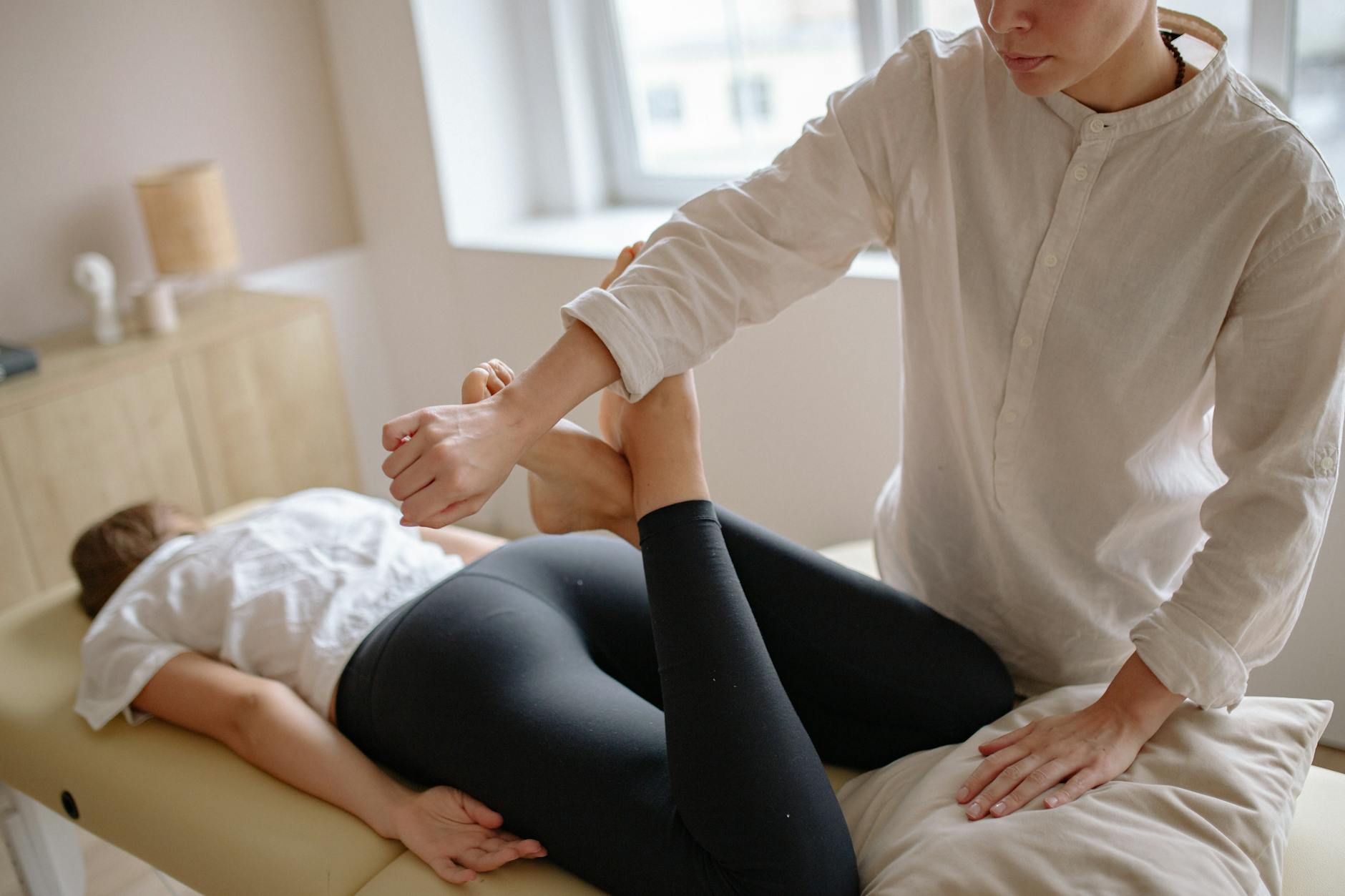
The **pelvic tilt** is often the best starting exercise for acute low back pain because it creates oscillating flexion-extension motion that mobilizes lumbar joints gently. Lie on your back with knees bent, then alternately tilt your pelvis to press your lower back into the floor and release, creating a gentle rocking motion. This can be performed in supine, hook-lying, or quadruped positions depending on your comfort level.
What makes pelvic tilts valuable is that they help you understand what “neutral spine” feels like—the foundation for all other exercises. However, pelvic tilts alone are insufficient for long-term recovery; they’re a starting point. Once your acute pain settles (usually within a week or two), you’ll progress to the stronger exercises like planks and bird dogs. Research supports combining pelvic tilts with other exercises rather than relying on them as a standalone treatment.
Stretching and Flexibility Exercises for Relief and Mobility
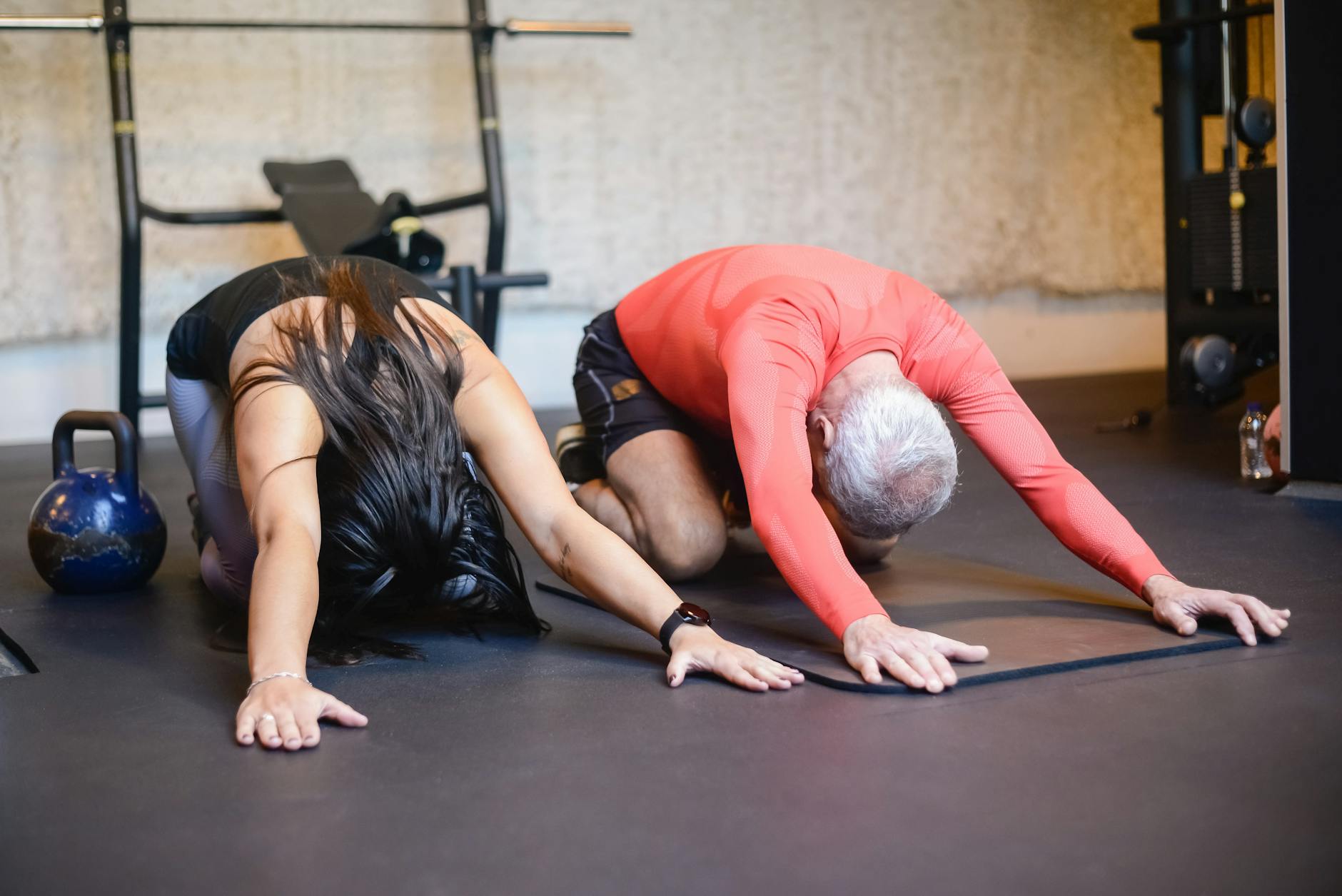
The three stretching exercises in this protocol reduce muscle tension and increase flexibility—both critical for spinal health. The **child’s pose** increases flexibility and relieves tension in the lower back, hips, quadriceps, and ankles. From a quadruped position, you sink your hips back toward your heels while extending your arms forward, holding for 30 seconds with deep breathing. The **supine knee to chest stretch** stretches the lower back, hamstrings, and quadriceps; lie on your back and gently pull one knee toward your chest, holding for 20–30 seconds with deep breathing.
The **hamstring stretch (supine)** alleviates tightness in the lower back and back of the legs, which is crucial because tight hamstrings force your pelvis into a posterior tilt, straining the lumbar spine. Lie on your back with one knee bent, then gently pull that knee toward your chest, holding for 20–30 seconds. Stretching is typically performed daily or at least 5 days per week, making these exercises accessible even on days when you skip strength work. The key difference: stretching should never cause sharp pain, only mild sensation of lengthening.
Frequency, Intensity, and the Timeline for Results
The research provides clear guidance on exercise dose: minimum 150 minutes of aerobic training and two strength training sessions per week are recommended for optimal results. This might sound like a lot, but it doesn’t mean 150 minutes of intense activity—it includes walking, swimming, or cycling at a comfortable pace. The two strength sessions per week should target the core and posterior chain exercises covered in this article. Most individuals see results in 4–10 weeks after performing specific exercises consistently.
This timeline assumes you’re doing the exercises at appropriate intensity and maintaining consistency. Many people feel better after just 2–3 weeks of regular exercise, with more dramatic improvements in strength and endurance occurring by week 8. However, patience is essential: faster isn’t always better. Pushing too hard too soon can trigger pain flares and discourage adherence. A sustainable approach—starting conservatively and adding challenge gradually—produces better long-term outcomes.
2026 Innovations and Nervous System Recovery in Back Pain
Recent developments in physical therapy emphasize two complementary approaches that go beyond traditional muscle-focused exercise. The first is **multifidus muscle activation**, where newer protocols place specific emphasis on “turning on” deep stabilizing muscles through exercises like bird dog and dead bug. Rather than generic core work, therapists now screen specifically for multifidus activation and teach patients to consciously engage these muscles, improving motor control and spinal stability. The second innovation is **mindfulness-based stress reduction (MBSR)** for back pain.
2026 clinical guidelines now recommend even five minutes of diaphragmatic breathing daily to lower cortisol levels and signal nervous system safety. This matters because chronic back pain often becomes neurologically sensitized—your nervous system learns to interpret normal movement as dangerous, amplifying pain perception. Pairing exercise with breathing work and gentle mindfulness helps reset this pattern, making physical therapy more effective. These aren’t add-ons; they’re integrated into evidence-based recovery protocols.
Conclusion
The nine exercises in this protocol—dead bug, bird dog, glute bridges, pelvic tilts, quadruped leg lifts, planks, child’s pose, and the two stretches—address the core weaknesses and tightness that cause lower back pain. With consistent practice of 150 minutes aerobic activity and two strength sessions weekly, most people achieve significant improvement within 4–10 weeks. Success requires not just doing the exercises, but understanding why each one matters: core stability, hip strength, spinal mobility, and nervous system regulation all work together to restore function.
Your next step is to begin with the foundational exercises—pelvic tilts and child’s pose if you’re in acute pain, progressing to dead bug and bird dog as tolerance improves, then advancing to planks and glute bridges. If you’re working with a physical therapist, they can modify these exercises for your specific condition and ensure you’re activating the right muscles. Even without professional guidance, starting slowly, progressing gradually, and maintaining consistency produces measurable results.