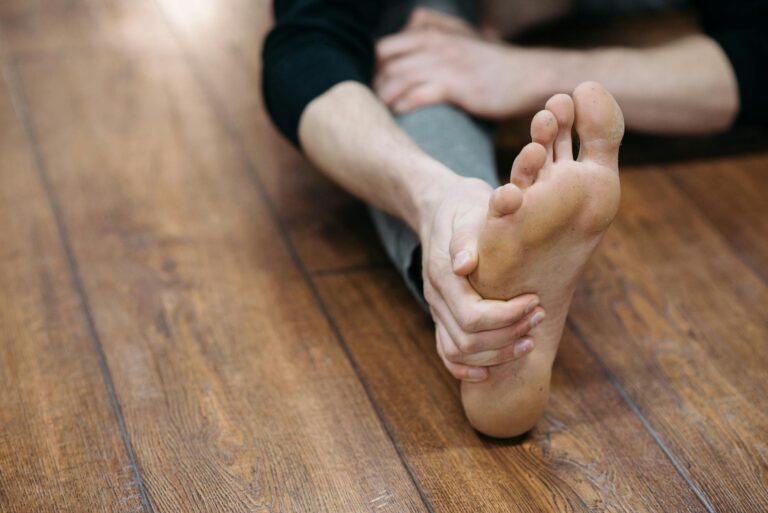
If you have been told you have sciatica, there is a strong chance a herniated disc is the actual culprit. Herniated discs in the lower spine cause nearly 90 percent of all sciatica cases, and in people between the ages of 25 and 55, a full 95 percent of symptomatic herniations occur at just two spinal levels: L4-L5 and L5-S1. That means the shooting pain, the tingling, the weakness in your leg — these are often not signs of a vague or mysterious nerve condition but specific indicators that a disc in your lumbar spine has bulged or ruptured and is pressing against a nerve root. Consider someone in their early forties who has been sitting at a desk for years and suddenly feels a bolt of pain shoot from their lower back down through their calf every time they stand up. Their doctor says “sciatica,” but the real diagnosis — and the one that determines the right treatment — is a herniated disc at L5-S1.
About 5 percent of adults over 30 have symptomatic lumbar disc herniation at any given time, and up to 40 percent of people will experience sciatica at some point in their lives. Peak prevalence falls between the ages of 30 and 50, and men are affected roughly twice as often as women. The good news is that 80 to 90 percent of these cases resolve without surgery. But knowing whether your sciatica is driven by a herniated disc matters — it changes the timeline, the treatment approach, and the red flags you should watch for. This article walks through eight specific symptoms that suggest your sciatica is being caused by a herniated disc rather than a muscular issue, piriformis syndrome, or another source. We will cover what each symptom means, how to distinguish disc-related pain from other causes, when to seek emergency care, and what the latest research says about natural recovery.
Table of Contents
- What Are the Key Symptoms That Distinguish Herniated Disc Sciatica from Other Causes?
- Radiating Leg Pain and Numbness — The Hallmark Signs of Nerve Root Compression
- Muscle Weakness and Reflex Changes That Signal Nerve Damage
- Why Sitting Makes It Worse — Positional Clues That Point to a Disc Problem
- One-Sided Pain and Below-the-Knee Radiation — Patterns That Narrow the Diagnosis
- The Emergency Sign — When Bowel or Bladder Dysfunction Demands Immediate Action
- Natural Recovery and What the Latest Research Shows About Disc Resorption
- Conclusion
- Frequently Asked Questions
What Are the Key Symptoms That Distinguish Herniated Disc Sciatica from Other Causes?
Not all sciatica is the same. The word itself simply describes pain along the sciatic nerve, but the underlying cause determines the severity, pattern, and prognosis. When a herniated disc is responsible, the symptoms tend to follow predictable nerve root pathways and include neurological signs — numbness, weakness, reflex changes — that muscular or joint-related sciatica typically does not produce. A person whose pain stays in the buttock and upper thigh, for example, is more likely dealing with piriformis syndrome or sacroiliac joint dysfunction. But someone whose pain shoots past the knee into the calf or foot, follows a specific strip of skin on the leg, and comes with tingling or foot weakness is almost certainly looking at nerve root compression from a disc.
The eight symptoms outlined in this article are not random. They correspond to the clinical findings that orthopedic surgeons and neurologists use to differentiate disc herniations from other causes: radiculopathy patterns, dermatomal numbness, motor deficits, reflex changes, positional aggravation, unilateral presentation, below-knee radiation, and in the most serious cases, bowel or bladder dysfunction. Taken individually, each symptom is a clue. Taken together, they build a case that points clearly toward a herniated disc. Understanding them can help you have a more informed conversation with your doctor and avoid months of misdirected treatment.

Radiating Leg Pain and Numbness — The Hallmark Signs of Nerve Root Compression
The single most recognizable symptom of a herniated disc pressing on a nerve is radiating leg pain, known clinically as radiculopathy. This is not a dull ache or a generalized soreness. People describe it as sharp, burning, or like an electric shock that travels from the lower back or buttock down the leg, often following a specific path. If the L5 nerve root is compressed, the pain tends to travel along the outer leg and across the top of the foot. If the S1 root is involved, the pain runs down the back of the leg into the heel and outer foot. This specificity is important — muscular sciatica rarely follows such a precise route. Numbness and tingling, or paresthesia, often accompany the pain and follow the same dermatomal patterns.
L5 compression typically causes numbness on the top of the foot, while S1 compression affects the outer foot and little toe. However, it is worth noting that not everyone with a herniated disc experiences numbness, and the presence of numbness alone does not confirm a disc problem. Many people have disc herniations visible on MRI with no symptoms at all — imaging alone does not confirm the cause of pain. If you have radiating pain with numbness that maps to a specific nerve root distribution, that combination is far more diagnostically meaningful than either symptom in isolation. A common pitfall is assuming that any leg tingling means a herniated disc. Peripheral neuropathy, especially in people with diabetes or other metabolic conditions, can produce similar sensations but tends to affect both legs symmetrically and does not follow a single nerve root pattern. If your numbness is in both feet equally and came on gradually over months, a disc herniation is less likely the cause.
Muscle Weakness and Reflex Changes That Signal Nerve Damage
When a herniated disc compresses a nerve root severely enough, the damage goes beyond pain and numbness into motor territory. Muscle weakness in the leg, foot, or ankle is one of the clearest signs that a disc is doing real structural harm to a nerve. The specific weakness depends on which nerve root is affected. L5 compression can cause foot drop — a condition where the person cannot lift the front of their foot while walking, leading to a slapping gait or frequent tripping. S1 compression tends to weaken the calf, making it difficult to push off the ground when walking or to rise onto the toes. These are not subtle findings. A person with foot drop may suddenly find themselves catching their toe on curbs or stairs, a dramatic change from their baseline function.
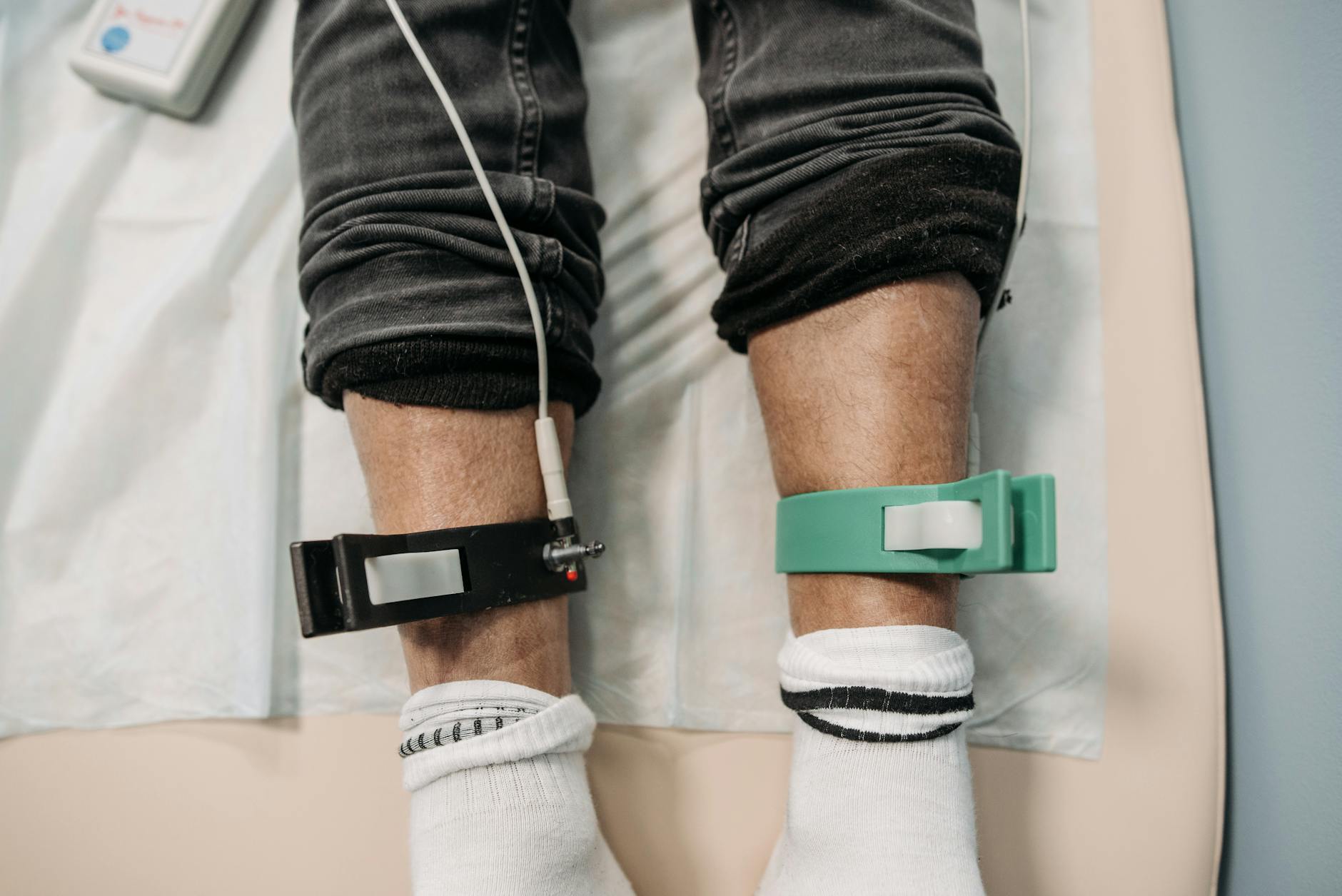
Reflex changes tell a similar story. Diminished or absent deep tendon reflexes — the knee-jerk response at L4, the Achilles reflex at S1 — indicate that the nerve root’s signal is being interrupted by disc compression rather than soft tissue irritation. A doctor testing reflexes during a physical exam is looking for asymmetry: if one ankle reflex is brisk and the other is sluggish or absent, that points directly to nerve root involvement on the affected side. These objective findings are particularly valuable because they do not depend on the patient’s subjective report of pain. For older adults and caregivers reading this on a dementia care site, there is an additional consideration. A person with cognitive impairment may not be able to articulate that their foot feels weak or that they have lost sensation. Instead, what you may notice is a change in gait, increased falls, or reluctance to walk. If a loved one with dementia begins dragging one foot or having more difficulty with stairs, it is worth considering a spinal cause and not attributing it solely to the progression of their neurological condition.
Why Sitting Makes It Worse — Positional Clues That Point to a Disc Problem
One of the most practical ways to distinguish disc-related sciatica from other causes is to pay attention to what positions and movements make the pain worse. Disc herniations increase intradiscal pressure when a person sits or bends forward, which is why many people with a herniated disc find that sitting is the worst position — worse, sometimes, than standing or even walking. This is the opposite pattern from spinal stenosis, which tends to worsen with standing and walking and improve with sitting or bending forward. If your sciatica flares when you sit at a desk or in a car but eases when you stand and walk around, a herniated disc is a more likely explanation than stenosis. The straight leg raise test captures this same principle. When a doctor or physical therapist lifts your extended leg while you lie on your back, it stretches the sciatic nerve over any protruding disc material.
If this reproduces your leg pain — especially at an angle between 30 and 70 degrees — it is a strong positive indicator for disc herniation. You can notice this pattern yourself: straightening the affected leg, whether while sitting in a chair or lying in bed, often worsens symptoms. The tradeoff in managing positional symptoms is that many common pieces of advice conflict with each other. You may be told to stay active, but sitting at work is excruciating. You may be told to rest, but lying flat with your legs straight pulls on the nerve. The practical middle ground for most people is frequent position changes, short walks, and lying with the knees slightly bent — positions that reduce intradiscal pressure without complete immobility. Complete bed rest, once standard advice, is no longer recommended and may actually slow recovery.
One-Sided Pain and Below-the-Knee Radiation — Patterns That Narrow the Diagnosis
Two additional patterns help clinicians zero in on a herniated disc as the cause of sciatica. The first is that disc herniations almost always compress the nerve root on one side, producing symptoms in only one leg. If your pain, numbness, and weakness are all on the left or all on the right, that fits the typical disc pattern. Bilateral sciatica — symptoms in both legs simultaneously — is rare with standard disc herniations and should raise concern for a more serious condition such as cauda equina syndrome or a large central disc herniation. The second pattern is where the pain reaches. True disc-related sciatica typically extends past the knee into the calf, ankle, or foot.
Pain that stays in the buttock or upper thigh without traveling further down is more commonly associated with muscular sources like piriformis syndrome, hip joint problems, or sacroiliac joint dysfunction. This is not an absolute rule — a small disc bulge may irritate a nerve root mildly enough that the pain does not travel the full length of the leg — but in general, the further down the leg the pain goes, the more likely a disc is involved. A limitation of relying on symptom patterns alone is that the body does not always follow textbook descriptions. Some people have anatomical variations in their nerve pathways. Others have multiple contributing factors — a disc herniation at one level and degenerative stenosis at another. This is why clinical examination and, when appropriate, imaging studies matter. However, understanding these patterns gives you a better framework for describing your symptoms accurately to your doctor, which directly influences the quality of the diagnosis you receive.

The Emergency Sign — When Bowel or Bladder Dysfunction Demands Immediate Action
In roughly 2 percent of herniated disc cases, a large herniation compresses the cauda equina — the bundle of nerve roots at the bottom of the spinal cord. This produces cauda equina syndrome, a surgical emergency. The hallmark symptoms are urinary retention or incontinence, loss of bowel control, numbness in the saddle area (inner thighs and perineum), and rapidly progressing weakness in one or both legs. This is not a situation where you wait to see if it improves on its own.
If someone you are caring for — particularly an older adult who may not communicate effectively — suddenly loses bladder control alongside worsening back or leg pain, do not attribute it to age or dementia progression without investigation. Cauda equina syndrome requires surgical decompression within 24 to 48 hours to prevent permanent nerve damage. Delayed treatment can result in lasting incontinence and paralysis. This is rare, but it is the one scenario in which sciatica symptoms demand emergency room evaluation rather than a scheduled appointment.
Natural Recovery and What the Latest Research Shows About Disc Resorption
The prognosis for most people with disc-related sciatica is genuinely encouraging. Between 80 and 90 percent of cases resolve without surgery, typically within several weeks to months of conservative treatment including physical therapy, anti-inflammatory medication, and activity modification. A July 2025 review published in Frontiers in Medicine found that herniated disc tissue can naturally reabsorb through inflammatory responses and macrophage activation — the body’s immune cells essentially clean up the protruding material over time. This explains why many people who have severe symptoms initially find that their pain gradually fades even without intervention.
That said, about 25 percent of sciatica sufferers experience long-term symptoms such as persistent pain, numbness, or leg weakness. The decision about when to consider surgery typically comes down to the severity of neurological deficits, the duration of symptoms, and the person’s functional goals. For most people, a trial of conservative care lasting six to twelve weeks is reasonable before discussing surgical options. The research on disc resorption is a reason for cautious optimism but not for ignoring progressive weakness or worsening neurological signs — those warrant closer monitoring and potentially earlier intervention.
Conclusion
Sciatica is a symptom, not a diagnosis, and in nearly 90 percent of cases, the real cause is a herniated disc in the lower lumbar spine. The eight symptoms discussed here — radiating leg pain, dermatomal numbness, muscle weakness, positional aggravation, reflex changes, one-sided presentation, below-knee pain radiation, and bowel or bladder dysfunction — are the clinical fingerprints of nerve root compression from a disc. Recognizing these patterns helps you move past the generic label of “sciatica” toward a more accurate understanding of what is happening in your spine and what treatment approach is most likely to help. For most people, the trajectory is favorable.
Conservative treatment works for the vast majority, and emerging research on natural disc resorption provides a biological explanation for why patience and physical therapy are often the best first-line approach. But knowing the red flags — especially progressive weakness and any bladder or bowel changes — ensures you can act quickly when the situation demands it. If you or someone you care for is experiencing these symptoms, bring this specific list to your next medical appointment. The more precisely you can describe the pattern, the faster you get to the right answer.
Frequently Asked Questions
Can a herniated disc cause sciatica without back pain?
Yes. Some people experience only leg symptoms — pain, numbness, or weakness — without significant lower back pain. The disc herniation compresses the nerve root, and the brain interprets the signal as coming from the leg rather than the spine. This can make the diagnosis less obvious if your doctor is focused on the back.
How do doctors confirm that a herniated disc is causing my sciatica?
Diagnosis typically combines a physical examination (including the straight leg raise test and reflex checks) with MRI imaging when needed. However, imaging has an important caveat: many people have disc herniations on MRI with no symptoms at all. The clinical picture — matching symptoms to specific nerve root patterns — matters more than the image alone.
Should I avoid all exercise if I have sciatica from a herniated disc?
No. Complete bed rest is no longer recommended and may worsen outcomes. Gentle movement, walking, and specific physical therapy exercises designed to reduce nerve compression (such as McKenzie-method extensions) are generally encouraged. Avoid activities that significantly increase intradiscal pressure, such as heavy lifting or prolonged sitting, during the acute phase.
At what point should I consider surgery for a herniated disc?
Surgery is typically considered after six to twelve weeks of conservative treatment if symptoms are not improving, or sooner if there are progressive neurological deficits like worsening foot drop or muscle weakness. Cauda equina syndrome — marked by bowel or bladder dysfunction — requires emergency surgery. For most other cases, time and conservative care are the first approach.
Is sciatica from a herniated disc more common in men or women?
Men are affected roughly twice as often as women, with peak prevalence between ages 30 and 50. The reasons are not entirely clear but may relate to differences in occupational physical demands and biomechanics.
You Might Also Like
- 10 Warning Signs Doctors Say Your Lower Back Pain Could Actually Be a Herniated Disc and Not Just a Simple Muscle Strain
- 10 Warning Signs Doctors Say Your Lower Back Pain Could Actually Be a Herniated Disc and Not Just a Simple Muscle Strain
- 7 Symptoms of a Bulging Disc That Often Start Slowly but Can Eventually Lead to Severe Sciatic Nerve Pain