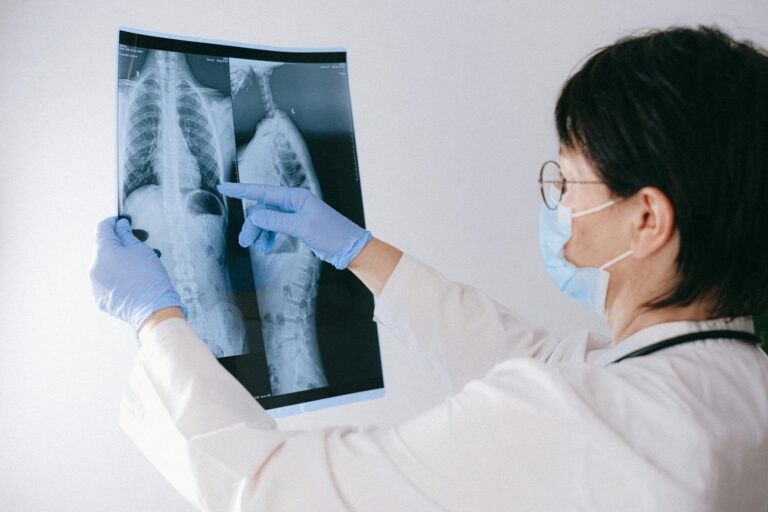
Chronic disc degeneration affects nearly everyone by middle age, yet few understand what’s actually happening inside the spine. Doctors identify eight primary causes: the natural loss of water and nutrients in spinal discs, genetic predisposition, obesity, smoking, sedentary behavior, occupational strain, and metabolic diseases. These factors work independently and in combination to accelerate the breakdown of the discs that cushion your vertebrae. By age 40, most people already show some degree of disc degeneration on imaging, even without pain or symptoms.
Understanding these causes matters because many are modifiable—meaning your choices today directly influence how quickly your spine deteriorates over the next decades. The distinction between having disc degeneration and having pain from it is critical for brain health and overall wellness. Degenerated discs can contribute to reduced mobility, chronic pain, and decreased physical activity—all of which accelerate cognitive decline in aging. This article explores the eight mechanisms that doctors see driving disc degeneration, the statistics showing how common this is, and which factors you can actually control.
Table of Contents
- Why Do Spinal Discs Lose Water and Cushioning As You Age?
- How Does Genetic Predisposition Shape Your Risk?
- What Role Do Weight, Smoking, and Physical Activity Play?
- How Does Your Job and Daily Physical Demands Impact Disc Health?
- How Do Metabolic Diseases and Cardiovascular Conditions Connect to Disc Degeneration?
- Why Does Blood Supply to Discs Decline With Age?
- Can Anything Prevent or Slow Disc Degeneration?
- Conclusion
Why Do Spinal Discs Lose Water and Cushioning As You Age?
The nucleus pulposus—the gel-like center of your spinal disc—naturally loses water content with age. This isn’t a disease; it’s a fundamental aging process. As discs dehydrate, they become thinner and less effective at absorbing shock from daily activities like walking, lifting, and sitting. By age 50 to 55, over 90% of people have disc degeneration at the lumbar (lower back) level, with similar prevalence throughout the entire spine by age 50 and beyond. The process is relentless: a 25-year-old and an 85-year-old have measurably different disc water content, and there’s no way to completely reverse this natural dehydration.
This water loss matters because it directly impacts function. Think of it like the difference between a fresh, hydrated sponge and a dried-out one—both are sponges, but one absorbs impact and one just compresses flatly. When your discs lose water, surrounding structures compensate, leading to osteoarthritis in the facet joints and ligament thickening. Some people develop symptoms from this (pain, stiffness) while others remain symptom-free. However, if you already have lower back pain from another cause, disc dehydration accelerates how quickly that pain worsens over time.

How Does Genetic Predisposition Shape Your Risk?
Genetics is identified as the single most important predictor of disc degeneration. If both of your parents have degenerative disc disease, your risk is significantly higher—and this risk manifests earlier in life. Multiple genes influence how your discs age, affecting everything from how they handle inflammatory signals to how well they maintain structural proteins. This means two people living identical lifestyles can have dramatically different disc trajectories based purely on inherited factors.
The genetic component doesn’t mean you’re destined to suffer, though. It means your baseline risk starts higher, but the modifiable factors still matter tremendously. A person with a genetic predisposition who doesn’t smoke, maintains a healthy weight, and stays physically active will have better outcomes than a genetically low-risk person who smokes, gains weight, and remains sedentary. Genetics loads the gun; lifestyle pulls the trigger. If you know your parents had disc problems, viewing your spine as a high-maintenance system worth protecting becomes logically justified, not paranoid.
What Role Do Weight, Smoking, and Physical Activity Play?
Three lifestyle factors consistently show strong associations with accelerated disc degeneration: elevated BMI, smoking, and sedentary behavior. Obesity creates direct mechanical stress on spinal discs—heavier loads compress discs more frequently and intensely throughout the day. Smoking accelerates degeneration by reducing blood flow and impairing the disc’s ability to repair itself. Sedentary lifestyle lacks the protective benefit of movement; lack of sports activity and regular exercise is specifically identified as a significant risk factor. The progression of disc degeneration occurs 40-70% more frequently in women than men, and research suggests that weight and activity patterns partially explain this gap.
A sedentary 50-year-old with excess weight compounds both mechanical stress and inflammatory metabolic effects. However, improving any one of these factors helps. Someone who quits smoking doesn’t reverse existing degeneration, but they slow the future rate of decline. Similarly, someone who moves from sedentary to moderately active doesn’t have to achieve an athletic fitness level to see benefit. The advantage is greatest when multiple lifestyle factors improve together, not in isolation.

How Does Your Job and Daily Physical Demands Impact Disc Health?
Occupational heavy lifting modestly increases the risk of disc degeneration, particularly in jobs requiring sustained lumbar loading or repetitive strain on the spine. Construction workers, warehouse personnel, nurses, and others who regularly lift heavy objects experience cumulative microtrauma to discs. The effect is measurable but not deterministic—many people do heavy work their entire lives with minimal disc problems, while others develop early degeneration. Night shift work is also linked to increased disc degeneration risk, though the mechanism isn’t fully understood (it may involve disrupted circadian rhythm effects on inflammation and repair).
The key limitation here is that occupational factors affect total load, not the underlying biology. Someone with a heavy job who also maintains good posture, takes breaks, uses proper lifting mechanics, and stays physically fit outside work can mitigate much of the risk. Conversely, sedentary office work doesn’t protect you if you’re overweight and inactive after hours. The interaction matters: a desk worker who never moves and sits with poor posture may damage their discs more than a construction worker who maintains core strength and proper body mechanics.
How Do Metabolic Diseases and Cardiovascular Conditions Connect to Disc Degeneration?
Type 2 diabetes and cardiovascular disease are associated with increased disc degeneration risk. These conditions create systemic inflammation and impair vascular function—both of which directly affect the discs’ ability to maintain themselves. People with concomitant hip and knee osteoarthritis also show higher rates of spinal disc degeneration, suggesting a shared underlying mechanism of joint aging and inflammatory stress. This isn’t just correlation; metabolic dysfunction actively accelerates disc breakdown.
The warning here is that disc degeneration shouldn’t be viewed in isolation from overall health. If you’re managing diabetes or heart disease poorly, your spine is experiencing consequences beyond just the disease itself. Conversely, improving metabolic health through diet, weight management, and medication compliance directly benefits disc health as a secondary effect. A person who controls their blood sugar and blood pressure well will have slower disc degeneration progression than someone with poorly managed chronic disease, even if both have similar genetic predisposition.

Why Does Blood Supply to Discs Decline With Age?
The vascular (blood) supply to spinal discs naturally decreases with age. This reduced nutritional supply means discs receive fewer oxygen and nutrients needed for repair and maintenance, leading to structural changes that accelerate degeneration. Unlike most tissues in your body, discs don’t have extensive blood vessel networks—they rely on diffusion from surrounding tissue. As you age, this already-limited supply diminishes further, creating a vicious cycle: less nutrition leads to weaker structure, which breaks down faster and requires more repair resources it can’t access.
This explains why disc health becomes increasingly important to actively maintain in middle age and beyond. The discs are essentially on their own, relying on passive diffusion and the inflammatory environment around them. Movement and physical activity help squeeze nutrients into discs through a pump-like mechanism. Staying active isn’t just about muscles—it’s about keeping the discs fed. This is one reason why sedentary aging accelerates disc degeneration far more than sedentary younger years do.
Can Anything Prevent or Slow Disc Degeneration?
While you cannot stop disc aging entirely, substantial evidence shows you can meaningfully slow it. Maintaining a healthy BMI, avoiding smoking, engaging in regular physical activity (especially core-strengthening exercise), and managing metabolic diseases all reduce degeneration progression. The most protective approach combines multiple factors: a person who maintains weight, exercises regularly, doesn’t smoke, and controls any diabetes will have substantially slower disc degeneration than someone doing none of these things.
Looking forward, research into the biological mechanisms of disc aging continues to advance. Emerging therapies targeting inflammation, promoting disc cell regeneration, and potentially supplementing nutritional support show promise in research settings, though clinical application remains years away for most approaches. In the meantime, the decades-old advice remains the most evidence-based: stay active, maintain a healthy weight, don’t smoke, and manage chronic diseases. These aren’t trendy interventions—they’re the foundation of disc health that every medical authority agrees on.
Conclusion
Chronic disc degeneration is a natural part of aging, but its rate of progression is not fixed. The eight primary causes identified by doctors—water loss, reduced nutrition, genetics, obesity, smoking, occupational strain, sedentary behavior, and metabolic disease—are not equally modifiable, but most people can influence at least some of them. By age 40, degeneration is already present in nearly everyone; by 50-55, over 90% have lumbar disc degeneration.
The goal isn’t to prevent aging but to slow the pace and prevent symptoms that reduce quality of life and physical activity. If you’re concerned about your spine health, focus on what’s in your control: maintaining a healthy weight, moving regularly, not smoking, and managing any metabolic conditions like diabetes. Those with a family history of disc problems should view these practices as especially important rather than optional. Regular medical check-ins and imaging can track progression if you develop symptoms, but most disc degeneration remains asymptomatic—a radiological finding rather than a clinical problem.