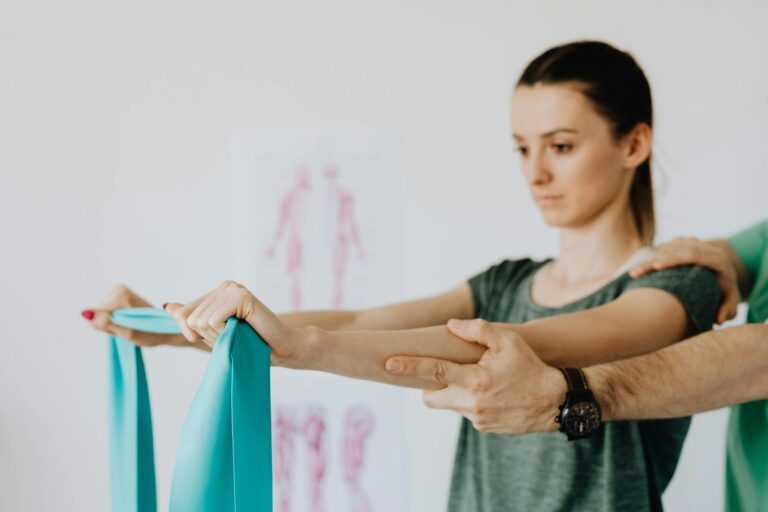
Doctors consistently recommend seven core exercises for back strengthening: pelvic tilts, bridges, bent-over rows, planks, bird dogs, cat-cow stretches, and superman holds. These exercises target the deep stabilizer muscles along the spine that most people neglect, reducing pain and improving mobility in ways that general activity cannot.
For older adults and those with cognitive concerns, back strength is particularly important because a strong spine supports better posture, balance, and coordination—all of which directly affect brain health through improved blood flow and reduced fall risk. This article explores each of these seven exercises in detail: how to perform them correctly, why doctors recommend them specifically, what modifications exist for different fitness levels, and how to progress safely. We’ll also address common mistakes that can undermine results and explain why consistency matters more than intensity when building back strength.
Table of Contents
- Why Doctors Recommend Specific Back Strengthening Exercises
- Understanding the Role of Core Stability in Spinal Health
- Pelvic Tilts and Bridges—The Foundation Movements
- Rows and Targeted Back Muscle Development
- Planks and Bird Dogs—Advanced Core Integration
- Cat-Cow Stretches and Spinal Mobility
- Building Consistency and Preventing Regression
- Conclusion
- Frequently Asked Questions
Why Doctors Recommend Specific Back Strengthening Exercises
Most people think back pain comes from a weak back, but the real problem is usually weak stabilizer muscles—the deep core muscles that hold your spine in alignment during everyday activities. When these muscles fail, larger surface muscles overcompensate, creating pain and dysfunction. Doctors recommend the seven exercises in this article because each one targets these stabilizers systematically, rather than just the large muscles you can feel. The seven-exercise approach also addresses a common gap in people’s fitness routines. Walking, stretching, and general cardio don’t engage the deep core effectively.
A person could walk 10,000 steps daily and still have a weak back because walking primarily uses hip and leg muscles. This is why physical therapists and spine specialists prescribe specific resistance-based movements—they force stabilizer muscles to work in ways that daily life simply doesn’t demand. For individuals with cognitive decline or dementia, this consistency becomes even more critical. Research shows that people with declining cognition who maintain good posture and core strength experience fewer falls and retain independence longer. The back exercises act as a foundation for everything else—sitting without pain, walking with balance, and maintaining the physical confidence needed for mental engagement.

Understanding the Role of Core Stability in Spinal Health
Core stability doesn’t just mean abdominal strength; it encompasses muscles from your pelvic floor all the way up to your diaphragm, plus the deep spinal stabilizers on both sides of your vertebrae. A truly stable core distributes forces evenly across your spine rather than concentrating stress on a few disc segments. Without this stability, even light activities like reaching overhead or bending down to pick something up can create abnormal spinal stress. However, if you already have disc damage or significant arthritis, you need to progress carefully. Some back strengthening exercises can aggravate certain conditions—for example, hyperextension exercises like superman holds should be avoided if you have advanced spinal stenosis (narrowing of the spinal canal).
This is why these recommendations work best when tailored to your specific situation; if you have a diagnosed spinal condition, check with your doctor before starting, especially before the progression exercises described later. Core stability also improves proprioception—your body’s sense of where it is in space. For older adults with early cognitive changes, this is crucial because poor proprioception increases fall risk substantially. By strengthening core stabilizers, you improve the feedback loop between your muscles and your nervous system, which helps prevent the balance problems that often precede cognitive decline. The seven exercises work because they restore this fundamental control system.
Pelvic Tilts and Bridges—The Foundation Movements
Pelvic tilts are the foundation of back strengthening because they teach you how to engage your deep core and move your spine safely. The exercise is simple: lie on your back with knees bent, then gently tilt your pelvis to flatten your lower back against the floor, hold for two seconds, then relax. Many people discover they can’t perform this movement correctly on their first try—their back arches despite their intention, indicating weak core control. This diagnostic value makes pelvic tilts essential. Bridges build on pelvic tilt control by adding load and hip extension. From the same starting position, you press your heels into the floor and lift your hips toward the ceiling, squeezing your glutes and core muscles.
A proper bridge activates your glute muscles more than your back, which is exactly what doctors want—strong glutes take pressure off the lower back by improving hip stability. most people perform bridges incorrectly by arching their lower back instead of maintaining neutral spine; the seven-day rule here is: if your lower back feels the work more than your glutes, you’re doing it wrong, and you need to reset with pelvic tilts first. The progression for both exercises is straightforward: start with 10 repetitions of pelvic tilts and bridges, hold each for one to two seconds, and perform this sequence twice daily. After two weeks, increase hold time to three seconds. After four weeks, add a 2-second pause at the top of the bridge and perform single-leg bridges. This gradual progression prevents overwhelming your nervous system and allows sustainable adaptation.

Rows and Targeted Back Muscle Development
Back rows directly strengthen the posterior chain muscles—rhomboids, latissimus dorsi, and erector spinae—that pull your shoulders backward and prevent the rounded-forward posture that weakens the spine over time. Bent-over rows (using dumbbells, a barbell, or resistance bands) involve hinging at the hips with a neutral spine, then pulling a weight toward your torso while squeezing your shoulder blades together. The movement teaches hip hinging, which is fundamental to bending safely in daily life. A common mistake is using momentum or only pulling with your arms instead of engaging your entire back. To perform rows correctly, you should feel the muscles between your shoulder blades and along your spine working, not just your arms.
If your arms are fatigued but your back feels untouched, you’re compensating incorrectly. For beginners or those with shoulder issues, resistance bands offer a gentler alternative that’s equally effective—the lighter resistance forces you to slow down and focus on proper form rather than moving heavy weight. The comparison between dumbbell rows and machine rows illustrates an important principle: free-weight rows require more stabilizer activation because your core must work to keep your spine from rotating or collapsing. Machine rows are easier and safer for absolute beginners, but they don’t develop the same stability benefits. For this reason, doctors recommend progressing toward free-weight rowing once you’ve mastered the movement pattern.
Planks and Bird Dogs—Advanced Core Integration
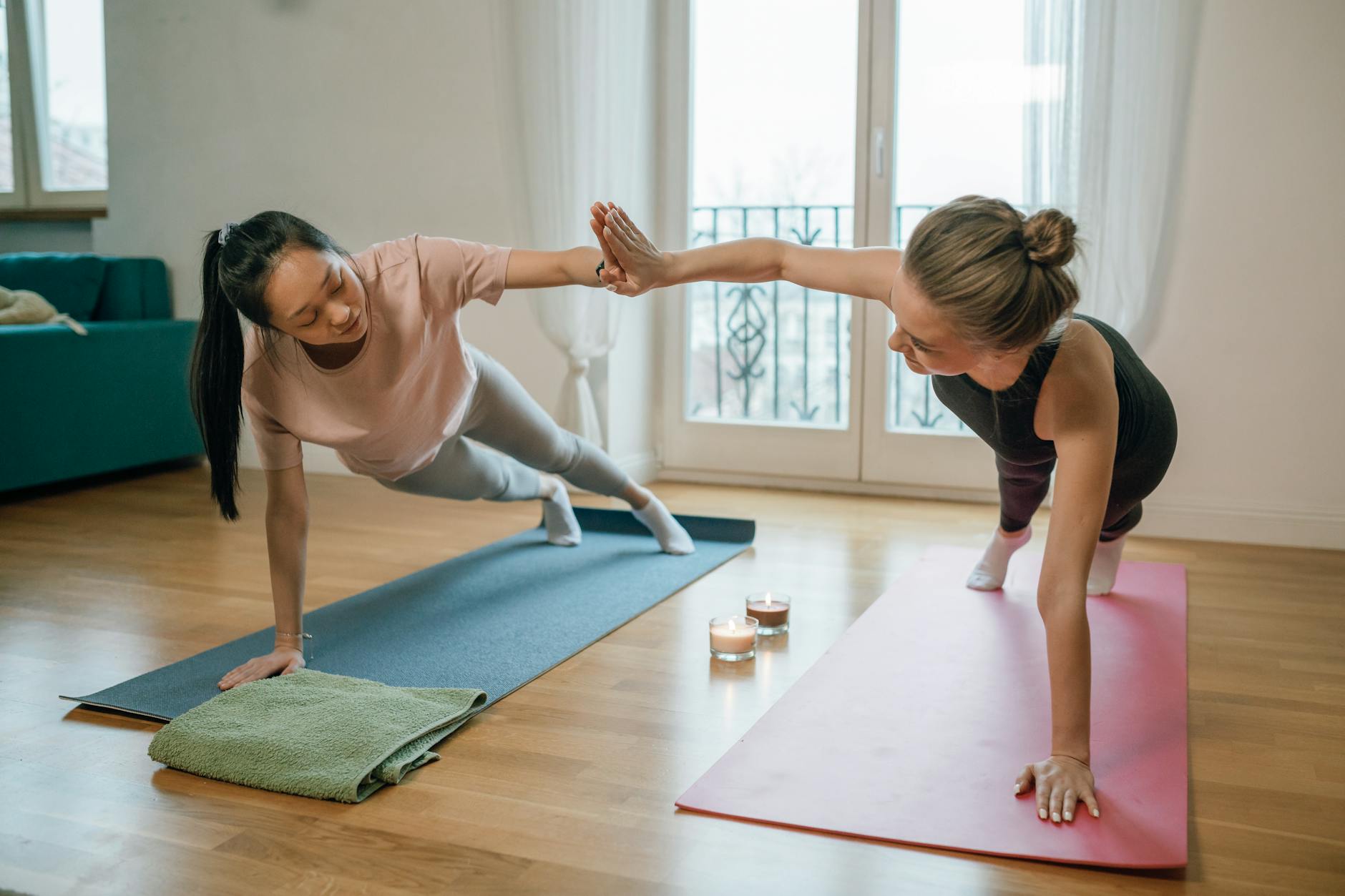
Planks build anti-rotation and anti-extension core strength by requiring your core muscles to prevent your spine from sagging or rotating under your body weight. A proper plank involves lying face-down on your forearms with legs extended, then lifting your hips so your body forms a straight line from head to heels. The critical mistake most people make is allowing their hips to sag, which arches their lower back and reduces effectiveness. Your hips should never drop below the level of your shoulders. Bird dogs take core training further by combining anti-rotation with alternating limb movement. From a hands-and-knees position, you extend one arm forward and the opposite leg backward, hold for one second, and return to start before repeating on the other side. The movement forces your core to stabilize against the destabilizing effect of moving limbs—the exact pattern your spine encounters when walking or reaching.
A warning: bird dogs demand tremendous core control, and performing them incorrectly (by rotating your torso or arching your back) defeats the purpose. Start with static planks for at least two weeks before attempting bird dogs. The progression pathway for both exercises moves from static holds to dynamic variations. Week one: 20-second plank holds, performed three times with rest between. Week three: 30-second holds. Week six: plank with one foot lifted (5 seconds each foot, repeated). Month two: bird dogs for two repetitions per side. These slow progressions prevent the plateau that occurs when people jump to advanced variations too quickly.
Cat-Cow Stretches and Spinal Mobility
While the other six exercises build strength, cat-cow stretches restore movement capability and reduce stiffness in your spine. From a hands-and-knees position, you move between two positions: rounding your spine fully (cat, where your chin comes toward your chest) and arching your spine gently (cow, where your gaze looks upward). The movement mobilizes each vertebra sequentially and coordinates breathing with movement, which calms your nervous system.
Many back pain sufferers have limited spinal mobility due to muscular tension or fear-based guarding (unconscious muscle tightening that prevents movement). Cat-cow stretches safely restore this mobility without loading the spine. A specific example: someone with morning stiffness might perform 10 cat-cow repetitions upon waking, which often reduces pain throughout the day more effectively than stretching alone. This movement also coordinates your core activation with spinal movement—you engage your core gently during the cow position, teaching your muscles to stabilize while moving rather than only during static holds.
Building Consistency and Preventing Regression
The most common reason people don’t achieve lasting back strength is inconsistency. Doctors recommend that these seven exercises be performed at least three times weekly—not because daily performance is necessary, but because research clearly shows that people who skip more than two days in a row lose adaptation and must restart. A practical schedule involves back strengthening on Monday, Wednesday, and Friday, with 15 minutes per session sufficient for someone new to the routine. Progression also requires intentional changes.
After four weeks of the same routine, your nervous system adapts and the stimulus becomes insufficient. This doesn’t mean you need to add weight (though you can); it means you should increase repetitions by 2-3 per exercise, reduce rest periods, or advance to a harder variation. The superman hold example illustrates this: beginners start with 5-second holds, but after six weeks should progress to 10-second holds or single-leg superman holds. Without these changes, the exercises stop producing results and people assume they aren’t working.
Conclusion
The seven exercises doctors recommend—pelvic tilts, bridges, rows, planks, bird dogs, cat-cow stretches, and superman holds—work because they systematically rebuild the spinal stabilizer muscles that most people never train. Each exercise serves a specific purpose: pelvic tilts teach control, bridges strengthen glutes, rows build posterior chain strength, planks develop anti-rotation stability, bird dogs integrate core function with movement, cat-cow stretches restore mobility, and superman holds complete posterior chain strengthening. Together, they address the root cause of back pain rather than just treating symptoms.
To see lasting results, commit to performing these exercises three times weekly for at least eight weeks. Start with the foundational movements (pelvic tilts and bridges), practice them correctly before advancing, and progress gradually rather than jumping to difficult variations. For individuals with cognitive concerns, the additional benefit of improved balance, posture, and proprioception makes back strengthening even more valuable—it’s an investment in the physical foundation that supports cognitive independence.
Frequently Asked Questions
How long before I see results?
Most people notice reduced pain within two weeks and improved mobility within four weeks. However, true structural adaptation to your spine and nervous system takes eight to twelve weeks, so consistency during this period is critical.
Can I do these exercises if I have arthritis?
Yes, but modify progressions. Start with gentler versions (cat-cow only, no bridging if it’s painful) and avoid high-repetition or loaded exercises until pain improves. Check with your doctor if you have significant degeneration.
Should I do these exercises every day?
No. Three times per week with at least one day of rest between sessions is optimal. Your muscles adapt during rest, not during exercise, so daily performance doesn’t improve results and increases injury risk.
Which exercise should I prioritize if I only have time for one?
Bridges. They target the largest muscles in your back and hips, require no equipment, and produce the fastest visible improvements. Progress to the full seven-exercise routine when possible.
Is it normal to feel sore after starting these exercises?
Mild muscle soreness is normal for the first week, but sharp pain or pain that worsens over days is not. Reduce intensity, check your form, and contact your doctor if pain persists.
Can these exercises prevent back pain or just treat existing pain?
Both. People with existing back pain see improvements within weeks, but healthy individuals who perform these exercises regularly have significantly lower rates of developing back pain later. Prevention is more effective than treatment.