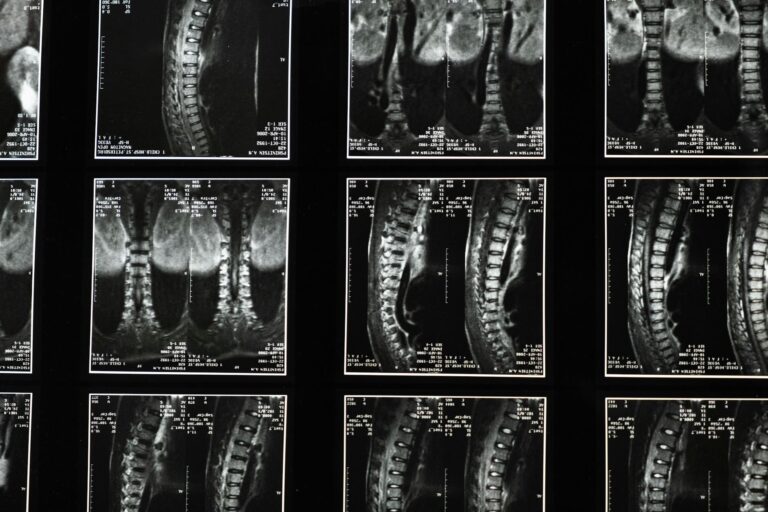
The six signs of a spine injury that demand immediate attention are persistent back or neck pain, numbness and tingling in the extremities, muscle weakness, loss of bladder or bowel control, abnormal reflex responses, and breathing difficulties. Any one of these symptoms following a fall, car accident, or other trauma should be treated as a medical emergency. According to Johns Hopkins Medicine, acute spinal cord injury requires immediate evaluation, and moving someone with a suspected spine injury can cause permanent damage. Spinal cord injuries are more common than most people realize.
Approximately 18,000 new spinal cord injuries occur annually in the United States, which works out to roughly 54 cases per million people. For families already navigating dementia care or other neurological challenges, understanding spine injury warning signs is particularly important. Older adults with cognitive decline are at elevated fall risk, and a spine injury on top of an existing brain health condition can dramatically complicate care. This article walks through each of the six warning signs in detail, explains who is most at risk, and covers what to do when these symptoms appear.
Table of Contents
- What Are the Most Common Signs of a Spine Injury After a Fall?
- Muscle Weakness and Loss of Motor Control Following Spinal Damage
- Why Loss of Bladder or Bowel Control Signals a Serious Spinal Emergency
- How Abnormal Reflexes and Breathing Problems Reveal Hidden Spine Injuries
- Who Is Most at Risk for Spinal Cord Injury and What Caregivers Should Watch For
- Immediate Steps to Take When You Suspect a Spine Injury
- Advances in Spinal Cord Injury Detection and Future Outlook
- Conclusion
- Frequently Asked Questions
What Are the Most Common Signs of a Spine Injury After a Fall?
The most recognizable sign of a spine injury is persistent back or neck pain that does not improve with rest or worsens over time. This is not the kind of soreness you feel after a long day of yard work. Spine injury pain tends to be sharp, burning, or radiating, meaning it travels from the injury site down the arms or legs depending on where the damage occurred. A person with dementia who takes a hard fall may not be able to articulate this pain clearly, which is why caregivers need to watch for behavioral cues like flinching when touched, refusal to move, or sudden agitation that has no other explanation. Numbness and tingling round out the most frequently reported early symptoms.
When the spinal cord or surrounding nerves are damaged, sensory pathways are disrupted, producing a “pins and needles” sensation in the hands, arms, legs, or feet. In some cases, entire regions of the body lose sensation altogether. This is a critical distinction from the temporary tingling most people experience when a limb falls asleep. Spine-related numbness does not resolve by shifting position, and it often follows a specific pattern that corresponds to the level of the spinal cord that was injured. For example, damage in the cervical spine typically affects the arms and hands, while lumbar injuries tend to affect the legs and feet.

Muscle Weakness and Loss of Motor Control Following Spinal Damage
Muscle weakness after a spinal injury occurs because the communication highway between the brain and the body’s muscles has been disrupted. The brain sends signals down the spinal cord telling muscles to contract, and when that pathway is damaged, the result can range from mild weakness to complete paralysis. A person might notice difficulty gripping objects, trouble standing from a seated position, or legs that buckle unexpectedly during walking. The severity depends entirely on whether the spinal cord was partially or completely injured. However, muscle weakness alone does not automatically indicate a spine injury. Conditions like stroke, peripheral neuropathy, and even severe vitamin deficiencies can produce similar symptoms. The key differentiator is context.
Weakness that appears suddenly after a traumatic event such as a car crash, fall, or sports injury should be treated as a spine injury until proven otherwise. In older adults, particularly those with osteoporosis, even a relatively minor fall can cause compression fractures in the vertebrae that produce genuine spinal cord compression. About 31 percent of all spinal cord injuries in the U.S. are caused by falls, making this the second leading cause after motor vehicle crashes. For dementia caregivers, this warning sign can be especially tricky. Progressive muscle weakness is sometimes attributed to the natural decline associated with dementia or aging, and a spine injury that occurs during a fall can go undiagnosed if the person cannot communicate what happened. Any sudden change in mobility or strength warrants medical evaluation, even if the person cannot recall a specific injury.
Why Loss of Bladder or Bowel Control Signals a Serious Spinal Emergency
Loss of bladder or bowel control is one of the most alarming signs of a spinal cord injury, and it often catches families off guard because incontinence is already a reality for many older adults and people with advanced dementia. The difference is in the onset. Gradual changes in continence that develop over months or years are typically related to aging, medication side effects, or neurological conditions like dementia itself. A sudden loss of control, particularly following a fall or accident, points directly to spinal cord damage. The spinal cord manages autonomic functions, which are body processes that happen without conscious thought. Bladder and bowel control fall into this category.
When the spinal cord is injured, particularly in the lower thoracic or lumbar regions, these automatic signals are disrupted. A person may suddenly be unable to sense when their bladder is full, or they may lose the ability to initiate or stop urination. This symptom alone qualifies as a medical emergency. In one documented scenario, a 72-year-old woman who fell in her bathroom initially seemed fine but developed urinary retention within hours. Imaging later revealed a spinal cord compression that required emergency surgery. The practical challenge for caregivers is distinguishing new-onset incontinence from existing patterns. If someone who has been managing their continence with regular bathroom schedules suddenly loses all control after a fall, that change should not be dismissed as a worsening of their baseline condition.

How Abnormal Reflexes and Breathing Problems Reveal Hidden Spine Injuries
Abnormal reflex responses are a clinical sign that most people will not notice at home, but medical professionals check for them immediately when spine injury is suspected. A spinal cord injury can cause hyperactive reflexes, where the body overreacts to stimuli with exaggerated jerking movements, or diminished reflexes, where reactions are sluggish or absent. Both patterns indicate that the neurological pathways running through the spinal cord have been compromised. Emergency physicians use reflex testing as one of the fastest ways to localize the level and severity of a spinal injury. Breathing difficulties represent the most dangerous of the six signs and are associated with injuries at the highest levels of the spinal cord. The cervical spine, particularly segments C1 through C3, controls the diaphragm and other respiratory muscles.
Damage at these levels can weaken or completely paralyze a person’s ability to breathe independently. Even injuries slightly lower in the cervical spine, at C3 through C5, can significantly reduce breathing capacity. This is a life-threatening emergency that requires mechanical ventilation, and it underscores why anyone with a suspected neck injury should never be moved by untrained bystanders. The tradeoff between acting quickly and acting safely is real. Moving someone with a spine injury can worsen the damage, but a person who cannot breathe needs immediate intervention. The correct response is to call emergency services, keep the person still, and if they stop breathing, follow dispatcher instructions for rescue breathing while keeping the neck as stable as possible.
Who Is Most at Risk for Spinal Cord Injury and What Caregivers Should Watch For
The demographics of spinal cord injury reveal clear risk patterns. Approximately 80 percent of SCI patients are male, and the average age at injury is 43 years old. Nearly half of all spinal cord injuries affect individuals between the ages of 16 and 30, driven largely by motor vehicle crashes and sports injuries. But the data does not tell the whole story for the dementia care community. Older adults are disproportionately affected by fall-related spinal injuries, and cognitive impairment increases fall risk substantially. A limitation of the available statistics is that they tend to focus on traumatic spinal cord injuries, the kind caused by sudden force.
Non-traumatic spinal cord damage from tumors, infections, or degenerative disc disease is less well-tracked but equally significant in older populations. A person with dementia who develops gradual numbness in their legs may have a spinal condition that has nothing to do with trauma but is no less serious. Caregivers should be aware that spine problems do not always start with a dramatic event. Globally, the picture is worsening. Between 1990 and 2019, spinal cord injury cases increased by more than 50 percent worldwide, and the years people live with disability from these injuries have risen in parallel. The World Health Organization estimates that between 250,000 and 500,000 people suffer a spinal cord injury each year across the globe. For caregivers, the takeaway is straightforward: spine injuries are not rare, and vigilance matters.

Immediate Steps to Take When You Suspect a Spine Injury
If you witness a fall or accident and notice any of the six warning signs, the single most important action is to call emergency services and keep the person completely still. Do not attempt to sit them up, roll them over, or help them walk. Spinal cord injuries can go from partial to complete with improper movement, turning a recoverable situation into permanent paralysis.
Emergency medical teams carry spinal immobilization equipment specifically designed to transport injured people without additional damage. For caregivers of people with dementia, consider establishing a fall response protocol in advance. Know the person’s baseline mobility, continence patterns, and sensory function so that any sudden change after a fall can be clearly communicated to paramedics. Having this information written down and accessible saves critical time during an emergency.
Advances in Spinal Cord Injury Detection and Future Outlook
Early detection of spinal cord injuries has improved significantly with advances in imaging technology. MRI can now reveal spinal cord compression, swelling, and hemorrhage with far greater detail than was possible even a decade ago, and emergency departments are increasingly using CT scans as a rapid first-line screening tool for trauma patients. Research into biomarkers, proteins released into the blood after nerve damage, may eventually allow spine injuries to be detected with a simple blood test, though this remains in the experimental stage.
The leading causes of SCI in the United States break down as motor vehicle crashes at 38 percent, falls at 31 percent, violence at 13 percent, sports at 9 percent, and medical or surgical complications at 5 percent. Prevention strategies targeting these causes, particularly fall prevention programs for older adults, remain the most effective way to reduce spine injuries in the populations most relevant to dementia caregivers. Simple modifications like removing trip hazards, installing grab bars, and ensuring adequate lighting can meaningfully reduce fall risk for people with cognitive impairment.
Conclusion
The six signs of a spine injury, persistent pain, numbness and tingling, muscle weakness, loss of bladder or bowel control, abnormal reflexes, and breathing difficulties, are each serious on their own and potentially catastrophic when they appear after a traumatic event. Recognizing these signs quickly is especially important in dementia care settings, where the injured person may not be able to describe what happened or what they are feeling. Approximately 18,000 Americans experience a new spinal cord injury each year, and the difference between partial and complete injury often comes down to what happens in the minutes after the event.
If you are caring for someone at elevated fall risk, take time now to learn these warning signs and establish a clear response plan. Know who to call, what information to have ready, and most critically, that keeping the person still until professional help arrives is almost always the right decision. Spinal cord injury is a medical emergency, and swift, informed action gives the injured person the best possible chance at recovery.
Frequently Asked Questions
Can a spine injury occur without any obvious trauma?
Yes. Non-traumatic spinal cord injuries can result from tumors, infections, degenerative disc disease, or loss of blood supply to the spinal cord. Older adults with osteoporosis can sustain vertebral fractures from movements as minor as bending or coughing.
How quickly do spine injury symptoms appear after a fall?
Some symptoms like pain and numbness can appear immediately, while others like loss of bladder control or progressive weakness may develop over hours or even days as swelling around the spinal cord increases. This is why medical evaluation after a significant fall should not be delayed even if the person initially seems fine.
Should I remove a helmet or neck brace from someone with a suspected spine injury?
No. Do not remove any protective equipment. Leave helmets, neck braces, and any other gear in place and let emergency medical professionals handle removal with proper spinal precautions.
Are older adults more likely to have permanent damage from a spine injury?
Generally, yes. Older adults tend to have less physiological reserve, may have pre-existing spinal degeneration, and often face longer recovery times. The presence of conditions like dementia can also complicate rehabilitation, as cognitive impairment affects a person’s ability to participate in physical therapy.
What is the difference between a spinal cord injury and a back injury?
A back injury can involve muscles, ligaments, or bones without affecting the spinal cord itself. A spinal cord injury specifically involves damage to the cord or the nerves at the end of the spinal canal, which produces neurological symptoms like numbness, weakness, or loss of bodily function. Back injuries are painful but generally do not cause paralysis or loss of organ function.