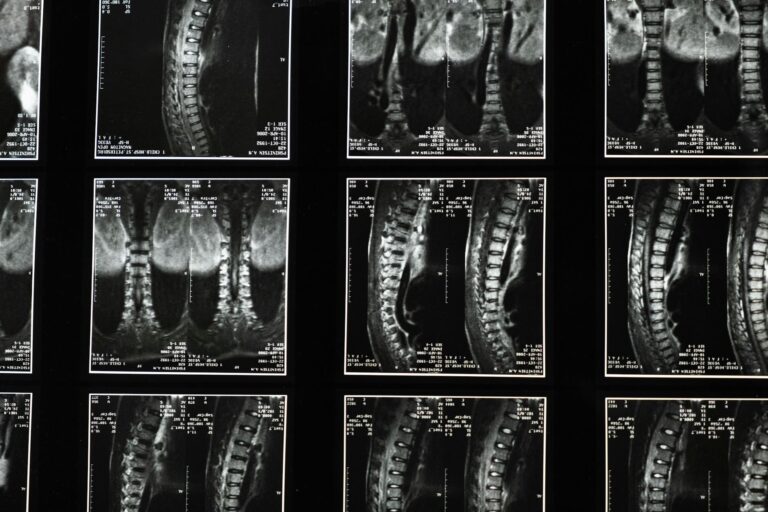
The five primary causes of lumbar disc herniation are age-related disc degeneration, repetitive mechanical stress from bending and lifting, acute traumatic injury, excess body weight placing chronic load on the spine, and genetic predisposition that weakens the structural integrity of spinal discs. While any single factor can trigger a herniation, most cases involve a combination of these causes working together over months or years. A 58-year-old warehouse worker, for instance, may have underlying degenerative changes that finally give way during a routine lift — the event feels sudden, but the groundwork was laid long before.
Understanding what causes lumbar disc herniation matters beyond back pain alone. For older adults and those navigating cognitive decline, the connection between chronic pain, reduced mobility, and brain health is significant. Persistent pain from a herniated disc can limit physical activity, disrupt sleep, and contribute to social isolation — all of which are recognized risk factors for accelerating dementia. This article examines each of the five causes in detail, explores how they interact, and discusses what practical steps can reduce risk, particularly for aging adults who are already managing neurological health concerns.
Table of Contents
- What Are the Main Causes of Lumbar Disc Herniation and Why Do They Matter?
- How Age-Related Disc Degeneration Sets the Stage for Herniation
- Repetitive Mechanical Stress and Occupational Risk Factors
- How Body Weight and Physical Fitness Influence Disc Health
- Genetic Predisposition and the Limits of Prevention
- Acute Trauma and Sudden-Onset Herniation
- The Connection Between Chronic Spinal Pain and Cognitive Decline
- Conclusion
- Frequently Asked Questions
What Are the Main Causes of Lumbar Disc Herniation and Why Do They Matter?
Lumbar disc herniation occurs when the soft, gel-like center of an intervertebral disc pushes through a tear in its tougher outer ring, most commonly between the L4-L5 or L5-S1 vertebrae. The five causes fall into two broad categories: those you cannot control, such as genetics and aging, and those influenced by behavior and environment, such as body mechanics, weight, and injury history. The distinction matters because it shapes which prevention strategies are realistic and which are wishful thinking. No amount of core strengthening will override a genetically thin annulus fibrosus, but it can absolutely compensate for poor lifting habits.
These causes do not operate in isolation. A person with a genetic predisposition who also carries excess weight and works a physically demanding job faces compounding risk. Research published in the journal spine has shown that individuals with a family history of disc disease are roughly three to five times more likely to develop herniations than those without, but that risk climbs further with modifiable factors layered on top. Compared to conditions like muscle strain, which heals relatively predictably, disc herniation involves structural failure that may or may not resolve on its own, making prevention far more valuable than treatment after the fact.
How Age-Related Disc Degeneration Sets the Stage for Herniation
The most common underlying cause of lumbar disc herniation is the natural degeneration of spinal discs that begins as early as the mid-twenties. Over decades, discs lose water content, becoming less flexible and more prone to tearing. By age 60, some degree of disc degeneration is virtually universal on MRI imaging, even in people who have never experienced back pain. The annulus fibrosus — the disc’s outer wall — develops micro-tears over time, and the nucleus pulposus inside gradually shifts from a hydrated gel to a more fibrous, less cushioning material. However, degeneration alone does not guarantee herniation.
Plenty of people live with significantly degenerated discs and never experience a symptomatic event. The critical threshold is crossed when degeneration weakens the annulus enough that a relatively minor mechanical stress can push disc material outward. This is why so many herniations seem disproportionate to their triggering event — someone bends to pick up a grocery bag and suddenly cannot stand upright. The bend did not cause the herniation; years of degeneration did, and the bend was simply the last straw. For older adults managing dementia or other cognitive conditions, this means that spine health may have been quietly deteriorating well before any symptoms appeared, making proactive screening conversations with a physician worthwhile.
Repetitive Mechanical Stress and Occupational Risk Factors
Repeated bending, twisting, and heavy lifting create cumulative mechanical stress on lumbar discs that dramatically increases herniation risk. Occupations that involve manual labor — construction, nursing, warehouse logistics, agriculture — carry some of the highest rates of lumbar disc problems. A 2019 systematic review in the Journal of Occupational Health found that workers performing frequent heavy lifting had roughly twice the risk of lumbar disc herniation compared to sedentary workers. The mechanism is straightforward: each bending or loading event generates intradiscal pressure, and over thousands of repetitions, the annulus develops fatigue-related tears. But the risk is not limited to blue-collar work.
Prolonged sitting, particularly with poor posture, generates sustained intradiscal pressure that can be just as damaging over time. Office workers who sit for eight or more hours daily without adequate movement breaks show accelerated disc degeneration in imaging studies. The critical variable is not necessarily the magnitude of any single load but the cumulative exposure. A desk worker who sits poorly for 30 years may face comparable disc stress to a manual laborer who lifts correctly but frequently. For caregivers of individuals with dementia — a role that often involves physically assisting another person with transfers, bathing, and repositioning — the risk is particularly relevant and frequently overlooked in conversations about caregiver health.
How Body Weight and Physical Fitness Influence Disc Health
Excess body weight is one of the most modifiable risk factors for lumbar disc herniation, yet it is also one of the most underestimated. Every additional pound of body weight translates to roughly four extra pounds of compressive force on the lumbar spine during walking. A person carrying 30 extra pounds is effectively adding 120 pounds of load to their lower back with every step. Over years, this accelerates disc degeneration and increases the likelihood that a weakened disc will herniate. The tradeoff, however, is that the type of physical activity pursued matters enormously.
High-impact exercise like running on hard surfaces or heavy deadlifting without proper form can increase disc stress despite improving overall fitness. Lower-impact options such as swimming, walking, or cycling strengthen the supporting musculature without subjecting discs to excessive compressive or shear forces. For older adults, particularly those with early cognitive changes, the exercise prescription needs to balance spine protection with the well-documented cognitive benefits of regular physical activity. A walking program on even terrain may offer the best combination of brain health support and spinal safety. Conversely, complete inactivity — sometimes seen in individuals whose pain or cognitive decline limits motivation — weakens the paraspinal muscles that protect discs, creating a vicious cycle where less movement leads to more vulnerability.
Genetic Predisposition and the Limits of Prevention
Genetic factors account for an estimated 50 to 70 percent of the variability in disc degeneration across the population, according to twin studies conducted over the past two decades. Specific gene variants affecting collagen structure, inflammatory response, and the vitamin D receptor have all been linked to earlier and more severe disc disease. A person can do everything right — maintain a healthy weight, exercise regularly, use proper body mechanics — and still develop a herniation because the structural proteins in their discs were never as resilient as average. This is an important limitation to acknowledge, particularly in the context of health advice.
Telling someone their herniation resulted from poor habits when their genetics loaded the dice against them is both inaccurate and counterproductive. What genetics do not determine, however, is whether a herniation becomes chronically disabling. Even among those with genetic predisposition, maintaining core stability, managing weight, and staying physically active significantly reduce the severity of symptoms if a herniation occurs. For families dealing with both hereditary disc disease and hereditary dementia risk, recognizing which factors are modifiable and which are not can help focus limited energy and resources where they will have the most impact.
Acute Trauma and Sudden-Onset Herniation
While most lumbar disc herniations develop gradually, acute trauma — a car accident, a fall, a sports collision — can cause immediate herniation even in a previously healthy disc. The mechanism typically involves a sudden, high-magnitude compressive or rotational force that overwhelms the annulus in a single event. Falls are especially relevant for older adults, who may already have compromised balance due to medication effects, neuropathy, or cognitive impairment.
A fall that a younger person might walk away from can produce a disc herniation in someone whose discs have already undergone age-related weakening. In the dementia caregiving context, fall prevention takes on dual importance: protecting both the brain from concussive injury and the spine from traumatic disc damage. Home modifications like removing loose rugs, installing grab bars, and ensuring adequate lighting address both risks simultaneously.
The Connection Between Chronic Spinal Pain and Cognitive Decline
Emerging research is drawing a clearer line between chronic pain conditions like lumbar disc herniation and accelerated cognitive decline. A 2023 study in the journal Pain found that older adults with chronic low back pain showed faster rates of hippocampal volume loss compared to pain-free peers. The proposed mechanisms include chronic inflammation, disrupted sleep architecture, reduced physical activity, and the cognitive burden of persistent pain processing itself.
None of this means a herniated disc causes dementia, but it does suggest that unmanaged spinal pain may remove protective factors that slow cognitive decline. This connection argues for treating lumbar disc herniation in older adults more aggressively than the traditional wait-and-see approach might suggest. When mobility and sleep quality are at stake — and when those factors feed directly into brain health — the calculus for pursuing physical therapy, injections, or even surgical intervention shifts. Addressing spine health is not separate from addressing brain health; for aging adults, they are intertwined.
Conclusion
Lumbar disc herniation results from the interplay of age-related degeneration, repetitive mechanical stress, body weight, genetic vulnerability, and acute trauma. No single cause tells the full story in most cases, and effective prevention requires addressing the modifiable factors — weight management, body mechanics, appropriate exercise, and fall prevention — while accepting the limits imposed by genetics and aging. For older adults and those managing cognitive health concerns, the stakes extend beyond back pain into territory that directly affects brain function and quality of life.
The practical next step for anyone concerned about lumbar disc health is a candid conversation with a physician or physical therapist who can assess individual risk factors. For caregivers of people with dementia, that conversation should include an honest look at the physical demands of caregiving and whether current body mechanics and fitness levels are sustainable. Spinal health is not a separate project from brain health — it is part of the same effort to preserve function, independence, and well-being over the long term.
Frequently Asked Questions
Can a lumbar disc herniation heal on its own without surgery?
Yes. Roughly 60 to 80 percent of symptomatic lumbar disc herniations improve significantly within six to twelve weeks with conservative treatment, including physical therapy, anti-inflammatory medications, and activity modification. The herniated material can actually shrink over time through a process called resorption. Surgery is typically reserved for cases with progressive neurological deficits or pain that does not respond to several months of conservative care.
Does sitting cause disc herniation?
Prolonged sitting does not directly cause herniation, but it increases intradiscal pressure — especially with slouched posture — and accelerates the degenerative changes that make herniation more likely over time. Standing desks, regular movement breaks, and lumbar support can reduce this cumulative stress significantly.
Is there a link between lumbar disc herniation and dementia risk?
There is no direct causal link, but chronic pain from disc herniation can reduce physical activity, impair sleep, and increase social isolation — all established risk factors for cognitive decline. Managing spinal pain effectively may help preserve the lifestyle factors that support brain health.
At what age is lumbar disc herniation most common?
Symptomatic herniations peak between ages 30 and 50, when discs have degenerated enough to be vulnerable but still retain enough gel-like nucleus to herniate outward. In adults over 60, the nucleus is often too dehydrated to herniate in the classic sense, though degenerative disc disease and spinal stenosis become more common.
Can exercise make a herniated disc worse?
Certain exercises can, particularly those involving heavy axial loading, deep forward flexion, or high-impact jarring. However, appropriate exercise — guided by a physical therapist — is one of the most effective treatments. The key distinction is between movements that increase intradiscal pressure on the damaged segment and those that strengthen supporting muscles without stressing the disc.
Should caregivers of dementia patients be concerned about their own spine health?
Absolutely. Caregiving frequently involves lifting, transferring, and repositioning another person, often in awkward postures and without proper equipment. Studies consistently show that informal caregivers have elevated rates of musculoskeletal injury, including back problems. Learning proper transfer techniques and using assistive devices are not optional extras — they are essential for sustaining the ability to provide care.