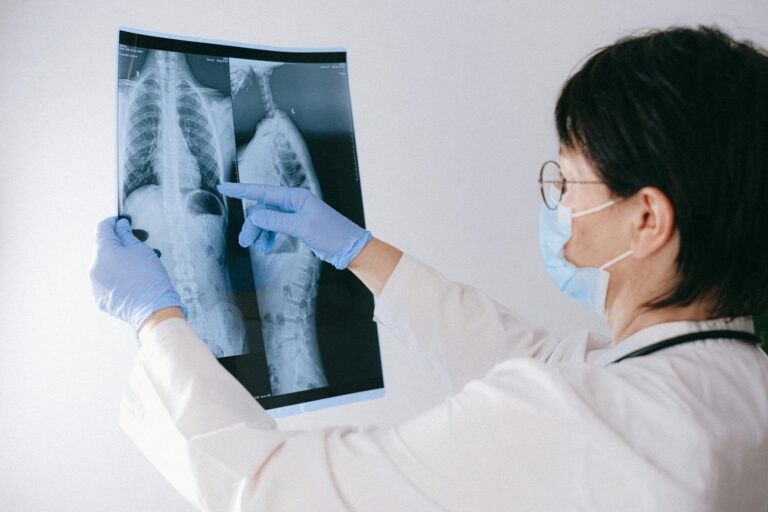
Lumbar spine degeneration symptoms often develop so gradually that people dismiss them as normal aging or temporary discomfort—until the condition progresses to a stage where movement becomes painful and daily activities suffer. The twelve key symptoms include early warning signs like subtle stiffness and dull aches that progress to more specific problems like radiating nerve pain, muscle weakness, and muscle spasms. Many of these symptoms are easy to ignore because they come and go, or because people attribute them to a hard day at work or sleeping wrong, delaying any real diagnosis or intervention.
Understanding these symptoms matters because the earlier you recognize them, the more treatment options remain available to you. While spinal degeneration is extremely common—37% of people show disc degeneration on imaging by age 20, and 80% by age 50—not everyone with imaging changes experiences symptoms. However, when symptoms do appear, recognizing them early prevents the progression to more debilitating stages where nerve compression becomes severe and functional limitations accumulate. This article walks through the twelve symptoms most people overlook, explains why each one matters, covers the progression from subtle to obvious signs, and clarifies when imaging findings actually correlate with your symptoms versus when they’re just noise on a scan.
Table of Contents
- What Are the Early Warning Signs That Feel Like Nothing Special?
- When Does Pain Worsen With Position Changes and What That Tells You?
- Radiating Pain and Nerve-Related Symptoms You’re Likely to Miss or Minimize?
- Muscle Weakness and Loss of Control—The Symptom People Often Don’t Notice Until It Affects Function?
- Why Finding Disc Degeneration on an MRI Doesn’t Always Explain Your Pain?
- Progressive Prevalence of Spinal Degeneration Across Age Groups?
- What Happens When You Finally Get Diagnosed and What to Expect?
- Conclusion
What Are the Early Warning Signs That Feel Like Nothing Special?
The very first symptoms of lumbar spine degeneration often feel so mild that people don’t connect them to a structural spine problem. You might notice a dull, persistent ache in your lower back that doesn’t fully resolve after rest, or morning stiffness that takes an hour or more to ease away. These aren’t the sharp, acute pains that send you to urgent care—they’re the kind of chronic low-grade discomfort that becomes part of your baseline.
Because they’re not dramatic, people tend to attribute them to sleeping position, office chair quality, or just getting older. The problem is that these early symptoms directly reflect changes happening in your spine: as the discs lose water content and become less flexible, your back stiffens, and the surrounding muscles tense to compensate. Stiffness after waking or prolonged sitting is a particularly telling sign because discs bear three times more load when sitting than when standing, which means a degenerating disc will make that position noticeably worse. Once you recognize this pattern—that a long meeting or car ride leaves your lower back significantly stiffer than a day of walking around—you have a concrete symptom worth investigating rather than something to work around.

When Does Pain Worsen With Position Changes and What That Tells You?
Many people notice their lower back pain has a specific pattern: it hurts more when they’re stationary (sitting, standing still, or lying in certain positions) and feels better when they move. This seems counterintuitive because movement typically worsens acute injuries, but degeneration works differently. Stiffness and pain that decreases with movement suggests the problem is disc-related rather than a torn muscle or ligament—your body is moving into positions that reduce pressure on the degenerated disc or ease muscle tension built up from compensation. However, this pain pattern also masks how serious things have become.
Someone might have significant disc degeneration but manage their symptoms by staying active, which seems like a positive sign. The limitation here is that activity-dependent pain relief doesn’t mean the degeneration has stopped progressing—it just means you’ve found ways to feel better temporarily. If pain worsens with bending, prolonged sitting, or specific movements, that’s a clearer signal that a degenerative disc is irritating nearby structures and needs professional evaluation. An MRI can show the degeneration, but research shows that imaging findings don’t always correlate with pain severity or whether you’ll eventually need surgery, so clinical symptoms matter more than the image itself.
Radiating Pain and Nerve-Related Symptoms You’re Likely to Miss or Minimize?
When a degenerated disc herniates or the disc space narrows, it can compress nerve roots as they exit the spine, and this produces very different symptoms than local back pain. You might feel radiating pain that travels from your lower back into your buttocks, groin, or upper thighs—pain that seems to follow a particular path down your leg. This radiating pattern is what doctors call referred pain, and it’s a key indicator that a nerve root is involved. Over 90% of herniated discs that cause this kind of pain occur at the L4-L5 or L5-S1 disc spaces, which are the lowest two discs in your lumbar spine.
Sciatica is the most well-known form of nerve compression from lumbar degeneration: pain, numbness, or tingling that radiates from your lower back through one hip and down the back or side of your leg. Many people recognize sciatica and seek help, but others experience milder versions of nerve involvement—tingling in just the top of the thigh, a burning sensation on the side of the calf, or numbness that comes and goes. These subtler nerve symptoms are easy to minimize because they’re not as obviously connected to your spine as dramatic sciatica. The warning is that nerve compression tends to get worse over time if untreated, progressing from intermittent tingling to constant numbness or even muscle weakness, so early recognition helps prevent more permanent nerve damage.

Muscle Weakness and Loss of Control—The Symptom People Often Don’t Notice Until It Affects Function?
As spinal nerves become increasingly compressed, the muscles they control can weaken. This might show up as difficulty lifting your foot when climbing stairs, trouble pointing your toes or flexing your foot, or a general sense that your leg feels weak or unreliable. These functional changes are subtler than pain, so people often adjust their behavior rather than recognizing it as a medical symptom—you start taking stairs differently, avoid shoes with certain heel heights, or step up differently with one leg versus the other.
The danger is that muscle weakness from nerve compression can become permanent if the compression goes on long enough, potentially causing lasting loss of function in that leg. Compared to pain, which is distressing but reversible once you treat the cause, weakness is a red flag because it represents nerve damage rather than just irritation. If you’re experiencing muscle weakness along with numbness or tingling, that’s a clear signal to seek imaging and a specialist evaluation quickly. Early intervention when you have weakness but before that weakness becomes severe can prevent the progression to more disabling losses of function.
Why Finding Disc Degeneration on an MRI Doesn’t Always Explain Your Pain?
Here’s a critical fact that often confuses patients: most disc degeneration is asymptomatic, meaning people have significant degeneration visible on imaging but feel no pain at all. Research shows that 37% of people by age 20, 80% by age 50, and 96% of people over 80 have disc degeneration visible on MRI or X-ray, yet far fewer have any symptoms. This disconnect happens because degeneration alone doesn’t necessarily irritate nerves or nearby structures in a way that produces pain. A bulging disc only causes problems if that bulge is pressing on a nerve root or if it’s triggering inflammation that affects your back muscles.
The limitation of relying on imaging to explain your symptoms is that you might get an MRI showing degenerated discs and assume that’s your problem, when actually your symptoms might be coming from muscle tension, inflammation, or other factors that MRI doesn’t capture well. Conversely, you might have terrible pain but mild-looking degeneration on imaging, which can be frustrating and confusing. This means your clinical symptoms—what you actually feel and how your pain behaves with movement and position—are more important for diagnosis and treatment planning than what the image shows. Two people with nearly identical MRI findings might have completely different symptoms and need different treatment approaches.

Progressive Prevalence of Spinal Degeneration Across Age Groups?
The statistics on lumbar degeneration paint a clear picture: it becomes more common and more pronounced as you age. Women show higher prevalence than men across age groups, and regional differences exist too, with highest prevalence in Europe (5.7%) and lowest in Africa (2.4%). Around 403 million people worldwide experience symptomatic disc degeneration annually, representing 5.5% of the global population.
The key insight is that degeneration isn’t a disease you either have or don’t have—it’s a spectrum that nearly everyone develops to some degree as they age. For people in their 40s or 50s, this means that if you start noticing symptoms, you’re not experiencing something rare or anomalous. Instead, you’re experiencing the more common outcome where the degenerative changes that develop over decades actually start producing noticeable symptoms. Recognizing this timeline helps you understand why early intervention matters: waiting until you’re significantly limited by symptoms means waiting until degeneration has likely progressed further, when more aggressive treatment might be necessary.
What Happens When You Finally Get Diagnosed and What to Expect?
Diagnosis typically involves your medical history, a physical examination that tests your strength, reflexes, and range of motion, plus imaging to confirm degeneration. X-rays show the overall structure and any bone spurs, while MRI provides detailed images of disc hydration and any herniation or nerve compression. However, as discussed earlier, the imaging findings need to match your clinical symptoms to be meaningful. Your doctor will correlate what they see on imaging with what they find on physical exam and what you report about your symptoms.
The good news is that most lumbar disc degeneration can be managed conservatively initially with physical therapy, activity modification, and sometimes anti-inflammatory medication. Surgery becomes an option only if conservative approaches fail and your nerve compression is severe enough to cause progressive weakness or other neurological signs. Understanding this progression—from recognizing early symptoms to pursuing diagnosis to trying conservative treatment before considering more aggressive options—helps you make informed decisions about your care. Early recognition of symptoms means more time to manage the degeneration before it reaches a stage where surgical intervention becomes necessary.
Conclusion
The twelve symptoms of lumbar spine degeneration—ranging from subtle morning stiffness to obvious radiating nerve pain and muscle weakness—form a spectrum that develops gradually over time. Most people ignore the early symptoms because they’re mild and intermittent, but recognizing this progression makes the difference between catching degeneration when many treatment options remain available and waiting until the condition significantly impacts your function and daily life.
Understanding that degeneration is normal aging (affecting most people by their 50s) helps normalize the experience while also making clear why professional evaluation matters when symptoms appear. If you’re experiencing persistent lower back pain, stiffness that doesn’t fully resolve, radiating pain down your leg, tingling or numbness, or any change in how your legs feel and function, these are worth discussing with a spine specialist or your primary care doctor rather than dismissing as normal aging. Early diagnosis and intervention give you the best chance of managing the degeneration through conservative treatment and preventing progression to more debilitating stages.