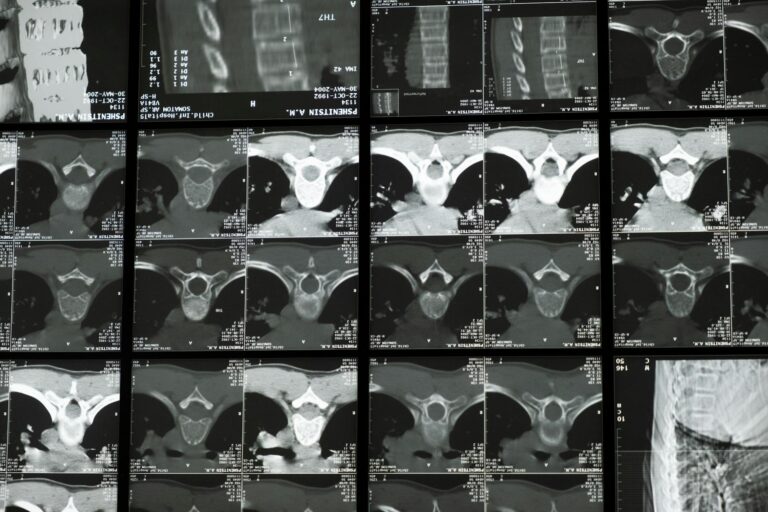
Low back pain is now the leading cause of years lived with disability worldwide, and doctors point to eleven specific risk factors that make lumbar spine injuries far more likely. These include obesity, smoking, advancing age, sedentary habits, genetic predisposition, occupational hazards like heavy lifting, preexisting spinal conditions, poor posture, psychological stress, high-impact trauma, and osteoporosis. In 2021 alone, approximately 628.8 million people globally were affected by low back pain, with roughly 266.9 million new cases at an age-standardized rate of 3,176.6 per 100,000 people. That is not a minor public health footnote. It is a crisis that touches nearly every family, and understanding what drives it is the first step toward prevention.
Consider a 58-year-old retired warehouse worker who spent decades lifting heavy boxes, gained weight after leaving the job, and now struggles with chronic lumbar pain that limits his ability to play with his grandchildren. His story is not unusual. It reflects the way these risk factors stack on top of each other, compounding damage over years. What makes the lumbar spine so vulnerable is its position at the base of the spinal column, where it bears the majority of the body’s weight and absorbs enormous mechanical forces during everyday movement. This article examines each of the eleven risk factors in detail, drawing on peer-reviewed research, and explains what you can realistically do about the ones within your control.
Table of Contents
- What Are the Most Common Risk Factors Doctors Link to Lumbar Spine Injuries?
- How Age and Sedentary Living Accelerate Lumbar Spine Damage
- The Genetic and Hereditary Factors Behind Lumbar Vulnerability
- How Occupational Hazards and Posture Choices Shape Long-Term Spinal Health
- Why Psychological Stress and Depression Are Underrecognized Lumbar Risk Factors
- High-Impact Trauma and Osteoporosis as Acute and Chronic Threats
- Reducing Compounding Risk Through Early and Integrated Intervention
- Conclusion
- Frequently Asked Questions
What Are the Most Common Risk Factors Doctors Link to Lumbar Spine Injuries?
Physicians and spine specialists consistently identify the same cluster of risk factors when evaluating patients with lumbar injuries. At the top of the list sits obesity. Research published in the Spine Journal found that obese workers have a 2.18 times higher incidence of lumbar spinal stenosis compared to normal-weight individuals, while overweight workers face a 1.68 times higher incidence. A separate study published in Nature reported that persistent overweight, defined as a BMI of 25 or above, is associated with a 4.3 times adjusted odds ratio for lumbar disc degeneration. The relationship is dose-dependent: the heavier you are, the greater both the likelihood and intensity of back pain, according to research in the journal Obesity Reviews. Smoking is the second major modifiable risk factor, and it is often underestimated.
A meta-analysis in the European Spine Journal found that smokers face a 1.27 times relative risk of lumbar disc herniation overall, rising to 1.48 times in case-control studies. Nicotine constricts blood vessels, starving spinal discs of the oxygen and nutrients they need to maintain structural integrity, as documented by the National Spine Health Foundation. What makes this particularly dangerous is the way smoking interacts with other risk factors. Active smokers who are also overweight carry 1.99 times higher odds of recurrent lumbar disc herniation. Smoking is also an independent risk factor for reoperation following disc herniation surgery. For anyone managing dementia care for a loved one who also smokes, this is worth a direct conversation with their physician, because the compounding effects are real and measurable.

How Age and Sedentary Living Accelerate Lumbar Spine Damage
Age reshapes spinal risk in two distinct ways. Younger adults between 16 and 30 are at peak risk for traumatic spinal cord injury, often from sports, vehicle accidents, or falls. After 65, the risk profile shifts toward fragility-related injuries, particularly falls. Data from the National Institute of Neurological Disorders and Stroke confirms this bimodal pattern. Epidemiological tracking shows that lumbar spine fracture incidence saw a two-fold increase between 2003 and 2022, with a 20-year rate of 10.14 per 100,000 person-years. An aging global population is a significant driver of that trend. However, age alone does not seal anyone’s fate. What accelerates lumbar deterioration in older adults is often physical deconditioning.
Sedentary behavior, particularly in non-neutral postures, is closely associated with low back pain. Research published through the National Center for Biotechnology Information highlights that prolonged sitting in office workers and bent postures in nurses both contribute meaningfully to injury risk. Weak abdominal and posterior spinal muscles are a documented risk factor for sustaining low back injuries, according to a review of lumbar spine injuries in sports published in PMC. This is an important caveat for dementia caregivers: the physical demands of lifting, transferring, and supporting a person with cognitive decline can be brutal on an untrained back. If you are providing hands-on care and have not strengthened your core musculature, you are operating with a structural deficit that the spine will eventually punish. The limitation here is that exercise advice must be tailored. Someone with existing disc degeneration or spinal stenosis cannot simply start a heavy core workout program. A physical therapist should evaluate baseline function before any strengthening protocol begins, especially for adults over 60 or those with prior back injuries.
The Genetic and Hereditary Factors Behind Lumbar Vulnerability
Not all lumbar spine risk comes from lifestyle choices. Genetics play a surprisingly large role. Twin studies have shown that familial aggregation explains between 47 and 66 percent of the variance in lumbar disc degeneration progression. That is not a small contribution. It means that for many people, more than half of their disc deterioration trajectory was influenced before they ever lifted a heavy object or sat at a desk. Research cited by Chennai Spine Care found that individuals with an immediate family member who suffered disc-related lower back pain are four times more likely to experience lower back pain themselves. Genetic predisposition to osteoporosis can also be inherited, further compounding risk, as documented in a PMC review of the genetic background of degenerative disc disease.
Consider two siblings: one becomes a long-haul truck driver, the other a yoga instructor. If their parents both had significant disc degeneration, the yoga instructor may still develop lumbar problems despite doing everything right from a lifestyle perspective. Genetics do not guarantee injury, but they set the floor for how much stress your spine can absorb before something gives way. This matters for families dealing with dementia because degenerative conditions often cluster. A parent with both cognitive decline and chronic back pain may have passed along genetic susceptibility for spinal degeneration to their children, who are now serving as physical caregivers. Knowing your family history is not just academic. It should inform how aggressively you protect your own spine while providing care.
How Occupational Hazards and Posture Choices Shape Long-Term Spinal Health
Workplace exposures remain among the most well-documented causes of lumbar injury. An umbrella review published in PubMed confirmed that occupational mechanical stress, heavy lifting, repetitive movements, and whole-body vibration are established risk factors for low back pain and sciatica. Construction workers, nurses, delivery drivers, and warehouse employees face disproportionate risk. But the problem extends beyond traditionally physical jobs. Anyone who sits for eight or more hours daily in a poorly configured workstation is slowly loading their lumbar discs in ways the spine was not designed to sustain. Poor posture compounds the problem through a biomechanical pathway that is worth understanding. Research from Spine.md explains that increased visceral fat alters lumbar lordosis, the natural inward curve of the lower back. This shift places the lumbosacral junction under greater shear loads, resulting in a less stable spine. The tradeoff many people face is between ergonomic investment and convenience.
A standing desk, a supportive chair, and regular movement breaks cost time and money. But the alternative is progressive disc wear that may eventually require surgical intervention, which costs far more of both. For caregivers who spend hours bending over hospital beds or lifting someone from a wheelchair, the postural stress is relentless. Proper body mechanics training is not optional in that context. It is a form of occupational self-preservation. The comparison worth making is between reactive and preventive approaches. A lumbar support belt worn during heavy lifting costs a few dollars and a minor inconvenience. A lumbar fusion surgery costs tens of thousands of dollars and months of recovery. The math is not complicated, but human behavior often is.
Why Psychological Stress and Depression Are Underrecognized Lumbar Risk Factors
The connection between mental health and back pain is one of the most counterintuitive findings in spine research, yet it is well supported. A comprehensive umbrella review published in PubMed identified psychological stress, including depression, as an adverse risk factor for low back pain and sciatica. This is not a claim that back pain is imagined. The mechanism involves real physiological changes: chronic stress increases muscle tension, disrupts sleep, reduces physical activity, and elevates inflammatory markers, all of which degrade spinal health over time. For families navigating dementia care, this finding carries particular weight. Caregiver depression is extraordinarily common. The emotional toll of watching a parent or spouse lose cognitive function, combined with the physical demands of daily care, creates a stress environment that directly undermines spinal resilience.
The warning here is that treating back pain without addressing the underlying psychological burden often fails. A caregiver who receives a cortisone injection but returns to the same unrelenting stress cycle is likely to re-injure. Mental health support is not a luxury add-on to spine care. For this population, it is a structural component of any realistic treatment plan. The limitation of this research is that the causal direction is difficult to untangle. Depression may cause back pain, back pain may cause depression, or both may share common upstream causes like inflammation or genetic vulnerability. Regardless of the mechanism, clinicians who ignore the psychological dimension are working with an incomplete picture.

High-Impact Trauma and Osteoporosis as Acute and Chronic Threats
Falls greater than two meters, sports injuries, and road traffic collisions are significant predictors of spinal fractures and spinal cord injury, according to research on the epidemiology of spinal injury in major trauma published in PMC. Not wearing proper protective equipment, whether seat belts in vehicles or pads in contact sports, significantly increases risk, as noted by the National Institute of Neurological Disorders and Stroke. For older adults with dementia, the fall risk is especially alarming. Cognitive impairment disrupts spatial awareness, balance, and judgment, turning a simple trip to the bathroom into a potential spinal emergency.
Osteoporosis amplifies this danger dramatically. The National Spine Health Foundation documents that low bone mineral density is associated with disc degeneration and greatly increases susceptibility to lumbar fractures. A fall that would merely bruise a healthy 40-year-old can shatter a vertebra in someone with advanced osteoporosis. Because genetic predisposition to osteoporosis can be inherited, families with a history of fragility fractures should pursue bone density screening proactively rather than waiting for the first break to reveal the problem.
Reducing Compounding Risk Through Early and Integrated Intervention
The most important takeaway from this body of research is that lumbar spine risk factors rarely operate in isolation. Obesity combines with smoking. Sedentary habits combine with poor posture. Genetic vulnerability combines with occupational stress. Depression compounds everything.
A person carrying three or four of these risk factors simultaneously faces a dramatically different probability of injury than someone with just one. The forward-looking development in spine medicine is a shift toward integrated risk assessment, where clinicians evaluate the full constellation of factors rather than treating each complaint in a silo. For dementia caregivers, who often neglect their own health while managing someone else’s decline, this integrated approach is especially critical. Screening for bone density, core strength, mental health, and ergonomic exposure should be part of routine care for anyone providing sustained physical caregiving. The spine does not care about your good intentions. It responds to the forces placed upon it, and those forces are governed by the risk factors outlined here.
Conclusion
The eleven risk factors that doctors associate with lumbar spine injuries span the full range of human experience, from the genetic code you inherited to the chair you sit in, the weight you carry, and the stress you absorb. Some of these factors, like age and genetics, cannot be changed. But obesity, smoking, sedentary behavior, poor posture, and untreated depression are all modifiable, and the research consistently shows that addressing even a few of them meaningfully reduces injury risk. With low back pain affecting an estimated 628.8 million people worldwide and standing as the leading cause of years lived with disability since 1990, the stakes of inaction are not abstract.
If you are caring for someone with dementia, your own lumbar health is not a secondary concern. It is a prerequisite for sustained caregiving. Talk to your doctor about bone density screening, invest in core strengthening under professional guidance, address any depression or chronic stress through appropriate channels, and take workplace ergonomics seriously even when the workplace is your own home. The spine you protect today is the one that will allow you to keep showing up for the people who depend on you.
Frequently Asked Questions
Can lumbar spine injuries increase the risk of cognitive decline or worsen dementia symptoms?
Chronic pain from lumbar injuries can disrupt sleep, reduce physical activity, and increase reliance on medications, all of which may accelerate cognitive decline in vulnerable individuals. While a lumbar injury does not directly cause dementia, the secondary effects of living with chronic spinal pain can meaningfully worsen quality of life and functional independence for someone already managing cognitive impairment.
At what age should someone begin screening for lumbar spine risk factors?
There is no single threshold, but doctors generally recommend baseline bone density screening for women at 65 and men at 70, or earlier if family history or other risk factors are present. For people in physically demanding occupations or those with a family history of disc disease, discussing spinal health with a physician in your 30s or 40s is reasonable, particularly if symptoms have already appeared.
Is walking enough exercise to protect the lumbar spine?
Walking is beneficial and far better than inactivity, but it primarily strengthens the legs and provides cardiovascular benefit. It does relatively little to build the core musculature, specifically the abdominal and posterior spinal muscles, that stabilize the lumbar region. A targeted core strengthening program, ideally guided by a physical therapist, provides more direct spinal protection.
How does caregiving for a dementia patient specifically increase lumbar injury risk?
Dementia caregiving involves frequent bending, lifting, and transferring of another person, often in awkward positions and without proper equipment. Caregivers also experience high rates of depression, sleep deprivation, and physical deconditioning, all recognized risk factors for lumbar injury. The combination of physical and psychological strain makes dementia caregivers a particularly high-risk population for back injuries.
If lumbar disc degeneration is largely genetic, is prevention even possible?
Genetics set a baseline level of vulnerability, but they do not determine outcomes. Twin studies show that 47 to 66 percent of disc degeneration variance is heritable, which also means 34 to 53 percent is influenced by modifiable factors like weight, activity level, smoking status, and occupational exposure. Prevention efforts cannot override genetic predisposition, but they can meaningfully slow progression and reduce the severity of symptoms.