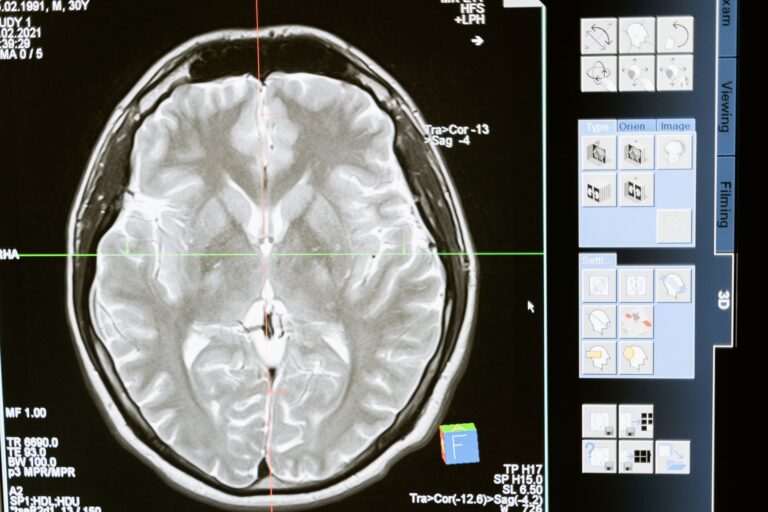
Better brain sits at the center of this dementia and brain health question.
Recent research from the Fisher Center for Alzheimer’s Research Foundation confirms that yes, just 10 minutes of physical activity can measurably improve brain health in older adults. A study of 279 older adults without dementia found that regular physical activity sessions lasting at least 10 minutes at low intensity or higher were associated with lower white matter injury—the kind of brain damage that increases dementia risk. This finding, published in *Alzheimer’s Research and Therapy*, suggests that even modest amounts of movement throughout the day can make a real difference in protecting your brain as you age.
What makes this research particularly important for people concerned about cognitive decline is the mechanism behind it. Exercise doesn’t require a gym membership or intense training to work. The benefits come from how physical activity promotes blood vessel health, improves circulation throughout the body and brain, and reduces the chronic inflammation that damages brain tissue over time. This article explores what the research shows, how movement protects your brain at a cellular level, and practical ways to build these 10-minute activity sessions into your daily routine.
Table of Contents
- How Does Just 10 Minutes of Activity Protect Your Brain?
- The Link Between Physical Activity and Alzheimer’s Disease Prevention
- Understanding White Matter Injury and Brain Health
- Practical Ways to Build 10-Minute Activity Sessions Into Your Day
- Common Questions About Intensity and Duration
- How Blood Vessel Health Drives Brain Protection
- Building a Brain-Healthy Lifestyle Beyond Just Movement
- Conclusion
How Does Just 10 Minutes of Activity Protect Your Brain?
The 10-minute threshold matters because it represents a practical, achievable target rather than an all-or-nothing standard. The BrANCH study at the University of California, San Francisco tracked older adults without dementia and found that those who regularly engaged in physical activity for at least 10 minutes showed measurably less white matter injury compared to sedentary peers. White matter comprises the brain’s connective pathways—the wiring that allows different brain regions to communicate. When white matter deteriorates, it impairs memory, processing speed, and executive function, which are often the first signs of cognitive decline.
The protective mechanism is straightforward physiology. When you move your body, blood vessels expand and contract, strengthening their ability to deliver oxygen and nutrients throughout the brain. This improved circulation flushes out metabolic waste products and inflammatory proteins that accumulate in brain tissue. For example, a person who takes a 15-minute walk three times per week may see better blood oxygenation in regions associated with memory formation than someone who sits all day, even if both are the same age. The study found this benefit occurred even at low intensity, meaning you don’t need to reach a “cardio zone” to gain protection.

The Link Between Physical Activity and Alzheimer’s Disease Prevention
While the BrANCH study focused on white matter injury specifically, the broader connection to Alzheimer’s disease prevention lies in how movement prevents conditions that increase dementia risk. Sedentary lifestyles are strongly associated with metabolic disorders like type 2 diabetes. Importantly, if you have diabetes, your risk of developing Alzheimer’s disease increases significantly—some research suggests a 50 to 60 percent higher risk. Regular physical activity, even in 10-minute bouts, helps maintain healthy blood sugar levels and reduces diabetes risk, creating a protective cascade against cognitive decline. However, it’s important to note that physical activity alone won’t prevent Alzheimer’s disease in everyone. The research shows association, not guaranteed prevention.
People with genetic risk factors like the APOE4 gene variant still develop dementia even when active. What exercise does is reduce your *modifiable* risk—the factors you can control. For someone with a family history of dementia, consistent movement might delay cognitive decline by years, which translates to better quality of life and independence during aging. The inflammation-reduction pathway is particularly relevant for dementia prevention. Chronic, low-grade inflammation throughout the body accelerates brain aging. A sedentary person accumulates inflammatory markers that damage blood vessels and promote amyloid plaque buildup—the hallmark pathology of Alzheimer’s disease. Someone who maintains regular movement, even light activity, keeps systemic inflammation lower, reducing the environment that allows Alzheimer’s pathology to flourish.
Understanding White Matter Injury and Brain Health
White matter injury is less well-known than Alzheimer’s plaques, but it’s equally important for preserving cognitive function. White matter comprises about half your brain’s volume and includes the axons—the long, thin projections of nerve cells—that connect different brain regions. These pathways handle everything from attention and processing speed to memory consolidation and decision-making. When white matter deteriorates, you might experience difficulty concentrating, slower mental processing, or memory retrieval problems. The BrANCH study measured white matter injury using advanced brain imaging and found that participants with regular physical activity had significantly less of this damage.
Think of white matter like the telephone lines connecting different cities—if the lines degrade, communication becomes slower and less reliable. A person with substantial white matter injury might take longer to remember a name or follow a conversation, even if their memory storage itself is intact. By maintaining physical activity, you’re essentially keeping those communication lines in good repair. Age-related white matter injury develops gradually, often without obvious symptoms until damage is substantial. This is why activity in your 60s and 70s matters so much—you’re slowing or preventing the deterioration that might otherwise emerge as cognitive complaints in your 80s. The protection appears to be cumulative, suggesting that consistency matters more than intensity.

Practical Ways to Build 10-Minute Activity Sessions Into Your Day
The beauty of the 10-minute threshold is that it transforms physical activity from something that requires special time and equipment into something you can weave into existing routines. You don’t need to schedule a formal exercise session—you can take three separate 10-minute walks during the day, do 10 minutes of gardening, swim for 10 minutes, or dance while doing housework. The research shows that the brain benefits from these distributed activity sessions just as much as from longer, continuous bouts. Practical examples that easily meet the 10-minute standard include: parking farther away and walking to the store entrance; taking the stairs instead of elevators; doing a brief walk during lunch break; gardening or yard work; dancing to a few songs; or playing with grandchildren. For someone with mobility limitations, even standing while doing daily tasks and gentle movement provides benefit.
The key is *consistency*—regular activity is more protective than sporadic intense workouts. One important caveat: if you have significant health conditions, have been sedentary for years, or are at advanced age, check with your doctor before substantially increasing activity. While low-intensity movement is generally safe for older adults, some conditions require modifications. Someone with severe arthritis might need water-based activities, while someone with cardiac history might need medical clearance. The 10-minute standard is achievable for most people, but your individual baseline matters.
Common Questions About Intensity and Duration
Many people wonder whether light activity really “counts” for brain health. The research is clear: yes. Low-intensity activity—walking at a conversational pace, gentle gardening, leisurely swimming—produced measurable brain protection in the UCSF study. You don’t need to be out of breath or dripping with sweat for your brain to benefit. This matters because it means brain protection is genuinely accessible to older adults with joint pain, cardiovascular limitations, or other health concerns. There’s a caveat here: the 10-minute minimum appears to be a threshold.
Five minutes of activity is likely better than nothing, but the study specifically found benefits with sessions of at least 10 minutes. If you can do more, that’s generally better—the brain benefits continue to increase with more activity. However, even someone who can only manage 10 minutes total per day will see brain protection compared to someone completely sedentary. The research doesn’t show that more intense activity is harmful; rather, it shows that even light activity is sufficient. For older adults with limited capability, this is liberating. You don’t need to run marathons or hit specific heart rate zones to slow brain aging. Consistency and reaching that 10-minute duration appear to be the active ingredients.

How Blood Vessel Health Drives Brain Protection
Your brain is extraordinarily dependent on blood vessel health. The brain comprises only about 2 percent of body weight but receives about 15 percent of cardiac output, demanding constant oxygen delivery through a network of tiny blood vessels. As you age, these vessels can become rigid, less responsive, and prone to small blockages—all conditions that reduce blood flow and accelerate cognitive decline. Physical activity is one of the most powerful ways to maintain vessel elasticity and function.
When you move, your muscles demand oxygen, causing blood vessels to expand. This repeated expansion and contraction maintains vessel flexibility and stimulates the growth of new small vessels that enhance nutrient delivery. The anti-inflammatory effects of activity also protect vessel walls from damage. Someone who maintains regular physical activity has more resilient blood vessels that continue delivering oxygen effectively into their 80s and beyond, while someone sedentary experiences progressive vessel stiffening and reduced cerebral blood flow.
Building a Brain-Healthy Lifestyle Beyond Just Movement
While the research highlights physical activity, brain health results from multiple interconnected factors. The people most protected against cognitive decline typically combine regular movement with good sleep, cognitive engagement, social connection, and a healthy diet. The research from organizations like the Alzheimer’s Association indicates that you can reduce cognitive decline risk by up to 30 percent when you address multiple factors simultaneously rather than relying on any single intervention.
Think of physical activity as one pillar of brain protection rather than the complete solution. Someone who walks 10 minutes daily but never sleeps more than five hours and eats primarily processed food will have better outcomes than someone who is completely sedentary, but they won’t gain the full protective benefit that comes from addressing sleep, nutrition, and cognitive stimulation as well. The most brain-protective lifestyle combines movement, quality sleep, engagement in cognitively stimulating activities, meaningful social relationships, and blood pressure management.
Conclusion
The evidence from the Fisher Center for Alzheimer’s Research Foundation and the BrANCH study provides a hopeful, achievable message: protecting your brain doesn’t require extreme lifestyle changes or time-intensive fitness regimens. Just 10 minutes of physical activity at low intensity or higher, performed consistently, is associated with measurable reductions in white matter injury—the kind of brain damage that contributes to cognitive decline. This effect works through improved blood vessel function, better circulation throughout the brain, and reduced inflammation that damages brain tissue.
For older adults concerned about Alzheimer’s disease or cognitive decline, regular movement is one of the most evidence-based interventions you can implement starting today. The practical path forward is straightforward: find ways to incorporate 10-minute movement sessions into your existing routine, whether that means walking, gardening, dancing, or any activity that gets your body moving at low intensity or higher. Consistency matters more than intensity, and these brief sessions accumulate throughout the day to provide real brain protection. While movement alone isn’t a guarantee against dementia—and people with significant genetic risk still develop cognitive decline—maintaining physical activity is one of the few interventions proven to slow brain aging and preserve cognitive function well into your later years.
You Might Also Like
- Sigma Gamma Rho Partners With Alzheimer’s Association for Brain Health Equity
- Scientists Uncover Why Some Brain Cells Resist Alzheimer’s Disease
- Lifestyle Changes Over a Lifetime May Protect Brain Health
For more, see Alzheimer’s Association — medical tests.