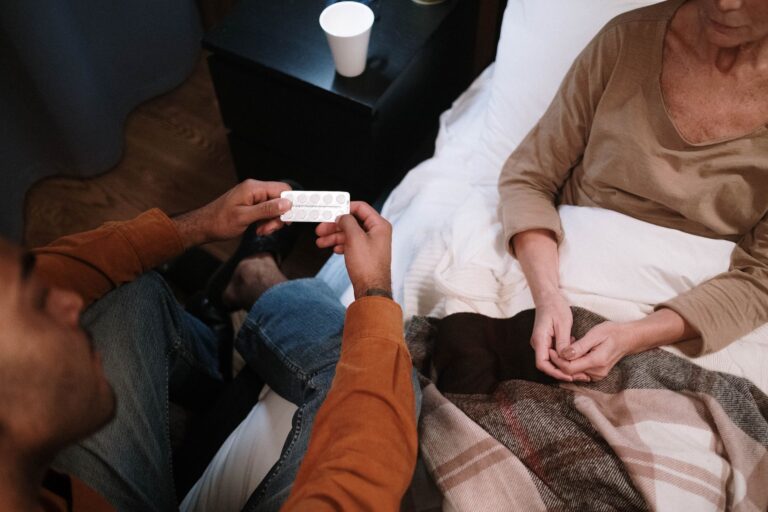
Earwax impaction is a reversible cause of hearing loss that can trigger confusion and disorientation in older adults—particularly those with dementia or early cognitive decline. When earwax builds up and blocks the ear canal, it disrupts sound transmission to the inner ear, and the resulting hearing loss can make communication difficult, increase isolation, and intensify cognitive symptoms that look like dementia progression.
A 74-year-old man was referred for cognitive assessment after his family noticed increasing confusion and withdrawal; after an audiologist removed impacted earwax, his confusion resolved within weeks, and his engagement returned to baseline. This connection between earwax and confusion is often overlooked because hearing loss itself is so common in older age that it becomes invisible—people assume the confusion is part of normal aging or early dementia rather than a treatable ear problem. For dementia caregivers, recognizing this link matters because removing earwax can restore clarity and communication, slow apparent cognitive decline, and reduce behavioral disturbances caused by frustration and social withdrawal.
Table of Contents
- How Does Earwax Buildup Trigger Confusion in Older Adults?
- Why Earwax Impaction Is Mistaken for Dementia Progression
- Recognizing the Signs of Earwax Impaction in Dementia Patients
- Safely Removing Earwax in Older Adults with Dementia
- Preventing Earwax Impaction and Recurrence
- The Relationship Between Hearing Loss, Isolation, and Cognitive Decline
- Documentation and Follow-Up in the Medical Record
How Does Earwax Buildup Trigger Confusion in Older Adults?
Earwax serves a protective purpose—it cleans, lubricates, and protects the ear canal. But when it accumulates faster than the ear can shed it, or when it gets pushed deep into the canal by cotton swabs or hearing aids, impaction occurs. Impacted earwax creates a physical plug that blocks sound from reaching the eardrum, resulting in conductive hearing loss (the sound signal itself is prevented from traveling, not a problem with the inner ear or brain’s processing).
The confusion emerges from the hearing loss itself, not from the earwax directly affecting the brain. When someone cannot hear clearly, they miss conversations, misinterpret what others say, and struggle to follow context. In older adults with existing cognitive decline, this creates a vicious cycle: hearing loss increases social isolation, isolation worsens cognitive symptoms, and the person withdraws further. A 68-year-old woman with mild cognitive impairment was labeled as having worsening dementia after she stopped participating in family dinners and asked repeated questions; her audiologist found impacted earwax in both ears, and after removal, her question-asking decreased significantly and her participation resumed.
Why Earwax Impaction Is Mistaken for Dementia Progression
The symptoms of earwax impaction—confusion, memory complaints, difficulty following conversations, asking the same question repeatedly—are nearly identical to early dementia symptoms, which makes diagnosis tricky. A family may assume a parent’s increasing forgetfulness is Alzheimer’s disease when it is actually the result of not hearing what was said and filling in blanks with confusion. Clinicians, too, can miss earwax as a cause because a patient may not complain of “hearing loss” directly; instead, they report cognitive symptoms.
A major limitation is that earwax impaction is often asymptomatic from the patient’s perspective—someone with impacted earwax may not feel aware that they cannot hear, especially if both ears are affected equally. They will experience the world as muffled and distant but may interpret this as normal aging or part of their cognitive decline rather than as a hearing problem. This is why a direct ear exam is essential during any cognitive assessment in older adults; simply asking “Do you have hearing loss?” may get a “no” from someone who actually has significant impaction.
Recognizing the Signs of Earwax Impaction in Dementia Patients
Physical signs of earwax impaction include visible earwax blocking the ear canal (seen with an otoscope), ear fullness or itching, ear drainage, dizziness, or ringing in the ears (tinnitus). Some people report a sense of hearing their own voice too loudly when chewing, called autophony. However, in older adults with dementia, the most obvious sign is often behavioral: sudden or increasing difficulty following conversations, asking repeated questions despite clear speech from others, or withdrawing from social situations.
A caregiver might notice that a dementia patient suddenly stops responding to their name or follows fewer commands, and these changes happen relatively quickly—over weeks rather than years. This rapid onset distinguishes earwax impaction from gradual dementia progression. Tinnitus (ringing or buzzing in the ear) can also accompany impaction and may cause agitation or distress in a person with dementia, who cannot clearly articulate what they are experiencing. The challenge for caregivers is that these behavioral changes alone cannot diagnose earwax—only an ear examination can confirm it.
Safely Removing Earwax in Older Adults with Dementia
Earwax removal should be done by a healthcare provider—either an audiologist, primary care doctor, or ear, nose, and throat (ENT) specialist. Safe removal methods include manual extraction (curette or alligator forceps), irrigation with warm water or saline, or suction under visualization. Self-removal with cotton swabs, bobby pins, or other objects typically pushes wax deeper and causes injury; it should never be attempted at home, especially in someone with dementia who may not tolerate it.
For dementia patients, sedation or general anesthesia is sometimes necessary if the person cannot sit still or tolerate the procedure awake. An important tradeoff is that sedation carries its own risks in older adults—delirium, falls, respiratory depression—so the benefit of removing earwax must outweigh the risk of the procedure itself. In most cases, awake removal by an experienced provider is safe and quick. After removal, some people experience temporary dizziness as the inner ear re-adjusts to normal sound transmission; this resolves within days.
Preventing Earwax Impaction and Recurrence
Once earwax is removed, recurrence is common—up to 30% of older adults have it happen again within a year, especially those prone to dry ear canals or those who use hearing aids (which can trap wax). Prevention strategies include avoiding cotton swabs, which compact wax deeper, and instead using a washcloth or soft tissue on the outer ear. Some people benefit from earwax softening drops (containing carbamide peroxide or mineral oil) used 1-2 times per month, though evidence for prevention is limited.
A significant limitation is that some people produce earwax faster than others due to genetics or cerumen type (dry vs. wet), and these individuals will need periodic professional cleanings regardless of prevention efforts. For dementia patients on hearing aids, the aids themselves may need to be cleaned frequently and sized to avoid blocking the canal. If earwax removal is done and confusion resolves, but confusion later returns along with signs of new impaction, this strongly suggests the original problem was earwax-related rather than progressive dementia.
The Relationship Between Hearing Loss, Isolation, and Cognitive Decline
Even after earwax is removed, the broader link between untreated hearing loss and cognitive decline remains important. Studies show that older adults with moderate to severe hearing loss have faster rates of cognitive decline than age-matched peers with normal hearing, independent of earwax.
This may be because hearing loss increases cognitive load (the brain works harder to process incomplete auditory information), causes social isolation, or both. An 82-year-old with successfully treated earwax impaction who still has an underlying sensorineural hearing loss (age-related decline of the inner ear nerve) will still benefit from hearing aids to slow cognitive decline. The practical implication is that removing earwax is necessary but sometimes not sufficient—comprehensive hearing evaluation and treatment may be needed to prevent future cognitive decline.
Documentation and Follow-Up in the Medical Record
When earwax impaction is identified and removed, this should be clearly documented in the dementia patient’s medical record with a note about any cognitive or behavioral improvement observed after removal. This documentation serves multiple purposes: it prevents unnecessary cognitive testing or dementia medication adjustments based on earwax-related confusion, it alerts future providers to a pattern of recurrent impaction, and it provides a record of what was actually driving the confusion at that point in time.
A 70-year-old on acetylcholinesterase inhibitors (dementia medication) for suspected Alzheimer’s disease may have had her cognitive decline primarily driven by earwax impaction; if this is not documented when the wax is removed and she improves, a future provider might continue the medication indefinitely thinking it is working, when in fact the improvement came from earwax removal. Follow-up hearing evaluation 4-6 weeks after removal is also recommended to establish a baseline for any remaining hearing loss and to fit hearing aids if needed.
- —