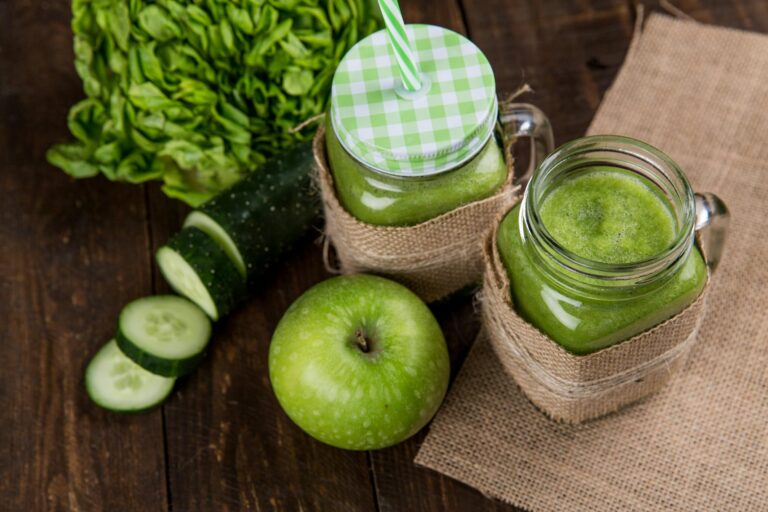
The ten herbs and spices a neurologist reaches for most often are turmeric, rosemary, saffron, sage, cinnamon, ginger, black pepper, oregano, peppermint, and thyme. These are not exotic supplements or expensive extracts. They are ordinary seasonings, the kind already sitting in most kitchen cabinets, and each one has published research supporting its role in protecting brain cells, reducing neuroinflammation, or improving memory. Dr.
Daniel Amen, a clinical neuroscientist at Amen Clinics, specifically recommends adding turmeric, cinnamon, ginger, and oregano to meals daily to combat the chronic brain inflammation that contributes to cognitive decline. What makes this list particularly compelling is that these recommendations are not based on a single study or a passing trend. A 2021 review published in PubMed confirmed that saffron, rosemary, cinnamon, turmeric, and ginger share antioxidant and anti-inflammatory properties that inhibit acetylcholinesterase aggregation and amyloid buildup in Alzheimer’s disease. A 2025 review in Frontiers in Nutrition further examined the bioactive compounds in herbal plants and confirmed the mechanisms and pathways through which they offer neuroprotection. This article walks through each of the ten herbs and spices, what the research actually shows, how to pair them for maximum benefit, and where the limitations of the evidence stand.
Table of Contents
- Why Do Neurologists Recommend Adding Herbs and Spices to Every Meal for Brain Health?
- The Anti-Inflammatory Powerhouses — Turmeric, Ginger, and Black Pepper
- The Memory Herbs — Rosemary, Sage, and Thyme
- How to Actually Add These Spices to Everyday Meals
- Limitations, Warnings, and What the Research Does Not Yet Prove
- The Aromatherapy Angle — Peppermint and Rosemary Beyond the Plate
- Where the Science Is Heading
- Conclusion
- Frequently Asked Questions
Why Do Neurologists Recommend Adding Herbs and Spices to Every Meal for Brain Health?
The short answer is that the compounds in these seasonings do things that pharmaceuticals also try to do, sometimes comparably well, but with fewer side effects and at a fraction of the cost. Turmeric’s active compound, curcumin, crosses the blood-brain barrier and directly reduces neuroinflammation. It may decrease the amyloid plaques associated with Alzheimer’s disease. This is not marginal trivia. India, where turmeric is consumed daily in significant quantities, has one of the lowest rates of Alzheimer’s disease globally. That epidemiological observation, while not proof of causation on its own, has motivated dozens of clinical investigations into curcumin’s mechanisms. Saffron offers an even more striking comparison.
In a 12-month study with moderate-to-severe Alzheimer’s patients, saffron extract at 30 milligrams per day reduced cognitive decline comparably to memantine at 20 milligrams per day. Memantine is a standard prescription drug for Alzheimer’s. The saffron group experienced fewer adverse effects. This does not mean saffron replaces medication, and anyone on a treatment plan should talk to their neurologist before making changes. But it does explain why researchers and clinicians are paying close attention to what comes out of the spice rack. The broader pattern is that these herbs and spices target the same biological processes that drive neurodegeneration: oxidative stress, chronic inflammation, acetylcholine depletion, and protein misfolding. They do so through different compounds and pathways, which is precisely why neurologists suggest using several of them rather than relying on just one.

The Anti-Inflammatory Powerhouses — Turmeric, Ginger, and Black Pepper
Turmeric gets the most attention, and deservedly so. Curcumin has been shown to enhance memory and reduce depressive symptoms in clinical studies. However, there is a significant limitation that many popular articles gloss over: curcumin has notoriously poor bioavailability on its own. Your body absorbs very little of it. This is where black pepper becomes essential. Piperine, the active compound in black pepper, enhances curcumin absorption by up to 2,000 percent. A golden milk latte without a pinch of black pepper is mostly a waste of good turmeric. Neurologists who recommend turmeric almost always mention this pairing.
Ginger operates through related but distinct mechanisms. A 2012 study of 60 healthy middle-aged women found that 800 milligrams of ginger extract daily improved working memory and attention. Its anti-inflammatory and antioxidant properties reduce oxidative stress on brain cells, which accumulates with age and accelerates cognitive decline. Unlike turmeric, ginger does not have the same bioavailability problem, making it easier to incorporate effectively through food alone. Black pepper deserves recognition beyond its role as turmeric’s sidekick. Piperine independently protects brain cells from free radical damage, and studies have shown it improves memory and cognitive function on its own merits. UPMC HealthBeat identifies black pepper as one of four spices with proven brain power, alongside turmeric, cinnamon, and ginger. The practical takeaway is that grinding fresh black pepper over a meal is one of the simplest neuroprotective habits a person can adopt.
The Memory Herbs — Rosemary, Sage, and Thyme
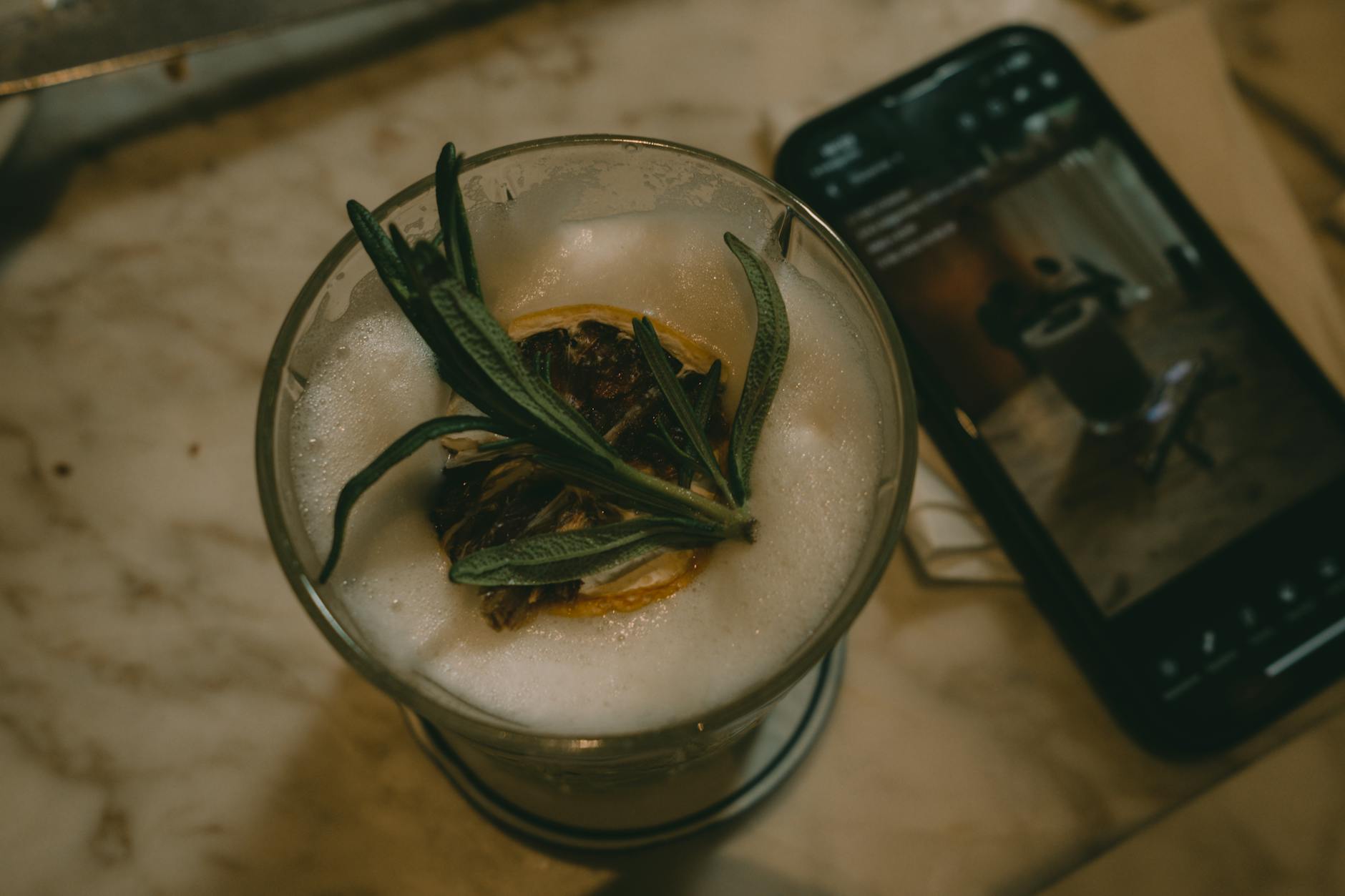
Rosemary, sage, and thyme all belong to the Lamiaceae family, and neurologists frequently group them together because they share a class of neuroprotective compounds. Rosemary contains carnosic acid and rosmarinic acid, which support brain circulation and antioxidant activity. One of the more fascinating findings is that even the scent of rosemary has been shown to improve memory performance. In studies with elderly populations, rosemary improved both memory and concentration, suggesting that keeping a rosemary plant in the kitchen or diffusing its essential oil during study sessions is not just folk wisdom. Sage has a specific mechanism that sets it apart: it enhances acetylcholine levels. Acetylcholine is the neurotransmitter most directly involved in learning and memory, and its depletion is a hallmark of Alzheimer’s disease.
Several Alzheimer’s drugs, including donepezil, work by preventing acetylcholine breakdown. Sage does something similar through its natural compounds. Studies have shown improved cognition in adults with mild-to-moderate Alzheimer’s disease and improved memory in healthy individuals. For someone looking to support cognitive function through diet, sage is one of the most targeted options available. Thyme rounds out this family trio with apigenin and luteolin, two flavonoids that support neuron health and longevity. While thyme has received less standalone research than rosemary or sage, its consistent inclusion in neurologist recommendations reflects the cumulative evidence for the Lamiaceae family’s brain benefits. Fresh thyme in soups, roasted vegetables, and sauces adds both flavor and a meaningful dose of neuroprotective compounds.
How to Actually Add These Spices to Everyday Meals
Knowing the research is one thing. Consistently using ten different herbs and spices is another, and the practical reality is that most people will not maintain a complicated supplementation routine. The neurologists who recommend these spices emphasize cooking with them rather than taking capsules, because the goal is a sustainable daily habit, not a temporary protocol. A breakfast scramble with turmeric, black pepper, and a pinch of ginger takes thirty seconds longer to prepare than a plain one. A roasted chicken with rosemary, thyme, and sage is a standard recipe, not an exotic intervention. Cinnamon is perhaps the easiest entry point. It has the highest antioxidant content among common spices and promotes greater cerebral blood flow, which is particularly beneficial for older adults. One study showed that cinnamon can increase cognitive functioning even through smell alone. A half teaspoon in morning oatmeal, coffee, or a smoothie delivers measurable antioxidant activity.
The tradeoff to be aware of is the type of cinnamon: Ceylon cinnamon is preferred for regular use because cassia cinnamon, the more common grocery store variety, contains higher levels of coumarin, which can strain the liver in large daily doses. For someone adding cinnamon to every meal, this distinction matters. Oregano is another spice that fits easily into daily cooking. Dr. Daniel Amen specifically highlights oregano as a brain-protective spice due to its exceptional antioxidant density. It ranks among the herbs highest in antioxidants per gram. Italian-seasoned dishes, salad dressings, marinades, and even a sprinkle over avocado toast all work. The key insight from neurologists is that variety matters more than quantity for any single spice. Using five or six different herbs and spices across the day covers more neuroprotective pathways than loading up on one.
Limitations, Warnings, and What the Research Does Not Yet Prove
The enthusiasm around these herbs and spices should be tempered by an honest look at where the evidence stands. Most of the clinical studies involve concentrated extracts at doses higher than what typical cooking provides. The saffron study used 30 milligrams of standardized extract daily, which is not the same as adding a few threads to a paella. The ginger study used 800 milligrams of extract, equivalent to several grams of fresh ginger. This does not mean culinary doses are useless, but it does mean the dramatic effects seen in clinical trials may require supplemental doses to replicate. There are also interactions and contraindications that deserve attention. Turmeric and ginger both have mild blood-thinning properties, which can be a concern for people on anticoagulant medications like warfarin.
Sage in large amounts can lower blood sugar, which matters for diabetics managing their levels with medication. Saffron at doses above 5 grams can be toxic. None of these risks are likely from normal cooking quantities, but they become relevant for anyone taking concentrated supplements. The responsible approach is to cook liberally with these spices and consult a physician before adding high-dose extracts, especially when other medications are involved. It is also worth noting that no single herb or spice will prevent or reverse dementia on its own. These compounds work best as part of a broader pattern that includes physical activity, sleep, social engagement, and an overall anti-inflammatory diet. Neurologists recommend them not as magic bullets but as one accessible layer of a multi-layered defense.

The Aromatherapy Angle — Peppermint and Rosemary Beyond the Plate
Peppermint deserves specific mention because its cognitive benefits extend beyond ingestion. Menthol, the active compound in peppermint, has been linked to improved cognitive function, focus, and alertness.
It is used both as a food ingredient and as aromatherapy for brain stimulation. For caregivers working with dementia patients, peppermint tea or diffused peppermint oil during activities can support alertness and engagement without any medication. Rosemary aromatherapy has shown similar effects on memory performance, making these two herbs uniquely versatile in a brain health toolkit.
Where the Science Is Heading
The research trajectory is moving from individual spice studies toward understanding how combinations of these compounds work synergistically. The turmeric-black pepper pairing is the most established example of this, but early research suggests that the broader Mediterranean and South Asian spice profiles, which naturally combine many of these herbs, may offer compounding benefits that exceed what any single ingredient provides.
The 2025 Frontiers in Nutrition review is part of this shift, examining bioactive compounds across herbal plants rather than isolating single molecules. For the average person, this reinforces what neurologists have been saying at the dinner table: use a variety of herbs and spices, use them often, and let them become an unremarkable part of how you cook rather than a special occasion addition.
Conclusion
The ten herbs and spices neurologists recommend most consistently for brain health — turmeric, rosemary, saffron, sage, cinnamon, ginger, black pepper, oregano, peppermint, and thyme — are supported by a growing body of clinical evidence. They target neuroinflammation, oxidative stress, acetylcholine depletion, and amyloid buildup through distinct but complementary mechanisms. The most important pairing to remember is turmeric with black pepper, since piperine increases curcumin absorption by up to 2,000 percent. Beyond that, variety and consistency matter more than any single dose. The practical next step is not to overhaul your diet but to start small.
Add turmeric and black pepper to scrambled eggs. Use rosemary and thyme on roasted vegetables. Stir cinnamon into morning oatmeal. Brew peppermint tea in the afternoon. These are not dramatic changes, and that is exactly the point. The habits most likely to protect your brain over decades are the ones simple enough to maintain every day.
Frequently Asked Questions
How much turmeric should I consume daily for brain health?
Most studies use curcumin extracts at 500 to 1,500 milligrams per day, which is more than typical cooking provides. However, regularly cooking with turmeric — roughly half a teaspoon to a teaspoon per meal — still delivers meaningful anti-inflammatory benefits, especially when combined with black pepper and a source of fat, both of which improve absorption.
Is Ceylon cinnamon really necessary, or is regular cinnamon fine?
For occasional use, cassia cinnamon from the grocery store is fine. If you plan to add cinnamon to every meal, switching to Ceylon cinnamon is worth considering because cassia contains higher levels of coumarin, which can affect liver function at sustained high doses.
Can these spices interact with medications?
Yes. Turmeric and ginger have mild blood-thinning effects that may interact with anticoagulants like warfarin. Sage can lower blood sugar, which is relevant for people on diabetes medications. Saffron in supplement doses can interact with antidepressants. Culinary amounts are generally safe, but consult your doctor before taking concentrated supplements.
Does smelling rosemary or peppermint really improve memory?
Studies have shown measurable improvements in memory performance and alertness from rosemary and peppermint aromatherapy. The effects are modest but real, and both are low-risk interventions that can be especially useful for older adults or in caregiving environments.
Are fresh herbs better than dried for brain health?
Both provide neuroprotective compounds. Fresh herbs generally contain higher levels of volatile oils, which is relevant for aromatherapy benefits. Dried herbs and ground spices are more concentrated by weight, so smaller amounts deliver comparable antioxidant activity. The best choice is whichever form you will actually use consistently.
Can these herbs and spices prevent Alzheimer’s disease?
No single food or spice has been proven to prevent Alzheimer’s. The evidence shows these herbs and spices reduce known risk factors — inflammation, oxidative stress, and protein aggregation — and some studies demonstrate cognitive improvement in people with mild-to-moderate disease. They are best understood as one part of a broader preventive strategy that includes exercise, sleep, social connection, and overall diet quality.