
Doctors across the country are sounding the alarm on a handful of health realities that too many patients overlook, and the consequences of ignoring them are measurable. From the fact that heart disease still kills more Americans than anything else to the striking finding that loneliness carries health risks on par with smoking 15 cigarettes a day, physicians want their patients to stop sleepwalking through preventable decline. The good news is that most of these risks respond to straightforward, consistent action — regular screenings, better sleep, stronger social ties, and honest conversations with a primary care provider. This article lays out ten facts that doctors in 2026 are urging patients to take seriously.
Some are familiar warnings with updated numbers — like the 7.2 million Americans now living with Alzheimer’s dementia. Others may surprise you, including how one in three Americans now turns to AI chatbots for health advice on a weekly basis. Whether you are managing a chronic condition, supporting a loved one with cognitive decline, or simply trying to stay ahead of trouble, these are the facts worth knowing right now. We will cover the state of preventive care, why sleep has become a clinical priority, the latest on heart disease and cancer, the loneliness epidemic, Alzheimer’s projections, breakthroughs in mental health treatment, and a few common health myths that doctors wish would finally disappear.
Table of Contents
- What Are the Most Critical Health Facts Doctors Want Patients to Know in 2026?
- Why Heart Disease and Cancer Still Dominate — and What You Can Do About It
- The Loneliness Epidemic and Its Toll on Brain Health
- How to Act on What Doctors Are Telling You — Practical Steps for Better Health
- AI Health Tools and the Limits of Self-Diagnosis
- Mental Health Breakthroughs Worth Watching
- What the Next Decade of Patient-Doctor Relationships Looks Like
- Conclusion
- Frequently Asked Questions
What Are the Most Critical Health Facts Doctors Want Patients to Know in 2026?
The single most important message from physicians right now is deceptively simple: show up for preventive care. Regular screenings and annual wellness visits can significantly lower the risk of hospital stays and long-term complications, according to Zenith Family Care. Primary care in 2026 has shifted its center of gravity toward catching problems early — before a borderline lab value becomes a diagnosis, before a suspicious mole becomes a stage-three melanoma. Yet millions of Americans still skip annual physicals, often because they feel fine. Feeling fine is not the same as being fine, and doctors know this better than anyone. The second fact that keeps coming up in clinical conversations is sleep.
Leading clinics in the United States, Europe, and Asia are now integrating what they call “prescribed rest” into treatment programs. This includes structured downtime, digital detox hours, and scheduled sleep recovery days. The American Medical Association notes that napping in moderation can boost mood and alertness, but frequent daytime sleepiness may be a red flag for sleep apnea, depression, or cardiovascular problems. If you are sleeping eight hours and still dragging through the afternoon, that is not laziness — it may be a symptom worth investigating. A practical example: a 58-year-old patient who complained of chronic fatigue for two years was finally screened for sleep apnea after a routine wellness visit. The diagnosis led to CPAP therapy, and within three months, his blood pressure dropped enough to reduce his medication. That is the kind of outcome preventive care and sleep awareness make possible — but only if you walk through the door and tell your doctor what is actually going on.
Why Heart Disease and Cancer Still Dominate — and What You Can Do About It
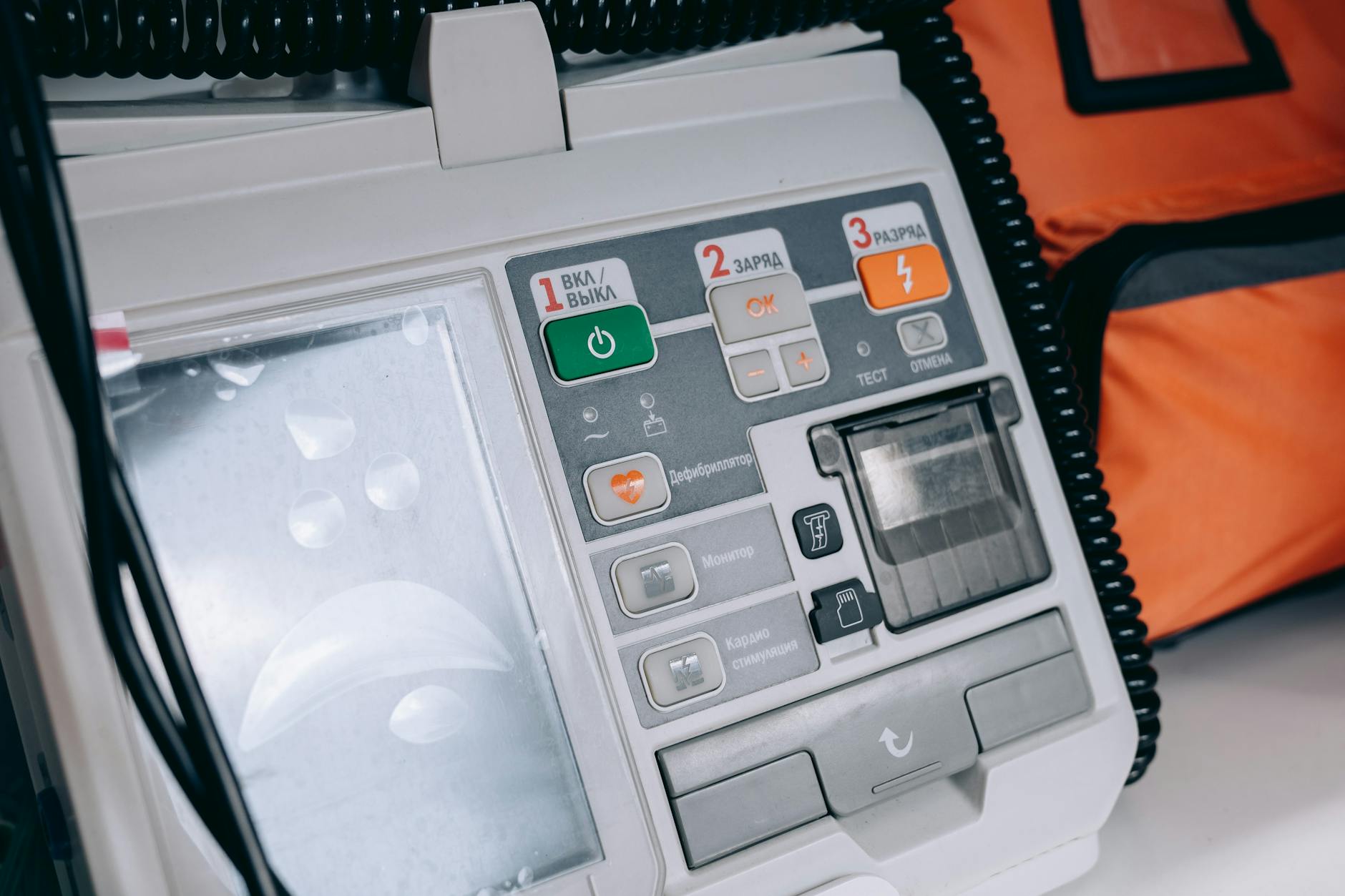
Heart disease remains the number one killer in the United States. According to the CDC’s National Center for Health Statistics, the top three causes of death continue to be heart disease, cancer, and unintentional injuries. High blood pressure often goes undiagnosed because it rarely produces obvious symptoms, which is why doctors call it the silent killer. Getting key health metrics checked regularly — blood pressure, cholesterol, blood glucose, and BMI — is not optional if you want to catch cardiovascular risk early. Cancer cases are also climbing. The American Cancer Society projects approximately two million new cancer cases in the United States in 2026 alone. That number is driven in part by an aging population and in part by rising rates of obesity, which is itself a risk factor for multiple cancer types.
The World Health Organization reports that over 2.5 billion adults worldwide now live with overweight or obesity. These are not isolated statistics — they feed into each other, compounding risk across nearly every major disease category. However, if you are someone who already exercises regularly and maintains a healthy weight, do not assume you are immune. Family history, environmental exposures, and sheer bad luck still play a role. Screening guidelines exist for a reason: colonoscopies, mammograms, lung cancer CT scans for long-term smokers, and skin checks are all designed to find cancer at stages when treatment is most effective. The limitation of prevention is that it reduces risk without eliminating it. The takeaway is not anxiety — it is consistency.
The Loneliness Epidemic and Its Toll on Brain Health
The U.S. Surgeon General has identified an “epidemic of loneliness and isolation” as a major public health concern, and the data behind that label is sobering. Social isolation carries health risks comparable to smoking 15 cigarettes a day, according to the AMA. For older adults, particularly those at risk for or living with dementia, loneliness does not just affect mood — it accelerates cognitive decline. The brain is a social organ, and when it is deprived of meaningful connection, it deteriorates faster. Consider someone caring for a spouse with Alzheimer’s disease.
The caregiver often becomes isolated themselves, withdrawing from friends and social activities as the demands of caregiving grow. This creates a vicious cycle: the caregiver’s own cognitive and physical health suffers from isolation, which in turn diminishes their capacity to provide care. Programs like adult day centers, caregiver support groups, and even structured phone call programs have shown measurable benefits in breaking this cycle. The obstacle is not a lack of solutions — it is awareness and access. An estimated 7.2 million Americans over age 65 are living with Alzheimer’s dementia in 2026, according to the Alzheimer’s Association. As that number grows, so does the population of caregivers at risk for isolation-related health decline. Doctors are increasingly screening for social connectedness alongside blood pressure and cholesterol, recognizing that a patient who lives alone and rarely leaves the house faces a quantifiable medical risk — not just an emotional one.
How to Act on What Doctors Are Telling You — Practical Steps for Better Health
Knowing the facts is one thing. Acting on them involves tradeoffs, and doctors are the first to admit that perfect compliance is unrealistic. The goal is not perfection — it is triage. If you can only change one thing this year, most physicians would tell you to prioritize sleep and consistent primary care visits over any supplement, gadget, or trending health hack. Start with a baseline. Schedule a wellness visit and ask your doctor to walk through your key numbers: blood pressure, fasting glucose, lipid panel, and body mass index. If you are over 50, ask about cognitive screening as well, particularly if there is a family history of dementia. Compare your results to your numbers from one, three, and five years ago.
Trends matter more than any single reading. A slowly rising fasting glucose over five years tells a more important story than one borderline result. Then address sleep with the same seriousness you would give a prescription. Set a consistent bedtime. Remove screens from the bedroom during the last hour before sleep. If you snore loudly or wake up gasping, get a sleep study — not next year, now. The tradeoff between watching another episode of something and getting an additional hour of sleep is not trivial. Chronic sleep deprivation raises cortisol, promotes insulin resistance, impairs memory consolidation, and degrades immune function. No amount of coffee fixes that.
AI Health Tools and the Limits of Self-Diagnosis
One of the more striking trends in 2026 is how patients seek health information before they ever see a doctor. According to the Zocdoc 2026 What Patients Want Report, one in three Americans now uses AI tools like ChatGPT for healthcare advice on a weekly basis, and one in ten does so daily. That is a dramatic shift in how people interact with medical knowledge, and it comes with real risks. The limitation is straightforward: AI chatbots are not examining you. They cannot hear the wheeze in your breathing, feel the lump you are describing, or notice that your skin has a yellowish tint you have not registered. Despite the rise of AI health queries, 93 percent of all non-mental health appointments are still conducted in person, and patients rank a “positive connection” with their doctor as the number one factor in choosing a provider.
The technology is useful for background research and preparing questions, but it is not a substitute for clinical judgment. The warning here is specific to dementia and brain health. Cognitive symptoms — memory lapses, word-finding difficulty, disorientation — can have dozens of causes, many of them treatable. An AI chatbot might tell you that forgetting where you put your keys is normal aging, and it might be right. But it cannot distinguish between benign forgetfulness and the early signs of mild cognitive impairment. That distinction requires neuropsychological testing, imaging, and a clinician who knows your history. Use AI tools to educate yourself, but do not use them to reassure yourself out of a necessary appointment.

Mental Health Breakthroughs Worth Watching
Treatment-resistant depression affects millions of people who do not respond to conventional antidepressants, and 2026 may mark a turning point. Compass Pathways reported positive Phase 3 trial results for COMP360, a synthetic psilocybin therapy, with an FDA submission expected this year. If approved, it would represent one of the most significant new treatment options for depression in decades — particularly for patients who have tried multiple medications without adequate relief.
This matters for brain health broadly because depression and dementia are deeply intertwined. Late-life depression is both a risk factor for and an early symptom of Alzheimer’s disease, and effective treatment of depression can improve cognitive outcomes. For families navigating a dementia diagnosis, treating coexisting depression in the patient — or in the caregiver — is not a luxury. It is a clinical priority that affects the trajectory of the disease itself.
What the Next Decade of Patient-Doctor Relationships Looks Like
The facts listed above point toward a broader shift in how medicine works. Doctors are not just treating diseases — they are increasingly managing the conditions that create disease: sleep deprivation, isolation, obesity, and delayed screening. Primary care is becoming more proactive, and patients who engage with that shift early will benefit the most. Looking ahead, expect continued integration of technology into care delivery alongside a renewed emphasis on the human relationship at the center of medicine.
The Zocdoc data confirms what most people intuitively know: patients want a doctor who listens, not just one who orders tests. For those managing dementia or caring for someone who is, that relationship becomes even more critical. Cognitive decline complicates communication, and a provider who already knows the patient’s baseline, personality, and preferences is better equipped to detect changes and guide families through difficult decisions. The best health investment you can make in 2026 is not a wearable or an app — it is a relationship with a physician who sees you regularly and pays attention.
Conclusion
The ten facts outlined here share a common thread: most of the leading causes of suffering and death in this country respond to early, consistent, and informed action. Heart disease, cancer, Alzheimer’s, depression, and obesity are not bolts from the blue — they develop over years, often with detectable warning signs that go ignored. Doctors are not asking patients to become medical experts. They are asking them to show up, get screened, sleep properly, stay connected to other people, and ask questions when something feels off.
For anyone in the dementia care community, these facts carry extra weight. Cognitive health does not exist in isolation from cardiovascular health, sleep quality, mental health, or social engagement. Every fact on this list intersects with brain health in measurable ways. The most practical thing you can do today is schedule the appointment you have been putting off, write down the questions you want to ask, and treat your next doctor visit not as a chore but as the single most efficient use of an hour you will have all year.
Frequently Asked Questions
How often should I get a full health screening?
Most doctors recommend an annual wellness visit for adults, with additional screenings based on age, sex, and family history. After age 50, ask about colorectal cancer screening, cognitive assessments, and cardiovascular risk panels. If you have a family history of Alzheimer’s or heart disease, earlier and more frequent screening may be appropriate.
Is daytime napping harmful or helpful?
Short naps of 20 to 30 minutes can boost mood and alertness without interfering with nighttime sleep. However, frequent or prolonged daytime sleepiness may indicate an underlying condition such as sleep apnea, depression, or cardiovascular disease. If you find yourself needing long naps every day, bring it up with your doctor.
Can loneliness really affect my physical health?
Yes. The U.S. Surgeon General has classified loneliness and social isolation as a public health crisis, with health risks comparable to smoking 15 cigarettes per day. For older adults, isolation is specifically linked to faster cognitive decline, higher rates of depression, and increased mortality. Structured social engagement — even a weekly phone call — can make a measurable difference.
Should I use AI chatbots for medical advice?
AI tools can be helpful for researching symptoms, preparing questions for your doctor, and understanding medical terminology. However, they cannot perform physical examinations, interpret your personal medical history, or provide a diagnosis. Use them as a supplement to professional care, not a replacement. This is especially important for cognitive symptoms, which require in-person evaluation to assess properly.
What is COMP360 and could it help with depression related to dementia caregiving?
COMP360 is a synthetic psilocybin therapy developed by Compass Pathways that has shown positive results in Phase 3 trials for treatment-resistant depression. An FDA submission is expected in 2026. While it is not specifically targeted at dementia caregivers, caregiver depression is a recognized clinical problem, and new treatment options could eventually benefit this population if approved.


