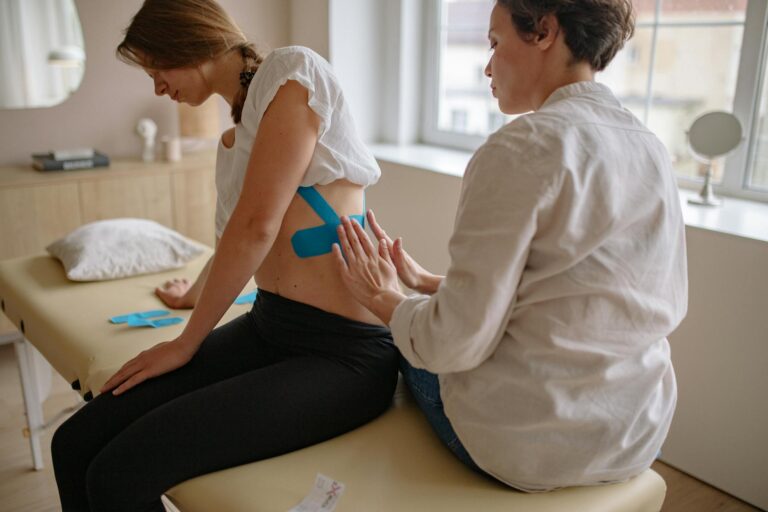
The sacroiliac joint, located where the spine meets the pelvis, can become inflamed for numerous reasons. The ten most common causes doctors encounter include autoimmune diseases like ankylosing spondylitis and rheumatoid arthritis, degenerative joint disease, traumatic injuries, pregnancy-related changes, inflammatory bowel conditions, leg length discrepancies, and age-related wear. Understanding which cause underlies your SI joint pain is essential for effective treatment, as the approach differs significantly depending on whether inflammation stems from an autoimmune condition, mechanical misalignment, or injury.
SI joint inflammation, medically called sacroiliitis, affects an estimated 15 to 30 percent of people with chronic lower back pain—sometimes flying under the radar because symptoms can mimic other spinal conditions. A 40-year-old woman might develop SI joint pain from ankylosing spondylitis slowly over years, while her neighbor could experience it acutely after a fall from a ladder. This article explores the full range of causes doctors see most frequently, how each develops, what sets them apart, and what that means for your treatment options.
Table of Contents
- What Role Do Autoimmune and Inflammatory Arthropathies Play in Sacroiliac Joint Inflammation?
- How Does Degenerative Joint Disease Cause Sacroiliac Inflammation?
- Why Does Inflammatory Bowel Disease Affect the Sacroiliac Joint?
- How Do Traumatic Injuries Lead to Sacroiliac Joint Inflammation?
- What Changes During Pregnancy That Cause Sacroiliac Joint Inflammation?
- How Does Leg Length Discrepancy Cause Sacroiliac Joint Problems?
- How Do Multiple Factors Interact in Sacroiliac Joint Inflammation?
- Conclusion
- Frequently Asked Questions
What Role Do Autoimmune and Inflammatory Arthropathies Play in Sacroiliac Joint Inflammation?
Ankylosing spondylitis stands as the most common cause of sacroiliitis among the inflammatory conditions. This chronic inflammatory disease primarily affects the spine and progresses by causing the vertebrae and SI joints to gradually fuse together. A patient with ankylosing spondylitis might notice increasing stiffness in the lower back that worsens in the morning and improves with movement—a telling pattern that distinguishes it from mechanical pain caused by overuse or injury.
Psoriatic arthritis, associated with the skin condition psoriasis, frequently involves the SI joint as part of its broader attack on multiple joints throughout the body. Rheumatoid arthritis, an autoimmune condition where the immune system mistakenly attacks joint linings, can also damage the SI joint over time. The key limitation here is that not everyone with these autoimmune diseases develops SI joint inflammation—some patients experience more problems in other joints while the SI joint remains relatively spared. A rheumatoid arthritis patient might have severely affected hands and knees while SI symptoms remain minimal or absent.

How Does Degenerative Joint Disease Cause Sacroiliac Inflammation?
Osteoarthritis represents a second major category of inflammation—this time from mechanical wear rather than immune attack. In the SI joint, the protective cartilage gradually breaks down, exposing bone beneath and creating friction and inflammation. This degenerative process typically develops slowly over years, with pain often increasing during activities that load the joint, like climbing stairs or prolonged standing. An older adult with a lifetime of physical labor might develop SI osteoarthritis as the cartilage deteriorates and the bones begin grinding slightly against each other.
However, it’s important to note that osteoarthritis in the SI joint doesn’t always cause symptoms—imaging studies sometimes reveal degenerative changes in people with no pain whatsoever. This means that finding arthritis on an X-ray or MRI doesn’t necessarily explain your SI joint discomfort. In some cases, inflammation stems from osteoarthritis, but in others, the actual pain source lies elsewhere, with the arthritis being incidental. Age-related degeneration follows the bimodal age distribution pattern seen in SI joint problems, with older adults experiencing more osteoarthritic causes while younger patients more commonly suffer from other sources.
Why Does Inflammatory Bowel Disease Affect the Sacroiliac Joint?
Inflammatory bowel disease—including Crohn’s disease and ulcerative colitis—affects the SI joint in a significant percentage of patients. Research shows that 18 to 45 percent of IBD patients develop sacroiliitis, and asymptomatic inflammation may be present in up to 75 percent of cases. This means someone with Crohn’s disease might have SI joint inflammation detected on imaging even though they feel no back pain, yet it could surface and become symptomatic later.
The joint involvement in IBD occurs through a separate immune pathway than the gut inflammation itself, which is why treating the intestinal inflammation doesn’t always resolve the SI joint problems. A patient with ulcerative colitis might first develop SI joint pain years after their initial diagnosis, or sometimes SI joint symptoms may precede obvious bowel disease symptoms. This underscores the importance of mentioning any back or SI pain to your gastroenterologist, since they’ll understand the connection and may adjust treatment accordingly. Unlike osteoarthritic causes that develop gradually, IBD-related sacroiliitis can appear at variable times in the disease course.

How Do Traumatic Injuries Lead to Sacroiliac Joint Inflammation?
Accidents, falls, and direct impact injuries can damage the SI joint’s cartilage, ligaments, or supporting structures acutely. A motor vehicle accident, a serious fall from height, or even a high-impact sports injury can inflame the joint immediately or within days. The age distribution of trauma-related SI joint problems shows a bimodal pattern: younger adults often sustain injuries during sports activities, while older adults may suffer falls from lesser heights that still cause significant damage to more fragile joints.
A college athlete might sustain an SI joint injury from a hard tackle in football, while a 75-year-old could experience similar inflammation from falling off a stepstool. What distinguishes traumatic causes from autoimmune or degenerative ones is the sudden onset and often clear inciting event that patients can point to. However, distinguishing traumatic SI joint inflammation from other causes isn’t always straightforward, since a patient might have both—perhaps sustaining a minor injury to an SI joint already weakened by undiagnosed ankylosing spondylitis. Recovery from traumatic inflammation varies widely depending on the extent of damage and whether underlying conditions complicate healing.
What Changes During Pregnancy That Cause Sacroiliac Joint Inflammation?
Pregnancy alters the SI joint’s biomechanics through the hormone relaxin, which loosens the ligaments stabilizing the joint to accommodate delivery. Approximately 20 percent of sacroiliitis cases occur during or shortly after pregnancy. The good news is that pregnancy-related SI joint dysfunction usually resolves within 12 months after delivery as hormones normalize and ligaments tighten again.
A woman in her third trimester might experience significant SI joint pain from this ligament laxity, yet find it resolves naturally after childbirth. However, some women develop chronic SI joint problems that persist beyond the postpartum period, suggesting that pregnancy unmasked a predisposition to SI joint dysfunction rather than being the sole cause. The challenge during pregnancy is that treatment options are limited—physical therapy, supportive belts, and positioning strategies work better than medications in this context. If SI joint pain continues beyond six months postpartum, that warrants investigation for other underlying causes like undiagnosed autoimmune arthritis.

How Does Leg Length Discrepancy Cause Sacroiliac Joint Problems?
A true or functional leg length discrepancy—where one leg is genuinely shorter or appears shorter due to pelvic tilt—can predispose the SI joint to inflammation through uneven weight distribution. The pelvis compensates for the height difference, creating asymmetrical stress on the SI joint. Over time, this can trigger inflammation.
A patient with a one-inch true leg length discrepancy might never develop problems, while another with a half-inch difference experiences significant SI joint pain—individual variation in how joints tolerate biomechanical stress is substantial. Interestingly, addressing biomechanical causes offers one of the clearer cause-and-effect treatment paths: a specialized shoe insert or heel lift can sometimes reduce this stress and allow inflammation to settle, demonstrating that fixing the underlying biomechanical problem addresses the root cause rather than just masking symptoms. This is why physical examination and gait analysis are important diagnostic tools for SI joint pain.
How Do Multiple Factors Interact in Sacroiliac Joint Inflammation?
SI joint inflammation doesn’t have a single age of onset—younger people commonly experience it from trauma and pregnancy, while older adults encounter it more from degenerative changes and underlying autoimmune conditions. This bimodal age distribution reflects the different mechanisms at work in different populations.
An 85-year-old with osteoarthritis and an osteoporotic sacrum faces different SI joint challenges than a 28-year-old with ankylosing spondylitis, yet both can have similar pain and functional limitation. Understanding that SI joint inflammation typically arises from one of several distinct causes—rather than being a random condition—allows doctors to target treatment toward the underlying problem. Identifying whether your inflammation stems from autoimmune disease, degeneration, trauma, pregnancy, metabolic bowel disease, or biomechanical factors dramatically changes the treatment approach and long-term outlook.
Conclusion
The ten most common causes of sacroiliac joint inflammation doctors encounter reflect different disease mechanisms: autoimmune attacks (ankylosing spondylitis, psoriatic arthritis, rheumatoid arthritis), degenerative wear (osteoarthritis), systemic inflammatory disease (inflammatory bowel disease), traumatic injury, pregnancy-related laxity, and biomechanical misalignment (leg length discrepancy). Each cause requires investigation to identify what’s actually driving your inflammation, since the appropriate treatment differs substantially depending on the underlying cause.
If you experience persistent SI joint pain or stiffness, working with a healthcare provider to determine which of these causes applies to you is essential. The good news is that many causes have effective treatments—whether that means managing an autoimmune condition, adjusting biomechanics, allowing postpartum recovery time, or addressing trauma-related damage. Getting an accurate diagnosis moves you from general SI joint pain management to targeted treatment that addresses your specific situation.
Frequently Asked Questions
Can SI joint inflammation resolve on its own?
Some causes do—pregnancy-related SI joint dysfunction typically resolves within 12 months postpartum. Some traumatic inflammation also settles with time and physical therapy. However, autoimmune causes like ankylosing spondylitis are chronic and require ongoing management. The underlying cause matters greatly in determining whether spontaneous resolution is likely.
How do doctors figure out what’s causing my SI joint inflammation?
Doctors typically start with your medical history and physical examination. If you have a history of psoriasis, Crohn’s disease, or a recent injury, that provides important clues. Blood tests can detect markers of autoimmune disease. Imaging like X-rays and MRI scans can show degenerative changes. Sometimes the cause becomes clear only after treatment for the suspected cause is initiated.
Is SI joint inflammation dangerous?
Most causes of SI joint inflammation are not immediately dangerous in the sense of threatening your life or mobility, but some can cause chronic pain and functional limitations if left untreated. Autoimmune causes can progress to serious spinal fusion if untreated. Working with a healthcare provider is important to prevent complications and maintain your quality of life.
Can I prevent SI joint inflammation?
That depends on the cause. You cannot prevent autoimmune diseases, though early treatment can slow progression. You can reduce traumatic injury risk through safety precautions. Maintaining healthy posture and core strength may help reduce biomechanical-related inflammation. If you have IBD, optimizing that treatment might reduce SI joint involvement risk.
What’s the difference between SI joint dysfunction and SI joint inflammation?
SI joint dysfunction refers to abnormal movement or instability of the joint, while inflammation refers to actual inflammatory changes in the joint tissues. Some people have dysfunction without inflammation, and some have inflammation without obvious dysfunction. Both can cause pain. Treatment differs, so distinguishing them matters.
Why would sacroiliitis develop after pregnancy if the pregnancy is over?
Pregnancy can unmask an underlying predisposition to SI joint problems, or it can cause enough structural change that the joint remains unstable even after hormones normalize. Some cases represent true postpartum SI joint inflammation that persists beyond normal recovery, which warrants investigation for other underlying causes like ankylosing spondylitis or autoimmune arthritis.