Heartburn medication sits at the center of this dementia and brain health question.
If you are taking a proton pump inhibitor for heartburn or acid reflux, there is a real possibility that it is quietly affecting your mental health. A growing body of research now links common PPIs — drugs like omeprazole (Prilosec), esomeprazole (Nexium), and lansoprazole (Prevacid) — to significantly elevated risks of depression, anxiety, and even suicidal thoughts. One population-based study of geriatric patients found that PPI users had 2.38 times greater odds of depression compared to non-users, and the risk climbed with higher doses and longer use. For the millions of older adults already navigating cognitive decline or dementia-related mood changes, this is not a trivial footnote on a medication label. It may be a missing piece of a very difficult puzzle. Consider a scenario that plays out in households every day: a 72-year-old woman with mild cognitive impairment begins withdrawing from activities she once enjoyed. Her family assumes the dementia is progressing.
Her doctor considers adding an antidepressant. But no one thinks to look at the pantoprazole she has been taking daily for three years for chronic acid reflux. This is exactly the kind of blind spot that recent research is trying to illuminate. A 2022 analysis of more than 16,800 U.S. adults found that PPI users had 2.34 times greater risk of suicidal ideation, with statistically significant associations for both depression and suicidal thinking. This article examines what the science actually says about the connection between heartburn medications and depression, which specific drugs carry the highest risk, the biological mechanisms that may explain why stomach acid pills affect the brain, and what practical steps you or a loved one can take. We will also address the particular vulnerability of older adults and people living with dementia, for whom medication side effects are both more common and harder to detect.
Table of Contents
- How Can a Heartburn Pill Affect Your Brain and Mood?
- Which Heartburn Medications Carry the Highest Risk of Depression?
- Why Older Adults and Dementia Patients Face Unique Risks
- What to Do If You Suspect Your PPI Is Affecting Your Mood
- The Evidence Gap — What We Still Do Not Know
- The Gut-Brain Connection and What It Means for Dementia Research
- Where the Research Is Headed
- Conclusion
- Frequently Asked Questions
How Can a Heartburn Pill Affect Your Brain and Mood?
The connection sounds improbable at first. A pill designed to reduce stomach acid seems like it should have nothing to do with your emotional state. But the body does not work in isolated compartments, and researchers have identified at least four distinct biological pathways through which PPIs may contribute to depression. The most compelling involves the gut-brain axis — the bidirectional communication network linking your digestive tract to your central nervous system. PPIs cause a significant decrease in gut bacterial diversity, depleting beneficial bacteria from the Ruminococcaceae and Lachnospiraceae families, which are key producers of short-chain fatty acids that help regulate brain inflammation and mood. In PPI users, roughly 20 percent of bacterial taxa are altered, with overgrowth of Streptococcus, Staphylococcus, Enterococcus, and E. coli crowding out the beneficial species involved in neurotransmitter production. Beyond the gut microbiome, PPIs impair the absorption of nutrients that the brain depends on. Chronic use reduces absorption of magnesium, calcium, and B vitamins — all critical for mood regulation and cognitive function.
B vitamin deficiency in particular has been identified as a possible independent cause of depressive symptoms. PPIs also impair protein digestion and amino acid absorption, which may starve the brain of the raw materials it needs to manufacture serotonin and dopamine. In a 2021 animal study, short-term omeprazole administration caused measurable declines in serotonin and dopamine neurotransmission in the brain, along with decreased expression of the 5-HT-1A serotonin receptor — changes that produced observable anxiety-like behavior in the rats. To put this in comparative terms, imagine two medications. One is marketed as a psychiatric drug that alters serotonin levels and depletes B vitamins. The other is marketed as a stomach acid reducer. A doctor would monitor the first one carefully for mood side effects. But the second one — the PPI — is available over the counter, and most patients take it without any psychiatric monitoring at all. That asymmetry is exactly what researchers are now questioning.
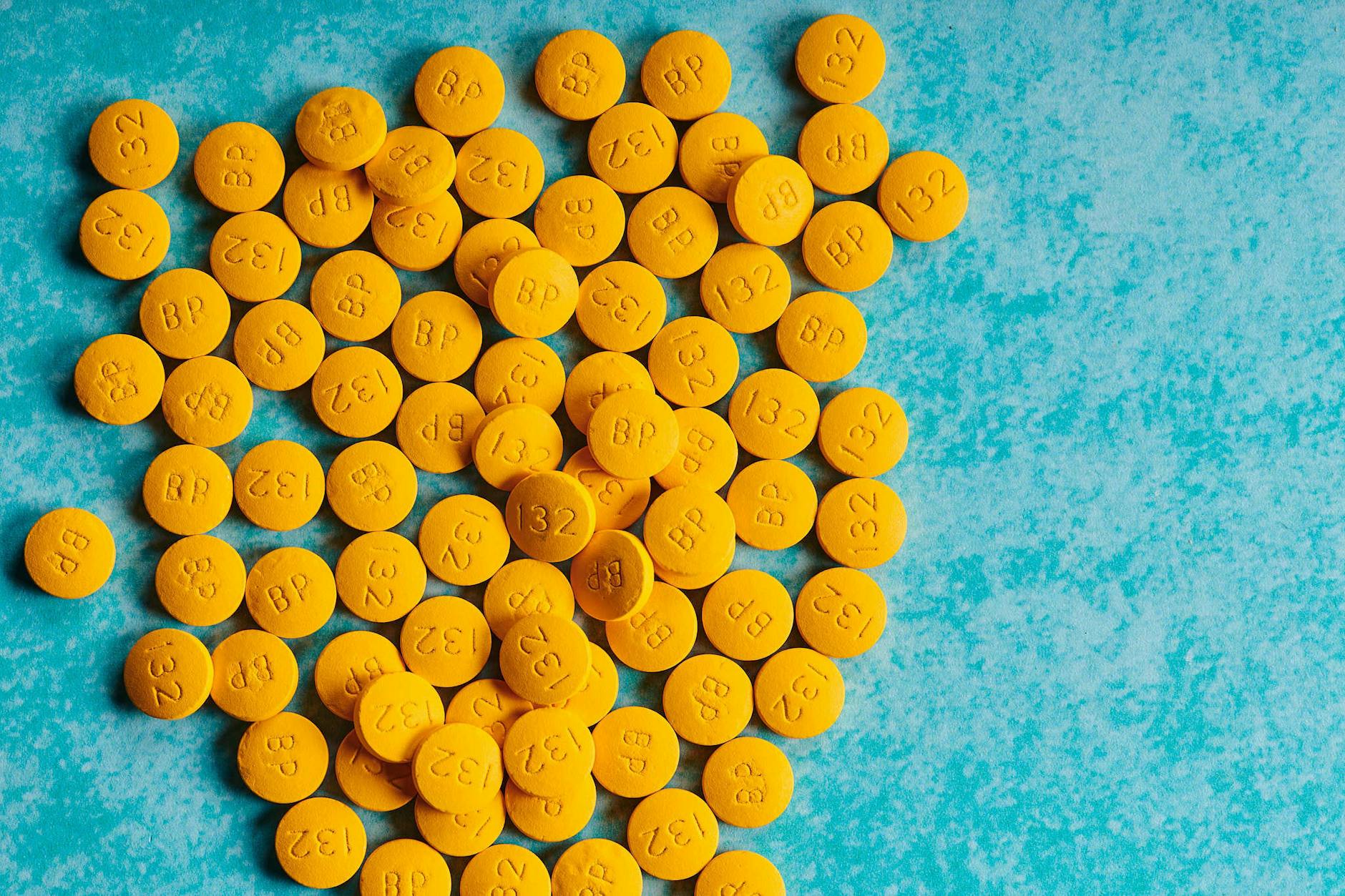
Which Heartburn Medications Carry the Highest Risk of Depression?
Not all PPIs appear to carry equal psychiatric risk, though the entire drug class is under scrutiny. A 2025 pharmacovigilance study using the FDA’s Adverse Event Reporting System found that psychiatric adverse events accounted for 12.83 percent of all reported PPI side effects — a strikingly large share for a class of drugs not considered psychiatric medications. The study detected positive safety signals for depressive disorder, bipolar disorder, sleep disorder, and suicide or self-injury across multiple PPIs. Omeprazole, sold under the brand name Prilosec and available without a prescription, had the highest number of psychiatric adverse event signals of any PPI, with 386 reported cases of depressive disorder alone. Esomeprazole (Nexium) was also associated with elevated risk of depression, anxiety, and bipolar disorder.
At the other end of the spectrum, rabeprazole (Aciphex) had the fewest psychiatric signals, with only 28 reported cases. However, it is important to note that omeprazole is also the most widely prescribed PPI, so its higher raw numbers partially reflect greater market exposure rather than necessarily a greater per-patient risk. Still, the disproportionality analysis in the study accounted for this, and omeprazole consistently showed the strongest psychiatric signal. If you or a family member is currently taking omeprazole or esomeprazole and experiencing new or worsening mood symptoms, this does not mean you should stop taking the medication abruptly. Sudden discontinuation can cause rebound acid hypersecretion that is worse than the original symptoms. But it does mean a conversation with a prescribing physician is warranted, particularly if the PPI was started months or years ago for a condition that may no longer require it.
Why Older Adults and Dementia Patients Face Unique Risks
For older adults, and especially those living with dementia, the intersection of PPIs and depression carries particular danger. Depression is already the most common psychiatric comorbidity in Alzheimer’s disease and related dementias, affecting an estimated 30 to 50 percent of patients at some point during their illness. When depression worsens in someone with dementia, it accelerates cognitive decline, increases agitation, disrupts sleep, and erodes quality of life for both the patient and their caregivers. If a daily PPI is contributing to that depression, the downstream effects ripple through every aspect of care. The geriatric study that found PPI users had 2.38 times greater odds of depression also found that the association grew stronger with longer duration of use and higher dosages. This is particularly relevant because older adults are disproportionately likely to be on long-term PPIs.
What may have started as a short course for an ulcer or esophagitis years ago often becomes a permanent fixture on the medication list, rarely reassessed. In geriatric medicine, this phenomenon — the indefinite continuation of medications that were meant to be temporary — is a well-recognized problem, but PPIs have traditionally flown under the radar compared to drugs like benzodiazepines or opioids. The challenge in dementia care is that a patient may not be able to articulate that they feel depressed or that their mood has changed. Caregivers may interpret increased withdrawal, loss of appetite, or disrupted sleep as progression of the disease itself, never suspecting a medication side effect. This makes proactive medication review by a geriatrician or pharmacist not just helpful but essential. Every drug on the list should justify its continued presence, and PPIs deserve particular scrutiny given the emerging evidence.

What to Do If You Suspect Your PPI Is Affecting Your Mood
The first and most important step is not to stop your medication on your own. Abruptly discontinuing a PPI after weeks or months of use almost always triggers rebound acid hypersecretion — a surge of stomach acid production that can be more intense than the original symptoms. This rebound effect is one reason so many people remain on PPIs indefinitely; they try to stop, feel worse, and conclude they still need the drug. Instead, bring the research to your doctor or your loved one’s doctor and ask for a structured deprescribing plan. This typically involves tapering the dose gradually over several weeks, sometimes stepping down to an H2 blocker like famotidine (Pepcid) as a bridge. H2 blockers work through a different mechanism and have not shown the same associations with depression, though they are generally less potent at suppressing acid.
For many patients whose original indication was mild reflux or a short-term ulcer, the tradeoff of slightly less acid suppression in exchange for avoiding potential psychiatric side effects is favorable. For patients with severe conditions like Barrett’s esophagus or Zollinger-Ellison syndrome, ongoing PPI therapy may genuinely be necessary, and the calculation is different. The point is not that PPIs are categorically dangerous but that their risk-benefit ratio deserves honest, individualized reassessment. Simultaneously, it is reasonable to support the nutritional deficits that PPIs may have created. Ask about checking magnesium and B12 levels, both of which are commonly depleted with long-term PPI use and both of which have documented roles in mood regulation. Correcting a B12 or magnesium deficiency will not cure clinical depression, but it removes one contributing factor — and in older adults, these deficiencies are common even without PPI use.
The Evidence Gap — What We Still Do Not Know
It would be irresponsible to discuss this topic without being transparent about the limitations of the current evidence. Most studies linking PPIs to depression are observational — they are cross-sectional analyses, cohort studies, or pharmacovigilance reviews, not randomized controlled trials. This means that while the associations are statistically significant and biologically plausible, we cannot yet say with certainty that PPIs cause depression. It remains possible that people who need PPIs are more likely to have conditions or lifestyles that independently predispose them to depression, a problem known as confounding by indication. That said, the dose-response and duration-response relationships strengthen the case. The finding that longer PPI use is associated with greater depression risk, with a statistically significant trend, is harder to explain away with confounding alone.
And the biological mechanisms are not speculative — the gut microbiome disruption, the nutrient malabsorption, and the direct neurotransmitter effects have all been demonstrated in controlled laboratory settings. What is missing is the final piece: a large, randomized, placebo-controlled trial in humans that directly tests whether PPI discontinuation improves depressive symptoms. Until that trial is conducted, clinicians and patients are left to make decisions based on the weight of accumulating evidence rather than definitive proof. The 2022 Swedish nationwide cohort study added another sobering dimension. It found that children ages 7 to 17 who were prescribed PPIs had 2.61 times the risk of depression and anxiety compared to non-users, and their risk of being prescribed antidepressants was 3.15 times higher. If the association is causal, it suggests that PPI-related mood effects are not limited to aging brains — they may affect neurodevelopment as well.
The Gut-Brain Connection and What It Means for Dementia Research
The gut-brain axis is one of the most active frontiers in dementia research, and the PPI question sits squarely within it. Researchers are increasingly recognizing that the composition of the gut microbiome influences neuroinflammation, amyloid-beta clearance, and even the integrity of the blood-brain barrier. If PPIs systematically reshape the gut microbiome — replacing beneficial short-chain fatty acid producers with pathogenic species like Streptococcus and E. coli — the implications extend beyond mood.
There is a plausible, if still unproven, connection to neurodegenerative processes themselves. For caregivers managing a loved one’s dementia, this is not a reason to panic, but it is a reason to pay attention. The same medication review that asks whether a PPI is contributing to depression should also consider whether it might be contributing to gut dysbiosis in ways that could affect cognitive trajectory. We do not have definitive answers yet, but the question is no longer fringe.
Where the Research Is Headed
Several research groups are now designing prospective studies that will follow PPI users over time with structured psychiatric assessments, something the existing retrospective studies cannot do. The 2025 FAERS pharmacovigilance analysis has also prompted calls for updated labeling that includes psychiatric risk alongside the better-known warnings about bone fractures, kidney disease, and Clostridium difficile infection. If regulatory agencies act on this data, patients and doctors will at least have a formal prompt to consider mood effects when starting or continuing PPI therapy. In the meantime, the practical takeaway is straightforward.
PPIs are not inherently evil medications — they have saved lives in cases of severe ulcers and esophageal damage. But they have been overprescribed, used for too long, and treated as benign in ways that the evidence no longer supports. For anyone caring for an older adult or someone with dementia, making sure that every medication on the list has a current, valid reason to be there is one of the most impactful things you can do. And if a PPI has been on that list for years without reassessment, now is the time to ask the question.
Conclusion
The evidence linking proton pump inhibitors to depression is not yet definitive, but it is substantial and growing. Studies consistently show that PPI users face roughly double the odds of depression, that the risk increases with dose and duration, and that plausible biological mechanisms — gut microbiome disruption, nutrient malabsorption, and direct neurotransmitter effects — can explain the association. For older adults and people living with dementia, whose mood changes are often attributed to their underlying condition rather than their medications, this blind spot is especially consequential.
If you or someone you care for has been on a PPI for months or years, the single most important action is to bring this topic to their physician and request a medication review. Ask whether the original indication still warrants treatment, whether a taper to a lower dose or a switch to an H2 blocker is feasible, and whether nutrient levels should be checked. Depression in dementia is difficult enough without a daily pill making it worse.
Frequently Asked Questions
Can I just stop taking my PPI if I think it is causing depression?
No. Abrupt discontinuation of PPIs causes rebound acid hypersecretion, which can be more severe than your original symptoms. Always taper under medical supervision, typically over several weeks, sometimes stepping down to an H2 blocker like famotidine as a bridge.
Which PPI has the highest risk of psychiatric side effects?
Based on FDA adverse event data, omeprazole (Prilosec) had the most reported cases of depressive disorder among all PPIs, with 386 cases in the 2025 FAERS analysis. Esomeprazole (Nexium) also showed elevated psychiatric risk. Rabeprazole (Aciphex) had the fewest reported psychiatric signals.
How quickly can PPI-related depression develop?
The research does not specify a precise timeline, but animal studies have shown neurotransmitter changes with short-term omeprazole use, and human studies show that longer duration of PPI use is associated with progressively higher depression risk. Both short-term and long-term users should be aware of potential mood effects.
Are H2 blockers like famotidine (Pepcid) a safer alternative for mood?
H2 blockers work through a different mechanism and have not shown the same associations with depression in current research. They are generally less potent at suppressing acid than PPIs, so they may not be adequate for severe conditions like Barrett’s esophagus, but they are a reasonable alternative for mild to moderate reflux.
Should I be worried about PPIs and dementia risk specifically?
The PPI-dementia connection is a separate but related area of active research. The gut microbiome disruption caused by PPIs may influence neuroinflammation and other processes relevant to dementia, but this has not been conclusively established. The depression link is currently better supported by evidence.
My parent has dementia and takes a PPI — how do I bring this up with their doctor?
Request a comprehensive medication review and specifically ask whether the PPI is still indicated for the original condition. Mention the research linking PPIs to depression and ask about deprescribing options. Geriatricians and clinical pharmacists are especially well-equipped to conduct this kind of review.
You Might Also Like
- The Medication Secret Most Pharmacists Know — But Never Tell You
- The Medication Approved by FDA That Is Still Being Studied for Safety
- Why Some Antibiotics Need to Be Taken Standing Up to Prevent Injury
For more, see Alzheimer’s Association — medical tests.