The answer is deceptively simple: your asthma inhaler could contain the most effective medication on the market, but if you cannot operate the device delivering it, that drug never reaches your lungs. Research shows that up to 90% of asthma patients may not use their inhalers correctly, and 85% of those with poor inhaler technique demonstrate poor asthma control. In practical terms, this means millions of people are carrying around a prescription that should be working — and blaming themselves, their doctor, or the medication when their symptoms persist. The problem is often mechanical, not pharmacological. A grandmother struggling with the hand-breath coordination required by a metered dose inhaler, or a teenager who never learned to exhale fully before using a dry powder device, may both be losing the majority of their medication to the back of their throat rather than their airways.
This distinction between drug and device matters enormously for the roughly 25 million Americans living with asthma, a condition that costs the U.S. economy more than $80 billion annually. One quarter of all costs associated with inhaler use are attributable to poor inhaler technique alone. For older adults — especially those managing cognitive decline alongside respiratory disease — device usability can be the single greatest barrier to effective treatment. This article examines how device type, technique training, emerging smart inhaler technology, and updated clinical guidelines all shape asthma outcomes in ways that go far beyond the active ingredient printed on the label.
Table of Contents
- Why Does Asthma Control Depend on the Device, Not Just the Drug?
- How Different Inhaler Devices Compare — and Where Each Falls Short
- Who Is Most at Risk for Inhaler Errors — and Why Cognitive Health Matters
- What Two Minutes of Training Can Actually Change
- Smart Inhalers — Promise, Problems, and Privacy
- What the Latest Guidelines Say About Choosing the Right Inhaler
- Where Asthma Device Management Goes From Here
- Conclusion
- Frequently Asked Questions
Why Does Asthma Control Depend on the Device, Not Just the Drug?
The assumption most patients carry — that picking up a prescription and using it “as directed” guarantees benefit — collapses when you examine how inhaler devices actually work. A 2026 systematic review and meta-analysis published in Nature’s npj Primary Care Respiratory Medicine found no statistically significant differences in efficacy between inhaler types for any assessed measure. That finding is striking: it confirms that the medication inside various devices performs comparably when delivered correctly. The variable that determines whether a patient gets relief is technique. In one study, only 12% of inhalers were used correctly, despite most patients expressing confidence in their ability. That gap between perceived and actual competence is where asthma control goes to die. Consider the numbers behind poor technique in concrete clinical terms.
For every 100 asthma patients making critical inhaler errors, data from a Respiratory Research review shows approximately 19 hospitalizations, 26.5 emergency room visits, 4.5 antimicrobial courses, and 21.5 oral corticosteroid courses. These are not minor inconveniences. Hospitalizations carry their own risks — infections, medication errors, deconditioning — and oral corticosteroids come with side effects ranging from weight gain to bone density loss. For older adults already navigating multiple health conditions, each preventable hospitalization can mark a turning point in functional independence. Overall inhaler error rates range from 50% to 100%, and critical error rates — the kind that prevent any meaningful drug delivery — range from 14% to 92% across all device types. The breadth of that range reflects differences in patient populations, but the floor is the telling figure. Even in the best-case scenarios studied, more than one in ten patients commits an error severe enough to negate their treatment entirely.
How Different Inhaler Devices Compare — and Where Each Falls Short
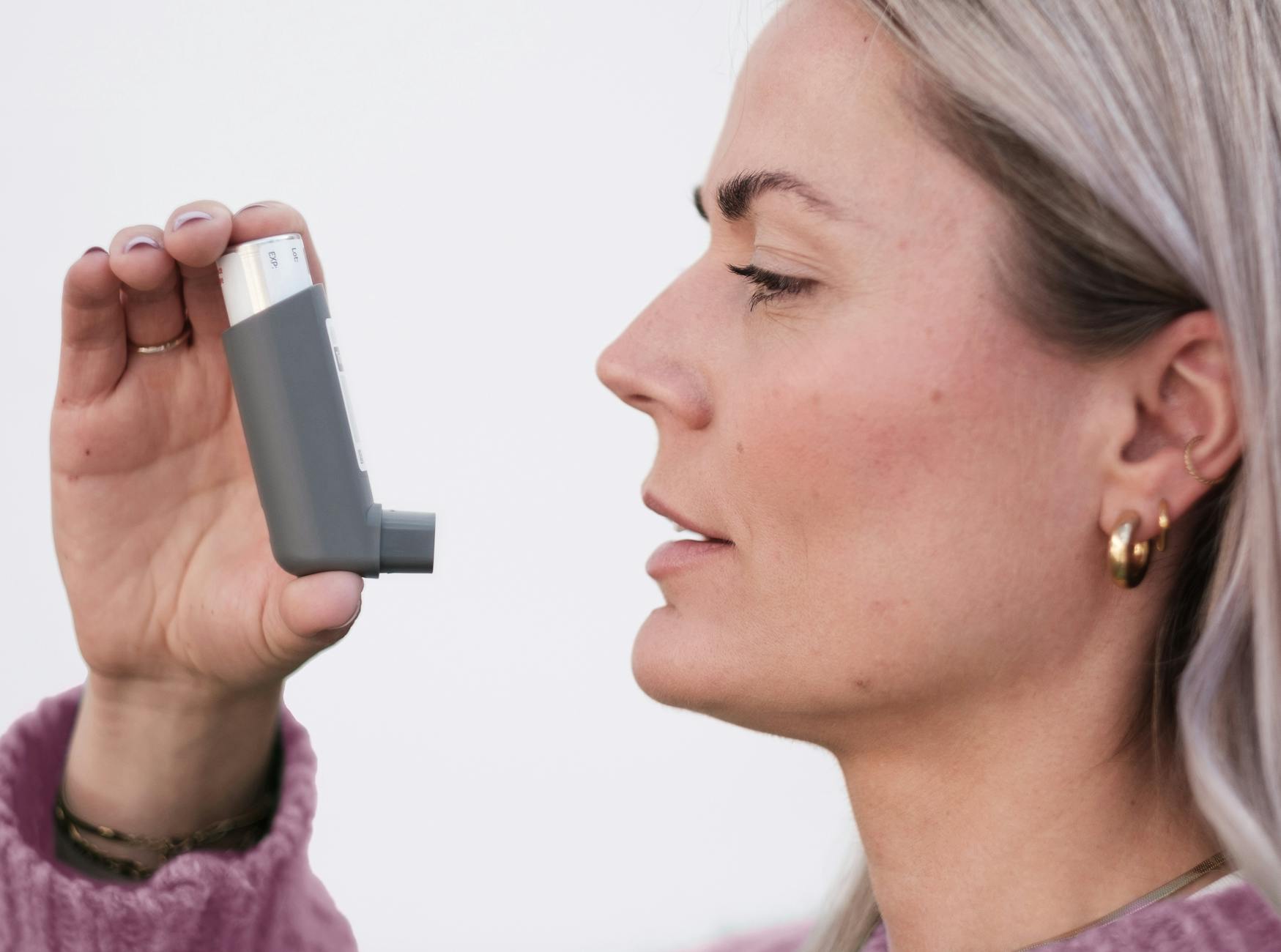
Not all inhalers fail patients in the same way. Metered dose inhalers with a spacer were used correctly by 68.1% of patients in one evaluation, compared to only 34.6% for dry powder inhalers. The reason comes down to the specific skills each device demands. The most common MDI error — failing to breathe in from the spacer five to six times — affected 24.4% of users. For DPIs, the most common mistake was failing to exhale to residual volume before inhalation, a step that 51.9% of users skipped. These are fundamentally different physical tasks, which means a patient who struggles with one device type might do well with another. Soft mist inhalers, such as the Respimat, offer a mechanical advantage that is worth understanding.
These devices expel medication over approximately 1.2 seconds, compared to just 0.1 seconds for a standard MDI. That slower aerosol cloud is more forgiving of imperfect timing and requires less inspiratory effort, resulting in higher lung deposition. For elderly patients with reduced grip strength or impaired coordination — including those in early stages of cognitive decline — this difference can be clinically meaningful. However, soft mist inhalers are not universally available for all medications, and their cost profile differs from generic MDIs. A device that works perfectly in a clinical trial means nothing if a patient cannot afford or access it month after month. The critical caveat here is that no device is foolproof. Even the most forgiving inhaler design still requires a sequence of steps performed in the correct order. Patients who switch device types without retraining often import errors from their previous inhaler, compounding the problem rather than solving it.
Who Is Most at Risk for Inhaler Errors — and Why Cognitive Health Matters
The risk factors for poor inhaler technique read like a profile of the aging population. Research identifies older age, lower education status, lack of previous instruction, comorbidities, and lower socioeconomic status as the primary predictors of inhaler errors. For readers of a brain health and dementia care site, this intersection is particularly urgent. A person with mild cognitive impairment may have used an inhaler competently for years, only to begin making critical errors as their executive function declines — errors that neither they nor their family members recognize, because the physical act of pressing a canister looks the same whether it is done correctly or not. Consider an 80-year-old woman with moderate dementia and a 15-year history of asthma. She has used an MDI since her diagnosis, and her caregiving daughter assumes she knows how.
But the coordination required — shaking the canister, exhaling fully, pressing while inhaling slowly, holding breath for ten seconds — involves a multi-step sequence that depends on working memory and motor planning. When her asthma worsens, the instinct is to ask the pulmonologist about a stronger medication. The real answer may be switching to a device with fewer steps or assigning a caregiver to administer it. Uncontrolled asthma is projected to cost the United States $300 billion over the next 20 years in direct medical costs alone, rising to $963 billion when lost productivity is included. A meaningful share of that burden falls on older adults whose device-related failures are misinterpreted as disease progression. The downstream consequences — systemic corticosteroid courses, repeated ED visits, prolonged hospitalizations — each carry cognitive risks of their own, creating a vicious cycle for those already vulnerable to neurological decline.

What Two Minutes of Training Can Actually Change
The most encouraging data in this space concerns education. Asthma control improved from 61.5% at baseline to 87.3% during follow-up when patients received inhaler technique education and error correction. That is a 25-percentage-point improvement in disease control from a behavioral intervention, not a new drug. Routine inhaler technique correction takes only two to three minutes and significantly improves asthma control in older children and adults, according to a 2025 review published in Frontiers in Pharmacology. A 2025 systematic review and meta-analysis further confirmed that education reduces critical errors and incorrect use across both DPIs and MDIs, regardless of device type.
The tradeoff is who delivers that education. Pharmacists, respiratory therapists, nurses, and physicians can all provide effective technique training, but time pressures in clinical settings mean it often does not happen. A 15-minute office visit that must also cover medication changes, symptom review, and action plan updates leaves little room for hands-on device instruction. Some health systems have responded by embedding inhaler education into pharmacy dispensing workflows — a practical approach, though its effectiveness depends on the pharmacist having time and training specific to each device. For caregivers of people with cognitive impairment, the practical recommendation is direct: ask the prescribing physician or pharmacist to demonstrate the prescribed inhaler, then practice it yourself. If the person you care for can no longer reliably perform the steps independently, request a switch to a device that allows caregiver-assisted administration, or discuss whether a nebulizer — which requires only tidal breathing — might be more appropriate.
Smart Inhalers — Promise, Problems, and Privacy
The global smart inhalers market was valued at $18.4 billion in 2024 and is projected to reach $91.9 billion by 2033, reflecting a compound annual growth rate of 19.6%. These devices use built-in sensors, Bluetooth connectivity, and AI-powered acoustic sensing to record real-time usage data, detect inhalation profiles, and send dose reminders. In theory, a smart inhaler can tell a clinician not just whether a patient used their medication, but whether they used it correctly — information that transforms follow-up visits from guesswork into data-driven conversations. However, the barriers to smart inhaler adoption are real and should temper enthusiasm. Data privacy concerns rank high among them: these devices transmit health data wirelessly, and many patients — particularly older adults and their families — are justifiably cautious about who can access that information. Interoperability challenges mean smart inhalers from one manufacturer may not integrate with a patient’s existing health app or electronic medical record.
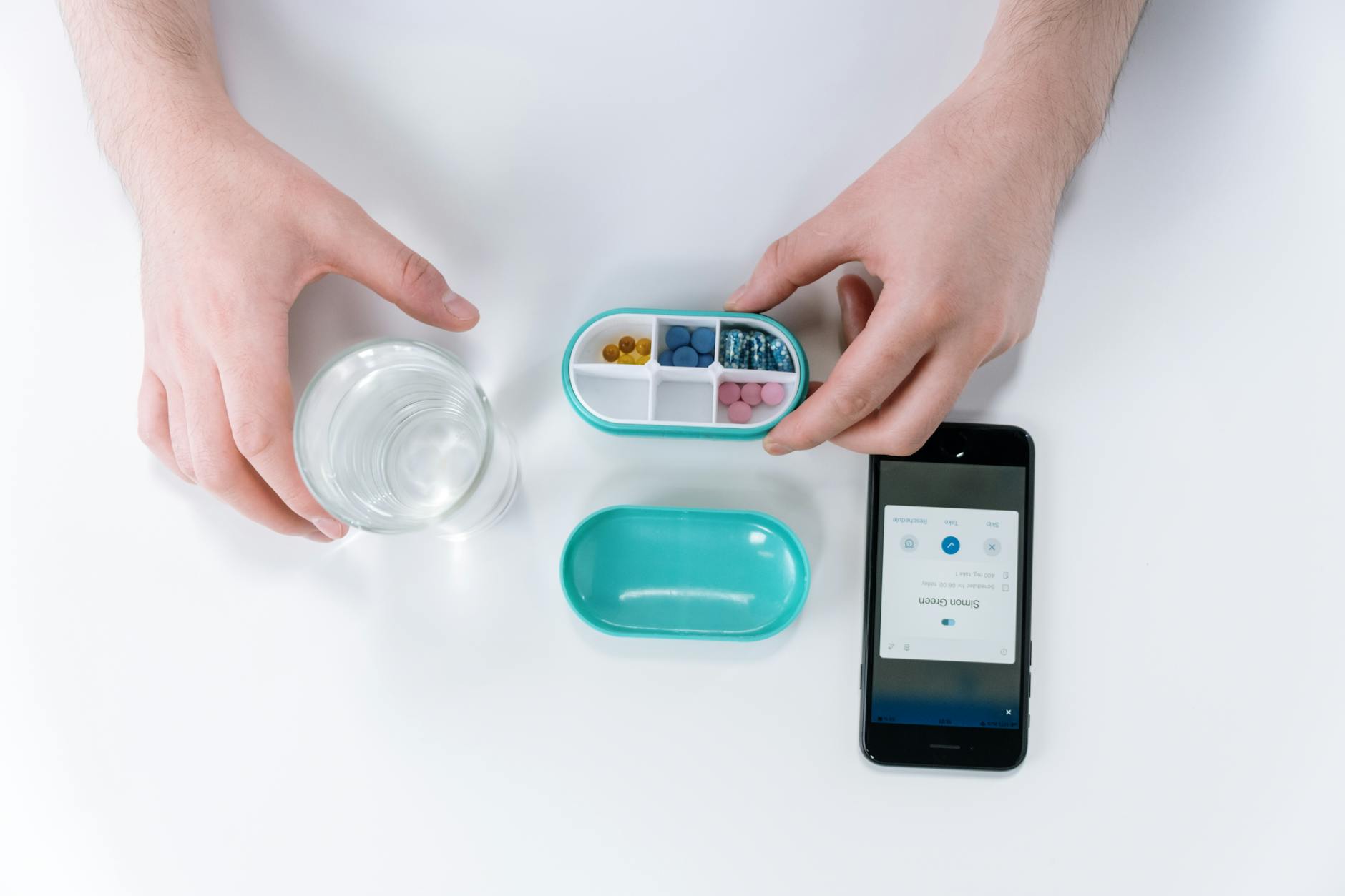
Clinician workload is another concern, as more data does not automatically mean better care if no one has time to review it. And there is the question of electronic waste, since these devices have a limited battery life and contribute to the growing environmental footprint of medical technology. For cognitively impaired patients, smart inhalers offer a genuinely useful feature: dose reminders. Forgetting whether a maintenance inhaler has been used is a daily reality for many people with memory difficulties. A device that provides an audible or visual prompt — or alerts a caregiver’s phone — addresses a concrete problem. But the technology cannot fix a technique error that the patient does not understand, and the interface itself may introduce confusion for someone who struggles with Bluetooth pairing or app navigation.
What the Latest Guidelines Say About Choosing the Right Inhaler
The 2025 GINA Strategy Report — the most widely referenced international asthma guideline — emphasizes that device selection should consider the patient’s ability to use the device correctly, likelihood of adherence, personal treatment goals, comorbidities, cost, and environmental impact. This represents a shift from earlier guidance that focused primarily on drug class and severity step.
GINA now stresses shared decision-making and patient preference to ensure an inhaler is selected that the patient “can and will use effectively.” For clinicians and caregivers navigating dementia alongside asthma, the GINA framework offers a useful checklist. Can the patient physically operate the device? Will they remember to use it? Does the copay create a barrier to refills? Medicaid spending on inhalers increased from $2.1 billion to $4.6 billion between 2012 and 2018, and Medicare inhaler spending increased 128% between 2014 and 2018. In 2024, three major inhaler manufacturers announced $35-per-month caps on out-of-pocket costs for commercially insured and uninsured patients — a meaningful development, though patients on Medicare Part D may still face coverage gaps depending on formulary placement.
Where Asthma Device Management Goes From Here
The convergence of aging populations, rising asthma prevalence, and growing recognition of device-related treatment failure suggests that inhaler technique will receive more clinical attention in the coming years, not less. CDC data shows asthma prevalence increasing significantly among adults from 2013 to 2021, and as that population ages, the intersection of respiratory disease with cognitive decline will become a more common clinical scenario. The smart inhaler market’s projected growth to $91.9 billion by 2033 signals that the industry sees monitoring and feedback as a scalable solution, though whether that technology reaches the patients who need it most — particularly those in lower socioeconomic brackets — remains an open question.
What is already clear is that the conversation about asthma control needs to expand beyond pharmacology. A prescription is a starting point. The device that delivers it, the training that supports its use, and the ongoing assessment of whether a patient can still operate it correctly — these are the factors that determine whether the drug works in the real world, not just in the clinical trial.
Conclusion
Asthma control hinges on a chain of events that begins with the right diagnosis and medication, passes through the selection of an appropriate delivery device, and depends daily on correct technique. When any link in that chain breaks, the drug — no matter how effective — cannot do its job. The data is unambiguous: up to 90% of patients make errors with their inhalers, only 12% use them correctly in some studies, and 85% of those with poor technique have poorly controlled asthma. For older adults managing cognitive changes alongside respiratory disease, these statistics are not abstract. They represent real nights of breathlessness, real emergency department visits, and real declines in quality of life that could be prevented.
The path forward involves asking better questions at every clinical encounter. Not just “are you taking your medication?” but “show me how you use your inhaler.” It means recognizing that a device switch may accomplish what a medication escalation cannot. It means caregivers learning to administer inhalers on behalf of those who can no longer manage the steps independently. And it means holding the healthcare system accountable for the two to three minutes of training that can shift asthma control from 61.5% to 87.3%. The drug matters. But the device, and the hands that hold it, matter just as much.
Frequently Asked Questions
How often should inhaler technique be checked?
Every clinical visit, according to GINA guidelines. Technique deteriorates over time, particularly in older adults and those with cognitive changes. Even patients who initially demonstrate correct use should be reassessed at each encounter, since skills decay and device switches can introduce new errors.
Can a caregiver use an inhaler on behalf of someone with dementia?
Yes, with certain device types. MDIs with spacers and masks are designed for assisted administration. Nebulizers require only normal breathing and no coordination from the patient. Discuss options with the prescribing physician, as not all medications are available in caregiver-friendly formats.
Are smart inhalers covered by insurance?
Coverage varies widely. Most smart inhaler attachments are currently purchased out of pocket or provided through clinical programs. As the market grows and evidence for cost savings mounts, insurance coverage is expected to expand, but patients should verify coverage with their specific plan before purchasing.
Does it matter which inhaler brand I use if the medication is the same?
Yes, because even inhalers containing the same active ingredient can differ in device design, actuation force, aerosol characteristics, and required technique. A 2026 meta-analysis found no efficacy differences between device types when used correctly, but that caveat — when used correctly — is doing significant work. Choose the device you can actually use.
What is the single most common inhaler mistake?
It depends on the device. For MDIs with spacers, the most common error is failing to take enough breaths from the spacer (24.4% of users). For dry powder inhalers, the most common error is failing to exhale fully before inhaling the dose (51.9% of users). Both errors significantly reduce the amount of medication reaching the lungs.