Reviewed by the Help Dementia Editorial Team — our editors review every article for accuracy against guidance from the National Institute on Aging, the Alzheimer’s Association, and peer-reviewed sources.
Dementia prevention sits at the center of this dementia and brain health question.
Yoga is being studied as a dementia prevention activity because recent clinical research shows it provides measurable cognitive benefits that go beyond traditional memory training—a finding that has surprised even researchers in the field. A 2024 UCLA Health study found that Kundalini yoga delivered greater improvements in executive functioning than memory enhancement training in older women at risk for Alzheimer’s disease, with participants showing both functional cognitive gains and increased gray matter volume in key brain regions. Beyond this headline finding, a 2026 McGill University meta-analysis of 98 studies on mind-body interventions (mindfulness, meditation, yoga, tai chi, breathing practices) concluded that these approaches show genuine promise in reducing mental health symptoms associated with cognitive decline. This article explores why researchers are investigating yoga as a preventive tool, what the latest evidence shows, how yoga affects brain structure at a cellular level, and what limitations remain in the current research.
Table of Contents
- What Makes Yoga Different from Other Brain Health Approaches?
- Brain Structure Changes: What the Research Actually Shows
- How Do Different Types of Yoga Compare in Research?
- Mechanisms That Might Explain Yoga’s Cognitive Benefits
- What Are the Real Limitations of Current Yoga Research?
- Real-World Applications for At-Risk Populations
- The Future of Yoga as a Preventive Medicine Tool
- Conclusion
What Makes Yoga Different from Other Brain Health Approaches?
The distinction between yoga and traditional cognitive training lies in what parts of the brain get activated and protected. While memory training programs focus narrowly on memorization techniques, yoga engages multiple neurological systems simultaneously—stress regulation through breathing, motor control through physical movement, and mindfulness through sustained attention.
In the UCLA trial comparing Kundalini yoga directly against memory enhancement training, both groups improved memory at 12 and 24 weeks, but only the yoga group showed significant improvements in executive functioning (planning, decision-making, cognitive flexibility), suggesting neuroprotective rather than compensatory effects. This distinction matters because executive function decline often precedes memory loss in Alzheimer’s disease progression, meaning yoga might be intervening earlier in the neurodegenerative cascade than conventional approaches.

Brain Structure Changes: What the Research Actually Shows
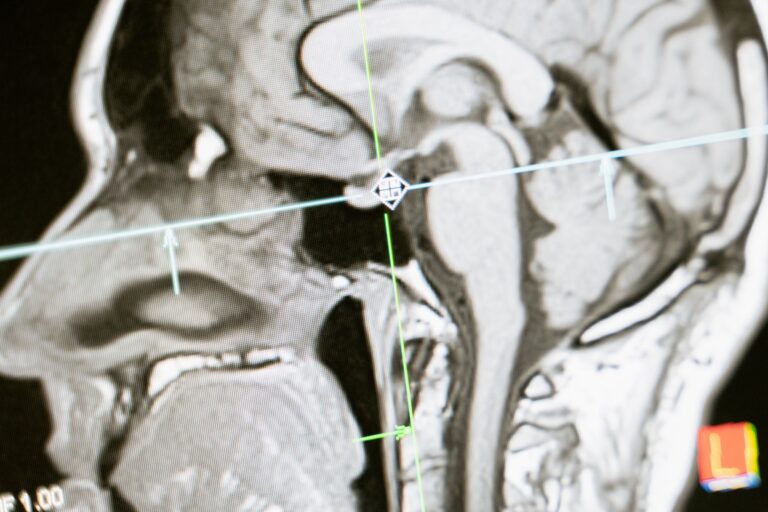
The most striking findings come from neuroimaging data examining gray matter volume changes. In the UCLA study, the yoga group showed significant increases in gray matter volume in the left precentral and lateral occipital cortices over just 12 weeks—the very brain regions involved in motor planning and visual processing.
By contrast, the memory training control group showed reductions in gray matter across all eleven brain regions examined over the same timeframe. However, it is important to note that gray matter loss doesn’t automatically indicate cognitive decline in all contexts, and the clinical significance of these volumetric changes is still being determined—one study showing volume changes in one direction doesn’t automatically mean the opposite direction causes dementia. The hippocampus, critical for forming new memories, also showed increased connectivity in yoga participants, along with measurable improvements in inflammatory markers (lower IL-6, TNF-alpha, and CRP), suggesting yoga may work partly by reducing chronic brain inflammation.
How Do Different Types of Yoga Compare in Research?
The research examined multiple yoga styles, with Kundalini yoga featuring prominently in the most rigorous clinical trials, but also including chair yoga and Hatha yoga in various studies. The 2023-2024 systematic review identified 10 unique studies involving 421 total participants examining yoga effects on mild cognitive impairment and dementia specifically.
The 2025 quality of life study used 60-minute daily sessions, 6 days per week, conducted by trained yoga therapists—a much more intensive regimen than what most people might realistically sustain. This intensity raises a practical question: the research showing the strongest neuroimaging changes often comes from these intensive protocols, but the McGill meta-analysis also found that shorter sessions (under 1 hour) with proper implementation strategies like family involvement and group formats produced measurable benefits, suggesting there may be a “good enough” threshold for cognitive benefit without requiring such demanding daily commitments.

Mechanisms That Might Explain Yoga’s Cognitive Benefits
Beyond inflammation and brain volume, researchers have identified more specific neurochemical pathways. One emerging mechanism involves tau protein, the accumulation of which drives neurodegeneration in Alzheimer’s disease—preliminary evidence suggests yoga may reduce hyperphosphorylation of tau proteins, potentially slowing disease progression at a molecular level.
The hippocampus connectivity improvements are particularly significant because the hippocampus manages stress-related memories, and stress is a known accelerant of cognitive decline; by improving hippocampal function, yoga may be interrupting a chain reaction that would otherwise lead to accelerated decline. However, most of this mechanistic evidence remains preliminary—the tau protein findings are early-stage, and the causal relationship between improved connectivity and prevented cognitive decline has not yet been firmly established in long-term follow-up studies.
What Are the Real Limitations of Current Yoga Research?
The most honest assessment comes directly from the research itself: while findings are encouraging, they remain preliminary and more high-quality randomized controlled trials are needed to solidify the evidence base. Most studies are small (the comprehensive systematic review found only 10 studies with 421 total participants), and many lack long-term follow-up data—we know yoga produces brain changes over 12 weeks, but we don’t know whether these changes prevent dementia diagnosis 5 or 10 years later.
Recruitment bias is another concern; people willing to commit to 60-minute daily yoga sessions are probably already health-conscious and may have other unmeasured lifestyle factors (better sleep, lower stress, stronger social connections) that contribute to cognitive preservation. The McGill meta-analysis found promise but emphasized that effective implementation requires qualified instructors, family reinforcement, and flexible scheduling—casual or poorly taught yoga may not produce the same benefits documented in research protocols.

Real-World Applications for At-Risk Populations
The 2025 quality of life study demonstrated that structured yoga interventions can be adapted for Alzheimer’s patients themselves, not just cognitively normal older adults at risk. Participants in that study showed documented improvements in quality of life and reductions in caregiver burden, making yoga potentially valuable even after diagnosis.
For people in the mild cognitive impairment stage (the transition zone between normal aging and dementia diagnosis), the evidence suggests starting yoga might preserve cognitive function better than waiting. The American Heart Association’s 2025 endorsement of yoga for brain health specifically noted benefits beyond flexibility, effectively expanding yoga’s credibility beyond fitness circles into mainstream medical discourse—important because that credibility influences whether insurance might cover it or physicians recommend it.
The Future of Yoga as a Preventive Medicine Tool
The trajectory of research suggests that yoga will likely move from “interesting alternative” to “evidence-based recommendation” as more long-term studies accumulate and mechanisms become clearer. The 2026 McGill analysis demonstrated that mind-body interventions are now being taken seriously at the level of major research institutions, and the publication of findings in Nature-level journals (Translational Psychiatry) signals that neuroscience is treating yoga as a legitimate research question rather than a fringe topic. One likely development is differentiation—future research may identify which specific yoga practices (breathing techniques, physical poses, meditation, or combinations) produce the largest cognitive benefits for specific populations, allowing more targeted recommendations rather than generic “try yoga” advice.
Conclusion
Yoga is being studied as a dementia prevention activity because recent evidence shows it produces cognitive benefits that exceed what conventional memory training achieves, combined with measurable improvements in brain structure, inflammation markers, and hippocampal connectivity. The research remains preliminary—long-term prevention data doesn’t yet exist—but the convergence of findings from UCLA, McGill, Nature, and the American Heart Association suggests something real is happening at a neurological level.
If you are concerned about cognitive decline, current evidence supports starting yoga practice earlier rather than later, ideally with qualified instruction and ideally in a group format, while continuing other evidence-based brain health approaches (sleep, cardiovascular exercise, cognitive engagement, social connection). The field will likely become clearer over the next 3-5 years as longer follow-up studies publish and mechanisms are better understood, but the encouragement in the current literature is justified by the data, not by marketing.
You Might Also Like
- How Pharmacies Are Starting to Offer Walk In Dementia Risk Screenings for Under $20
- How Service Dogs Are Being Trained Specifically for Dementia Patients and What They Cost
- How Intergenerational Programs Pairing Dementia Patients With Preschoolers Are Showing Results
For more, see CDC — Alzheimer’s and Dementia.