Reviewed by the Help Dementia Editorial Team — our editors review every article for accuracy against guidance from the National Institute on Aging, the Alzheimer’s Association, and peer-reviewed sources.
Vegan diet sits at the center of this dementia and brain health question.
A vegan diet could be the most important brain food for adults over 55 because emerging research shows that plant-based eating is associated with a 32% lower risk of cognitive impairment and a 15% lower risk of dementia compared to less plant-focused diets. Recent studies following nearly 93,000 adults over a decade demonstrate that even people in their late 50s and 60s who shift to a high-quality plant-based diet can see measurable cognitive benefits, suggesting it’s never too late to protect your brain through food choices. Consider a 58-year-old who transitioned to a plant-focused diet after a family history of Alzheimer’s disease—the research suggests this choice could meaningfully reduce her dementia risk going forward.
What makes this finding particularly significant is that brain health protection is achievable through dietary changes rather than medication alone. The strongest evidence comes from systematic reviews of multiple studies showing consistent patterns: adults whose diets become progressively more plant-based see an 11% lower risk of Alzheimer’s and dementia over 10 years compared to those whose diets don’t change. This isn’t about perfection or complete veganism—it’s about the quality and proportion of plant foods in your daily meals.
Table of Contents
- How Does a Plant-Based Diet Actually Protect Your Brain?
- Quality Matters Far More Than You Might Think
- The Critical Nutritional Deficiencies Vegans Must Address
- Building a Brain-Protective Plant-Based Diet in Your Late 50s and Beyond
- The Timing Question: Is It Too Late to Change Your Diet?
- Understanding the Gut-Brain Connection in Plant-Based Eating
- The Path Forward as Plant-Based Eating Becomes Mainstream
- Conclusion
How Does a Plant-Based Diet Actually Protect Your Brain?
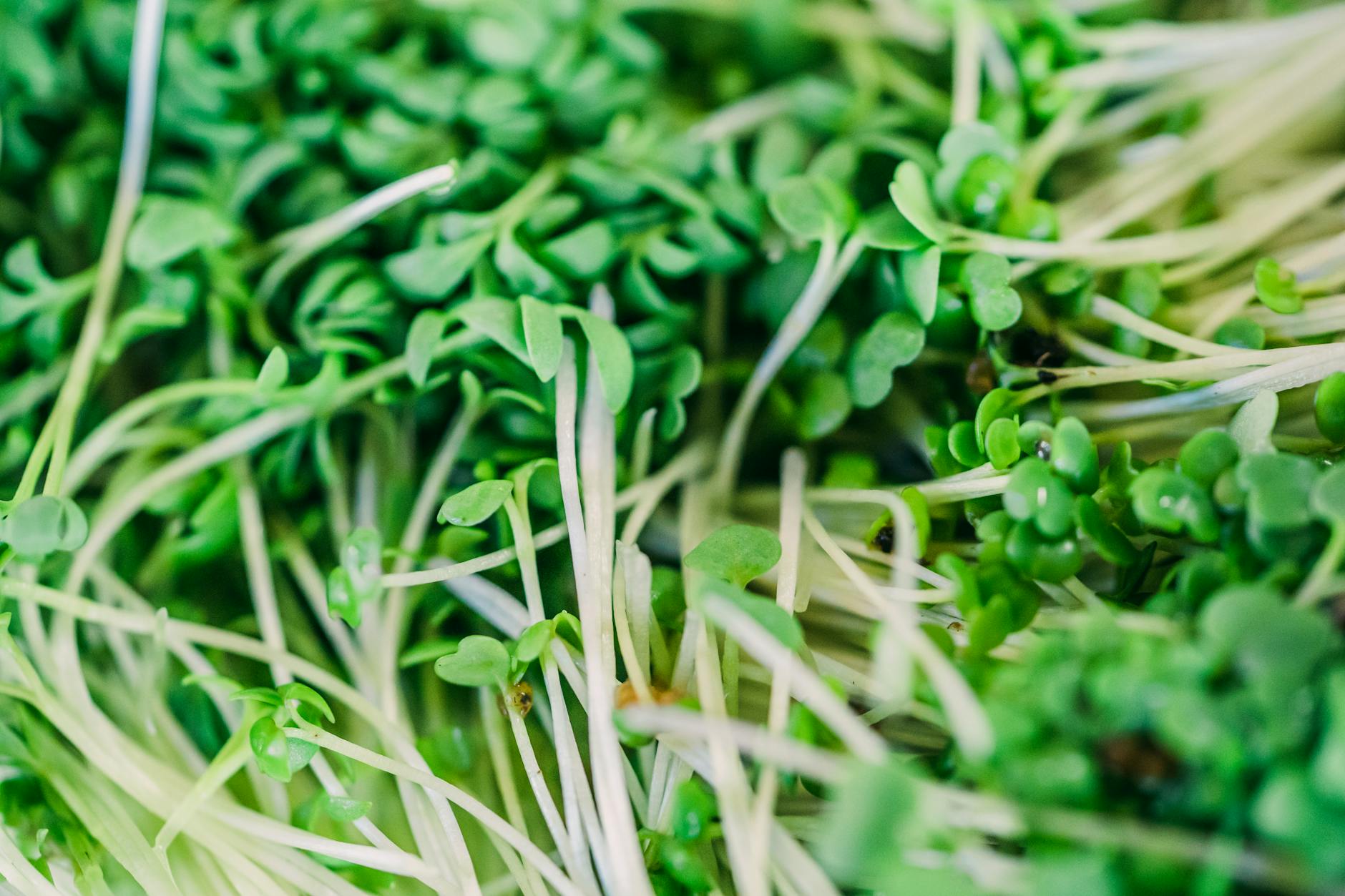
The brain’s vulnerability to aging is partly driven by inflammation and oxidative stress, both of which plant-based foods directly combat through their rich content of antioxidants, phytochemicals, and polyphenols. leafy greens like spinach, kale, and lettuce contain compounds that have been specifically linked to better brain health and lower cognitive decline risk in older adults. Nuts provide healthy fats that support neural function, legumes deliver fiber and nutrients that nourish the gut-brain axis, and compounds in tea and coffee offer neuroprotective effects—all components that research identified as having the strongest protective effects against dementia.
The mechanism appears to work on multiple levels simultaneously. A plant-rich diet reduces chronic inflammation throughout the body, lowers blood pressure, improves cholesterol profiles, and stabilizes blood sugar—all of which protect blood vessels feeding the brain. Additionally, plants contain compounds that support the production of neurotransmitters essential for memory and cognition. Vegetables alone have shown measurable benefits; when combined with nuts, legumes, and the protective compounds in coffee and tea, the cumulative effect becomes substantial enough to detect in large population studies.
Quality Matters Far More Than You Might Think
Not all plant-based foods deliver the same cognitive benefits, and this is a critical distinction often missed in headlines. Research shows that an unhealthful plant-based diet—one high in refined grains, sugary foods, and processed vegan products—is associated with a 17% increased dementia risk. This is a crucial warning: simply eating vegan does not guarantee brain protection.
Someone eating primarily white bread, sugary breakfast cereals, and processed vegan meat substitutes will not see the cognitive benefits that studies document. The difference becomes clear when comparing two scenarios: a 62-year-old eating whole grains, legumes, vegetables, nuts, and seeds versus a 62-year-old eating mostly refined carbohydrates and vegan junk food. The first approach aligns with research showing cognitive protection; the second actually increases dementia risk. This finding flips the narrative from “veganism is protective” to “high-quality plant-based eating is protective,” which is a fundamentally different claim that places responsibility on food choices rather than dietary label alone.
The Critical Nutritional Deficiencies Vegans Must Address
While plant-based eating protects the brain through beneficial compounds, vegan diets carry specific nutritional risks that can directly damage cognitive function if left unaddressed. Vegans typically have DHA levels approximately 50% lower than omnivores, and this deficiency is linked to higher rates of depression, anxiety, and cognitive decline. DHA is a long-chain omega-3 fat critical for brain structure and function, particularly the myelin sheath that allows neurons to communicate efficiently.
The second major concern is vitamin B12 deficiency, which creates elevated homocysteine levels in the blood. Elevated homocysteine is associated with a 50-70% increased risk of Alzheimer’s disease and vascular dementia—a risk far more serious than any benefit veganism provides. An adult over 55 considering veganism must understand this tradeoff explicitly: the diet offers genuine cognitive protection through plant compounds, but only if supplemented properly with B12, vitamin D, and DHA (typically from algae-based supplements). Without these supplements, a vegan diet can paradoxically damage the brain despite its protective plant foods.
Building a Brain-Protective Plant-Based Diet in Your Late 50s and Beyond
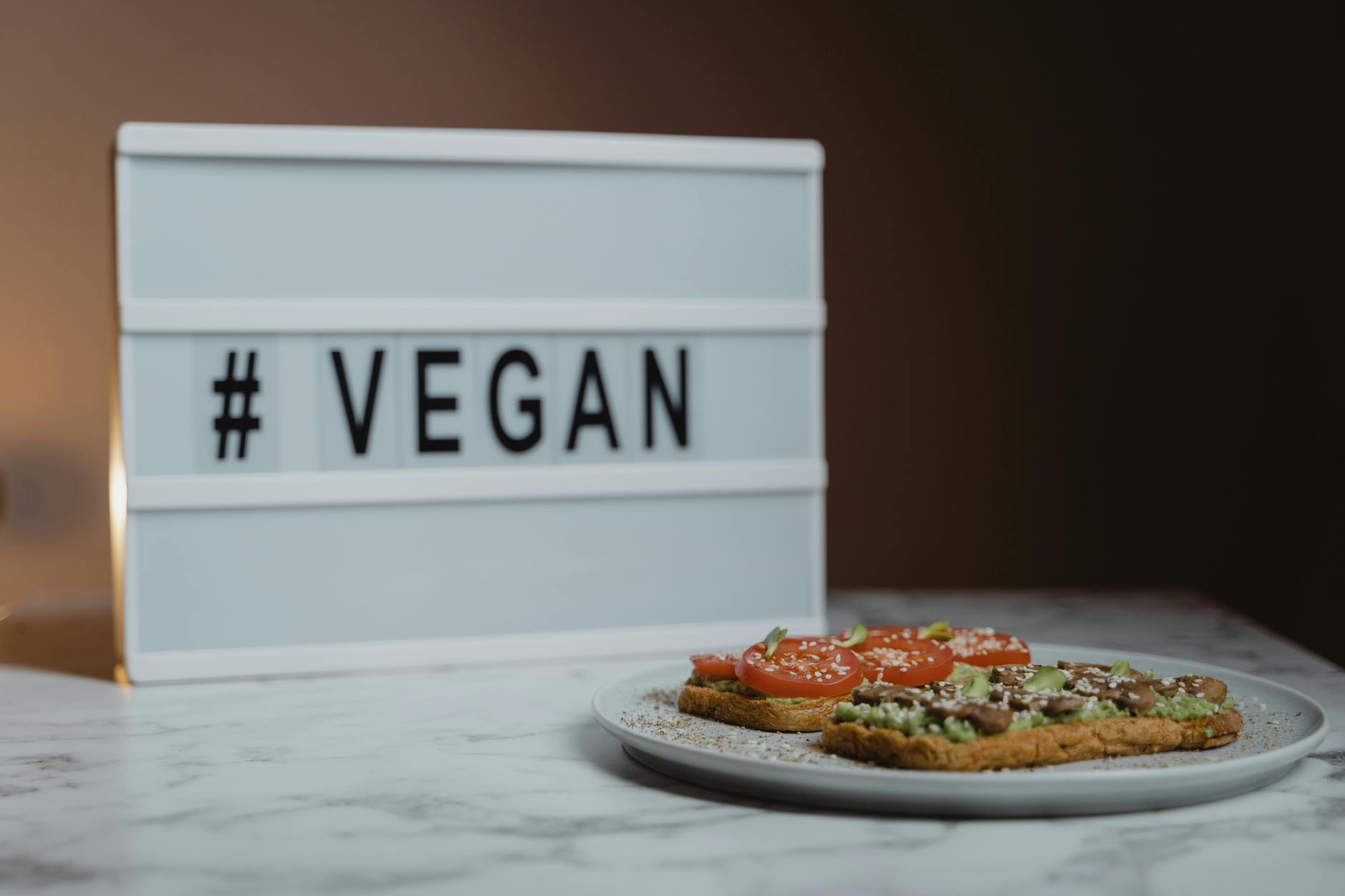
The practical implementation of a brain-protective diet for someone over 55 involves prioritizing specific plant foods alongside mandatory supplementation. The foundation should be leafy greens (aim for 3-4 servings weekly minimum), legumes (beans, lentils, chickpeas), whole grains, nuts, and seeds. A realistic example might be breakfast of oatmeal with walnuts and berries, lunch of a large salad with leafy greens and chickpeas, afternoon snack of almonds, and dinner of lentil soup with vegetables.
The comparison with Mediterranean-style eating is instructive: both approaches emphasize plants, but the Mediterranean diet typically includes fish for DHA and occasional eggs or dairy for B12, reducing supplementation needs. A vegan approach delivers equivalent cognitive benefits but requires more intentional supplementation—specifically B12 supplements (cobalamin), vitamin D (especially in winter), and algae-based DHA supplements. Starting these supplements simultaneously with dietary changes prevents the cognitive damage that can develop during the transition period, particularly for adults in their 60s and 70s whose absorption of these nutrients is less efficient.
The Timing Question: Is It Too Late to Change Your Diet?
One of the most hopeful findings from recent research is that cognitive benefits appear possible even when starting a high-quality plant-rich diet in the late 50s and 60s, rather than requiring lifelong adherence. This challenges the assumption that brain health is locked in by midlife. The study of nearly 93,000 adults showed that dietary quality changes over a 10-year period directly shaped long-term brain health outcomes, meaning a 58-year-old has roughly a decade to make meaningful changes before reaching the high-risk period of ages 65-75.
However, there is a significant limitation to acknowledge: these studies show associations between plant-based diets and lower dementia risk, but do not prove causation and do not yet confirm whether vegan diets prevent Alzheimer’s disease development. The research demonstrates reduced risk, not prevention or cure. Additionally, for someone with existing cognitive decline or diagnosed dementia, dietary changes alone cannot reverse disease progression—though they may slow it. The window of opportunity appears to be prevention in cognitively healthy older adults, not treatment for established disease.

Understanding the Gut-Brain Connection in Plant-Based Eating
The mechanisms protecting the brain from plant-based diets extend beyond individual nutrients to include effects on the gut microbiome. Plant foods, particularly legumes and whole grains, provide fiber that feeds beneficial bacteria in the gut. These bacteria produce short-chain fatty acids that cross the blood-brain barrier and reduce neuroinflammation.
A vegan eating mostly whole plant foods develops a fundamentally different gut ecosystem than someone eating processed foods, and this difference appears measurable in brain health markers. A concrete example: an adult who shifts from a standard Western diet heavy in processed foods and animal products to a whole-food plant-based diet experiences a significant change in gut bacterial composition within weeks. This microbial shift produces metabolic byproducts that reduce systemic inflammation—the same inflammation implicated in cognitive decline and dementia. This is why the quality of plant foods matters so profoundly; processed plant foods don’t feed the beneficial bacteria the way whole plants do.
The Path Forward as Plant-Based Eating Becomes Mainstream
As research on plant-based eating and brain health continues through 2026 and beyond, the evidence is consolidating around a clear principle: not all plant-based diets are equivalent for brain health, and quality matters more than the dietary label. The coming years will likely see more specific guidance about optimal plant food ratios, ideal supplementation protocols for vegans, and better understanding of which plant compounds most directly benefit aging brains.
Medical organizations are beginning to recognize plant-based eating as a legitimate dietary strategy for dementia prevention, shifting it from fringe to mainstream. For adults over 55, the practical implication is straightforward: plant-based eating offers genuine cognitive protection, but only when done thoughtfully with attention to nutritional completeness. This is not a trend or fad; it is increasingly backed by large-scale research following real people over decades.
Conclusion
A high-quality vegan or plant-based diet can be the most important brain food for adults over 55 because emerging evidence shows it is associated with significant reductions in cognitive impairment and dementia risk. The protective effects come from the antioxidants, phytochemicals, and anti-inflammatory compounds in vegetables, leafy greens, legumes, nuts, and seeds—particularly when combined with the protective properties of coffee and tea. Even for people starting these dietary changes in their late 50s or 60s, the research suggests measurable cognitive benefits are possible over the subsequent decade.
However, success requires two critical commitments: first, prioritizing high-quality whole plant foods while avoiding processed vegan products that offer no cognitive benefit, and second, supplementing with vitamin B12, vitamin D, and algae-based DHA to prevent the specific deficiencies that vegan diets carry. If you’re over 55 and concerned about brain health, consult with your doctor about transitioning toward a plant-based diet and the supplementation protocol that makes sense for your individual situation. The evidence suggests the investment in dietary change now may protect your cognition and independence for decades to come.
You Might Also Like
- Why vegan diet Could Be the Most Important Brain Food for Adults Over 55
- Why vegetarian diet Could Be the Most Important Brain Food for Adults Over 40
- Why low carb diet Could Be the Most Important Brain Food for Adults Over 75
For more, see Alzheimer’s Association — caregiving.