Sitting for long periods can seriously harm both your knees and your mind in ways that might not be obvious at first. When you sit too much, especially without moving around, it puts strain on your knee joints and also affects how well your brain functions.
Starting with the knees: sitting keeps them bent for hours on end. This constant bending without movement causes the muscles around the knees to weaken because they aren’t being used actively. Muscles are important because they support and stabilize joints; when these muscles get weak, more pressure falls directly on the knee joint itself. This extra pressure speeds up wear and tear of cartilage—the cushion inside your knee—leading to stiffness, pain, or even early arthritis. Also, staying seated for too long often means poor posture which adds uneven stress to your knees and hips.
Another problem is that sitting reduces blood flow in the legs. Normally when you move or walk, muscle contractions help pump blood back from your legs toward your heart. But if you’re just sitting still all day, blood pools in veins of the lower limbs causing swelling or discomfort and increasing risks like varicose veins or even dangerous clots known as deep vein thrombosis (DVT). These vascular issues can make leg pain worse and further limit mobility.
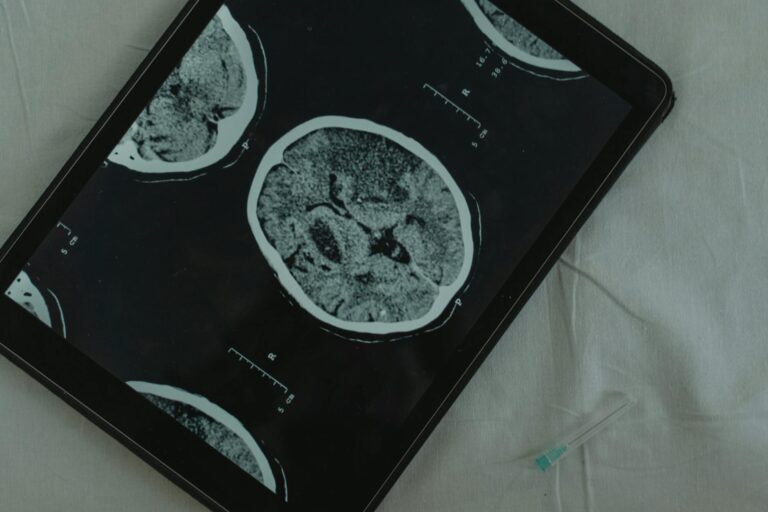
On top of physical effects on knees and circulation, prolonged sitting also impacts mental health negatively. The brain thrives on activity—not just physical but cognitive stimulation linked with movement patterns throughout daily life. Sitting too long can reduce oxygen flow to the brain due to sluggish circulation combined with less overall body activity which may lead to feelings of fatigue or “brain fog.” Lack of movement decreases production of mood-enhancing chemicals like endorphins while increasing stress hormones such as cortisol.
Moreover, a sedentary lifestyle often correlates with weight gain since calories burned are minimal during extended sitting sessions compared to standing or walking around regularly. Extra weight puts additional mechanical load on knee joints worsening joint pain while also contributing to systemic inflammation—a factor linked not only with joint degeneration but also depression and anxiety disorders.
The combination of weakened muscles supporting joints plus poor circulation creates a vicious cycle: stiff painful knees discourage exercise; less exercise worsens muscle weakness; this leads again to more joint problems—and mental sluggishness follows suit because inactivity dulls cognitive sharpness over time.
Breaking this cycle requires conscious effort:
– Standing up frequently during work hours—even short breaks every 30 minutes helps restore some blood flow.
– Incorporating gentle stretches targeting leg muscles prevents tightness around knees.
– Walking regularly strengthens muscles that protect joints.
– Engaging in light aerobic activities boosts mood by releasing neurotransmitters beneficial for mental clarity.
– Maintaining good posture while seated reduces unnecessary strain on lower limbs.
In essence, too much sitting harms both **knees** by weakening their muscular support system leading to increased joint stress and damage—and **the mind** by reducing circulation needed for optimal brain function along with lowering mood-regulating chemicals resulting in fatigue or decreased focus.
Understanding these connections highlights why it’s crucial not only for physical health but mental well-being as well—to keep moving throughout our day rather than remaining glued in one spot for hours at a time.