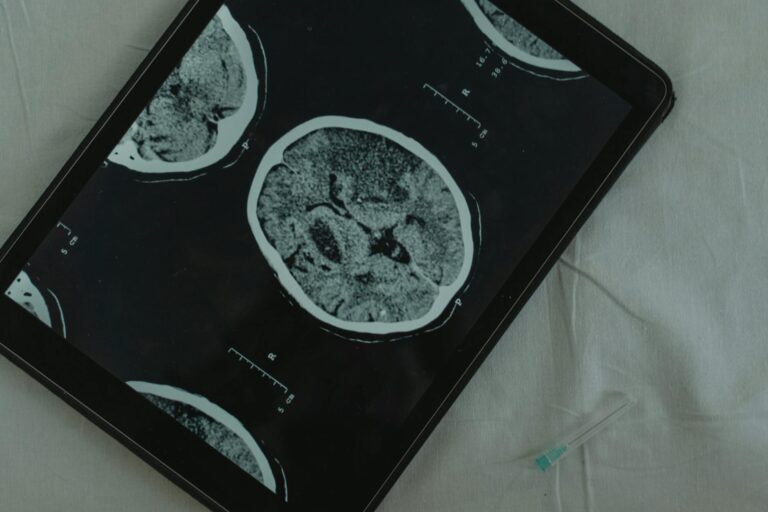
Some painters seem to retain their memories longer because the very act of painting engages and strengthens multiple cognitive processes that support memory retention. Painting is not just a creative outlet; it is a complex mental exercise that involves attention, visual-spatial skills, emotional expression, and memory recall. These combined mental activities help maintain and even enhance memory over time.
When painters create, they often draw upon a rich reservoir of personal experiences, emotions, and learned techniques. This constant retrieval and recombination of memories during the creative process reinforce neural pathways related to memory. The brain’s ability to consolidate and recall memories improves when it is regularly challenged to access and manipulate stored information, which painting naturally encourages.
Moreover, painting often involves a deep focus and mindfulness, which can reduce stress and anxiety. Lower stress levels are linked to better memory function because chronic stress can impair the brain’s ability to encode and retrieve memories. By immersing themselves in their art, painters may protect their cognitive health and memory longevity through this stress-relieving effect.
The sensory and motor engagement in painting also plays a role. Using hands to mix colors, apply brush strokes, and create textures stimulates the brain’s motor and sensory areas, which are connected to memory centers. This multisensory involvement helps keep the brain active and resilient.
In addition, painting can evoke strong emotional responses and memories. Emotions are powerful enhancers of memory because they activate the amygdala, a brain region that tags memories as important and helps store them more firmly. When painters express feelings through their work, they reinforce emotional memories, making them more vivid and longer-lasting.
For many painters, their art becomes a form of personal storytelling or memory preservation. They may paint scenes from their past, people they know, or symbolic representations of meaningful events. This narrative aspect of painting helps organize memories coherently, which aids in their retention and recall.
Some painters also engage in regular practice and learning, which further supports memory. Learning new techniques or experimenting with styles requires cognitive flexibility and memory updating, processes that keep the brain sharp. The ongoing challenge of mastering art skills stimulates neuroplasticity—the brain’s ability to form new connections—which is crucial for maintaining memory.
Finally, social and emotional benefits linked to painting can indirectly support memory. Sharing art with others, participating in art communities, or teaching painting can enhance social interaction and emotional well-being, both of which are known to protect cognitive function and memory in the long term.
In essence, painters keep their memories longer because painting is a holistic brain workout. It combines mental focus, emotional engagement, sensory-motor activity, and social interaction, all of which contribute to stronger, more resilient memory systems. This unique blend of cognitive and emotional stimulation helps painters maintain a vivid and lasting connection to their memories.