Some functional medicine doctors oppose statins because they believe these drugs treat a symptom — elevated LDL cholesterol — without addressing the root causes of cardiovascular disease, such as chronic inflammation, insulin resistance, and metabolic dysfunction. They also point to side effects like muscle pain, cognitive complaints, and potential links to increased diabetes risk as reasons to pursue diet, lifestyle, and supplement-based approaches instead. Cardiologists push back hard on this position because decades of randomized controlled trials consistently show that statins reduce heart attacks, strokes, and cardiovascular death, particularly in high-risk patients — and they argue that discouraging statin use can be genuinely dangerous.
This debate matters enormously for anyone concerned about brain health and dementia. Cardiovascular disease and dementia share overlapping risk factors, and how aggressively you manage cholesterol in midlife may influence cognitive outcomes decades later. A 58-year-old woman with a family history of both heart disease and Alzheimer’s, for instance, might get completely different advice depending on whether she sees a functional medicine practitioner or a mainstream cardiologist — and the stakes of that disagreement are not trivial. This article examines both sides of the statin debate, what the evidence actually says about statins and brain health, where each camp has legitimate points, and how to navigate conflicting medical advice when your cognitive future may hang in the balance.
Table of Contents
- Why Do Some Functional Medicine Doctors Reject Statins While Cardiologists Defend Them?
- What Side Effects Are Functional Medicine Doctors Actually Worried About?
- The Cholesterol-Brain Connection — Why This Debate Hits Different for Dementia Risk
- How to Evaluate Conflicting Advice From Different Types of Doctors
- When the Anti-Statin Position Becomes Genuinely Dangerous
- The Role of Inflammation — Where Both Sides Actually Agree
- Where the Statin-Brain Debate Goes From Here
- Conclusion
- Frequently Asked Questions
Why Do Some Functional Medicine Doctors Reject Statins While Cardiologists Defend Them?
The core philosophical divide comes down to how each camp defines the problem. Functional medicine practitioners tend to view elevated cholesterol as a downstream marker of metabolic dysfunction — the body producing more cholesterol in response to inflammation, poor diet, hormonal imbalances, or oxidative stress. From this perspective, prescribing a statin is like disconnecting a fire alarm rather than putting out the fire. Doctors like Mark Hyman and Chris Kresser have argued publicly that many patients prescribed statins would be better served by aggressive dietary changes, blood sugar management, and targeted supplementation with omega-3 fatty acids, berberine, or CoQ10. They often cite the relatively modest absolute risk reduction statins provide in primary prevention — meaning people who haven’t yet had a heart attack or stroke — where the number needed to treat can be high. Cardiologists counter that this framing dangerously misrepresents the evidence. Organizations like the American Heart Association and the American College of Cardiology point to meta-analyses encompassing hundreds of thousands of patients showing that for every 1 mmol/L reduction in LDL cholesterol, major cardiovascular events drop by roughly 22 percent.
For secondary prevention patients — those who have already had a cardiac event — statins are considered nearly non-negotiable. Cardiologist Steven Nissen of the Cleveland Clinic has been particularly vocal in arguing that the anti-statin movement has led to patients discontinuing medications and subsequently suffering preventable heart attacks. The comparison is stark: functional medicine sees a system to be rebalanced, while cardiology sees a proven drug being irresponsibly maligned. Where this gets complicated is that both sides can point to real patients who validate their position. The functional medicine doctor can show you the patient whose inflammatory markers normalized and whose cardiac risk plummeted after dietary overhaul — without a statin. The cardiologist can show you the patient who tried lifestyle changes alone, failed to reach target LDL levels, and had a heart attack at 52. Neither anecdote settles the argument, but they illustrate why the debate generates such heat.

What Side Effects Are Functional Medicine Doctors Actually Worried About?
The most commonly cited statin side effect is myalgia — muscle pain and weakness — which various studies estimate affects anywhere from 5 to 29 percent of users depending on how strictly you define it. Functional medicine practitioners argue this range is underreported in clinical trials, where patients with a history of muscle problems are often excluded from enrollment. They also raise concerns about statin-associated new-onset diabetes, which meta-analyses have confirmed occurs at a rate of roughly one additional diabetes case per 255 patients treated for four years. For a practitioner whose entire framework centers on metabolic health, a drug that nudges blood sugar in the wrong direction is philosophically troubling. The cognitive side effect question is particularly relevant for readers of a brain health site. Some statin users report brain fog, memory lapses, and difficulty concentrating. The FDA added a warning about cognitive effects to statin labels in 2012.
However — and this is where the nuance matters — large prospective studies and systematic reviews have generally not found that statins cause meaningful cognitive decline in most users. The Prospective Study of Pravastatin in the Elderly at Risk trial found no cognitive difference between statin and placebo groups over three years. Some researchers even hypothesize that by protecting vascular health, statins might reduce the risk of vascular dementia over the long term. If you are experiencing cognitive symptoms you attribute to a statin, that is worth reporting to your doctor, but the population-level data does not support abandoning statins out of fear of dementia. One legitimate concern functional medicine doctors raise is the depletion of coenzyme Q10, which statins reduce by inhibiting the same mevalonate pathway used in CoQ10 synthesis. CoQ10 plays a role in mitochondrial energy production, and its depletion may contribute to the muscle symptoms some patients experience. Many functional practitioners recommend CoQ10 supplementation alongside statins, a practice that some cardiologists have warmed to even if the trial evidence for it remains mixed.
The Cholesterol-Brain Connection — Why This Debate Hits Different for Dementia Risk
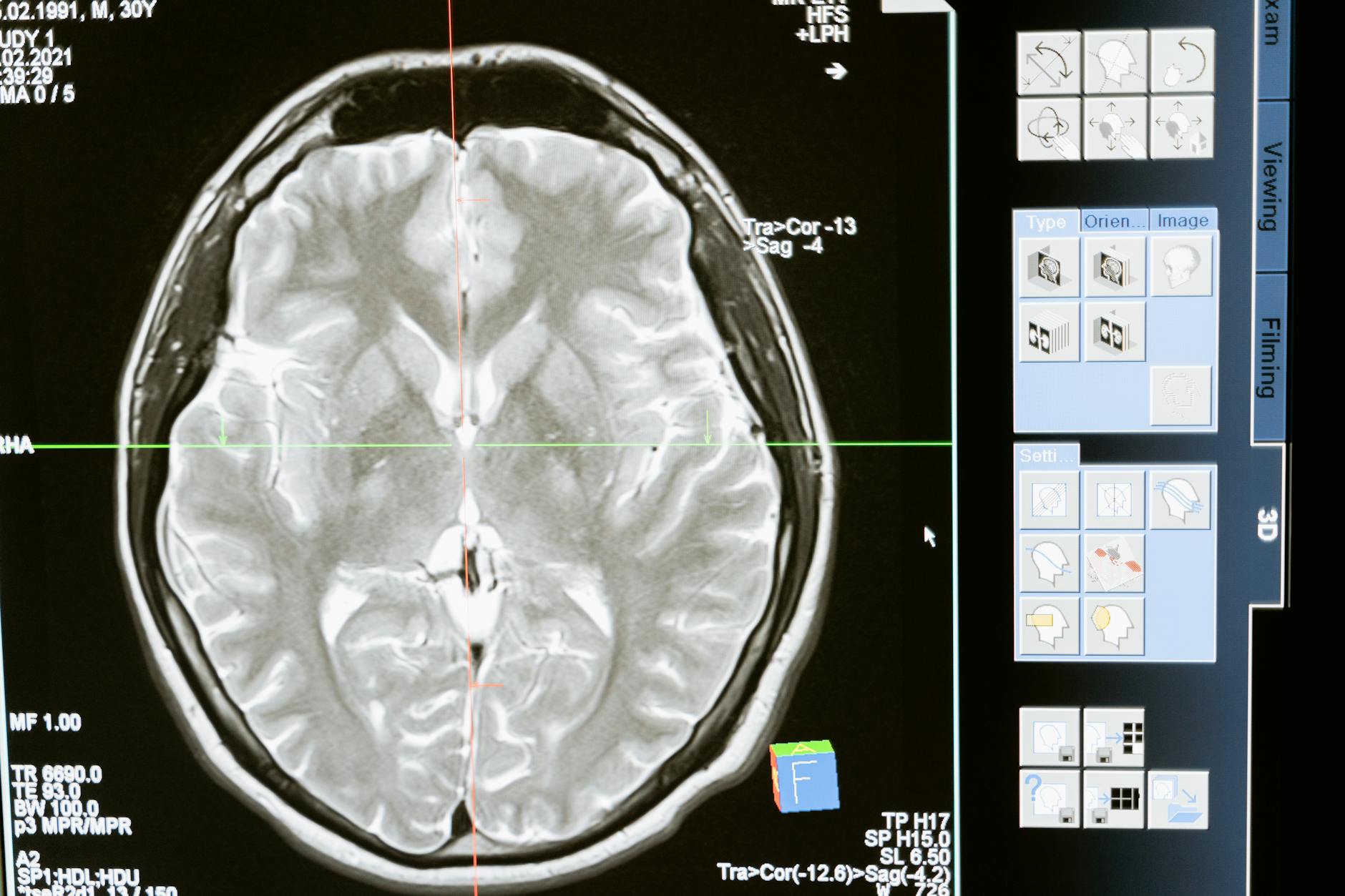
The brain is the most cholesterol-rich organ in the body, containing roughly 20 percent of the body’s total cholesterol despite accounting for only about 2 percent of body weight. Cholesterol in the brain is essential for synapse formation, myelin sheath integrity, and cell membrane function. This biological fact is part of why any discussion about cholesterol-lowering drugs takes on added weight in the context of cognitive health. However, a critical distinction that often gets lost in popular discussion is that brain cholesterol metabolism is largely independent of circulating blood cholesterol — the blood-brain barrier prevents most peripheral cholesterol from entering the central nervous system. Statins that are lipophilic, like atorvastatin and simvastatin, can cross the blood-brain barrier to some degree, while hydrophilic statins like rosuvastatin and pravastatin largely cannot. This distinction has led to a genuinely interesting research picture. A 2019 meta-analysis published in the Journal of Alzheimer’s Disease, pooling data from multiple observational studies, found that midlife statin use was associated with a modestly lower risk of developing dementia. The proposed mechanism is straightforward: by reducing atherosclerosis and improving cerebral blood flow, statins may protect against the vascular component of cognitive decline. Vascular dementia and mixed dementia, which includes vascular contributions to Alzheimer’s pathology, account for a substantial portion of dementia cases.
At the same time, some smaller studies have suggested that very low LDL levels might be associated with certain neurological risks, though this evidence is far from conclusive. For someone in their 40s or 50s weighing statin therapy, the honest answer is that the vascular protection likely outweighs cognitive risk for most people, but individual variation exists. A specific example illustrates the complexity. Consider a 55-year-old man with an LDL of 160, a family history of Alzheimer’s, elevated C-reactive protein indicating systemic inflammation, and early signs of insulin resistance. A functional medicine doctor might argue that addressing the inflammation and insulin resistance through dietary intervention, exercise, and targeted supplementation will simultaneously lower cardiovascular and dementia risk without the need for a statin. A cardiologist might counter that while lifestyle changes are excellent, this patient’s 10-year cardiovascular risk warrants pharmacological intervention now, and that the cerebrovascular protection from the statin is itself neuroprotective. Both are making internally consistent arguments. The question is which approach better manages total risk.
How to Evaluate Conflicting Advice From Different Types of Doctors
The first practical step is understanding what kind of evidence each recommendation is based on. Cardiologists prescribing statins for secondary prevention are standing on some of the most robust evidence in all of medicine — large randomized controlled trials like the 4S trial, WOSCOPS, and JUPITER that collectively enrolled tens of thousands of patients. When your cardiologist says you need a statin after a heart attack, that recommendation carries the weight of this evidence base. Primary prevention — prescribing statins to people who haven’t had a cardiac event — is where the evidence becomes more nuanced and where functional medicine critiques have more room to operate. The absolute risk reduction in primary prevention is smaller, which means the tradeoff between benefits and side effects shifts. The second step is honestly assessing your own risk profile rather than adopting a blanket pro-statin or anti-statin position. A coronary artery calcium score, which directly images plaque in heart arteries, can provide information that blood cholesterol numbers alone cannot.
A person with high LDL but a calcium score of zero has a very different risk profile than someone with the same LDL and a score of 300. Some functional medicine doctors and integrative cardiologists use the calcium score to help patients make more individualized decisions. Similarly, advanced lipid testing that measures LDL particle number and size, lipoprotein(a), and inflammatory markers like high-sensitivity CRP can refine risk assessment beyond a standard lipid panel. The tradeoff worth naming explicitly: aggressive lifestyle intervention without medication requires sustained effort and compliance that many patients do not maintain. A strict anti-inflammatory diet, regular high-intensity exercise, stress management, and quality sleep will absolutely improve cardiovascular and metabolic markers. But the drop-off rate is high. Statins, for all their controversy, have the advantage of working even when the patient is imperfect — which is most of the time. Functional medicine’s greatest weakness in this debate is not its science but its assumption that patients will consistently execute demanding lifestyle protocols.
When the Anti-Statin Position Becomes Genuinely Dangerous
The most concerning manifestation of anti-statin sentiment is when patients with established cardiovascular disease — a prior heart attack, documented coronary artery disease, or a recent stent placement — discontinue statins based on advice from a practitioner who opposes them categorically. A 2016 study published in JAMA Cardiology found that statin discontinuation after a heart attack was associated with a significantly increased risk of recurrent cardiovascular events. This is the scenario where cardiologists’ frustration with the anti-statin movement is most justified. Secondary prevention is not a gray area; the evidence for statins here is overwhelming, and a practitioner who discourages their use in this population is, by mainstream medical standards, providing substandard care. There is also a warning for patients with familial hypercholesterolemia, a genetic condition affecting roughly 1 in 250 people that produces dangerously high LDL levels from birth.
For these patients, diet and lifestyle modifications alone are physiologically incapable of normalizing cholesterol, and delaying pharmacological treatment accelerates atherosclerosis. Functional medicine practitioners who do not screen for or adequately account for familial hypercholesterolemia risk leaving these patients undertreated during the very years when arterial damage accumulates most aggressively. That said, the anti-statin position is not always dangerous, and painting it that way is intellectually dishonest. For a low-risk primary prevention patient with mildly elevated LDL, no family history of premature heart disease, no diabetes, normal inflammatory markers, and a willingness to aggressively pursue lifestyle modification, the decision to defer statin therapy and monitor closely is defensible. The American Heart Association’s own risk calculator identifies patients for whom the benefit-to-risk ratio of statins is marginal. The key distinction is between a practitioner who thoughtfully identifies these lower-risk patients and one who categorically opposes statins regardless of risk stratification.

The Role of Inflammation — Where Both Sides Actually Agree
One area of surprising convergence between functional medicine and mainstream cardiology is the importance of inflammation in driving cardiovascular disease. The CANTOS trial, published in 2017, demonstrated that reducing inflammation with a targeted antibody (canakinumab) lowered cardiovascular events independent of cholesterol reduction — a landmark finding that validated what functional medicine had long argued: that cholesterol is not the whole story.
Cardiologists now increasingly recognize that residual inflammatory risk persists even in patients whose LDL is well controlled on statins, and research into anti-inflammatory adjuncts is active. This overlap suggests a more productive framing than “statins versus no statins.” The real question for any individual patient is: what combination of interventions — pharmaceutical, dietary, and lifestyle-based — best manages your total cardiometabolic and neurocognitive risk? For many patients, that combination will include a statin alongside the metabolic optimization that functional medicine emphasizes. The either-or framing that dominates social media and popular health media serves neither patients nor science.
Where the Statin-Brain Debate Goes From Here
Research is increasingly moving toward precision medicine approaches that may eventually render the blanket statin debate obsolete. Genetic risk scores that incorporate cardiovascular and neurodegenerative risk simultaneously are in development, as are trials specifically designed to test whether statin therapy in midlife reduces dementia incidence — not just cardiovascular events. The STAREE trial in Australia, for instance, is studying the effects of statins in older adults without cardiovascular disease, with cognitive function as a key secondary endpoint.
Trials like these will provide much clearer answers than the observational data we currently rely on. In the meantime, the field is also watching newer lipid-lowering agents like PCSK9 inhibitors and bempedoic acid, which lower LDL through different mechanisms and may offer alternatives for patients who genuinely cannot tolerate statins. For dementia researchers, the broader question is whether maintaining optimal cerebrovascular health through any means — statins, lifestyle, or novel agents — represents one of the most actionable levers for reducing dementia risk at the population level. The evidence increasingly suggests it does, which means the functional medicine camp and the cardiology camp share more common ground than their public disagreements suggest.
Conclusion
The statin debate between functional medicine doctors and cardiologists is not a simple contest between right and wrong. Functional medicine raises valid points about the limitations of treating cholesterol numbers in isolation, the importance of addressing root metabolic dysfunction, and the reality that statin side effects are more common than some cardiology messaging acknowledges. Cardiologists are right that statins are among the most thoroughly studied drugs in history, that discouraging their use in high-risk patients costs lives, and that lifestyle changes alone are insufficient for many people. For brain health specifically, the best current evidence suggests that midlife cardiovascular risk management — whether achieved through medication, lifestyle, or both — is one of the few modifiable factors that may meaningfully influence dementia risk.
If you are navigating this decision, the practical path forward is to get a detailed risk assessment that goes beyond a basic cholesterol panel, have honest conversations with your doctors about both pharmaceutical and lifestyle approaches, and resist the urge to adopt an ideological position on a medical question that requires individualized analysis. If you are on a statin and experiencing cognitive symptoms, report them and discuss alternatives rather than stopping the medication unilaterally. If you are pursuing lifestyle changes as an alternative to statins, commit to regular monitoring to ensure your approach is actually working. The goal is not to win a philosophical argument — it is to protect both your heart and your brain with the best tools available.
Frequently Asked Questions
Do statins cause dementia or memory loss?
Large-scale studies have not found that statins cause dementia. The FDA added a label warning about reversible cognitive effects like brain fog in 2012, but systematic reviews show no increased dementia risk with statin use. Some research suggests statins may even be protective by improving cerebrovascular health. Individual reports of cognitive symptoms are real and worth discussing with a doctor, but population data does not support avoiding statins specifically to prevent cognitive decline.
Can diet and exercise replace statins for lowering cholesterol?
For some people, yes — particularly those with mildly elevated LDL, no existing cardiovascular disease, and no genetic conditions like familial hypercholesterolemia. Dietary changes such as reducing processed foods, increasing fiber, and adopting a Mediterranean-style eating pattern can meaningfully lower LDL. However, the magnitude of LDL reduction from diet alone typically ranges from 10 to 25 percent, whereas statins can reduce LDL by 30 to 55 percent. For higher-risk patients, lifestyle changes alone often cannot achieve the degree of risk reduction needed.
Should I take CoQ10 if I’m on a statin?
Many practitioners recommend it, and the reasoning is sound — statins inhibit the same biochemical pathway that produces CoQ10, and supplementation may help with muscle-related side effects. However, clinical trial evidence for CoQ10 reducing statin myalgia is mixed, with some studies showing benefit and others showing no significant difference from placebo. It is generally safe to take and unlikely to interfere with the statin’s cholesterol-lowering effect, so many doctors view it as a reasonable addition even without definitive proof.
What is a coronary artery calcium score and should I get one?
A coronary artery calcium score is a low-dose CT scan that directly measures calcified plaque in the coronary arteries. It provides a more direct assessment of atherosclerosis than cholesterol numbers alone. A score of zero in a middle-aged adult suggests very low near-term cardiac risk, while a high score indicates significant plaque burden regardless of cholesterol levels. It is particularly useful for people in the “borderline” risk category where the decision to start a statin is not straightforward.
Are there alternatives to statins for people who can’t tolerate them?
Yes. Ezetimibe reduces cholesterol absorption and is well tolerated. Bempedoic acid works on the same pathway as statins but acts in the liver rather than muscle tissue, which may avoid muscle side effects. PCSK9 inhibitors are injectable drugs that can dramatically lower LDL but are expensive. For people with genuine statin intolerance — not just preference — these alternatives, often in combination with lifestyle changes, can achieve meaningful LDL reduction.