Pregnancy triggers SI joint dysfunction primarily through two mechanisms: the hormone relaxin, which loosens ligaments throughout the body to prepare for childbirth, and the biomechanical shift caused by a growing belly that changes your center of gravity and spinal alignment. A woman at six months pregnant, for example, might notice sharp pain in her lower back when rolling over in bed or climbing stairs—this is often SI joint dysfunction, where the sacroiliac joint becomes unstable or misaligned because the ligaments that normally hold it steady have softened by up to 40% under relaxin’s influence. This article explores why pregnancy specifically destabilizes the SI joint, how the condition progresses through trimesters, practical management strategies that actually work, and when SI joint pain signals something that requires immediate medical attention.
The sacroiliac joint connects your lower spine to your pelvis—it’s not a joint built for mobility, but rather for stability and weight transfer. During pregnancy, your body is essentially dismantling the structural integrity of this critical junction. The combination of hormonal changes, increased joint laxity, and postural compensation creates a perfect storm for pain and dysfunction that can persist months or even years after delivery if not properly addressed.
Table of Contents
- How Does Pregnancy Physically Change the Sacroiliac Joint?
- Why Doesn’t Every Pregnant Woman Develop SI Joint Dysfunction?
- How Does SI Joint Dysfunction Evolve Throughout the Trimesters?
- What Are the Most Effective Management Strategies During Pregnancy?
- When Does SI Joint Pain Signal a Complication That Requires Medical Attention?
- What Happens to SI Joint Dysfunction After Pregnancy?
- How Should You Plan for SI Joint Health in Future Pregnancies?
- Conclusion
- Frequently Asked Questions
How Does Pregnancy Physically Change the Sacroiliac Joint?
The SI joint faces direct physical demands during pregnancy that it wasn’t evolutionarily designed to handle all at once. Relaxin levels increase gradually, peaking around the third trimester and remaining elevated during breastfeeding. This hormone doesn’t just affect the SI joint—it loosens collagen in ligaments throughout your body—but the SI joint pays the heaviest price because of where it sits and what it bears. Compare this to ankle ligaments, which also loosen during pregnancy but typically don’t cause as much pain because the ankle handles less compensatory load during ambulation.
At the same time, your center of gravity shifts forward by 2-4 inches as the baby grows. To maintain balance, your pelvis tips forward, your lower back arches more, and your SI joints are forced into a repeated stress pattern they weren’t experiencing before. A pregnant woman in her third trimester is essentially walking with a different mechanical blueprint—her hip flexors tighten, her glutes weaken from disuse, and her SI joints absorb the structural compromises. The result is that what would normally be a stable, barely-movable joint becomes hypermobile and irritated.

Why Doesn’t Every Pregnant Woman Develop SI Joint Dysfunction?
This is where the picture gets complicated. While relaxin and biomechanical stress affect all pregnant women, SI joint dysfunction develops in only 15-25% of pregnancies. The difference lies in several protective factors: pre-pregnancy core strength, baseline SI joint stability, pelvic anatomy (some people have inherently tighter SI joints), and the rate of weight gain. A woman with strong glute muscles before pregnancy maintains better pelvic stability even as ligaments loosen, while a sedentary woman with weak glutes loses critical support sooner. However, even fit women can develop SI dysfunction if their pregnancies proceed quickly or if they carry twins, because the mechanical load overwhelms muscular compensation regardless of baseline strength.
Another critical factor is prior SI joint issues. Women who had SI joint pain before pregnancy—whether from gymnastics, running, or previous injuries—face a much higher risk of reactivation. Their joints may have residual instability or scar tissue that makes them more vulnerable once relaxin starts its work. Additionally, the positioning of the SI joint matters: some people have articular surfaces that naturally glide more, while others have joints that lock more easily. This anatomical luck of the draw explains why two pregnant women with identical fitness levels and hormone profiles can have vastly different experiences.
How Does SI Joint Dysfunction Evolve Throughout the Trimesters?
most women experience SI joint dysfunction starting in the second trimester, when the weight of the baby becomes substantial and relaxin levels have risen enough to create real instability. By the third trimester, pain often peaks. A typical progression might look like this: at week 16, a woman notices mild clicking in her lower back when she changes positions; by week 24, she has sharp pain when lying on her side or standing on one leg; by week 30, she might struggle to walk or climb stairs. The escalation follows the growing load and progressive hormonal shifts.
However, many women experience significant relief immediately after delivery—sometimes within days—as the mechanical burden disappears. The relaxin takes longer to clear from the system (weeks to months during breastfeeding), but the postural strain vanishes instantly once the baby is born. Some women, though, find that their pain lingers or even worsens in the postpartum period because they’re now carrying, lifting, and feeding a baby while their ligaments are still compromised and their core muscles are depleted from pregnancy. This transition period (weeks 6-12 postpartum) is when many women make their SI dysfunction either better or worse through how aggressively they try to return to normal activity.

What Are the Most Effective Management Strategies During Pregnancy?
The gold standard for managing SI joint dysfunction during pregnancy is a properly fitted SI joint belt, which provides external compression and stabilization that substitutes for the loosened ligaments. A maternity-specific SI belt (not a generic back brace) is worn snugly around the hips and pelvis, supporting the joint during daily activities, sleep, and exercise. Compared to other interventions like physical therapy alone or rest, a good SI belt provides immediate relief for 60-70% of women, usually within a few hours of putting it on. The catch: the belt only works when you’re wearing it, and it doesn’t address the underlying weakness in your core and glutes.
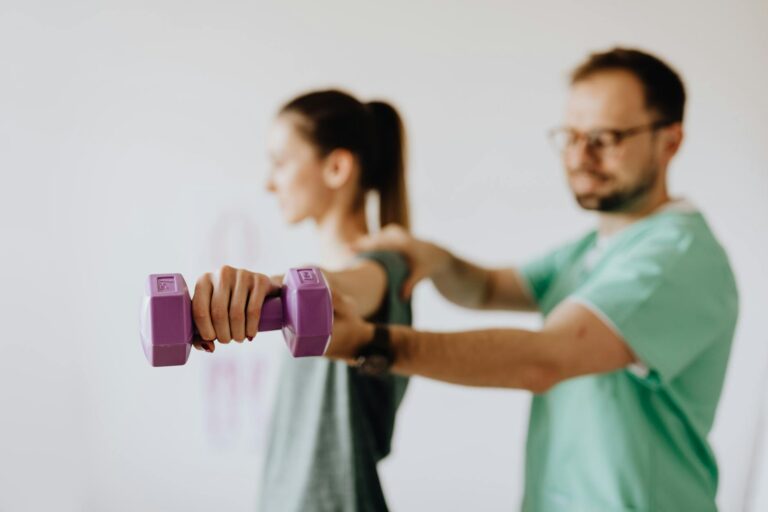
This is why combining the SI belt with targeted physical therapy creates the best outcomes. Specific exercises that strengthen the glutes and deep core—particularly clams, side-lying hip abduction, and modified planks—work with the belt to create active stabilization. A physical therapist experienced with prenatal SI dysfunction should guide the routine, because standard core exercises like crunches can actually worsen the problem by creating more spinal stress. Some women also benefit from modified positions during sleep: lying on the side with a pillow between the knees, or using a pregnancy pillow that supports the belly and takes pressure off the SI joints. The tradeoff is that these strategies require consistency and planning, but they’re safe and don’t involve medication or risky procedures.
When Does SI Joint Pain Signal a Complication That Requires Medical Attention?
While SI joint dysfunction is usually a manageable discomfort of pregnancy, certain warning signs indicate you need medical evaluation. Sudden, severe pain that limits your ability to walk or stand might indicate SI joint subluxation (partial dislocation) or a different condition like muscle strain or nerve compression. Pain that radiates down the leg in a single band or causes numbness and tingling suggests nerve involvement, which requires imaging and different treatment.
Swelling, warmth, or redness over the SI joint itself is uncommon and might indicate inflammation from something other than pregnancy-related laxity—an infection or other inflammatory condition. Another warning: if SI joint pain is accompanied by abdominal pain, contractions, or vaginal bleeding, the pain might not be SI joint dysfunction at all but rather a sign of preeclampsia, placental issues, or premature labor. This is why it’s important to communicate with your OB provider about the specifics of your pain, not just assume it’s a musculoskeletal issue. Additionally, severe SI joint dysfunction that prevents you from walking, sleeping, or performing basic self-care might benefit from interventions like SI joint injections (corticosteroid injections into the joint itself), which are generally safe during pregnancy when administered by a skilled provider, though many physicians avoid them unless pain is truly debilitating.

What Happens to SI Joint Dysfunction After Pregnancy?
Most women see significant improvement within 3-6 months postpartum, as relaxin levels normalize and mechanical stress vanishes. However, 5-10% of women experience persistent SI joint pain a year or more after delivery. This occurs when: the core and glute muscles weren’t rehabilitated postpartum, repetitive overhead lifting (holding the baby) reinjured the joint, or the original pregnancy caused permanent ligamentous laxity in a small percentage of people. A postpartum woman still dealing with SI pain at the 6-month mark should pursue more structured rehabilitation, as waiting for self-healing after this point rarely works.
Breastfeeding also plays a subtle role. The postural strain of nursing—hunching forward, supporting the baby’s weight on one side—can perpetuate SI joint irritation even as relaxin is declining. Women who maintain good sitting posture while nursing, use nursing pillows to support the baby rather than letting their arms do the work, and continue SI-stabilizing exercises postpartum have much better outcomes. If you’re still having significant pain at 6 months, imaging like X-ray or MRI is reasonable to rule out other issues, and referral to a physical therapist or sports medicine physician specializing in postpartum recovery should be the next step.
How Should You Plan for SI Joint Health in Future Pregnancies?
If you experienced SI joint dysfunction during your first pregnancy, the likelihood it will recur in subsequent pregnancies is 50-80%, depending on how thoroughly you addressed it postpartum. The best prevention is aggressive core and glute strengthening in the months before trying to conceive again. Unlike weight loss or flexibility work, which can be undone, muscular strength built before pregnancy provides a protective buffer that persists even as relaxin rises.
Women who completed intensive glute-strengthening programs 3-6 months preconception and maintained reasonable fitness during early pregnancy often avoided dysfunction in their second pregnancy entirely. Another forward-looking consideration: knowing your baseline SI joint stability before pregnancy is valuable. If you’ve had prior SI joint issues or unexplained lower back pain, discussing this with your OB before conception allows for earlier intervention strategies—perhaps starting an SI belt earlier in pregnancy, getting physical therapy as a preventive measure, or being more cautious with high-impact activities in the first trimester. The physical therapy investment preconception and the early vigilance during pregnancy are measurably more effective than waiting until pain forces action at six months pregnant.
Conclusion
Pregnancy triggers SI joint dysfunction through a combination of hormonal loosening (relaxin) and biomechanical stress that destabilizes the sacroiliac joint, which wasn’t designed to handle such simultaneous demands. While the condition affects a minority of pregnant women, its impact can be severe, limiting mobility, sleep, and quality of life during a time when the body is already under stress. The good news is that SI joint dysfunction during pregnancy is highly manageable through SI joint belts, targeted physical therapy, and postural strategies, and most women recover fully after delivery.
The key to preventing long-term problems is addressing the dysfunction early—not waiting until the third trimester to start seeking help—and continuing rehabilitation postpartum rather than assuming pain will disappear on its own. If you’re experiencing SI joint pain during pregnancy, starting an SI belt and scheduling physical therapy immediately is far more effective than waiting or trying to push through the pain. For future pregnancies, preconception strengthening and early intervention create a dramatically different experience, preventing many cases of dysfunction before hormones even begin their work.
Frequently Asked Questions
Can I wear an SI joint belt throughout pregnancy?
Yes, and you should if you have symptoms. Most women wear them from early second trimester through delivery and several months postpartum. There’s no evidence that wearing an SI belt restricts fetal growth or causes harm, but choose a maternity-specific belt designed to expand with your belly rather than a rigid sports back brace.
Is SI joint pain dangerous for the baby?
No. SI joint dysfunction is a musculoskeletal issue that affects only the mother’s pain level and mobility. It does not indicate problems with the fetus or placenta, and managing the pain (through belts, physical therapy, or movement modifications) does not harm fetal development.
Will my SI joint dysfunction go away on its own after I have the baby?
Most cases improve significantly within 3-6 months postpartum as relaxin levels drop and mechanical stress ends. However, 5-10% of women have persistent pain beyond this window, usually because core muscles weren’t rehabilitated or the joint suffered repetitive reinjury postpartum. If pain persists at 6 months, seek physical therapy rather than waiting longer.
Can I exercise with SI joint dysfunction during pregnancy?
Yes, but selectively. Avoid high-impact activities (running, jumping) and heavy lifting. Walking, swimming, stationary cycling, and prenatal yoga are generally safe. More importantly, do SI-specific strengthening exercises targeting the glutes and deep core, which provide active stability to compensate for loose ligaments.
Should I get an X-ray or MRI to confirm SI joint dysfunction?
Imaging is rarely necessary during pregnancy to diagnose SI joint dysfunction. Clinical assessment (pain pattern, positive SI joint tests) is usually sufficient. Imaging is useful if your pain doesn’t match a typical SI dysfunction pattern or if other diagnoses are suspected, but it requires lead aprons and carries unnecessary radiation exposure during pregnancy.
Will SI joint dysfunction affect my ability to deliver vaginally?
SI joint dysfunction does not prevent vaginal delivery in most cases. However, severe dysfunction with severe pain might influence your pain management choices during labor (epidural use, for example). Discuss your specific situation with your OB provider, as they can advise on positioning and support during labor that minimizes SI joint stress.