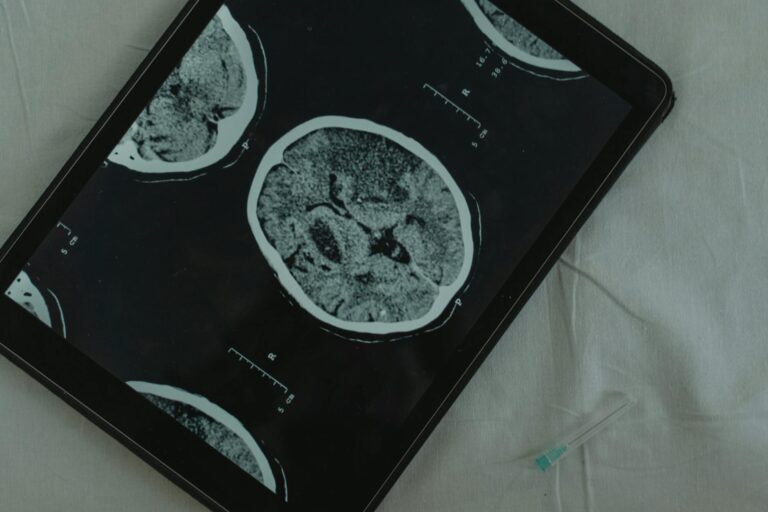
Poor knee health can lead to less brain stimulation because the knee joint is not only crucial for physical mobility but also plays a significant role in sensory feedback and neural communication with the brain. When the knee is unhealthy—due to conditions like osteoarthritis, injury, or chronic pain—the normal flow of sensory information from the joint to the brain becomes disrupted. This disruption can reduce stimulation of certain brain regions responsible for processing movement, balance, and pain control.
The knee contains many sensory receptors that send signals about position, pressure, and movement back to the central nervous system. These signals help maintain coordination and motor control by informing the brain about how the body is moving in space. When poor knee health impairs these receptors—through inflammation, cartilage damage, or nerve irritation—the quality and quantity of this feedback diminish. As a result, areas of the brain involved in motor planning (such as parts of the frontal cortex) receive less input and become less active over time.
Moreover, chronic knee pain often leads to altered gait patterns or reduced physical activity levels. This reduction in movement means fewer opportunities for natural exercise-induced stimulation of neural circuits related to motor function and cognition. Exercise normally promotes neuroplasticity—the ability of neurons to form new connections—and enhances blood flow that nourishes brain tissue. Without regular use due to painful knees limiting mobility, these beneficial effects on brain function decline.
In addition to bottom-up effects from impaired sensory input at the joint level affecting higher centers in a “bottom-up” manner (from body part toward brain), there are also “top-down” influences where changes occur within cortical areas controlling movement due to persistent pain or disuse caused by poor knee health. For example, studies have shown that therapies targeting both peripheral nerves around an affected joint (like transcutaneous electrical nerve stimulation) combined with direct modulation of motor cortex activity via techniques such as transcranial direct current stimulation can improve symptoms by restoring more normal communication between joints and their corresponding cortical representations.
Pain itself has complex effects on cognition; chronic pain associated with poor knees may increase stress hormones which impair memory formation and executive functions mediated by prefrontal regions while simultaneously altering how sensory information is processed centrally.
Furthermore, research indicates that long-term exercise helps restore connectivity within motor-related circuits deep inside the brain—areas often compromised in neurological diseases—but if poor knee health limits exercise capacity over time this restorative effect diminishes significantly.
In summary:
– The **knee’s sensory receptors** provide essential feedback for **brain regions controlling movement**.
– Poor knee condition disrupts this feedback loop causing **reduced activation** in those areas.
– Chronic pain leads to **less physical activity**, decreasing beneficial exercise-driven neuroplasticity.
– Altered gait patterns further change how sensorimotor information reaches higher centers.
– Combined peripheral nerve dysfunction plus central cortical changes create a cycle worsening both joint symptoms and cognitive-motor integration.
– Interventions targeting both peripheral nerves around knees *and* relevant cortical areas show promise because they address this two-way interaction between body and mind.
Thus maintaining good knee health supports ongoing neural stimulation critical not only for smooth physical movements but also for preserving cognitive functions linked closely with sensorimotor integration pathways throughout life.