Reviewed by the Help Dementia Editorial Team — our editors review every article for accuracy against guidance from the National Institute on Aging, the Alzheimer’s Association, and peer-reviewed sources.
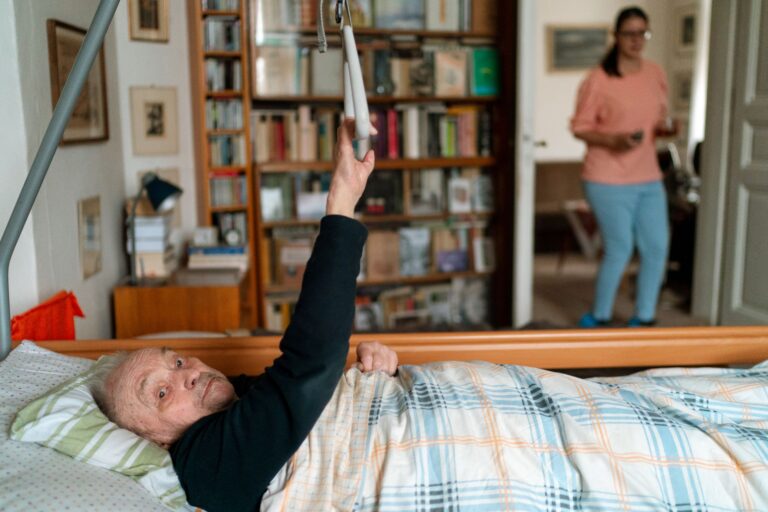
People with cognitive decline fear being alone because their diminishing mental abilities make isolation feel dangerous and emotionally threatening. When memory falters, judgment becomes uncertain, and the ability to handle emergencies slips, the prospect of being by yourself becomes genuinely frightening—not just an inconvenience, but a real threat to your safety and sense of control. This fear is deeply rooted in biology and psychology: research confirms that loneliness accelerates cognitive decline, while living alone increases the rate of mental deterioration, creating a cycle where isolation both reflects and deepens the problem.
The fear of being alone is particularly intense because it intersects with another profound concern. Among older adults, 71% identified “staying mentally sharp” as their top health priority, while 56% worried about “staying in one’s own home.” For someone experiencing cognitive decline, these two anxieties collide: as your mind becomes less reliable, you fear both the loss of independence and the forced relocations that might accompany visible decline. The solitude amplifies everything—the confusion, the vulnerability, the worry about what might happen if you fall, forget to take medication, or can’t remember how to handle an emergency.
Table of Contents
- How Does Loneliness Actually Worsen Cognitive Decline?
- The Depression-Isolation-Decline Spiral
- Fear of Loss of Home and Independence
- The Role of Social Support in Managing Fear and Risk
- Health Consequences Beyond Fear
- How Cognitive Decline Changes What “Being Alone” Means
- Building Connection as Cognitive Decline Progresses
- Conclusion
How Loneliness and Fear of Being Alone Worsen Cognitive Decline
Loneliness isn’t just an emotional state—it’s a measurable risk factor that accelerates the very condition people fear. Research spanning five years across diverse demographic groups found that loneliness was directly associated with greater global cognitive decline. The connection isn’t coincidental; social isolation changes how the brain functions. When you’re alone, there’s no conversation to exercise memory, no one to help organize your thoughts, and no external structure to anchor your day.
Your mind, deprived of stimulation and social engagement, deteriorates faster than it would with regular human contact. Living alone creates an even sharper acceleration of decline compared to living with others or in communities. The effect is particularly pronounced in older men, who may be less likely to maintain active social networks and more isolated in their daily routines. One person living alone with early memory problems might experience noticeable decline over a year that someone with the same condition would take two or three years to show if they had roommates, family members, or regular caregiving contact. This isn’t about having someone watching you; it’s about the cognitive and emotional stimulation that comes with daily human interaction.

The Depression-Isolation-Decline Spiral
There’s another layer to this fear that research has documented: depression follows loneliness, and depression accelerates cognitive decline further. older adults living alone show gradually increasing depression levels over time, and this depression is directly linked to worsening cognitive function. Someone with early memory loss living alone isn’t just isolated; they’re likely becoming depressed, and that depression makes their cognitive problems worse than they would be from the memory loss alone.
Higher initial depression levels predict both lower cognitive function at the start and faster cognitive decline afterward. This creates a trap: cognitive decline makes isolation more likely (you might stop leaving your home because you fear getting lost), isolation increases depression, and depression worsens cognition. The fear of being alone becomes self-fulfilling—your anxiety about solitude drives you to avoid interactions, which deepens the very decline you’re afraid of. It’s worth recognizing this pattern, because breaking the cycle requires intervention before the downward spiral becomes too steep to reverse.
Fear of Loss of Home and Independence
One specific fear that drives much of this anxiety is the fear of forced relocation. Older adults with cognitive decline living alone often minimize their difficulties because they’re terrified that showing they need help will result in their families or authorities moving them from their homes. A person with early dementia might struggle to manage medications or cooking safely but say everything is fine, because admitting the struggle feels like announcing they need to move into assisted living or a facility. This fear of forced relocation compounds the isolation.
Someone who’s afraid to ask for help is, by definition, more likely to be alone. They won’t invite family to visit because a visitor might notice the dirty dishes and unopened mail. They won’t accept help with housework or meals because accepting help feels like admitting they can’t manage. And staying alone, as we know from research, accelerates the cognitive decline that sparked the fear in the first place. The person caught in this trap ends up exactly where they were most afraid of being—alone and struggling—but without the support network that might have slowed their decline.

The Role of Social Support in Managing Fear and Risk
Social support acts as a buffer against many of the harms of cognitive decline, but its presence or absence matters profoundly. Research on fear of falling—a common and serious concern among people with cognitive impairment—found that the association between cognitive decline and fear of falling remained strong among those with low to moderate social support. But among people with robust social networks and perceived strong support, the fear was significantly reduced.
In other words, the same amount of cognitive impairment feels far less threatening when someone has reliable people around them. The comparison is stark: a person with mild cognitive impairment and a close family member checking in daily might feel confident enough to stay active and engaged, while someone with the identical level of decline but living completely alone experiences high anxiety and withdrawal. This isn’t because the two people have different conditions; it’s because having someone you trust to catch you if you fall—literally and figuratively—changes how vulnerable you feel. The practical takeaway is that isolation isn’t just a risk factor; it’s often the difference between manageable cognitive decline and the kind of decline that spirals into severe functional loss.
Health Consequences Beyond Fear
The fear of being alone with cognitive decline isn’t unfounded—it’s grounded in real health consequences. Social isolation and loneliness in older people are documented risk factors for cognitive decline, Alzheimer’s disease, and depression. These aren’t separate problems; they’re connected. Loneliness itself causes measurable changes in cognitive function.
Over time, the combination of isolation and the cognitive decline it accelerates creates compounding damage to the brain. A limitation of understanding this as “just emotional” is that the physical health impacts are as real as any other medical condition. Someone who is afraid to be alone and becomes increasingly isolated isn’t being overly cautious—they’re responding to a genuine health threat. The challenge is that the fear itself can drive the behaviors that create that threat. This is why recognizing these patterns early matters so much; the longer someone stays isolated, the more cognitive damage has accumulated, and the harder it becomes to reverse the isolation.

How Cognitive Decline Changes What “Being Alone” Means
For younger people without cognitive problems, being alone might mean peaceful solitude or independence. For someone with cognitive decline, being alone means something fundamentally different. You might forget why you went to the store. You might start cooking and leave the stove on. You might fall and not remember how to call for help.
You might become confused about what day it is and miss important appointments. Being alone, in these circumstances, isn’t about loneliness in the traditional sense—it’s about physical danger and the terror of confusion. This shift in what solitude means contributes to the intensity of the fear. A person experiencing cognitive decline isn’t afraid of loneliness in the way someone might be afraid of an empty Sunday evening; they’re afraid of the vulnerability itself. They’re afraid of what their mind might do when no one else is there to catch the mistakes or fill in the gaps.
Building Connection as Cognitive Decline Progresses
The future outlook for someone with cognitive decline doesn’t have to be increasingly isolated. Early recognition of the fear, combined with practical interventions—whether that’s regular family check-ins, community programs, or professional care—can interrupt the isolation-decline spiral.
Some research suggests that even modest increases in social contact can slow cognitive decline, while structured group activities provide cognitive stimulation alongside emotional support. What’s becoming clearer from recent research is that the question isn’t really “Is my loved one better off alone?” but rather “What kind of presence and support will keep them safest and most engaged?” The answer usually involves some combination of family involvement, peer connection, and professional support—not because older adults need to be monitored, but because human connection is as essential to maintaining cognitive health as physical exercise or a healthy diet.
Conclusion
People with cognitive decline fear being alone because solitude accelerates the very mental loss they dread, while isolation also drives depression and eliminates the social stimulation that keeps cognition sharp. This fear is grounded in real research showing that loneliness is associated with greater cognitive decline, that living alone leads to faster deterioration, and that the combination of cognitive impairment and social isolation creates a health crisis. But recognizing this pattern also points toward solutions.
If you or someone you care for is experiencing cognitive decline, the first step is understanding that fear of isolation isn’t a psychological weakness—it’s a rational response to a real threat. The second step is acting on it: reaching out to family, joining community groups, accepting help early rather than waiting until crisis forces the issue, and building a social safety net before it’s desperately needed. The research is clear that connection doesn’t just make life feel better; it actively preserves the cognitive function that everyone is trying to protect.
You Might Also Like
- Why Moving Can Be Hard for People With Cognitive Decline
- How Chair Yoga Supports Cognitive Decline
- Why Group Fitness May Help Brain and Social Health
Related reading
- can Anemia Affect Cognitive Function
- why Lab Work Matters in Memory Evaluations
- how Chronic Disease Management Supports Brain Health
- what Medical Conditions Should Be Checked With Memory Loss
- can Medication Burden Increase Dementia-Like Symptoms
For more on this topic, see NIH MedlinePlus — cognitive testing.