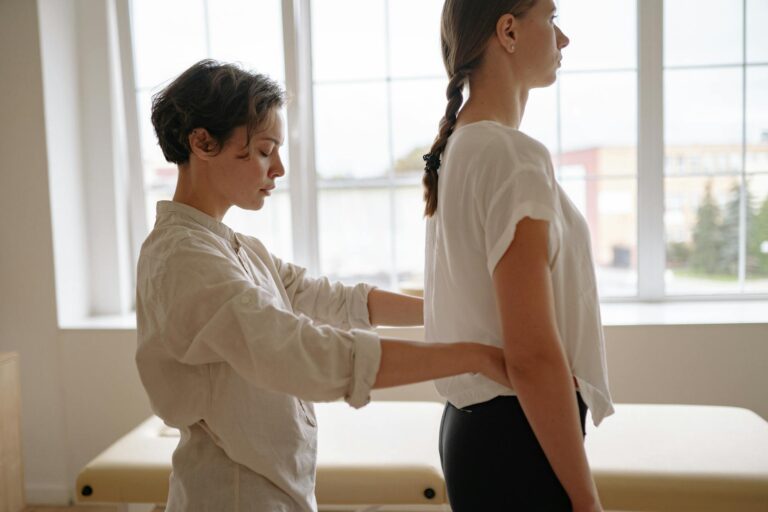
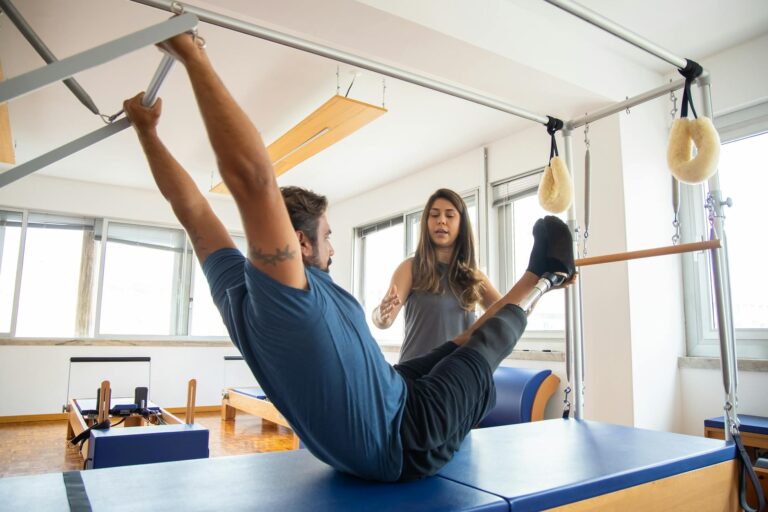
Poor pelvic alignment is one of the most overlooked contributors to chronic back pain, affecting how your spine distributes weight and pressure throughout the day. When your pelvis tilts forward or backward excessively, it forces your lower back to compensate by curving abnormally, which tightens muscles, strains ligaments, and eventually leads to pain that can persist for years. A simple example: someone who sits at a desk with their pelvis tilted backward (posterior tilt) may feel sharp pain in the lower back by afternoon because their lumbar spine is forced into a rounded position that it’s not designed to maintain. This article explores how pelvic alignment directly impacts spinal health, what causes misalignment, and practical strategies to restore neutral pelvis position and reduce back pain.
Table of Contents
- How Does Pelvic Position Directly Affect Your Spine?
- What Causes Pelvic Misalignment in Daily Life?
- The Connection Between Pelvic Alignment and Hip Function
- How to Assess and Correct Your Pelvic Alignment
- Why Sitting Posture Is Not Enough
- The Role of Core Strength in Maintaining Pelvic Alignment
- Pelvic Alignment and Long-Term Spinal Health Outlook
- Conclusion
- Frequently Asked Questions
How Does Pelvic Position Directly Affect Your Spine?
The pelvis acts as the foundation for your entire spine, much like the foundation of a house determines whether walls stand straight or crack. When your pelvis is neutral—tilted neither too far forward nor too far back—your lumbar spine (lower back) sits in its natural curve, and the joints, discs, and muscles work efficiently with minimal strain. However, when the pelvis tilts anteriorly (forward), it exaggerates the inward curve of your lower back, compressing the front of your discs and stressing the facet joints.
Conversely, posterior pelvic tilt flattens that natural curve, shifting load away from the discs and onto the posterior ligaments and muscles, which can cause a different type of chronic pain. Research shows that people with anterior pelvic tilt (the most common misalignment) experience higher rates of lower back pain because the tight hip flexors and weak abdominal muscles that cause the tilt create a muscular imbalance that cannot be corrected by stretching alone. Someone sitting with anterior pelvic tilt might feel pain that radiates down the buttock, a sign that tight hip flexors are pulling on the sacroiliac joint and creating instability in that critical connection between the pelvis and spine.

What Causes Pelvic Misalignment in Daily Life?
Modern life actively promotes pelvic misalignment because most daily activities—sitting at desks, driving, using smartphones—require forward-rounded positions that shorten hip flexors and weaken the deep core muscles that stabilize the pelvis. People who sit for more than six hours per day almost always develop anterior pelvic tilt, even if they exercise regularly, because the time spent in the rounded position simply outweighs the corrective effects of a one-hour workout.
However, if someone has underlying structural issues such as arthritis in the hip or a leg length difference, pelvic alignment problems may persist even after addressing posture and strength, which is why professional assessment matters. Additionally, pregnancy, weight gain around the abdomen, and high-heeled shoe use all shift weight forward, forcing the pelvis to tilt anteriorly to maintain balance. Athletes—particularly runners and cyclists—frequently develop posterior pelvic tilt from overuse of the hip extensors and glutes without adequate strengthening of the hip flexors, leading to a different set of back problems characterized by upper lumbar pain rather than lower back pain.
The Connection Between Pelvic Alignment and Hip Function
The relationship between pelvic alignment and hip mobility is bidirectional: poor hip flexibility causes pelvic tilt, and poor pelvic alignment causes hip dysfunction. When the hip flexors (iliopsoas, rectus femoris) are tight from sitting, they pull the pelvis forward, and this anterior tilt then limits the ability of the gluteus maximus to fire efficiently during standing and walking. A person with this pattern may struggle to feel their glutes working during exercises, a sign that the pelvic position is preventing proper neuromuscular activation.
Over time, weak glutes and tight hip flexors reinforce the misalignment in a vicious cycle that exercise alone cannot break without first addressing posture and alignment. For example, someone attempting to do deadlifts or squats with anterior pelvic tilt will compensate by arching their lower back more, which increases injury risk and prevents the movement from targeting the intended muscle groups. The same person correcting their pelvic tilt first will immediately feel the difference in how easily they can perform the movement and how much more the glutes activate.
How to Assess and Correct Your Pelvic Alignment
Assessing pelvic alignment at home requires standing sideways to a mirror and observing whether your pelvis appears tilted forward (anterior tilt, where the front of the pelvis is lower than the back) or tilted backward (posterior tilt). A simple test is to place one hand on your lower abdomen and one on your lower back; if your hand on the abdomen sticks out farther than your hand on your back, you likely have anterior pelvic tilt. However, professional assessment by a physical therapist using palpation and movement testing provides a more accurate diagnosis, particularly if you also have pain or limited mobility.
Correcting anterior pelvic tilt (the most common form) requires both stretching and strengthening: stretching the hip flexors, quadriceps, and lower back muscles, while simultaneously strengthening the deep core (transverse abdominis), glutes, and hamstrings. A common mistake is only stretching, which provides temporary relief but does not address the strength imbalance that maintains the misalignment. The most effective approach combines daily stretching (especially of the psoas and rectus femoris) with targeted strengthening three to four times per week, though results typically take four to eight weeks to become apparent.
Why Sitting Posture Is Not Enough
Many people assume that “sitting up straight” will correct pelvic misalignment, but research shows that static upright posture is actually less effective than movement and breaks in sitting. The reason is that muscles fatigue when held in a single position, and the postural muscles that support neutral pelvis alignment cannot remain engaged for eight hours at a desk.
Instead, the most effective strategy is to change positions frequently—alternating between sitting upright, reclined slightly, and standing—and to take movement breaks every 30 to 45 minutes that involve hip and spinal mobility. A warning: if you force yourself into exaggerated “good posture” while sitting, you risk overactivating lower back muscles, which can paradoxically increase pain, especially if your core muscles are weak. The goal is neutral alignment, not military straightness, and this is achieved more consistently through strengthening and movement variety than through conscious postural control.

The Role of Core Strength in Maintaining Pelvic Alignment
The deep core muscles—particularly the transverse abdominis, multifidus, and pelvic floor—act as a muscular corset that stabilizes the pelvis and prevents the excessive tilting that causes back pain. Unlike the rectus abdominis (the “six-pack” muscle), these deep stabilizers cannot be strengthened through crunches or sit-ups; they require isolation exercises such as dead bugs, bird dogs, and planks with proper activation. A person with strong rectus abdominis but weak deep core muscles often has poor pelvic stability and continued back pain despite appearing fit.
Training the deep core involves low-resistance, high-awareness exercises performed with proper breathing and muscle activation patterns. For example, a dead bug exercise should involve drawing the belly button toward the spine while moving one arm and opposite leg, creating tension in the deep abdominal muscles without recruiting the hip flexors. When done correctly, these exercises feel subtle but create profound improvements in spinal stability and pain reduction over time.
Pelvic Alignment and Long-Term Spinal Health Outlook
Maintaining neutral pelvic alignment throughout your life is one of the most effective preventative measures for degenerative disc disease, stenosis, and chronic back pain in older age. People who address pelvic misalignment in their 30s and 40s experience significantly lower rates of back pain in their 60s and 70s, a benefit that extends far beyond pain relief and includes better mobility, independence, and quality of life.
As the population ages, maintaining pelvic stability becomes increasingly important because the muscles that support alignment naturally weaken with age, requiring proactive strengthening to offset this decline. Future approaches to pelvic alignment likely include wearable sensors and biofeedback devices that provide real-time alignment correction, making it easier for people to maintain neutral pelvis position without conscious effort. However, the fundamental principle remains unchanged: proper alignment requires both flexibility and strength, and achieving this balance requires consistent attention to both movement quality and daily posture habits.
Conclusion
Pelvic alignment is foundational to back health, affecting how your spine distributes load, how your muscles function, and whether you experience chronic pain or move freely throughout your life. Poor alignment is not inevitable—it is the result of predictable patterns (prolonged sitting, weak core, tight hip flexors) that can be corrected through targeted assessment and a combination of stretching, strengthening, and movement practice.
The most important first step is recognizing your current alignment and committing to a consistent program of correction, as most people see meaningful improvement within four to eight weeks of focused work. If you experience persistent back pain despite attempts to improve posture, professional evaluation by a physical therapist is essential to identify whether pelvic misalignment is the root cause or whether other factors (such as structural issues, previous injury, or muscle imbalances elsewhere in the body) are contributing. The investment in pelvic alignment now pays dividends in pain reduction, improved movement quality, and better long-term spinal health.
Frequently Asked Questions
How long does it take to correct pelvic misalignment?
Most people notice improvement in pain and posture awareness within two to three weeks, with significant changes in alignment typically apparent after four to eight weeks of consistent stretching and strengthening. Full correction and automatic maintenance of neutral alignment may take three to six months.
Can pelvic misalignment affect other parts of the body beyond the back?
Yes. Poor pelvic alignment creates compensatory patterns in the knees, ankles, and shoulders because the entire kinetic chain must adapt to the shifted foundation. People with anterior pelvic tilt often develop knee pain or hip pain as the body tries to stabilize an unstable pelvis.
Is pelvic misalignment the same as pelvic floor dysfunction?
No. Pelvic alignment refers to the tilt and position of the bone structure, while pelvic floor dysfunction refers to weakness or tension in the muscles that support the pelvic organs. However, the two often occur together because poor alignment prevents proper activation of pelvic floor muscles.
Can strengthening my core alone fix pelvic misalignment?
No. While core strengthening is essential, it must be paired with stretching of tight hip flexors and lower back muscles. Strengthening alone without addressing flexibility will not correct misalignment because the tight muscles will continue to pull the pelvis into the tilted position.
Do I need special equipment to correct pelvic alignment, or can I do it at home?
You can correct pelvic misalignment with basic exercises that require no equipment—dead bugs, bird dogs, glute bridges, hip flexor stretches—and a mirror or smartphone video to monitor your alignment. Physical therapy tools like foam rollers and lacrosse balls can enhance the program, but they are not necessary for significant improvement.
If I have anterior pelvic tilt, will it eventually cause disc herniation?
Anterior pelvic tilt increases stress on the front of the discs and can accelerate disc degeneration, but it does not inevitably cause herniation. The combination of poor alignment plus high-impact activities or heavy lifting without proper core stability significantly increases herniation risk. Correcting alignment now reduces future risk substantially.