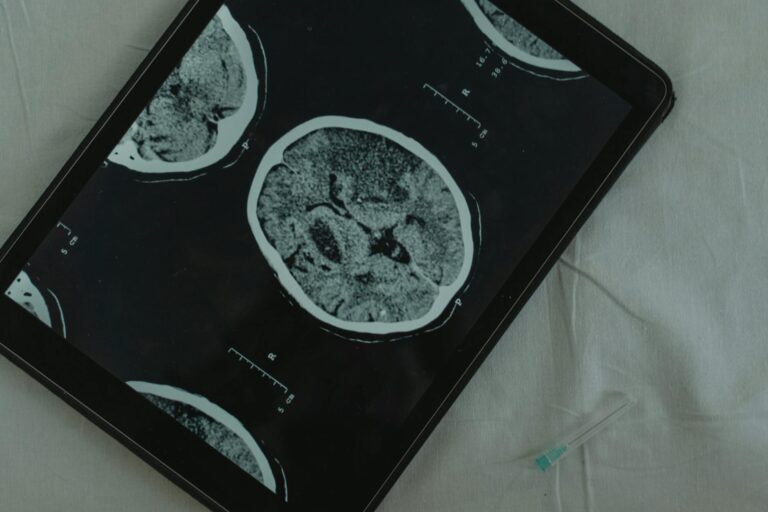
Overusing your knees can have far-reaching effects beyond just joint pain or mobility issues; it may also impact your brain health later in life. The connection between knee overuse and brain health is complex and involves several biological and neurological pathways that link chronic joint stress, inflammation, and pain to changes in brain function and structure.
Your knees are among the most heavily used joints in your body, bearing significant loads during everyday activities like walking, climbing stairs, or standing. When you overuse your knees—through repetitive high-impact activities, improper movement patterns, or insufficient recovery—you risk developing chronic knee problems such as osteoarthritis, cartilage damage, and persistent pain. These conditions do not just stay localized in the joint; they can trigger systemic effects that influence your brain.
One key mechanism is chronic pain. Persistent knee pain can alter how your brain processes sensory information and emotions. Pain signals from the knee travel to the brain, where they can cause changes in neural circuits, particularly in areas responsible for mood regulation, cognition, and pain perception. Over time, this can lead to heightened anxiety, depression, and cognitive decline. The brain’s plasticity—the ability to adapt structurally and functionally—can be negatively affected by ongoing pain, leading to maladaptive changes that impair mental health.
Inflammation is another critical link. Overuse injuries in the knee often cause local inflammation, which can become chronic if the joint is repeatedly stressed without adequate healing. This chronic inflammation can release pro-inflammatory molecules into the bloodstream, which may cross the blood-brain barrier and promote neuroinflammation. Neuroinflammation is associated with a range of brain disorders, including Alzheimer’s disease, depression, and other neurodegenerative conditions. Thus, the inflammatory processes initiated in the knee can indirectly contribute to brain health deterioration.
Moreover, knee problems often reduce physical activity levels because pain and joint dysfunction limit mobility. Reduced movement is detrimental to brain health since regular physical activity is known to support cognitive function, enhance mood, and stimulate the production of brain-derived neurotrophic factor (BDNF), a protein essential for neuron survival and growth. When knee pain leads to inactivity, the brain misses out on these protective effects, increasing vulnerability to cognitive decline and mental health disorders.
There is also evidence that the psychological burden of chronic knee pain—such as frustration, anxiety about mobility loss, and social isolation—can exacerbate mental health issues. These psychological stressors further impact brain function, creating a vicious cycle where knee problems worsen brain health, and declining brain health can amplify the perception of pain.
In practical terms, overusing your knees without proper care can set off a cascade of events: joint damage leads to chronic pain and inflammation, which then affect brain function both directly through neuroinflammation and indirectly by reducing physical activity and increasing psychological stress. This interplay highlights the importance of protecting knee health not only to preserve mobility but also to safeguard long-term brain health.
To mitigate these risks, it is crucial to adopt habits that reduce knee overuse and promote joint recovery. This includes engaging in low-impact exercises like swimming or cycling, maintaining a healthy weight to reduce joint load, using proper footwear, and avoiding repetitive high-stress movements such as deep squats or excessive running without adequate rest. Early intervention for knee pain and injuries, including physical therapy and gait retraining, can slow joint damage progression and reduce pain, which may help protect brain health indirectly by maintaining activity levels and reducing chronic inflammation.
In summary, the health of your knees and your brain are more connected than they might seem. Overusing your knees can lead to chronic pain and inflammation that not only damage the joint but also influence brain function and mental health over time. Taking care of your knees through balanced activity, proper movement, and timely treatment is a vital step toward preserving both your physical and cognitive well-being as you age.