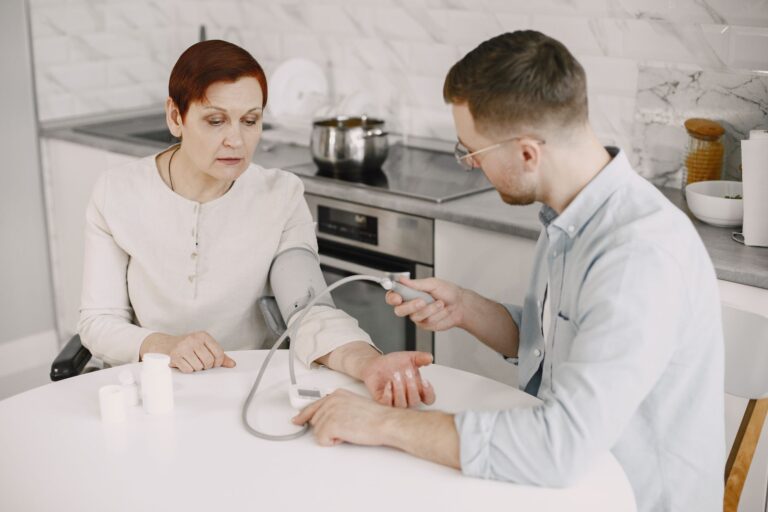
Nursing home coverage is safer because federal law requires states to cover it, while home care is largely optional. The new reconciliation law protects only base nursing-facility payments and leaves home-care waivers exposed to state cuts.
Home care here means home- and community-based services, or HCBS. That includes aide visits, personal care, adult day programs, and supported assisted living paid through Medicaid waivers. For families facing dementia, the coverage rules now point in different directions.
Medical information disclaimer: This article is for general educational purposes only and does not provide medical advice, diagnosis, or treatment. Always consult a physician or other qualified health professional about symptoms, medications, tests, or treatment decisions.
Table of Contents
- What did the new law change?
- Why can states cut home care first?
- How does this affect dementia care at home?
- Is nursing-home coverage fully safe?
- What should families do now?
What did the new law change?
President Trump signed the 2025 reconciliation law, H.R.1, on July 4, 2025. According to KFF, federal estimates project about $911 billion less in federal Medicaid spending over 2025-2034, about 14%, as described in KFF's summary of health provisions in the reconciliation bill.
The cut does not fall evenly. States lose federal funds through tighter provider taxes and state-directed payments. They must then balance their own budgets with less federal help.
Why can states cut home care first?
Federal Medicaid law requires states to cover nursing-facility care. Nearly all HCBS is optional coverage that states may offer, as KFF explains in its 2025 review of Medicaid home care. The law widens that gap.
It protects only payments for the base nursing-facility benefit. Elderly and disabled waivers, assisted-living waivers, HCBS waivers, and rate add-ons remain unprotected. HCBS also makes up most optional Medicaid spending. Justice in Aging expects states facing lost federal funds to cut optional benefits first, as detailed in its analysis of the 2025 budget reconciliation act.
How does this affect dementia care at home?
Medicaid pays for much of long-term care in both settings. KFF reports Medicaid is the primary payer for 63% of nursing-facility residents and pays almost 70% of U.S. home-care spending. Home-care programs can cap enrollment.
Section 1915(c) HCBS waivers let states limit slots and keep waiting lists once slots fill. Nursing-home coverage has no waiver cap. That structure matters for dementia. A person may qualify medically yet wait months for an aide, day program, or assisted-living waiver slot. A nursing-facility benefit cannot be wait-listed the same way.
Is nursing-home coverage fully safe?
Safety is relative, not absolute. The same law pauses federal minimum-staffing rules and tightens eligibility and retroactive coverage. Access and day-to-day quality can still suffer.
Facilities may face more residents with fewer staff protections. Families may face slower approvals and gaps in backdated bills. Required coverage does not guarantee a nearby bed or stable care team.
What should families do now?
Past downturns point to longer HCBS waits. During the Great Recession, every state cut HCBS to close deficits.
Families should plan for delay rather than assume current home-care hours will continue. Act before a crisis forces a rushed move from a reduced home-care schedule.
- Confirm Medicaid eligibility now and keep income, asset, and disability records current.
- Ask the state agency whether care uses a 1915(c) waiver with an enrollment cap.
- Secure nursing-facility eligibility early, even if home remains the first choice.
- Identify covered alternatives, such as personal care under the state plan, before a waiver shrinks.