Fda approving sits at the center of this dementia and brain health question.
On March 19, 2026, the FDA approved Wegovy HD, a new higher-dose version of the weight loss medication semaglutide at 7.2 milligrams—triple the previous maximum dose of 2.4 milligrams. This approval signals a significant shift in how the agency approaches obesity treatment, moving beyond the standard dose that has been available since 2021. The higher dose is designed for patients who don’t achieve adequate weight loss at lower doses, representing a meaningful expansion of treatment options after researchers found it delivers average weight loss of 19% of body weight, or approximately 47 pounds, compared to 16% with the standard dose.
For individuals struggling with weight management—particularly those who have plateaued on existing medications—this approval creates a new pathway forward. However, the higher efficacy comes with a trade-off: significantly more side effects. The approval process itself was unusually fast, approved in just 54 days, making it the fourth product approved under the FDA’s Commissioner’s National Priority Voucher program. This article explores what the new higher-dose approval means, who might benefit, what the clinical data actually shows, and how it fits into the broader landscape of weight loss medications.
Table of Contents
- Why Is the FDA Approving a Higher-Dose Semaglutide When the Standard Dose Already Works?
- How Much Weight Loss Can Patients Actually Expect From the 7.2-Milligram Dose?
- Understanding the Increased Side Effects at the Higher Dose
- What Does This Approval Mean for Your Weight Loss Treatment Options?
- Who Should Consider the Higher-Dose Wegovy, and Who Shouldn’t?
- How Did Higher-Dose Wegovy Get Approved So Quickly?
- What Does This Mean for the Future of Weight Loss Medications?
- Conclusion
Why Is the FDA Approving a Higher-Dose Semaglutide When the Standard Dose Already Works?
The standard 2.4-milligram dose of Wegovy has become one of the most talked-about weight loss medications in recent years, with strong clinical results and widespread adoption. However, not all patients respond the same way to the same dose. Some people experience excellent weight loss at 2.4 milligrams, while others see modest results or plateau before reaching their health goals. The development of a higher dose addresses a real clinical need: giving prescribers another option for patients who have exhausted the benefits of the current maximum dose.
The approval data shows that researchers observed a dose-response relationship—meaning higher doses generally produced better results in their trials. Dr. Jody Dushay, an endocrinologist at harvard Medical School, noted that the new higher dose “may be especially helpful for people” with suboptimal weight loss at lower doses. This isn’t the same as saying everyone should jump to the higher dose; rather, it provides a tool for individuals and their doctors to consider when the current standard approach hasn’t delivered the results needed. The accelerated 54-day approval timeline reflects how the FDA viewed this as an important addition to the treatment arsenal rather than a completely novel therapy.

How Much Weight Loss Can Patients Actually Expect From the 7.2-Milligram Dose?
The Phase 3 clinical trial data for higher-dose Wegovy shows an average weight loss of 20.7% of body weight, which translates to approximately 47 pounds over 72 weeks for the typical trial participant. When compared directly to the standard 2.4-milligram dose in the same study, participants on the higher dose lost more weight—19% versus 16%—representing an additional 8 pounds of weight loss on average. For someone weighing 250 pounds, the difference between these two approaches could mean losing 47.5 pounds on the higher dose versus 40 pounds on the standard dose. It’s important to understand what “average” means in this context.
Some trial participants on the higher dose lost far more than 47 pounds, while others lost less. The data also shows that these results occurred after 72 weeks of treatment, not overnight—the medication works gradually as the dose is increased over time. Additionally, these results apply specifically to people with obesity or weight-related conditions in a controlled trial setting with medical supervision, not to everyone who takes the medication. The real-world experience may differ depending on individual factors like diet, activity level, genetics, and adherence to the medication protocol.
Understanding the Increased Side Effects at the Higher Dose
The more powerful weight loss effect comes with a genuine tradeoff in side effects. According to the clinical trial data, more than 70% of participants on the higher dose reported gastrointestinal issues including nausea, vomiting, or constipation, compared to over 60% on the standard dose and about 43% on placebo. For some people, these side effects are manageable and temporary as the body adjusts. For others, they can be severe enough to affect quality of life, ability to work, or willingness to continue treatment.
A particularly notable finding involves unusual skin sensations—paresthesia—which occurred in 23% of higher-dose participants versus only 6% on the standard dose and less than 1% on placebo. While often described as tingling or numbness, these sensations warrant attention. If you’re considering the higher dose, understanding that these side effects are more common isn’t meant to discourage you, but rather to set realistic expectations. Some people tolerate higher-dose medications well; others find that the standard dose strikes a better balance between efficacy and tolerability. Your doctor should discuss both the weight loss benefits and the increased side effect risk when deciding whether the higher dose is right for you.

What Does This Approval Mean for Your Weight Loss Treatment Options?
Prior to March 2026, if you were on Wegovy and not seeing the results you wanted, your options were limited: stay on the current dose, try a different medication, or pursue other interventions like surgery. The approval of higher-dose Wegovy creates a third pathway—continuing with the same medication family but at a stronger dose. This matters because switching medications entirely means starting from scratch with a different mechanism of action and different side effect profile, whereas increasing the dose of a medication you’re already tolerating involves incremental adjustment.
The approval also reflects a growing recognition in medicine that obesity and weight management often require more aggressive intervention. Unlike some chronic conditions where a single standard treatment works for everyone, weight loss appears to be a spectrum where different people need different intensities of treatment. Having multiple dose options within the same medication class allows for more personalized medicine. However, this doesn’t mean everyone should automatically upgrade to the higher dose—the decision should involve careful conversation with your healthcare provider about your specific situation, response to current treatment, and tolerance of side effects.
Who Should Consider the Higher-Dose Wegovy, and Who Shouldn’t?
The clearest candidate for higher-dose Wegovy is someone already using the standard dose who has achieved partial but not optimal weight loss and who tolerated the lower dose reasonably well. If you’ve been stable on 2.4 milligrams for several months without achieving your health goals, and you want to pursue medication-based weight loss rather than other approaches, discussing the higher dose with your doctor makes sense. The clinical trial data specifically studied people in this situation—those who could potentially benefit from more aggressive treatment. Conversely, several groups should be cautious about the higher dose.
Patients who experienced significant side effects on the standard dose may find the higher dose intolerable. Pregnant individuals cannot use semaglutide at any dose due to safety concerns. Those with certain medical conditions, including personal or family history of medullary thyroid cancer or multiple endocrine neoplasia type 2, should not use semaglutide regardless of dose. The higher-dose approval doesn’t change these contraindications; it simply adds another tool for the appropriate patient population. Have an honest conversation with your healthcare provider about whether you’re a good candidate and whether the potential additional weight loss justifies accepting higher rates of nausea, vomiting, and other side effects.
How Did Higher-Dose Wegovy Get Approved So Quickly?
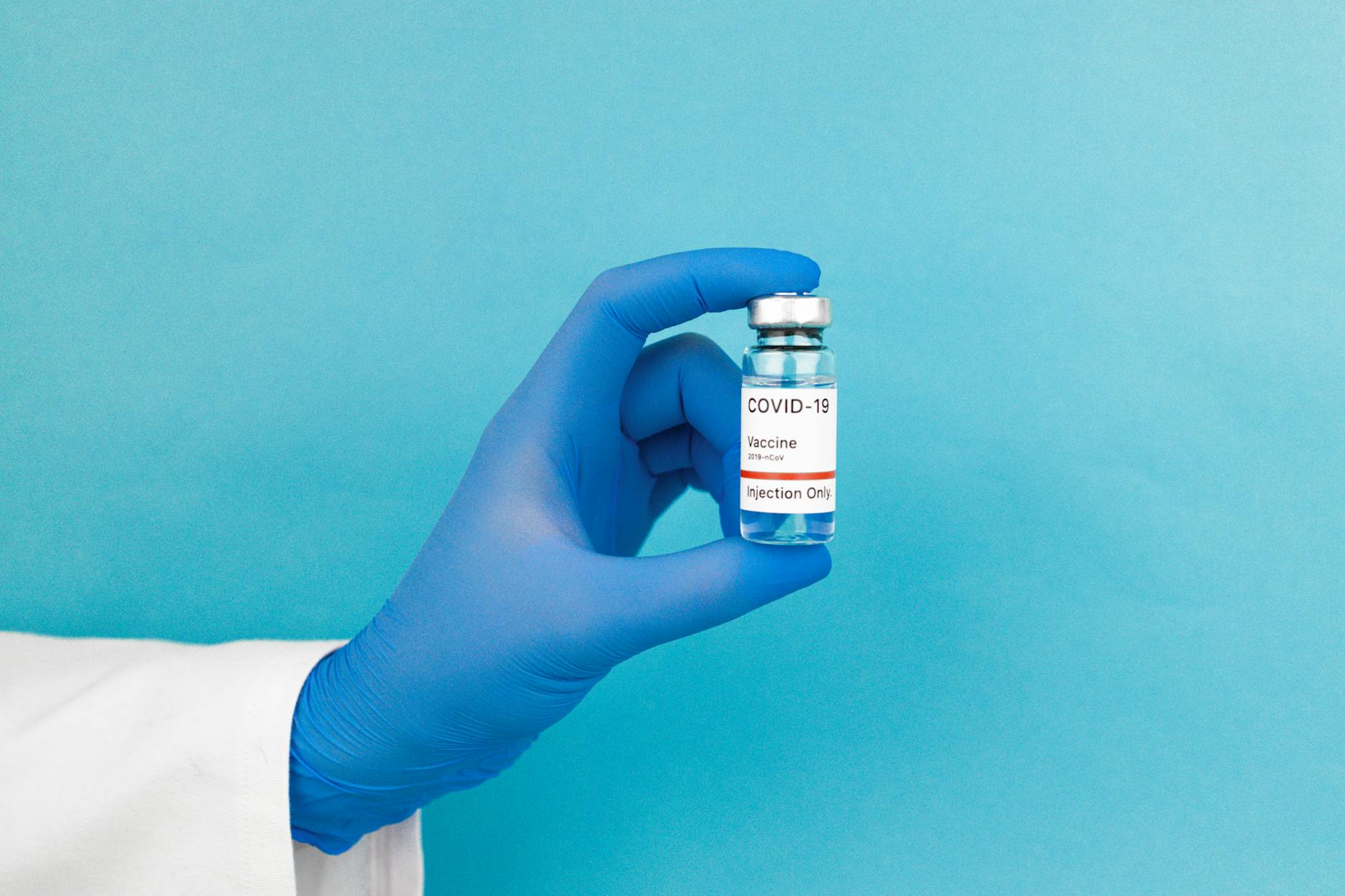
The 54-day approval timeframe for higher-dose Wegovy was unusually fast compared to typical FDA reviews, which usually take several months to years. This speed was possible because of the FDA’s Commissioner’s National Priority Voucher program, which prioritizes review for products addressing serious conditions. Wegovy HD became the fourth product approved under this program. The program exists because for conditions like obesity—which contributes to serious health problems including heart disease, diabetes, and stroke—faster access to more effective treatments can have meaningful public health benefits.
The rapid approval also reflects that this wasn’t a completely novel drug being reviewed from scratch. Semaglutide’s basic safety and mechanism of action have been well-established through years of clinical use at lower doses. The higher-dose approval built on that foundation, studying the new dose specifically but operating within a known drug class. This doesn’t mean the higher dose was approved without rigorous review—the clinical trial data was carefully examined—but rather that the review process could move faster because the overall context of the medication was already established.
What Does This Mean for the Future of Weight Loss Medications?
The approval of higher-dose Wegovy suggests the FDA is moving toward a more graduated approach to obesity treatment, where dose increases are recognized as legitimate treatment intensification rather than requiring entirely new medications. We may expect to see similar higher-dose approvals for other GLP-1 receptor agonists in the coming months or years as pharmaceutical companies pursue similar applications. This represents a shift from the previous era where treatment options were primarily limited to different drug classes entirely.
The approval also underscores growing recognition that obesity is a serious medical condition requiring serious medical intervention, not simply a matter of willpower or diet. By fast-tracking this approval and making more intensive options available, the FDA is acknowledging that different patients need different levels of treatment intensity. For individuals concerned about weight management and its effects on overall health—including cognitive health, since weight and metabolic factors influence brain health—this expanded toolkit means more personalized options. The medication landscape for obesity treatment is becoming more nuanced and, for many, more effective.
Conclusion
The FDA’s approval of higher-dose Wegovy (7.2 milligrams semaglutide) on March 19, 2026, provides a meaningful expansion of treatment options for people struggling with weight loss on standard doses. With average weight loss of approximately 47 pounds over 72 weeks compared to 39 pounds with the standard dose, the higher dose offers significantly more efficacy. However, this increased effectiveness comes with increased side effects, particularly gastrointestinal issues and unusual skin sensations.
The key is determining whether the additional weight loss benefit justifies these tradeoffs for your individual situation. If you’re currently taking Wegovy and haven’t achieved the weight loss results you’d hoped for, talk with your healthcare provider about whether the higher dose might be appropriate for you. The medication is expected to launch in April 2026. Remember that medication is one tool among many for weight management, and the decision to increase your dose should be made collaboratively with your doctor based on your specific medical history, current response to treatment, and tolerance of side effects.
You Might Also Like
- Why Did Iran Appoint a New Security Council Secretary After the Last One Was Assassinated?
- Why Are Software Stocks Crashing After Amazon Announced New AI Tools?
- Why Are Countries Rationing Fuel and Making People Work from Home Because of the Iran War?
For more, see CDC — Alzheimer’s and Dementia.