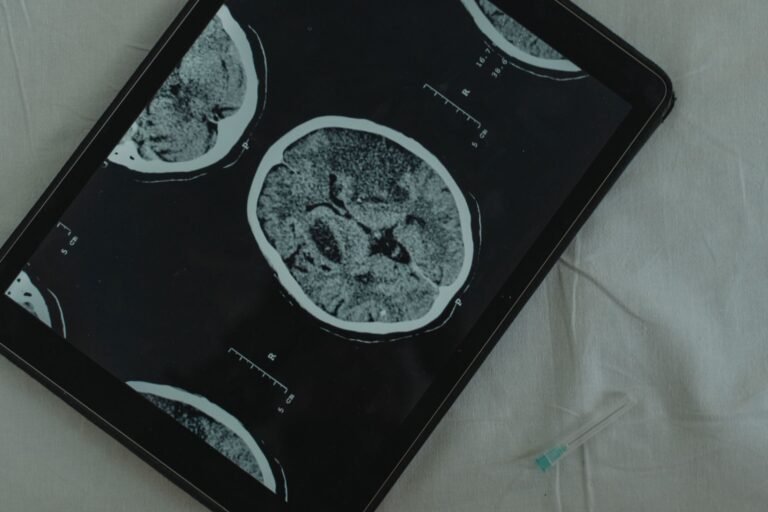
Hospital emergency sits at the center of this dementia and brain health question.
Hospital emergency departments struggle with dementia patients because these facilities are fundamentally incompatible with the needs of people experiencing cognitive decline. Emergency rooms are chaotic, high-stimulus environments filled with noise, beeping machines, overhead pages, and constant activity—exactly the conditions that trigger behavioral problems and confusion in dementia patients. Staff are often untrained in dementia-specific care, with only 17% of emergency department personnel having received any ED-specific dementia training. The result is a system where approximately 3 million Americans with dementia visit emergency departments annually, yet the vast majority of those facilities are structurally and organizationally unprepared to care for them safely. The scale of this problem is staggering.
In 2019, 15.6% of all emergency department visits across nearly 3,200 hospitals were by Medicare beneficiaries with a documented dementia diagnosis. For the oldest patients—adults 85 and older—that number jumps to 32.2% of all ED visits. And for those specifically diagnosed with Alzheimer’s disease, the annual ED visit rate reaches 36.1 visits per 1,000 adults aged 65 and older. Yet despite treating dementia patients constantly, most emergency departments have never invested in the staff training, physical environment modifications, or care protocols that could make these visits safer and less traumatic. This article explores why emergency departments struggle with dementia care, the specific barriers that prevent appropriate treatment, the medical complications that develop as a result, and what patients and families can do to navigate the emergency system more safely.
Table of Contents
- Why Hospital Emergency Departments Create Crisis Conditions for People with Dementia
- The Diagnosis Gap and Recognition Failures
- The Delirium Complication Superimposed on Dementia
- The Impact on Mortality and Long-Term Outcomes
- The Boarding Crisis and Extended ED Waits
- Communication Failures and Loss of Patient Autonomy
- The Path Forward: Building Dementia-Ready Emergency Departments
- Conclusion
- Frequently Asked Questions
Why Hospital Emergency Departments Create Crisis Conditions for People with Dementia
The emergency department itself is the problem. A person with moderate to advanced dementia loses the cognitive flexibility needed to adapt to chaotic, unfamiliar environments. The noise, bright lights, constant interruptions, and parade of strangers trigger what appears to be behavioral agitation but is actually a survival response to sensory overload. A dementia patient in an ED waiting room for six hours is not just uncomfortable—they are experiencing a form of psychological distress that accelerates confusion and can trigger physical health crises. Consider what happens to a 78-year-old man with mid-stage Alzheimer’s who comes to the ED with pneumonia. His daughter brought him because his cough worsened. Instead of a calm, predictable environment where he can rest and receive treatment, he enters a room with beeping monitors, overhead announcements, multiple staff asking repetitive questions, a roommate with a television on, and fluorescent lighting that never turns off. His confusion worsens.
He pulls at IVs. He refuses medications. By the staff’s assessment, he’s being “difficult.” In reality, his brain is overwhelmed. The hospital’s physical environment has become part of his medical problem. The untrained staff compounds this crisis. Most emergency medicine residents receive minimal or no training in dementia-specific communication or behavioral de-escalation. They’re trained to treat the presenting medical condition—the pneumonia, the fall, the chest pain—but not to treat the person experiencing it. Communication breaks down. Care coordination falls apart.

The Diagnosis Gap and Recognition Failures
A major barrier is that up to 60% of people with dementia lack a formal diagnosis before their ED visit. This isn’t random. Undiagnosed dementia disproportionately affects older adults, men, unmarried individuals, Hispanic patients, and those with fewer years of education—populations that often have less access to preventive healthcare or may not seek a diagnosis even when symptoms are present. When an undiagnosed dementia patient arrives in the ED, the staff have no way to know that the confusion they’re observing is dementia.
They may interpret it as delirium from the acute medical condition, mental illness, intoxication, or non-compliance. However, even when dementia is documented in the medical record, emergency departments often fail to adjust their care approach. A patient with a documented diagnosis should trigger a specific protocol: quieter environment, familiar caregiver present, simplified communication, medication review. Instead, the default ED approach applies to everyone equally. The patient becomes harder to manage, and the staff interpret this as a behavioral problem rather than an environmental problem they created.
The Delirium Complication Superimposed on Dementia
When a dementia patient develops delirium in the hospital, the results can be medically catastrophic. Delirium complicates care in 6 to 36% of older patients in emergency settings, and it’s associated with long-term cognitive decline and permanent damage to cognitive ability. The cruel irony is that many cases of hospital delirium are preventable—they result from inadequate pain management, medication side effects, infection, dehydration, or the stress response to the chaotic ED environment itself. The problem is compounded by massive underdiagnosis. Delirium is not actively screened using validated assessment tools in 57 to 83% of ED cases.
Staff see a confused, agitated patient and treat the behavior rather than the underlying delirium. They may administer antipsychotics to manage the agitation, which often worsens delirium rather than improving it. Patients with dementia face double the odds of receiving antipsychotic medications compared to non-dementia patients—a particularly dangerous outcome because antipsychotics carry significant risks in older adults, including stroke, falls, and accelerated cognitive decline. Hospital delirium then creates a cascade of secondary complications: pneumonia, blood clots, aspiration, infections. These complications increase one-year mortality risk and accelerate cognitive decline even further. A dementia patient admitted to the hospital with a urinary tract infection may develop delirium, receive an antipsychotic, develop a hospital-acquired infection, and never regain their baseline function—all preventable events that originated from delirium that was never identified or treated.

The Impact on Mortality and Long-Term Outcomes
The mortality data from dementia patients after ED visits is sobering. One-year mortality for people with dementia varies dramatically depending on their baseline living situation: 18.4% for community-dwelling patients, but 40.3% for those hospitalized within the past month, and 47% for those admitted from nursing homes. This suggests that the ED visit itself and subsequent hospitalization are significant mortality events—not just in identifying a serious illness, but in triggering decline.
The challenge in interpreting this data is that we cannot say definitively whether the ED visit caused the worse outcomes or whether sicker patients were more likely to visit the ED in the first place. However, the pattern is consistent enough that it warrants caution: an ED visit for a dementia patient is not a neutral event. It’s a high-risk encounter that should be approached with intention to minimize harm, not maximize throughput. Yet most emergency departments operate as if they’re treating the acute medical problem in isolation, with little attention to the vulnerable cognitive state of the person experiencing that medical problem.
The Boarding Crisis and Extended ED Waits
Many dementia patients don’t move quickly out of the ED. Boarding—the practice of keeping admitted patients in the ED waiting for an inpatient bed—is a chronic problem in American hospitals, and dementia patients are particularly vulnerable to harm during boarding periods. Long ER waits create dangerous conditions where dementia patients can develop preventable complications: pressure ulcers from hours in an ED stretcher, dehydration from confusion about when to drink, falls from unassisted bathroom trips, and psychological deterioration from prolonged chaos and sensory overload.
A person with advanced dementia who boards in the ED for 12 hours is essentially in solitary confinement in a hostile environment. They cannot understand why they’re there, cannot predict when they’ll be moved, and cannot advocate for their own comfort or safety. The longer they board, the higher their risk of delirium, secondary infection, and permanent cognitive decline. Yet most hospital systems treat the ED boarding problem as a throughput issue—how do we move patients through the ED faster?—rather than a safety issue for dementia patients specifically.

Communication Failures and Loss of Patient Autonomy
Recent research from 2026 emphasizes that communication and involvement in care decisions strongly influence patient satisfaction with ED visits. For dementia patients, this takes on critical importance because their ability to communicate, understand complex medical information, or advocate for themselves is compromised. When ED staff do not actively involve family members or caregivers in decision-making, critical information is lost and care decisions are made without understanding the patient’s baseline cognition, preferences, or values. Consider a 72-year-old woman with vascular dementia brought to the ED after a fall.
She has no memory of the fall and cannot explain how it happened. Without a caregiver present, the staff cannot determine whether this was a simple trip or a sign of a serious underlying condition like a stroke or cardiac arrhythmia. The ED physician orders extensive testing, the patient becomes more confused from the stress, and no one is present to reassure her or translate her needs. If a daughter had been called and included immediately, she could have provided context about her mother’s recent complaints of dizziness and the family history of stroke—information that focuses the workup and speeds appropriate treatment.
The Path Forward: Building Dementia-Ready Emergency Departments
Despite these profound challenges, some emergency departments are making progress. The most effective programs combine staff training in dementia-specific communication, physical environment modifications (quieter waiting areas, reduced lighting intensity, family presence policies), care protocols that include family/caregiver involvement from arrival, and active screening for delirium using validated tools like the CAM (Confusion Assessment Method). These changes don’t require massive investment—they require intentionality.
The broader healthcare system is beginning to recognize that emergency departments cannot continue to treat dementia patients with the same one-size-fits-all approach used for other patients. The sheer volume—3 million ED visits annually from dementia patients alone—means that improving dementia care in emergency departments is a public health priority. Future improvements will likely include pre-arrival alerts when dementia patients are coming via ambulance, dedicated ED protocols for dementia, and integration of family/caregiver support as a standard part of the care plan rather than a courtesy.
Conclusion
Hospital emergency departments struggle with dementia patients because they are loud, chaotic, stimulating environments staffed by personnel with minimal dementia training, where the physical environment and standard care protocols actually worsen cognitive confusion and trigger preventable complications. The system is not equipped to care for people whose brains are losing the plasticity and processing speed needed to adapt to high-stress situations. Until emergency departments redesign their physical spaces, train their staff, and make family involvement and delirium screening standard practice, dementia patients will continue to experience preventable harm during these encounters.
If you’re a family member of someone with dementia, your role during an ED visit is critical. Arrive with your loved one if possible, provide staff with their baseline cognition and preferences, request a quiet space if available, and actively participate in decisions about testing and treatment. Advocate for the person who cannot advocate for themselves. The emergency department is not designed for dementia care, so families must compensate by being present, informed, and vocal about what their loved one needs.
Frequently Asked Questions
What should I bring with me if my family member with dementia needs to go to the emergency department?
Bring a list of all current medications, a summary of their baseline cognition and communication abilities, any behavioral triggers or comfort strategies that work at home, and recent health history. This information helps ED staff understand your loved one’s baseline and recognize if confusion represents delirium rather than normal dementia progression.
Can we request a specific type of environment or accommodations in the ED?
Yes. Ask for a quieter, lower-stimulation waiting area if available. Request that a family member be allowed to stay throughout the visit. Ask that communication be directed to the family member if the patient cannot answer questions reliably. Not all EDs have these accommodations, but asking increases the chance they’ll be provided.
Why do dementia patients get antipsychotic medications in the ED so often?
Antipsychotics are often used to manage agitation or apparent behavioral problems. However, agitation in dementia is usually a response to confusion, fear, or unmet needs—not a primary psychiatric problem. Antipsychotics worsen delirium rather than improving it and carry serious risks in older adults. Effective de-escalation through communication, environmental calm, and family presence is almost always better.
How long is an acceptable wait time in the ED for someone with dementia?
Any extended wait is problematic. After 4-6 hours, the risk of delirium and secondary complications increases significantly. If your family member with dementia has been boarding in the ED for more than 8 hours, ask specifically about their delirium risk and what monitoring is in place.
Should I insist on hospitalizing my family member, or might staying home be safer?
This depends on the specific medical condition and the quality of care available at home. For acute, serious conditions (stroke, infection, severe injury), appropriate hospital care is necessary. However, for some conditions that could be managed with close home monitoring, outpatient follow-up, and family support, hospital admission may carry more risk than benefit due to delirium and other hospital-related complications. Discuss this specifically with the ED physician based on the diagnosis.
You Might Also Like
- Chromosome 15 genetic variation linked with frontotemporal dementia cases
- Regular simple activities shown to lower dementia development in seniors substantially
- Can eating Mediterranean foods protect cognitive function with age?
For more, see Alzheimer’s Association — clinical trials.