
Reviewed by the Help Dementia Editorial Team — our editors review every article for accuracy against guidance from the National Institute on Aging, the Alzheimer’s Association, and peer-reviewed sources.
FDA recognition of blood tests for dementia diagnostics matters because it transforms how physicians detect Alzheimer’s disease—shifting from invasive, costly procedures that only specialists could access to simple blood tests available in any primary care office. For decades, confirming the presence of Alzheimer’s-related amyloid and tau pathology required either positron emission tomography (PET) scans, which are expensive and limited in availability, or lumbar punctures, which carry infection risks and patient discomfort. On May 16, 2025, the FDA cleared Fujirebio’s Lumipulse G pTau217/β-Amyloid 1-42 Plasma Ratio test—the first blood test approved to diagnose Alzheimer’s disease in symptomatic patients. This represented a watershed moment in dementia care. The FDA’s role in approving these tests is critical because it establishes rigorous safety and accuracy standards that clinicians and patients can trust.
When a diagnostic test receives FDA clearance, it means the agency has reviewed clinical evidence demonstrating the test works as claimed. Later that same year, in October 2025, Roche’s Elecsys pTau181 test received its own FDA clearance, further validating that reliable blood-based diagnostics for Alzheimer’s are now clinically feasible and ready for widespread use. These aren’t hypothetical innovations—they’re tools already being ordered by neurologists and primary care doctors across the United States. Yet FDA recognition doesn’t mean these tests replace clinical judgment or provide a simple yes-or-no answer to dementia. Understanding what FDA clearance actually guarantees, and what it doesn’t, is essential for patients and families navigating a cognitive decline diagnosis.
Table of Contents
- What FDA Clearance Actually Means for Dementia Diagnosis
- From Invasive Procedures to a Simple Blood Draw
- How Accurate Are These Blood Tests, Really?
- Opening Doors in Primary Care and Community Settings
- Important Limitations: What These Blood Tests Cannot Tell You
- International Recognition and Global Reach
- The Trajectory Forward
- Conclusion
What FDA Clearance Actually Means for Dementia Diagnosis
FDA clearance requires manufacturers to submit clinical evidence that a test is safe, accurate, and effective for its intended use. For dementia blood tests, this means researchers conducted large-scale studies comparing results from the blood test against gold-standard imaging and cerebrospinal fluid markers. The Roche Elecsys pTau181 test, for example, demonstrated a 97.9% negative predictive value in a multicenter study of 312 participants—meaning that when the test comes back negative, physicians can be highly confident that Alzheimer’s-related amyloid pathology is not present in the brain. This level of accuracy is measured and publicly reported in the FDA’s review documents.
What FDA clearance does not mean is that a positive result definitively diagnoses Alzheimer’s disease. The FDA specifically emphasizes that these blood tests are diagnostic aids, not screening tools and not standalone diagnoses. A positive pTau181 or pTau217 result indicates Alzheimer’s pathology may be present, but results must always be interpreted alongside the patient’s medical history, cognitive test scores, and imaging studies when available. Think of it this way: FDA approval validates that the test reliably detects what it’s designed to detect, but the test exists within a larger diagnostic picture that only a clinician can interpret.
From Invasive Procedures to a Simple Blood Draw
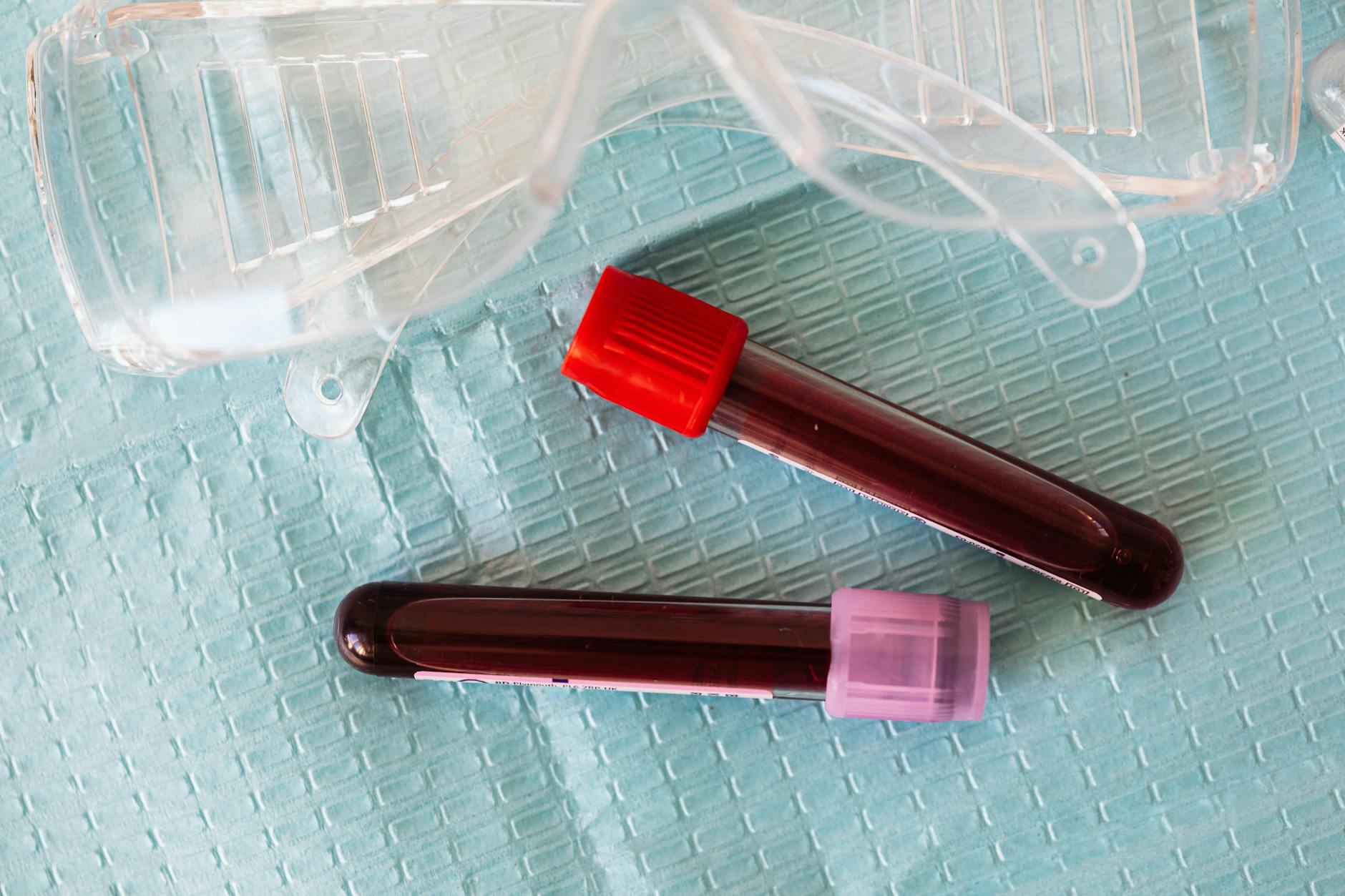
Before FDA-approved blood tests existed, if a doctor suspected Alzheimer’s disease and wanted objective evidence of amyloid plaque or tau tangles in the brain, patients faced limited options, all burdensome. PET scans required traveling to specialized imaging centers, often involved long waits for appointments, and cost thousands of dollars—many not covered by insurance. Lumbar punctures meant a needle inserted into the spine to draw cerebrospinal fluid, carrying real risks of post-procedure headache, infection, and bleeding, plus patient anxiety about the procedure itself. These barriers meant many patients with cognitive decline never received definitive pathology confirmation, living with diagnostic uncertainty. Blood tests eliminate these burdens. A standard venipuncture—the same needle stick used for routine blood work—is all that’s required.
Results typically come back within days. No specialist imaging center needed. No procedural risks beyond normal blood draw risks. This accessibility matters enormously for rural patients who live hours from major medical centers, elderly patients with mobility limitations, and patients with needle anxiety or bleeding disorders. A primary care physician in a small town can now order the test directly, send the sample to a certified lab, and get results that inform treatment decisions without referring the patient to a distant neurology clinic. However, accessibility comes with a caution: easier access can lead to inappropriate testing in patients who don’t actually have cognitive symptoms, or overreliance on a single blood test result without clinical correlation. The FDA approval of these tests is based on their use in patients with actual cognitive symptoms, not in asymptomatic people.
How Accurate Are These Blood Tests, Really?
The two FDA-cleared blood tests use different biomarkers but address similar diagnostic questions. Fujirebio’s Lumipulse G measures the ratio of phosphorylated tau at amino acid position 217 (pTau217) to beta-amyloid 1-42 (Aβ42). Roche’s Elecsys pTau181 measures phosphorylated tau at position 181. Both markers reflect Alzheimer’s-related pathology in the brain. The clinical evidence supporting their FDA approval is substantial.
For Elecsys pTau181, that 97.9% negative predictive value means that if your blood test is negative, there’s less than a 2% chance you have Alzheimer’s amyloid pathology—a remarkably high confidence level. For positive results, the picture is less definitive. A positive pTau181 or pTau217 test suggests Alzheimer’s pathology is present, but it doesn’t distinguish between someone with pathology who is cognitively normal (perhaps due to cognitive reserve), someone in the preclinical stage, and someone with symptomatic Alzheimer’s disease. The test also cannot predict whether someone will develop symptoms in the future or how quickly cognitive decline might progress. This is why clinical context is irreplaceable—the same positive blood test result means different things for a 60-year-old with memory complaints versus a 75-year-old with advanced cognitive decline.
Opening Doors in Primary Care and Community Settings
One of the most significant impacts of FDA approval is that it enables these tests to be ordered and interpreted in primary care offices, not just specialty neurology clinics. The Roche test was specifically approved for use in primary care to rule out Alzheimer’s-related amyloid pathology, recognition that general practitioners are often the first clinicians to encounter patients with early memory problems or cognitive concerns. This expansion of access is transformative for healthcare systems already overwhelmed with demand for neurology appointments. Primary care physicians can now integrate blood-based biomarkers into their diagnostic evaluation of cognitive decline. A patient comes in reporting memory problems, the doctor orders cognitive screening tests (like the Montreal Cognitive Assessment), and if indicated, adds a blood test for phosphorylated tau.
If that blood test is negative, the physician can reasonably reassure the patient and rule out Alzheimer’s pathology as the culprit. If it’s positive, the physician can refer to neurology with more confidence that cognitive symptoms may be Alzheimer-related, or pursue additional imaging to confirm. This workflow is far more efficient than the previous system where neurologists controlled the pathology-confirming tests. The tradeoff is that primary care clinicians need training to understand what these tests mean and don’t mean. A positive result doesn’t automatically mean ordering expensive downstream imaging or starting Alzheimer’s medications. Conversely, a negative result doesn’t mean cognitive decline is unimportant or doesn’t require evaluation for other causes.
Important Limitations: What These Blood Tests Cannot Tell You
FDA approval confers legitimacy and standardization, but it doesn’t erase the limitations inherent to blood biomarkers. These tests measure protein markers in the blood, which reflect brain pathology imperfectly. Some people with amyloid plaques and tau tangles in their brains remain cognitively normal for years—a phenomenon researchers call cognitive reserve. These individuals might have positive blood tests but no dementia symptoms. The blood test cannot predict who will remain cognitively normal and who will decline. These tests also cannot diagnose other common causes of cognitive decline like vascular dementia (caused by small strokes), Lewy body disease, frontotemporal dementia, or normal pressure hydrocephalus.
A negative pTau181 test doesn’t mean a patient doesn’t have cognitive impairment—it means amyloid-related Alzheimer’s pathology is unlikely. The patient might still have vascular disease, Parkinson’s-related pathology, or metabolic factors causing cognitive decline. This is why FDA approval includes the clear statement that these are diagnostic aids, not screening tools, and cannot be used to diagnose dementia in asymptomatic people. Additionally, cost and insurance coverage remain barriers. While blood tests are cheaper than PET scans, they’re not free. Insurance coverage varies significantly, and many patients still face out-of-pocket costs. FDA approval helps justify insurance coverage, but doesn’t guarantee it.

International Recognition and Global Reach
FDA approval in the United States sends a powerful signal to regulatory agencies worldwide. Following the FDA’s clearances, Roche’s Elecsys pTau181 test received CE Mark certification in Europe in 2025, meeting the stringent standards of the European In Vitro Diagnostic Regulation (IVDR). This means patients in EU member states can now access the same test under European regulatory oversight.
CE Mark certification doesn’t duplicate FDA review but represents parallel validation that the test meets rigorous European quality and performance standards. This international expansion matters because it accelerates the global adoption of blood-based diagnostics for dementia. Countries that reference FDA or European regulatory decisions can move faster to make these tests available to their patients. Patients worldwide now have pathways to objective diagnosis that didn’t exist five years ago.
The Trajectory Forward
The approval of two separate FDA-cleared blood tests in the same year signals momentum. Multiple pharmaceutical and diagnostics companies are developing phosphorylated tau and amyloid tests for blood. Other biomarkers—including phosphorylated forms of tau at different positions, amyloid-beta oligomers, and neurofilament light chain—are in clinical validation pipelines. Future FDA approvals may offer tests that distinguish between different dementia types, or predict progression risk with greater accuracy.
What once required invasive procedures is becoming routine blood work. The natural trajectory is toward multiplex testing—single blood draws that measure multiple Alzheimer’s biomarkers simultaneously, offering richer diagnostic information. This future isn’t distant; some research-grade multiplex tests already exist. As more tests gain FDA approval, clinicians will have choices about which tests best fit individual patients and clinical scenarios.
Conclusion
FDA recognition matters for dementia diagnostics because it establishes that blood tests for Alzheimer’s disease are safe, accurate, and appropriate for clinical use—transforming a landscape dominated by invasive, expensive, specialty-only procedures into one where primary care physicians can order simple, accessible, standardized tests. The May 2025 FDA clearance of Fujirebio’s test and the October 2025 clearance of Roche’s test represent validation that blood biomarkers are ready for real-world clinical practice, not just research settings. For patients and families navigating cognitive decline, FDA approval means access to objective, pathology-confirming information that can inform treatment decisions and rule out Alzheimer’s as a diagnosis—without lumbar punctures or PET scans.
For healthcare systems, it means earlier detection, better-informed referrals, and more efficient use of specialist time. The next conversation you have with your doctor about memory concerns can now include a simple blood test as part of the diagnostic evaluation. That possibility exists because of FDA recognition and the rigorous clinical evidence behind these new tools.





