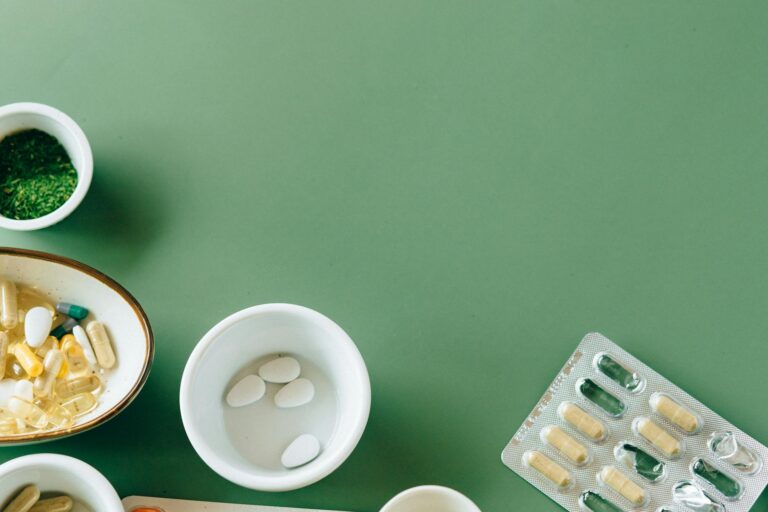
Doctors are worried because the supplements lining pharmacy shelves and flooding social media feeds are causing a sharp rise in drug-induced liver injuries across the United States, and most consumers have no idea they are at risk. With Americans spending over $60 billion on dietary and over-the-counter supplements in 2025 alone, the sheer volume of unregulated products entering the market has outpaced the medical community’s ability to warn people fast enough. According to Michigan Medicine, 15 million Americans currently take supplements that may be toxic to the liver — and many of those people believe they are making a healthy choice.
The problem is not limited to one rogue product. Herbal and dietary supplements are now a leading cause of drug-induced liver injury in the U.S., driven by three intersecting forces: supplements containing especially toxic compounds, dangerous interactions with prescription medications, and the trend of “megadosing,” where people take well beyond recommended amounts in pursuit of faster results. For families navigating dementia care and brain health, this is particularly urgent — older adults are more likely to take multiple medications, more vulnerable to liver and kidney stress, and more likely to be targeted by supplement marketing that promises cognitive benefits without clinical proof. This article breaks down which supplements carry the highest documented risks, what the FDA is and is not doing about the problem, why cancer researchers are now sounding the alarm, and what practical steps you can take to protect yourself or someone you care for.
Table of Contents
- Why Are Doctors Sounding the Alarm on Supplements Right Now?
- Which Supplements Are Causing the Most Liver Damage?
- What the FDA Is Doing — and Failing to Do
- What Cancer Researchers Found About Supplements in 2026
- The Hidden Risk of Supplement-Drug Interactions
- Megadosing and the Influence of Social Media
- Where Supplement Regulation Goes From Here
- Conclusion
Why Are Doctors Sounding the Alarm on Supplements Right Now?
The medical community’s concern is not theoretical — it is based on a measurable increase in patients showing up with liver damage tied directly to supplement use. Drug-induced liver injuries are climbing in tandem with the supplement industry’s explosive growth, which has been fueled by wellness influencers on TikTok and Instagram promoting products with little or no clinical backing. Herbal and dietary supplements have moved from a niche corner of the health market to a dominant force, and the consequences are now showing up in emergency rooms and hepatology clinics. The highest proportion of people consuming supplements linked to liver toxicity use turmeric, at 3.46 percent, followed by green tea extract at 1.01 percent, ashwagandha and black cohosh at 0.38 percent, garcinia cambogia at 0.27 percent, and red yeast rice at 0.19 percent.
These are not obscure compounds — they are mainstream products sold at every major pharmacy chain and grocery store in America. The fact that turmeric tops the list surprises many people, because it has been marketed relentlessly as a natural anti-inflammatory with brain health benefits. What makes this moment different from past supplement scares is the convergence of scale, regulatory weakness, and demographic vulnerability. An aging population seeking cognitive support, pain relief, and general wellness is consuming more supplements than ever, often without telling their doctors. For someone caring for a loved one with dementia or cognitive decline, the instinct to try anything that might help is entirely understandable — but that instinct is being exploited by an industry that does not have to prove its products are safe before selling them.
Which Supplements Are Causing the Most Liver Damage?
Green tea extract is among the most dangerous supplements currently on the market when taken in concentrated form. At least 100 established cases of severe liver damage have been documented in people using concentrated green tea extracts, which are commonly sold for weight loss and muscle recovery. The extract has also been linked to estrogen disruption. The critical distinction here is between drinking green tea as a beverage, which most doctors consider safe in moderate amounts, and taking high-dose capsules that deliver far more of the active compounds than the liver can process. If you or a family member uses green tea extract, this is not a minor concern to set aside — the documented cases include liver failure severe enough to require transplant. Turmeric and curcumin supplements present a similar problem of dose.
Some products on the market contain 2,000 milligrams or more of turmeric per serving, and many are formulated with black pepper extract (piperine) to enhance absorption. That combination can overwhelm the liver’s processing capacity and cause serious illness. The irony is that black pepper is added specifically to make the supplement “work better,” but what it actually does is force the body to absorb a compound at levels the liver was never designed to handle. For people already taking medications metabolized by the liver — which includes many drugs prescribed for dementia-related symptoms — the risk compounds. However, if someone is using a small amount of turmeric in cooking, that is a fundamentally different exposure than taking concentrated capsules daily. The dose makes the poison, and the supplement industry has a financial incentive to push doses higher because consumers equate more with better. Other high-risk supplements include vitamin A, which in excess causes liver injury, bone pain, and in severe cases organ failure, and unpurified whole-leaf aloe vera extract, which the FDA has banned in laxative form due to cancer links in animals and kidney failure in humans.
What the FDA Is Doing — and Failing to Do
Under current U.S. law, the FDA does not approve dietary supplements before they reach store shelves. Companies self-certify the safety of their own products, which is roughly equivalent to letting students grade their own exams. This regulatory framework has been the status quo for decades, but the situation may be about to get worse. In 2026, the FDA began considering a proposal to relax supplement warning label rules, potentially allowing companies to display the standard “not evaluated by the FDA” disclaimer only once per label rather than next to each individual health claim. The FDA’s stated rationale is reducing “label clutter” and saving money for supplement manufacturers. The current labeling rule, it turns out, has been rarely enforced in the first place.
Dr. Pieter Cohen, an associate professor of medicine at Harvard Medical School, has publicly warned that weakening the labeling requirement could further erode consumers’ already thin understanding of what they are actually buying. No timeline has been established for formal rulemaking, and existing requirements remain largely unenforced during the review period. For families dealing with dementia care, this regulatory gap is especially dangerous. A person with cognitive decline may not be able to read or understand supplement labels, and a caregiver purchasing products marketed for “brain health” or “memory support” has almost no reliable way to verify what is actually in the bottle. A systematic review of laboratory testing found a 37.5 percent median adulteration rate in weight-loss “natural products” — meaning more than a third of tested products contained ingredients not listed on the label. That statistic alone should give anyone pause before trusting a supplement’s packaging.

What Cancer Researchers Found About Supplements in 2026
In February 2026, Fred Hutch Cancer Center published findings confirming that dietary supplements have no proven benefit for cancer prevention and may actually increase cancer risk in certain populations. This is not a preliminary finding or a single small study — it reflects decades of accumulated research, including Fred Hutch’s own landmark trials. The American Cancer Society now explicitly advises against taking supplements to prevent cancer. The Fred Hutch SELECT trial found that vitamin E increased prostate cancer risk by 17 percent, and that selenium raised the risk of high-grade prostate cancer in some men. Even more striking, the Fred Hutch CARET trial found that a combination of beta-carotene and vitamin A actually increased cancer risk in people who were already at elevated risk for lung cancer — the exact opposite of what researchers had hoped.
These are not supplements most people would think of as dangerous, which is precisely the problem. The assumption that vitamins and minerals are harmless because they are “natural” does not survive contact with the clinical evidence. The tradeoff here is real and worth stating plainly. Some people with documented nutritional deficiencies genuinely need supplementation — a person with a confirmed vitamin D deficiency, for example, benefits from taking vitamin D under medical supervision. But the leap from treating a diagnosed deficiency to taking handfuls of supplements as insurance against disease is not supported by the evidence, and in some cases it causes the very harms people are trying to prevent. For dementia caregivers, the lesson is that no supplement has been proven to prevent or slow Alzheimer’s disease or other dementias, and the risks of unmonitored supplementation are concrete and documented.
The Hidden Risk of Supplement-Drug Interactions
One of the most underappreciated dangers of supplement use is the potential for interaction with prescription medications, and this risk is highest in the populations most likely to take supplements: older adults managing multiple chronic conditions. Many supplements can interfere with cancer treatments, blood thinners, blood pressure medications, and drugs used to manage behavioral symptoms of dementia. The compounding problem is that many patients do not tell their doctors about supplement use, either because they do not think of supplements as “real” medicine or because they are embarrassed to admit they are trying alternative approaches. Patients at the highest risk for dangerous interactions include those with existing liver or kidney problems, pregnant or breastfeeding women, people undergoing chemotherapy, and anyone taking multiple prescription medications.
For someone with dementia who may be on cholinesterase inhibitors, antipsychotics, or antidepressants, adding an unregulated supplement to the mix introduces an unknown variable into an already delicate pharmacological balance. The liver and kidneys, which are responsible for processing both the medications and the supplements, can be pushed past their capacity. The warning here is specific: if you are managing care for someone with dementia or cognitive decline, do not add any supplement to their routine without first consulting their prescribing physician or pharmacist. This includes supplements marketed as supporting brain health, memory, or cognitive function. The marketing around these products is designed to appeal to exactly the kind of hope and desperation that dementia caregivers feel, but the clinical evidence behind most of these claims ranges from weak to nonexistent.

Megadosing and the Influence of Social Media
The trend of megadosing — taking supplement doses far beyond recommended limits — has been accelerated by social media influencers who present extreme supplementation as a biohacking strategy. On platforms like TikTok, creators with no medical training routinely recommend supplement stacks that combine multiple high-dose products, sometimes totaling dozens of capsules per day.
The audience for this content skews younger, but older adults and caregivers searching for cognitive health solutions are increasingly encountering these recommendations as well. The core problem with megadosing is biological, not ideological. The human liver has a finite capacity to metabolize compounds, and exceeding that capacity causes damage regardless of whether the compound is “natural.” A turmeric supplement combined with green tea extract combined with high-dose vitamin A is not a wellness routine — it is a stress test for the liver that no doctor would prescribe.
Where Supplement Regulation Goes From Here
The next several years will likely determine whether the supplement industry faces meaningful oversight or continues to operate with minimal accountability. The FDA’s current review of labeling rules, the growing body of clinical evidence documenting harm, and increasing media attention on supplement-related injuries are all creating pressure for change. But the supplement industry is a $60 billion market with significant lobbying power, and regulatory agencies have historically moved slowly on consumer protection in this space.
For people focused on brain health and dementia care, the practical outlook is this: no supplement currently on the market has been proven to prevent, treat, or slow dementia. The most evidence-backed strategies for supporting cognitive health remain physical exercise, social engagement, management of cardiovascular risk factors, quality sleep, and working with physicians who can identify and treat genuine nutritional deficiencies. Until the regulatory landscape changes, the safest approach is to treat every supplement as an unproven drug with unknown side effects — because in most cases, that is exactly what it is.
Conclusion
The supplement industry’s rapid growth has outpaced both regulation and consumer awareness, creating a public health problem that doctors are increasingly unable to ignore. Drug-induced liver injuries are rising, cancer prevention research has confirmed that common supplements can increase rather than decrease disease risk, and the FDA is considering weakening the few labeling protections that currently exist. The people most vulnerable to these harms — older adults, those on multiple medications, and individuals with compromised liver or kidney function — are also the people most aggressively targeted by supplement marketing.
If you are caring for someone with dementia or managing your own cognitive health, the most important step you can take is to bring every supplement bottle to your next doctor’s appointment and have an honest conversation about what is actually in them, what the evidence says, and what risks they may carry. Do not assume that a product is safe because it is sold without a prescription or because someone on the internet said it changed their life. The science is clear: when it comes to supplements, more is not better, natural does not mean safe, and the only reliable guide through this landscape is a physician who knows your full medical history.